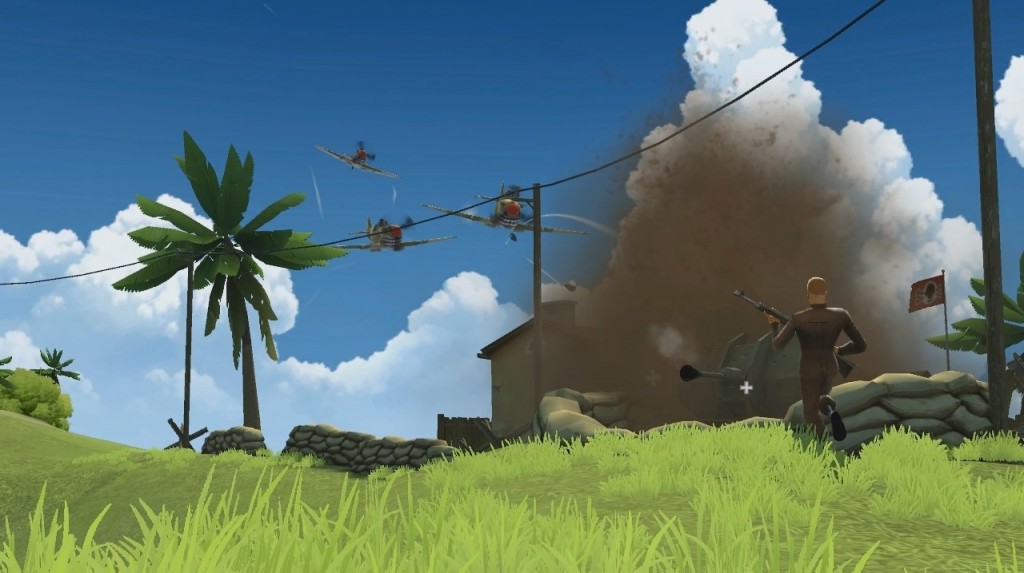
Electronic Arts has released a new trailer featuring the newly-released Wake Island map for Battlefield Heroes. The game is celebrating its 2nd anniversary and is available on the Windows PC platform.
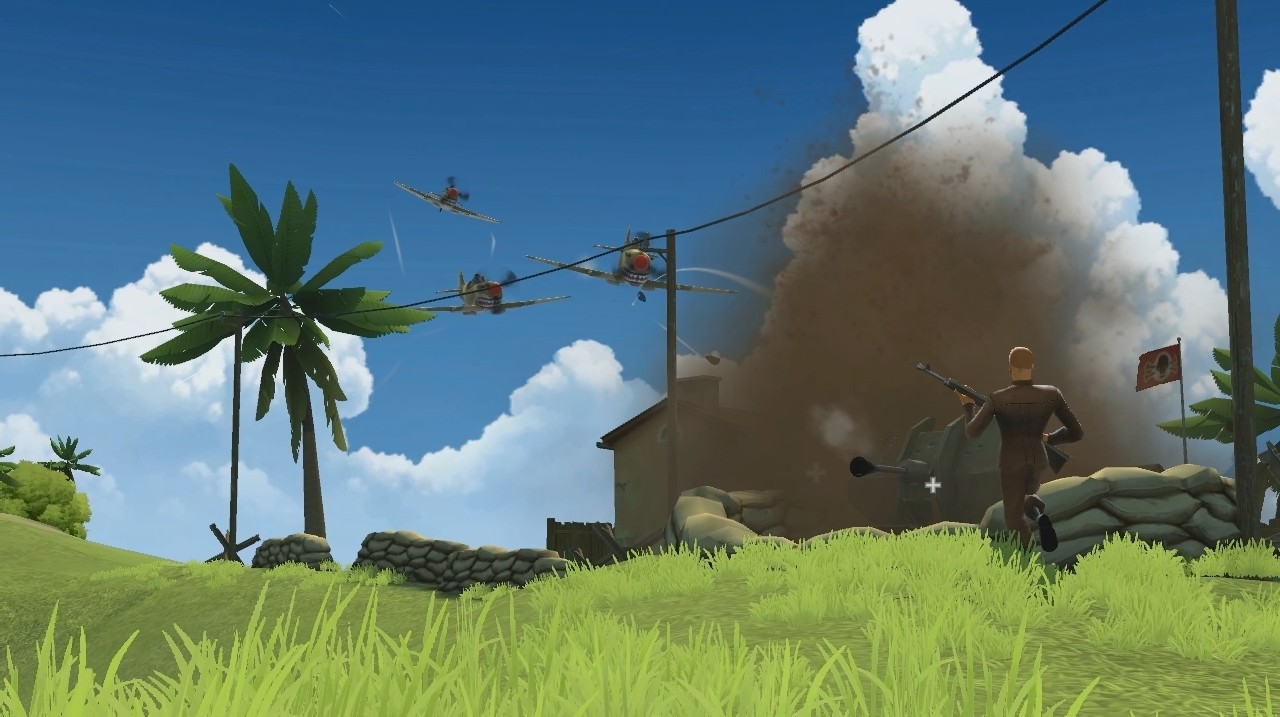
Electronic Arts has released a new trailer featuring the newly-released Wake Island map for Battlefield Heroes. The game is celebrating its 2nd anniversary and is available on the Windows PC platform.

Blizzard Entertainment has announced that the Windows 7 Phone version of its Blizzard Mobile Authenticator application is now free. The app is also available on Android, Blackberry, and iOS platforms.
Hi all,
We wanted to share with you and your readers that the Battle.net Mobile Authenticator is now available as a free download for Windows Phone 7 devices.
The Battle.net Mobile Authenticator provides a one-time password that you use in addition to your regular account name and password when you log in to a Battle.net account to play World of Warcraft or StarCraft II.
Versions for other mobile devices are also available for download here, or you can purchase a physical Battle.net Authenticator from the online Blizzard Store. Visit the Battle.net Mobile Authenticator FAQ for more information.
For additional account security advice, check out our Account Security page.
Cheers,
The Blizzard PR Team
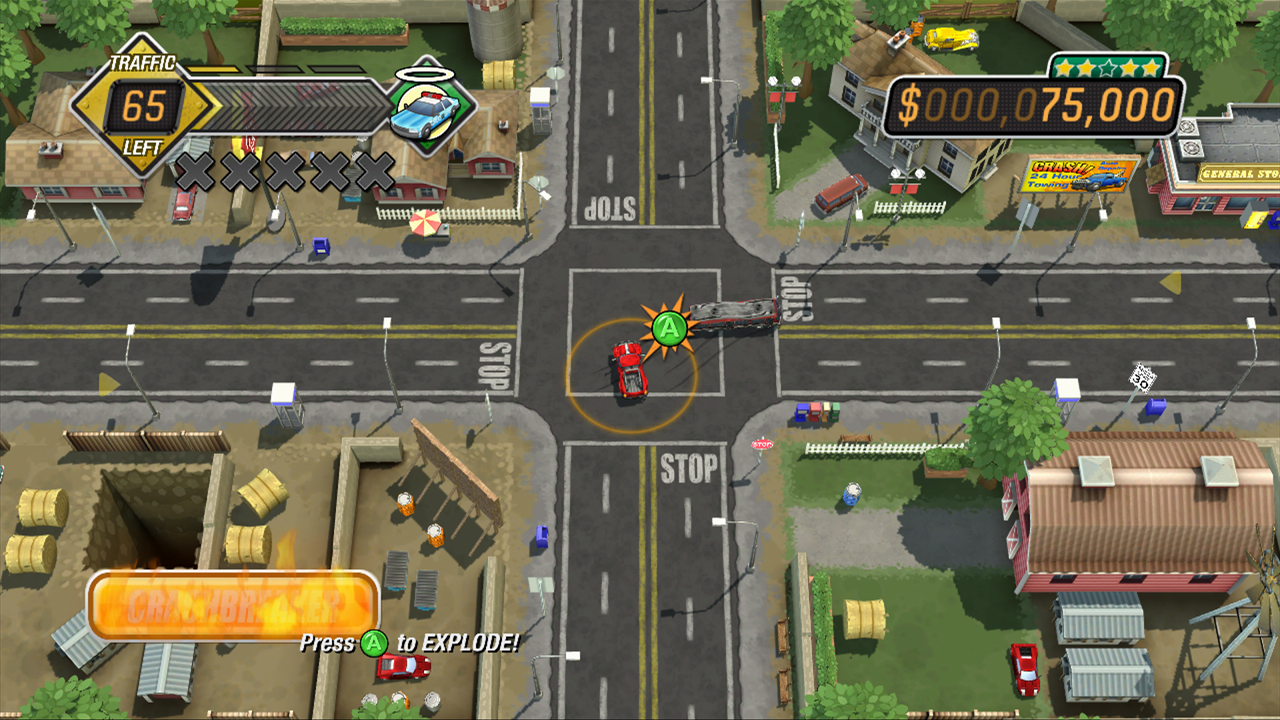
Electronic Arts and Criterion have released a new trailer for their XBLA and PSN racer, Burnout CRASH!. The game is due out this Fall and will feature three game modes – including EA’s first Kinect-specific mode allowing players to use gesture-control.
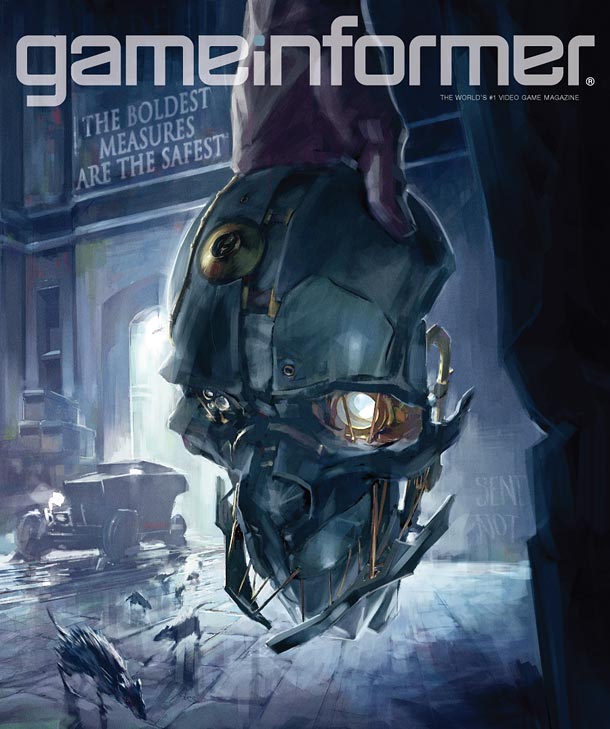
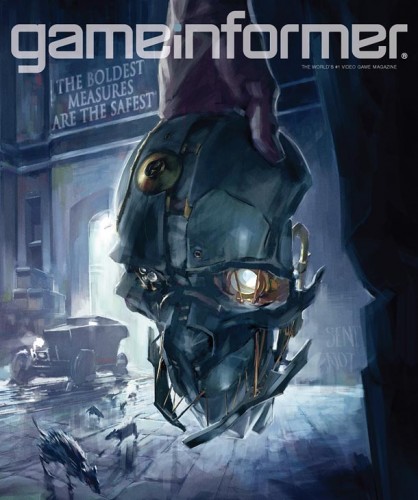
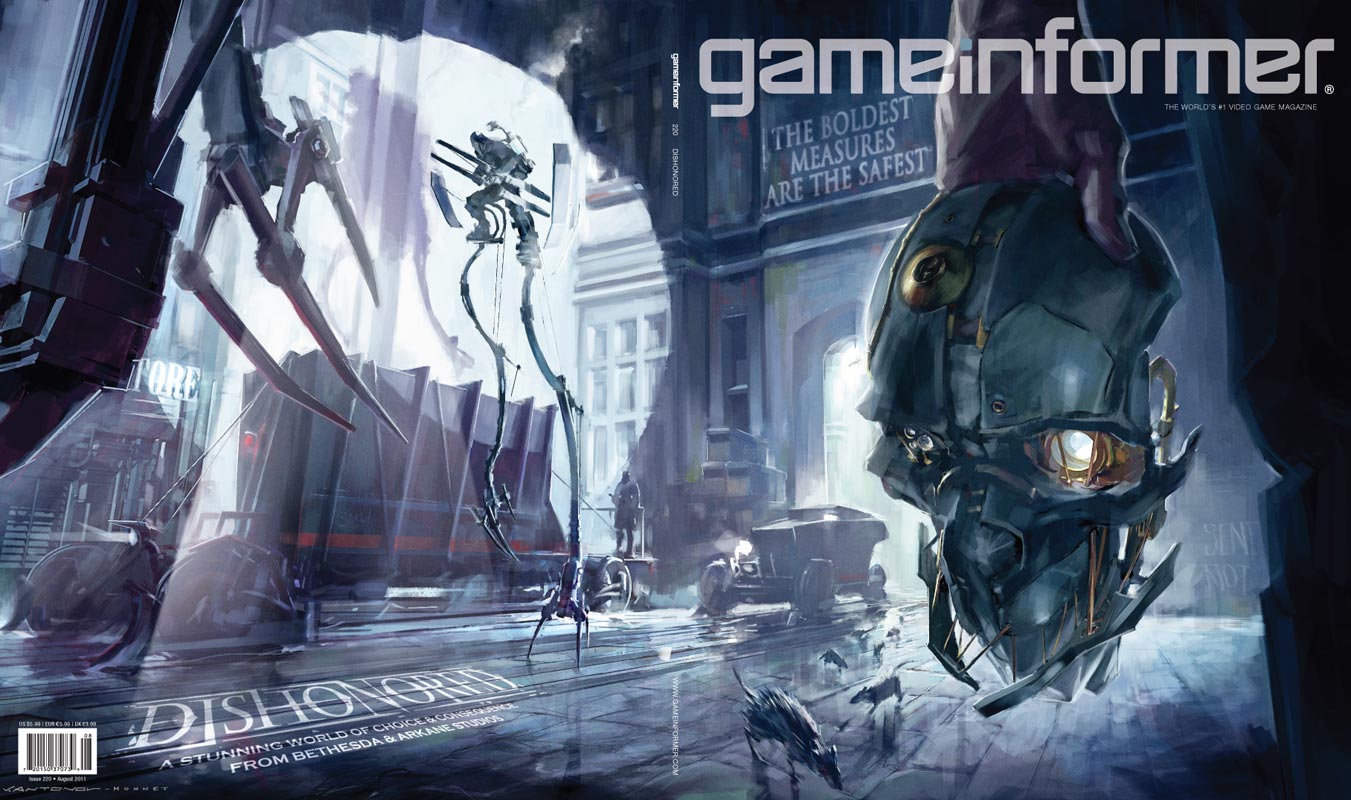
Bethesda Studios has announced it is producing Dishonored, an upcoming first-person action title being developed by Arkane Studios (Arx Fatalis, Dark Messiah of Might and Magic). Not much is known publicly about the game, save that is being developed on the Xbox 360, PlayStation 3, and Windows PC platforms for a 2012 release.
“At Arkane we have a passion for creating deep, immersive game experiences,” said Colantonio. “To be able to finally share details of our project is both extremely exciting and satisfying.”
Additionally, Game Informer’s August issue will feature the first preview of the game as well as have an exclusive cover featuring concept art from the title.
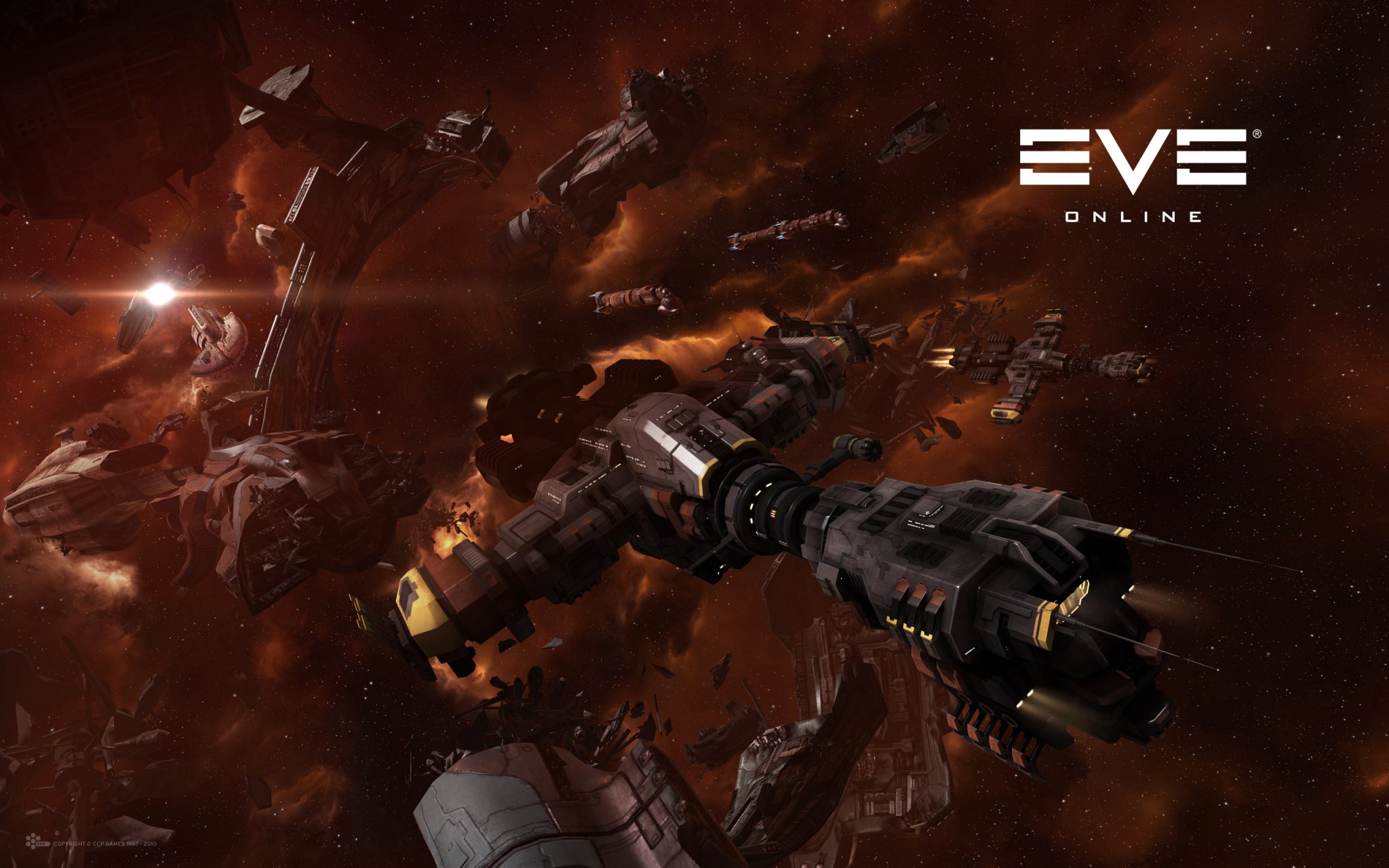
CCP Games has announced a partnership with online game publisher, Nexon, for localized distribution of their popular MMO, EVE Online, to Japan this Fall.
“We are pleased to have this opportunity to be a part of CCP’s ongoing plans to provide premium services to their subscribers,” said Seung-Woo Choi, Nexon Co., Ltd. “Our shared commitment to quality and excellence is the ultimate cornerstone from which to build an even greater gaming experience for Japanese video game enthusiasts.”
EVE Online will be added to Nexon’s game portal in Japan, fully-utilizing its social and other misc. options.
Namco Bandai has released a new behind the scenes video from their upcoming fighter, Soul Calibur V. Soul Calibur V picks up 17 years after the events of Soul Calibur IV and is due out next year on Xbox 360 and PlayStation 3 platforms.
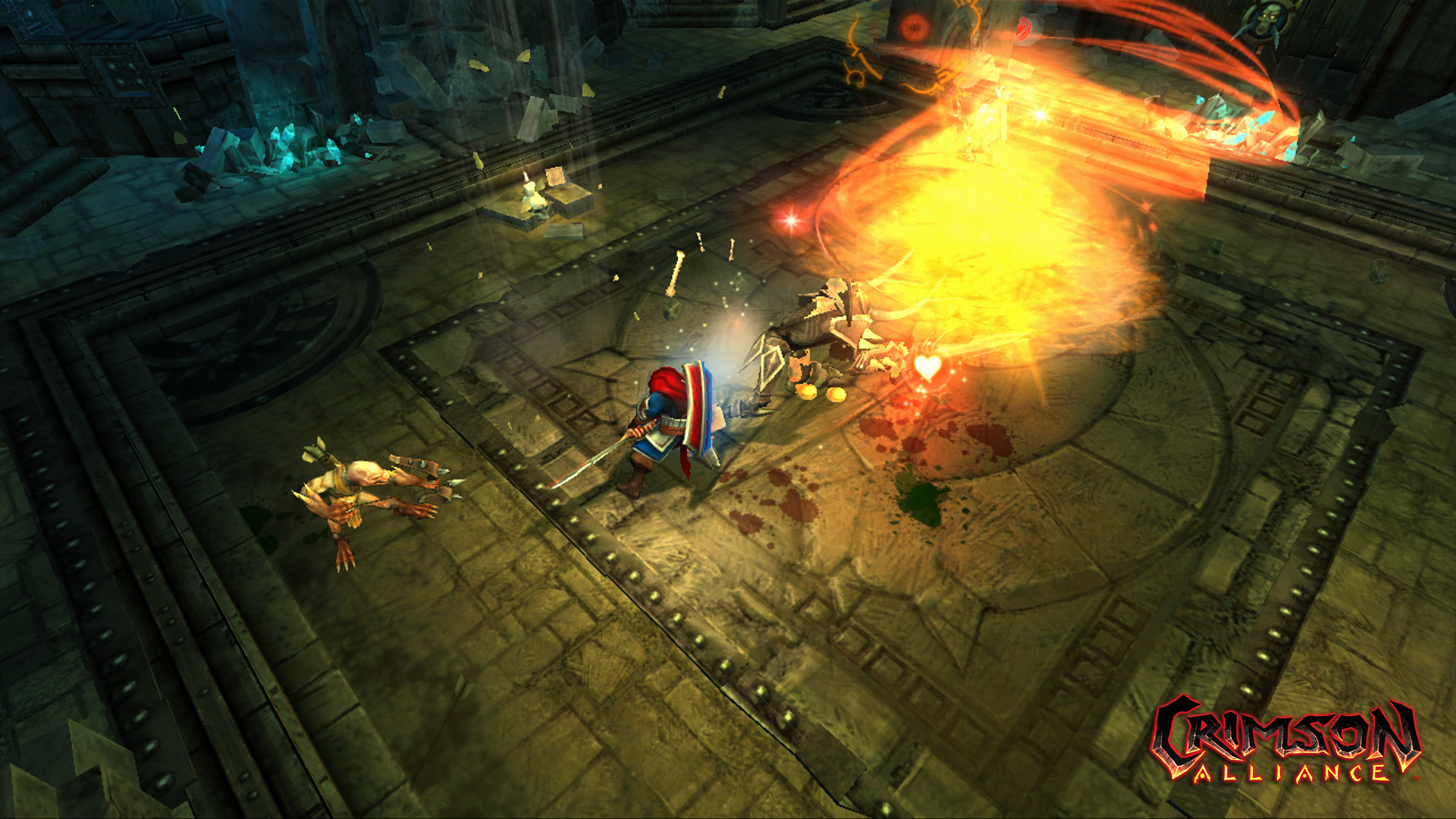
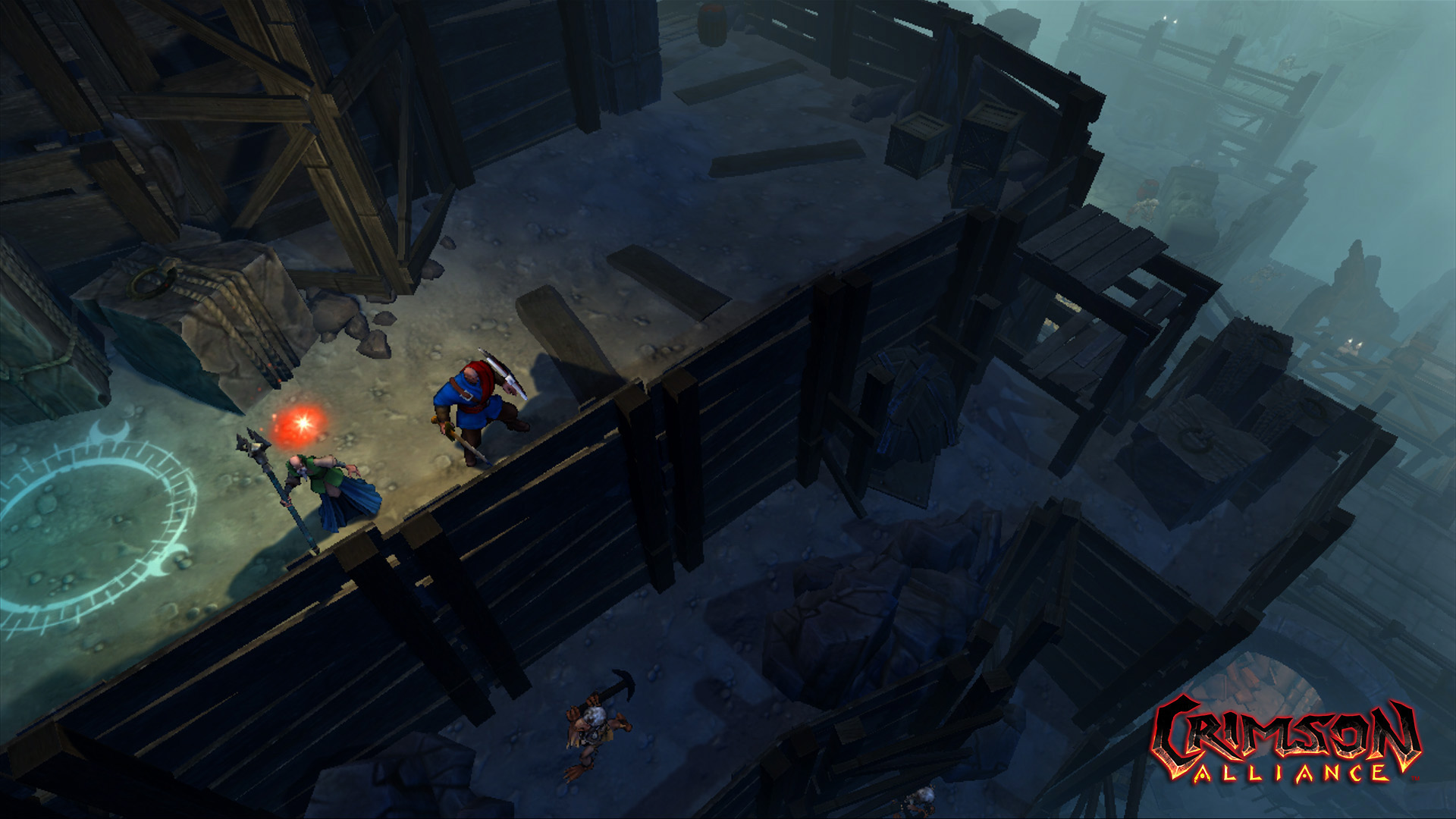
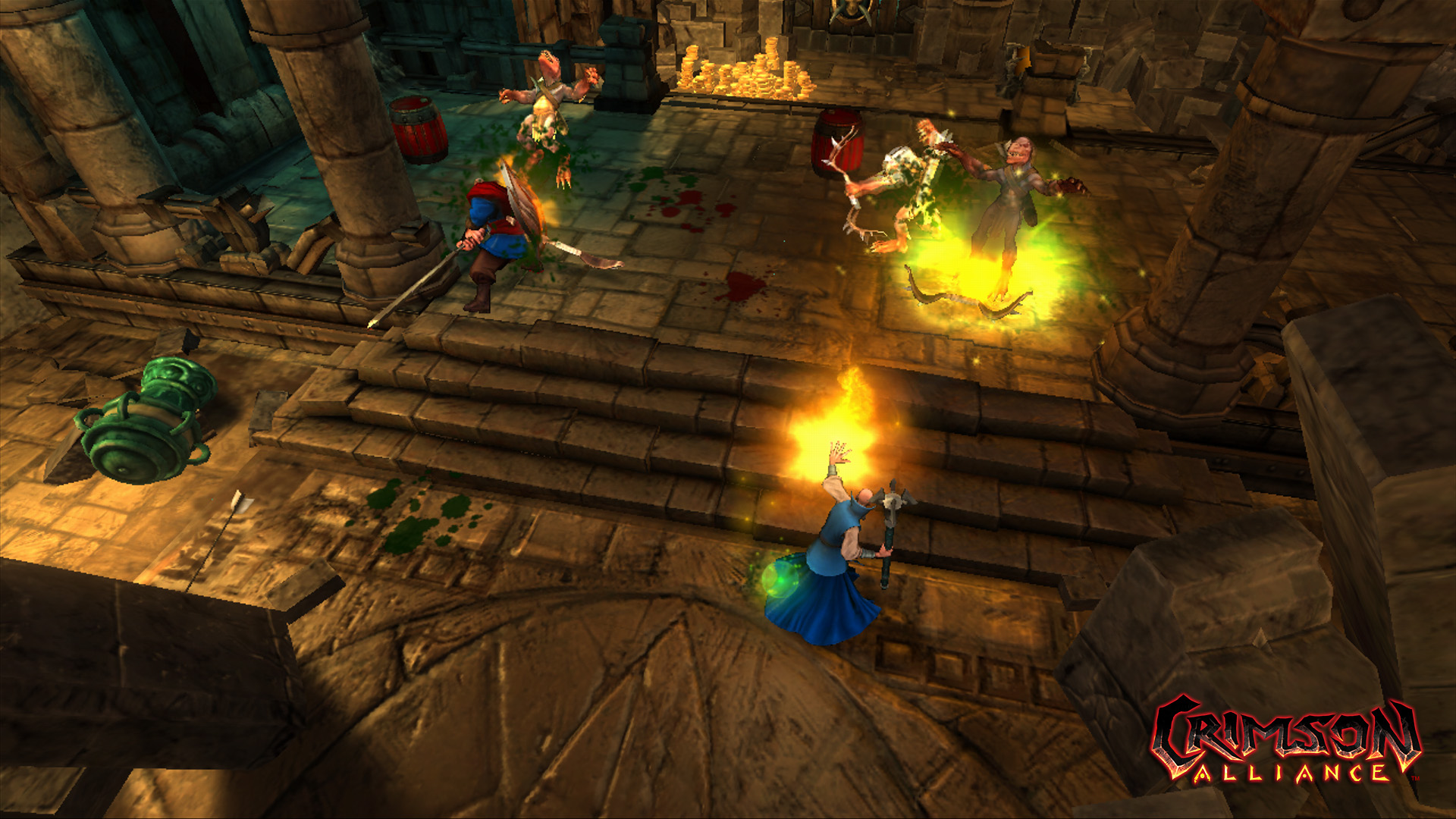
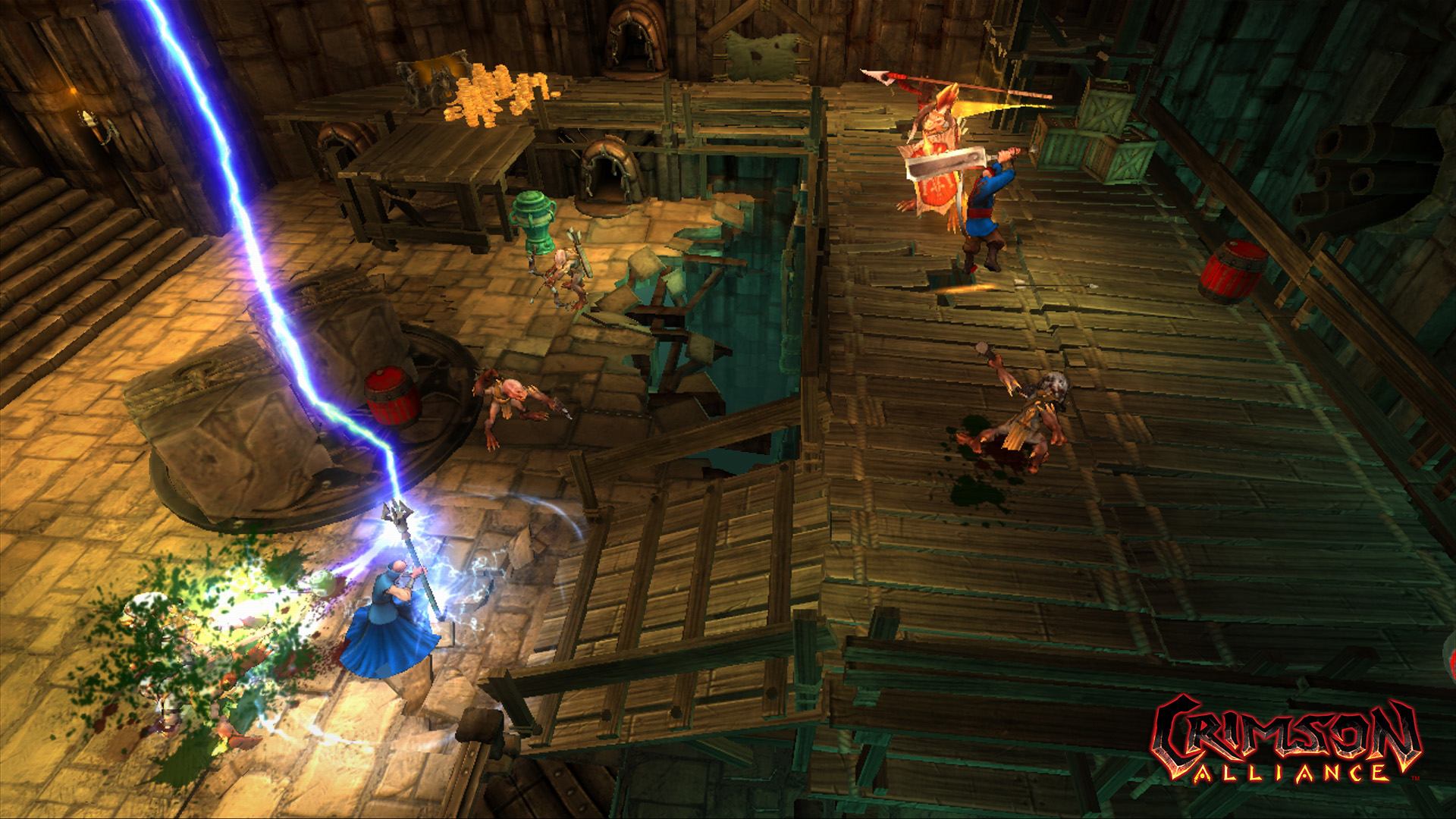
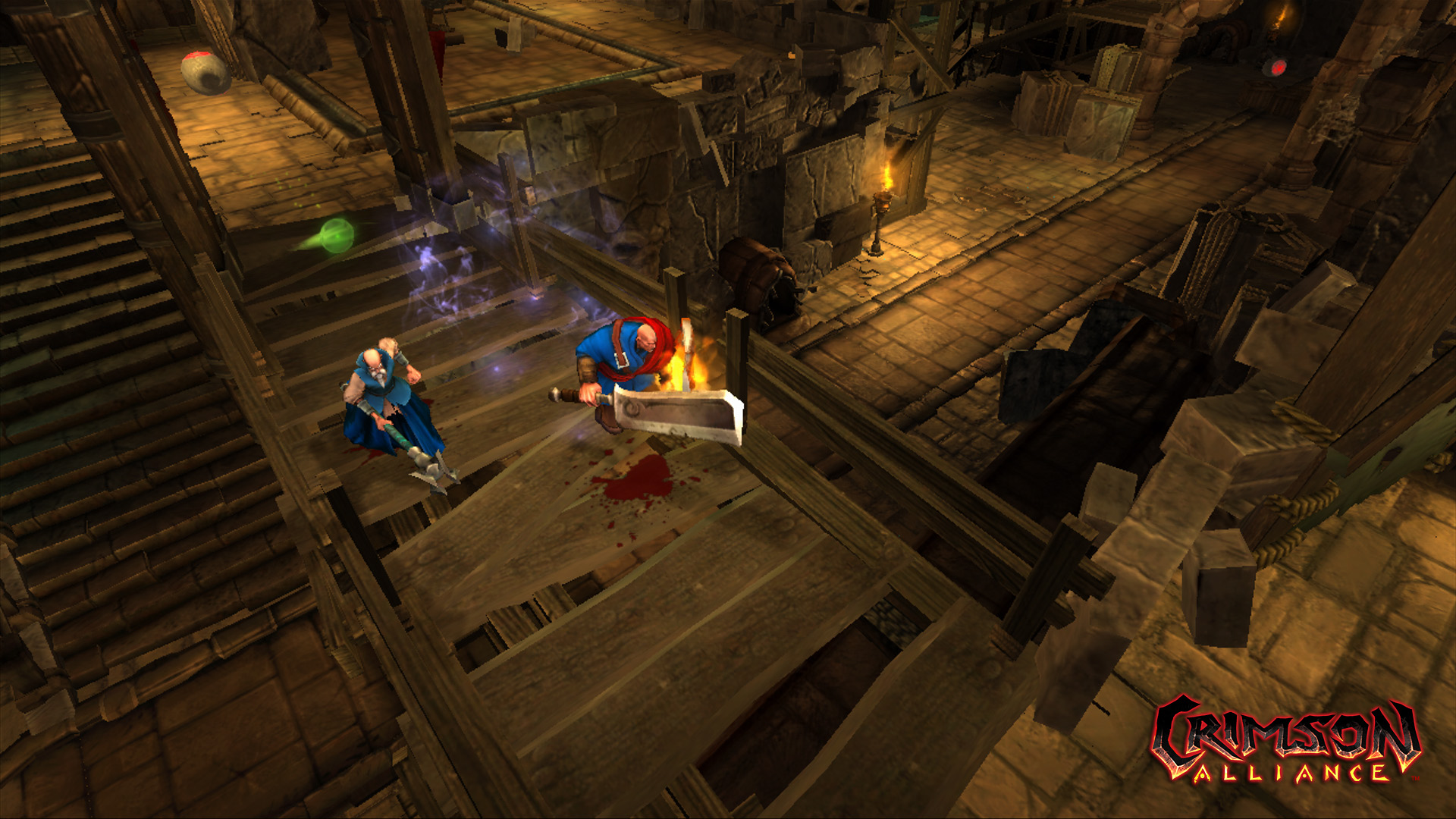
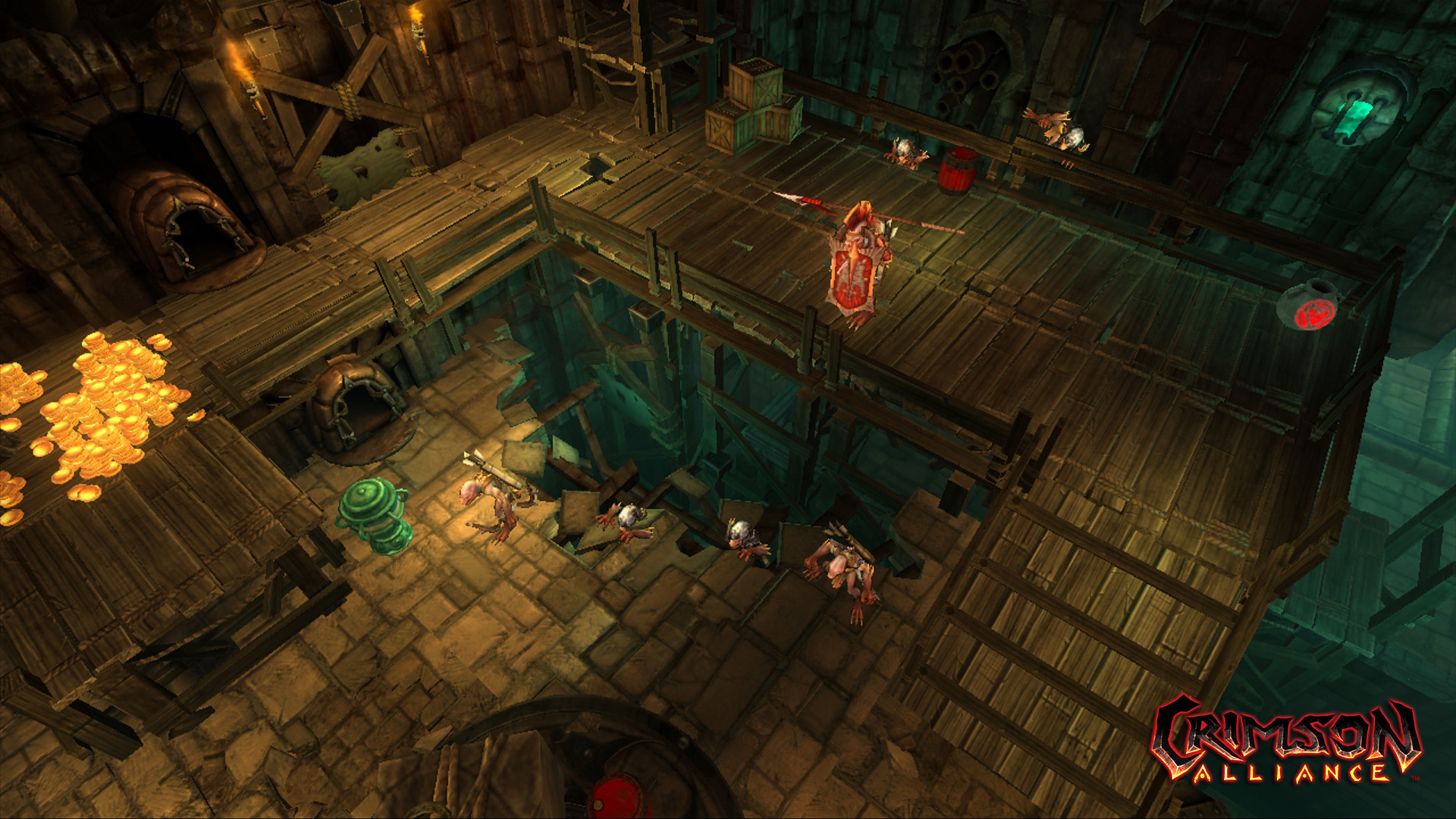
Certain Affinity has released some new screenshots for their upcoming XBLA action-RPG, Crimson Alliance. Crimson Alliance allows players to fight hordes of enemies in a Fantasy setting in up to three player co-op.
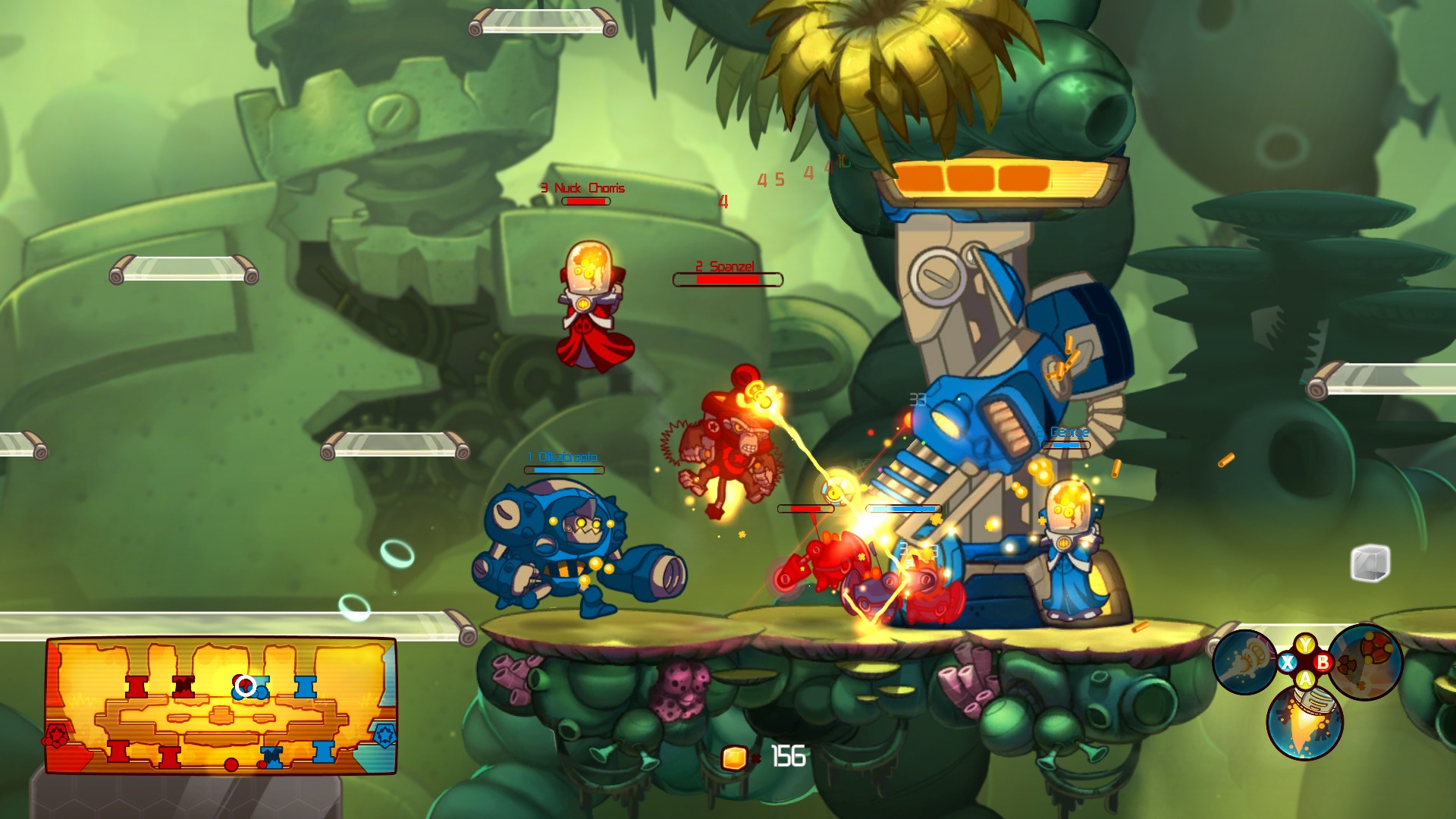
dtp and Ronimo Games have released a new character reveal trailer for their upcoming platformer, Awesomenauts, showing the “friendly neighborhood pimp” Froggy G.
The amphibious B.I.G., also known as Nate Frogg or Froggy G, comes straight out of the marsh pond ghetto’s of planet Ribit IV. Growing up in the baddest part of town, struggle and incarceration surrounded Froggy from an early age. Taking part in his first swim-by shoot out as a tadpole, Froggy seemed destined for a life of crime and prison. After a bloody gang war with the neighboring Toad-unit posse ended in a 5 year jail sentence, Froggy G vowed to end his gangsta ways. Instead, Froggy G started earning his keep as a beatboxing streetdancer and rapper, hoping to be picked up by a major record label.
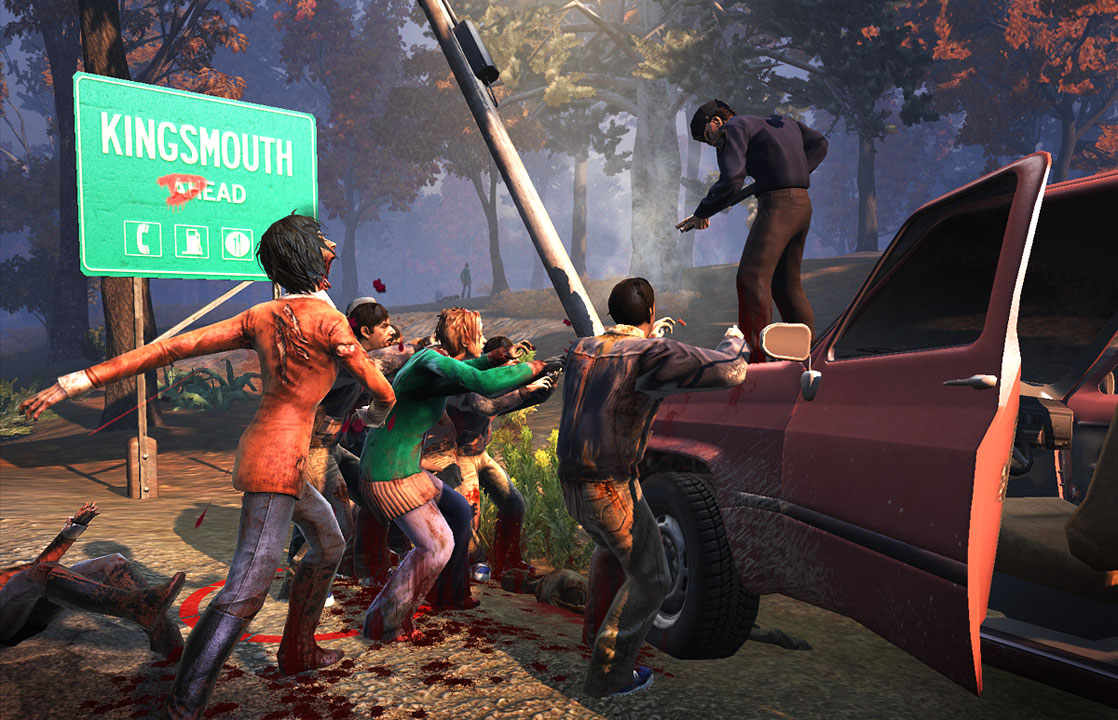
Funcom has unveiled a brand-new location trailer for their upcoming MMO, The Secret World. In this trailer, we get a look at the “Savage Coast” area, which is replete with monsters and mysteries for players to conquer. The Secret World promises to put players into a struggle between three opposing secret societies.
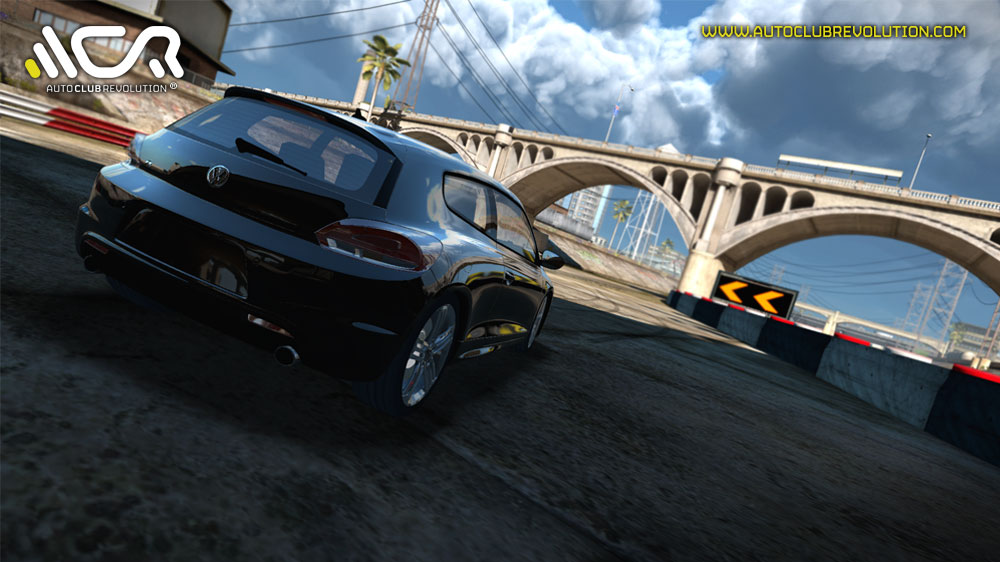
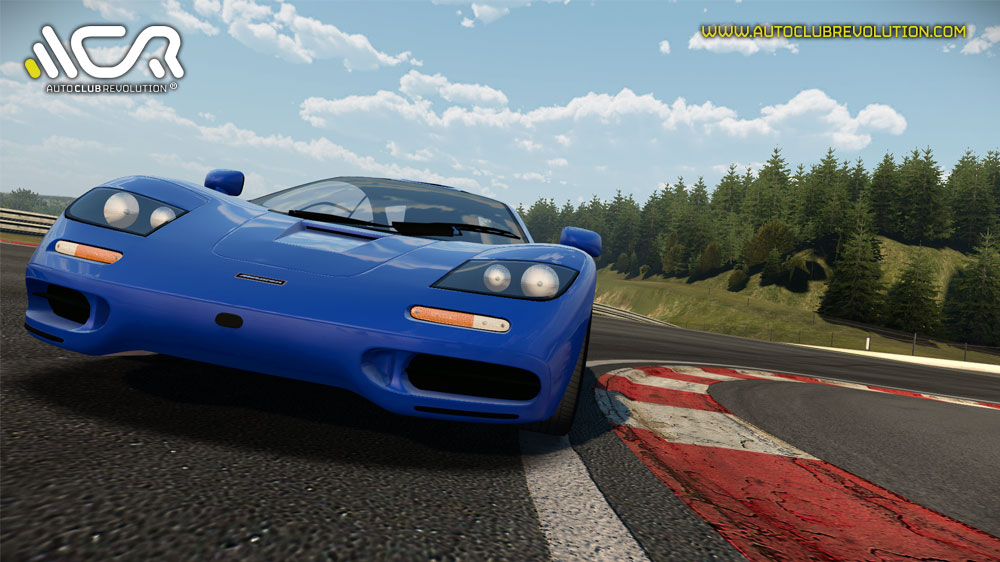
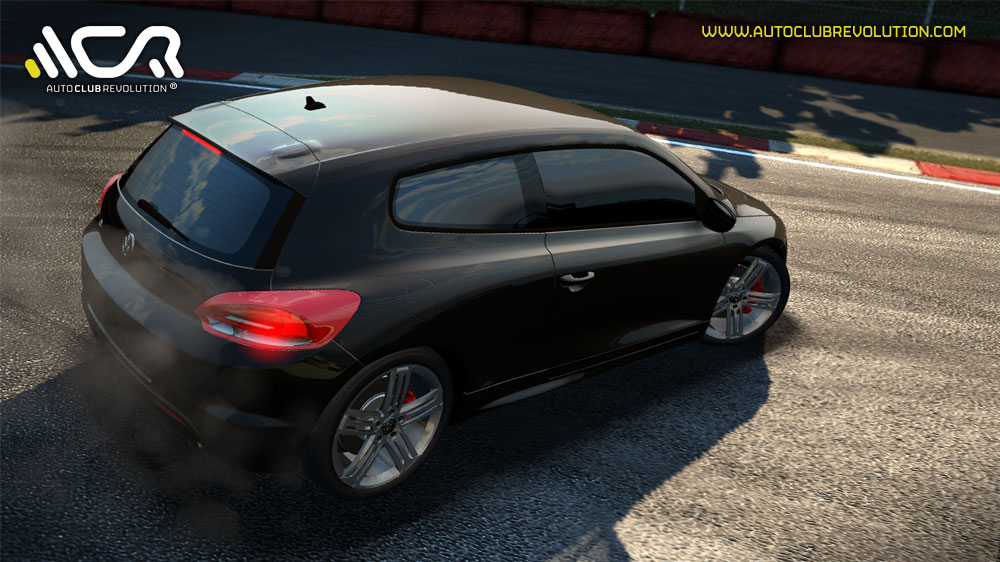
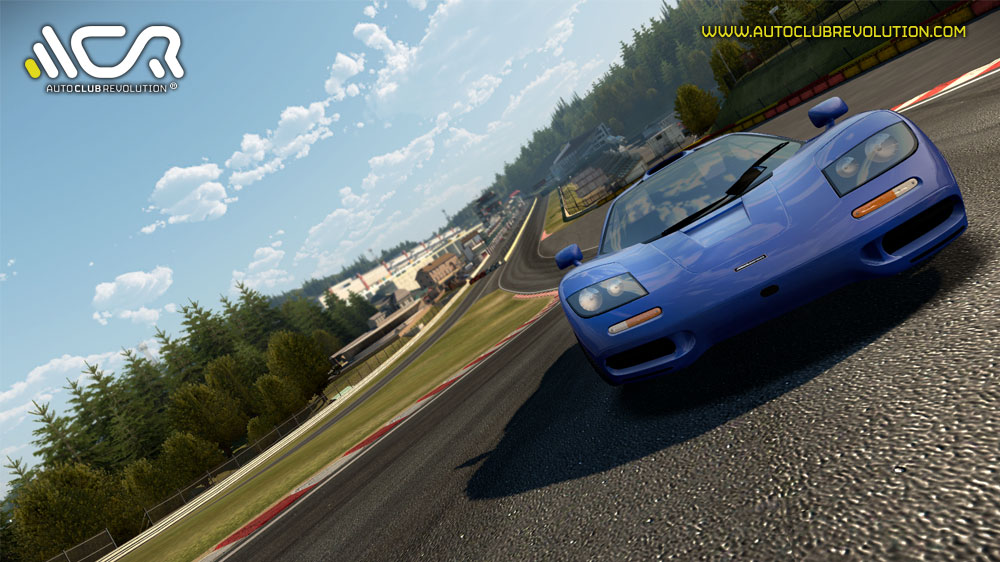
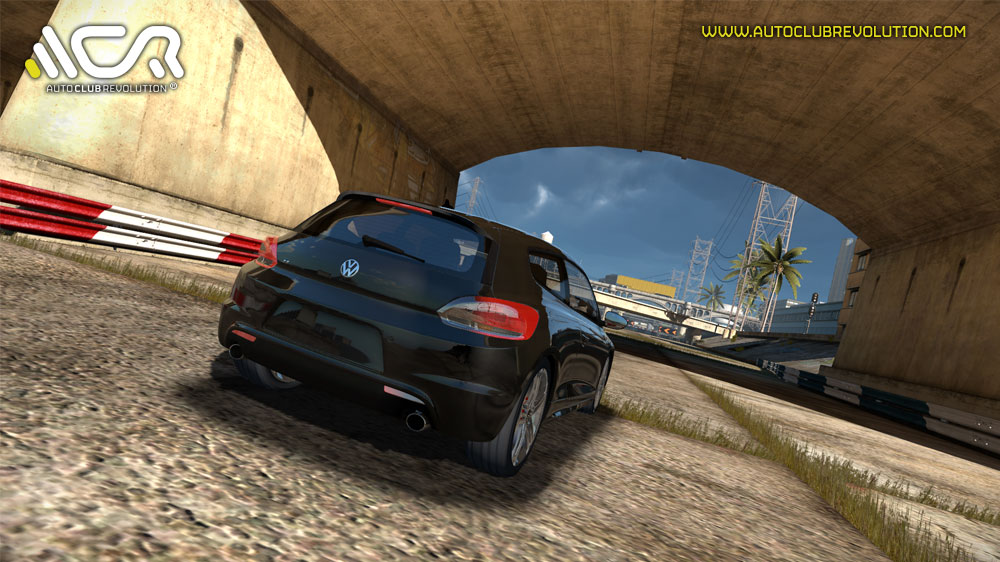
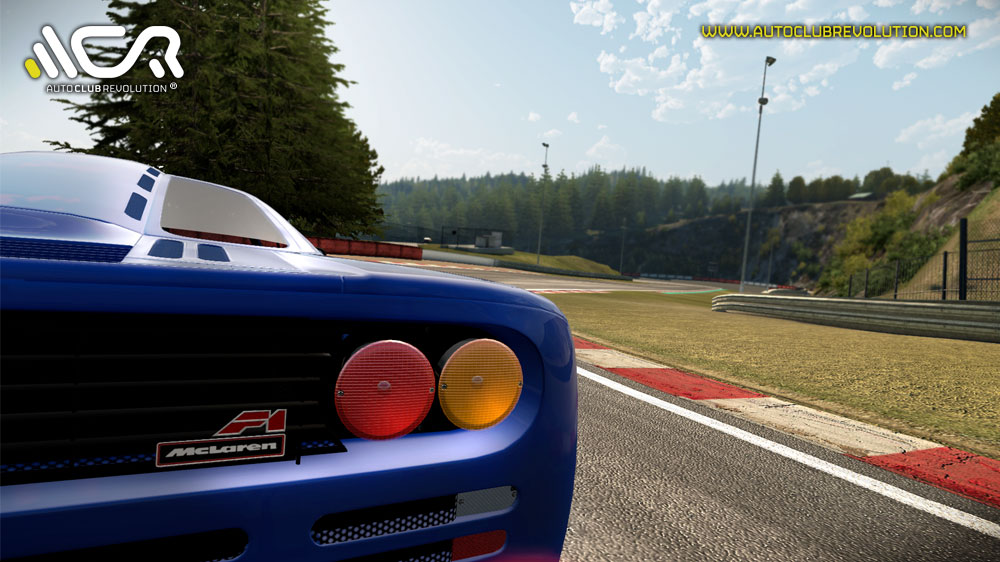
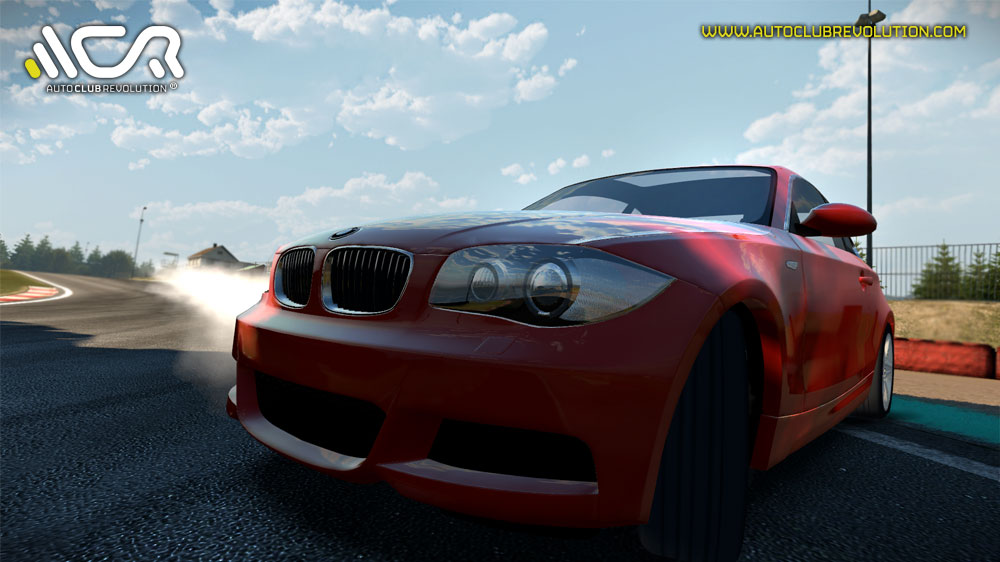
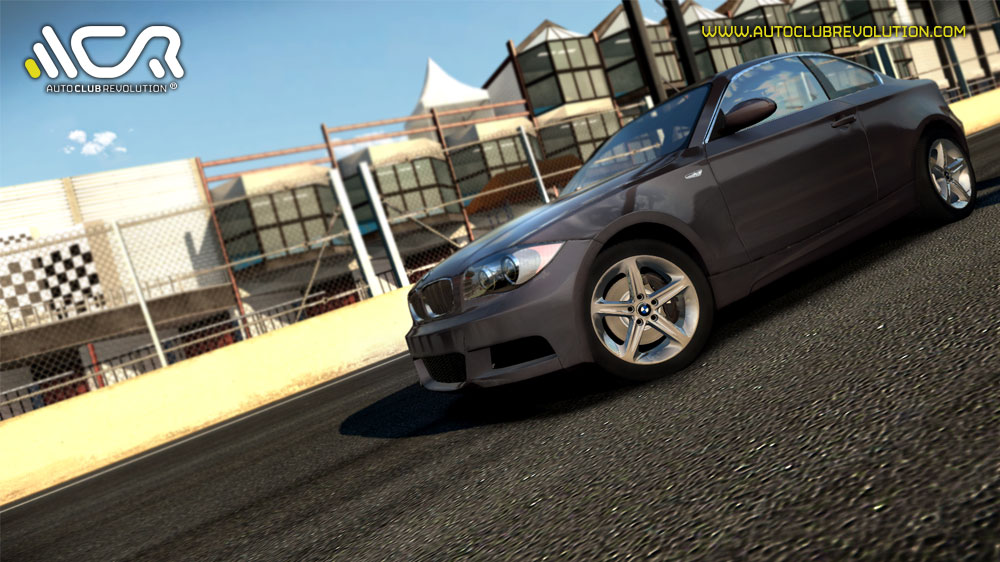
Eutechnyx has announced that the closed beta test for their upcoming Auto Club Revolution is set to begin later this month, and will allow players a chance to experience both single and multiplayer game modes.
Doug Wolff, executive producer said; “Anyone who has played a chart-topping console or retail PC racing game will be familiar with many of the features in Auto Club Revolution. Players will find an authentic racing experience in single player and multiplayer modes, drafting (slipstreaming), drifting, a fully-featured HUD, a suite of assists and much more. The surprise is that we have all of this wrapped up in a free-to-play game.”
Head on over to the game’s official website to sign up for the chance to participate in the beta test.