There is something undeniably creepy about a ghost ship drifting across dark waters. If you love classic horror movies like Ghost Ship or Deep Rising, you know that feeling of deep isolation. You are stuck on a giant rust bucket in the middle of nowhere, surrounded by pitch-black water, with nowhere to run. That exact brand of creepy maritime dread is what South Korean developer Influsion Inc. aims for in their debut first-person survival horror title, SENARA: The Sacrament.
Released on Steam for $17.99, this indie project drops you right into a nightmare on the high seas. You wake up with no memory inside the cold, damp cargo hold of a 6,000-ton passenger ship named the Senara. The crew is gone, blood stains the walls, and a fanatical cult is performing dark rituals on every deck. Your main contact is a wounded captain speaking through a crackling radio. He tells you to reach the lower decks, turn on a distress beacon, and maybe grab some gold along the way. Simple enough, right? Well, escaping a ship full of fanatics is never a walk in the park.
Real Ships, Real Claustrophobia
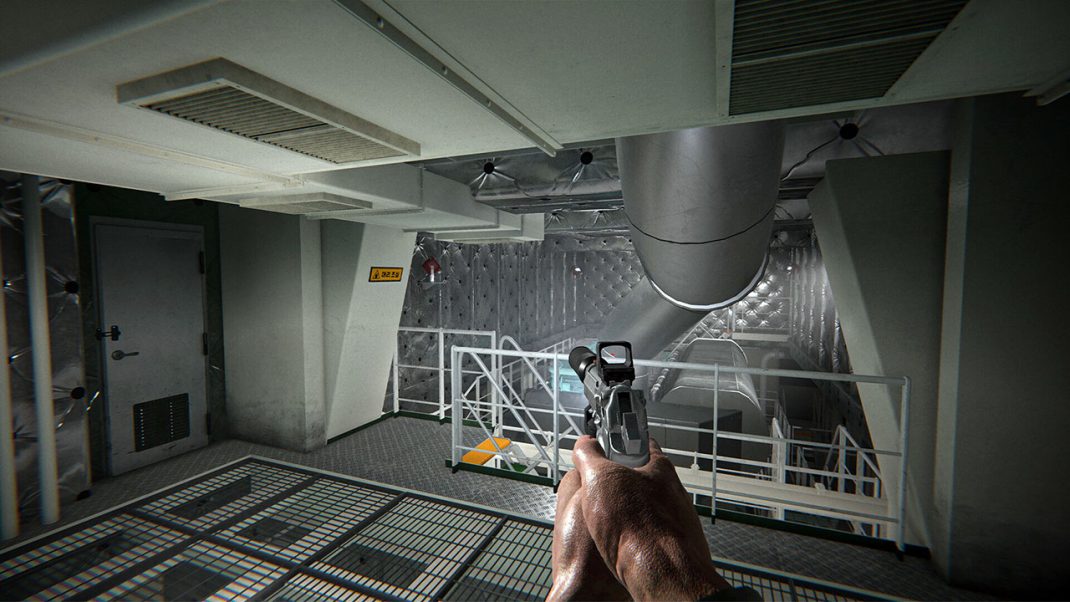
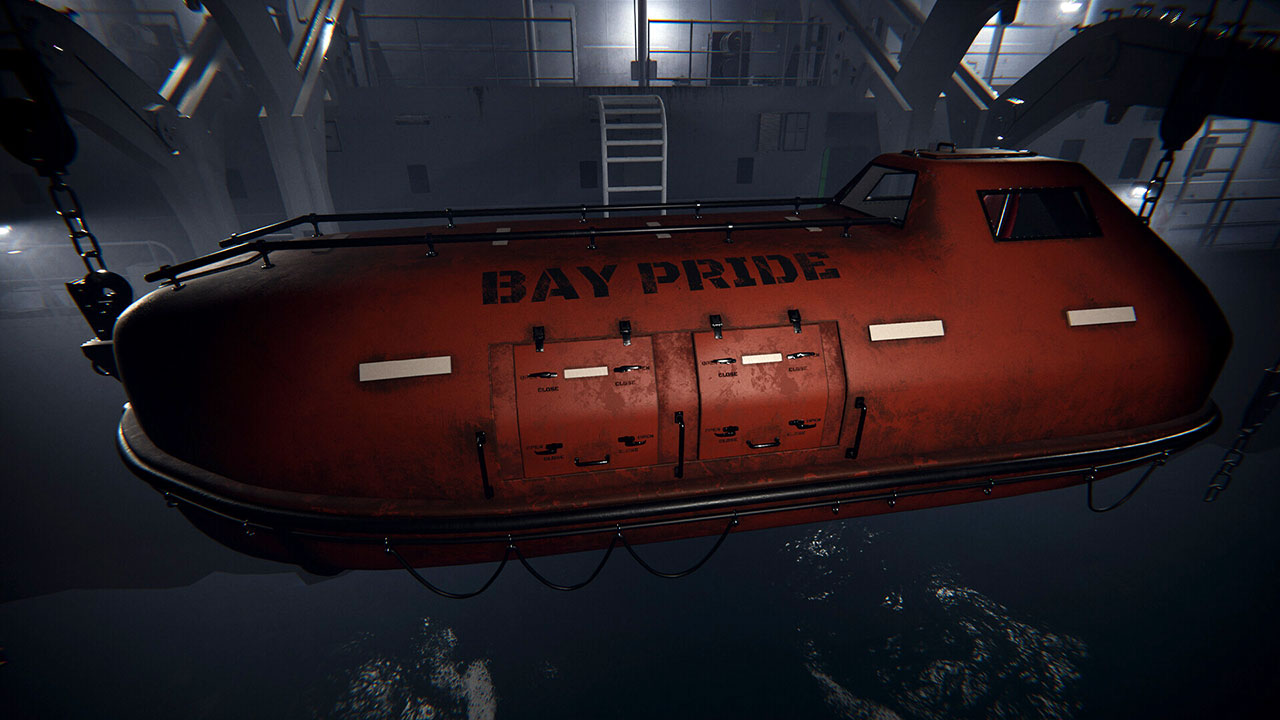
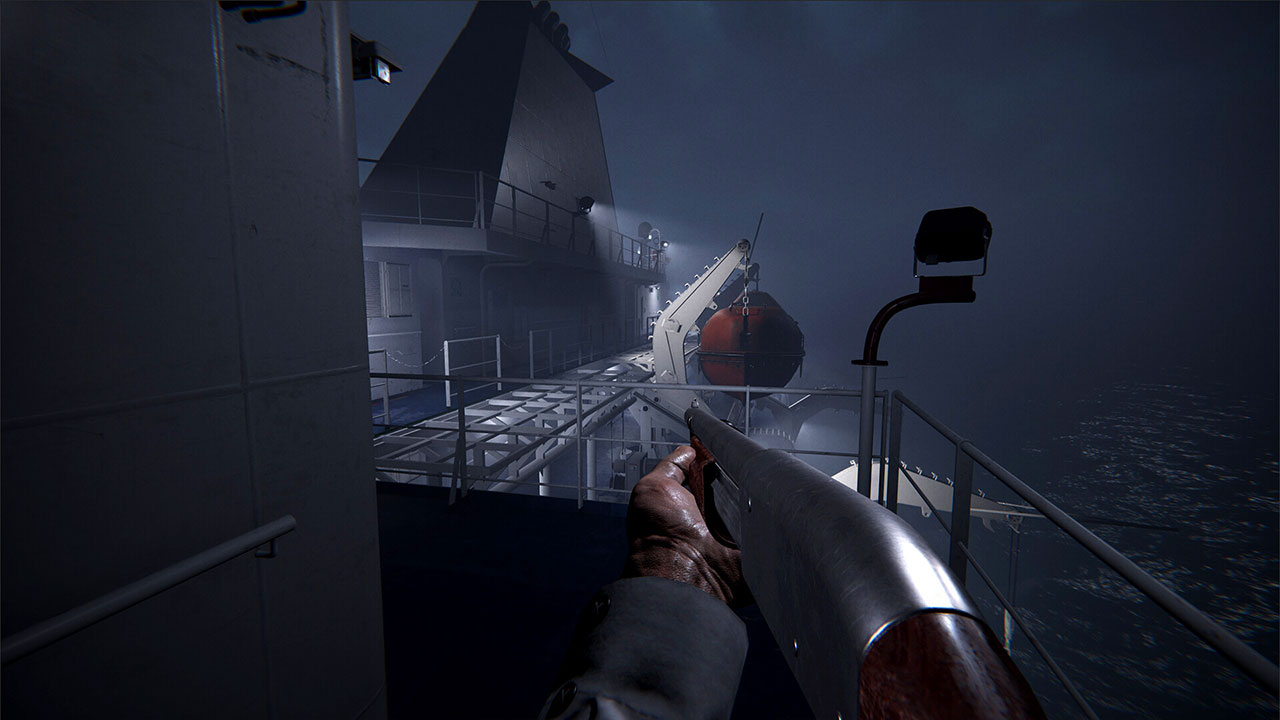
Honestly, the ship itself is the true hero of this entire experience. Rather than building generic video game corridors, the team at Influsion Inc. scanned an actual 6,000-ton vessel using LiDAR tech and photogrammetry. That real-world scale makes a massive difference in how the game feels. Service corridors feel uncomfortably narrow. Engine rooms feel heavy with industrial machinery. Cabins look like real people actually lived and worked inside them before chaos erupted.
The visual presentation leverages Unity’s high-definition rendering pipeline to create moody lighting and dynamic reflections. Flashlight beams fade into deep darkness just a few yards ahead of your eyes. Meanwhile, the sound design does heavy lifting. You hear metallic hull plates creaking against ocean waves, strange radio chatter, and eerie voices echoing down empty stairwells. Playing this game at night with a good headset is an easy way to get instant goosebumps.
Keys, Codes, and Phone Calls
Let me explain how the core gameplay loop works. The game relies heavily on late-90s survival horror mechanics. If you enjoy classic Resident Evil, Silent Hill, or Cold Fear, you will feel right at home. Progression feels like a big Metroidvania-style puzzle. You search rooms for keycards, decode locks, flip power switches, replace blown fuses, and open up sealed doors to reveal shortcuts.
The in-game map is remarkably user-friendly. It auto-marks areas in grey until you clear every item and puzzle clue, which saves you from aimless backtracking. Story elements are pieced together naturally through diary notes, occult items, and fully voiced Korean dialogue with English subtitles. I really enjoyed reading through the lore bits because the game avoids dumping everything on you at once. Plus, key decisions lead to multiple distinct endings, giving you a fun reason to revisit major choice points.
Saving your game brings a clever tactical twist. You save manually by using landline telephones scattered around the vessel. But here is the kicker: every time you place a call to save, nearby enemies respawn! The game does not give back your spent bullets or healing items either. Saving secures your progress, but it forces you to face repopulated hallways with fewer resources. That creates genuine tension every time you pick up the receiver.
Clunky Knives and Bullet Sponges
While exploration feels rewarding, combat encounters can get frustratingly rough around the edges. You start out with only a basic combat knife. Swings drain your stamina quickly, turning melee combat into a slow, clunky last resort. For the most part, you use the knife to smash breakable crates and toolboxes to gather supplies.
When you do pick up firearms, target practice isn’t always smooth. Human cultists take multiple headshots to drop, and later monstrosities act like total bullet sponges. If you get spotted in tight areas, stealth mechanics can feel unforgiving. One early-game cultist encounter frustrated plenty of players because getting caught leads straight to an instant-kill cutscene.
The game also introduces floating sanity anomalies. Stand near one, and your sanity meter drains fast, temporarily blocking weapon usage. Neutralizing an anomaly takes a single bullet, and your sanity meter recovers on its own after a couple of seconds anyway. Because recovery happens so quickly, the system ends up feeling like a minor distraction rather than a deep psychological hazard.
The Economic Problem
You know what surprised me the most about the mid-game design? The money system. As you explore cabins, you find South Korean Won cash scattered around. You can spend this cash at onboard vending machines to buy extra handgun ammo, health syringes, and hand grenades.
During the first two hours, resource scarcity creates amazing dread. You carefully count every single bullet. But once you start buying supplies from vending machines, that survival fear fades away. The experience transforms from a tense survival exercise into an action-heavy shooter.
That shift ruins some of the horror pacing. The second half relies heavily on a recurring, fish-like sea monster. To permanently kill it, you have to shoot it down and toss a grenade onto its body to burn it. The first time you handle this routine, it feels exciting. But after fighting the exact same creature several times in a row, the routine becomes tedious rather than scary.
Deck Compatibility
On the technical side, SENARA: The Sacrament runs smoothly on PC hardware. Handheld gamers will be happy to hear that it plays great on devices like the Steam Deck and ROG Ally series. Enabling AMD FidelityFX Super Resolution (FSR) keeps frame rates rock solid while preserving the moody visual aesthetic. Controls can be fully remapped, and managing inventory items on a game controller feels natural enough after a brief learning period.
At five to six hours long, the campaign fits nicely into a weekend play session. Considering its budget price tag of $17.99, it offers plenty of entertainment for horror fans looking for something fresh before Halloween season rolls around.
Overall Rating 4 out of 5
The Final Verdict
When all is said and done, SENARA: The Sacrament is a solid, highly atmospheric indie effort. While clunky combat, bullet-sponge enemies, and a resource-heavy second half keep it from reaching legendary status, its amazing ship setting and classic exploration loops make it well worth your time. If you love nautical horror and creepy cult mysteries, turn off the lights, plug in your headphones, and step aboard.