If you have been hunting for a high-end, compact camera in the United States lately, you have likely felt like tearing your hair out. Ever since the federal government placed DJI on its restricted Covered List, getting their gear at normal retail prices has been a nightmare. Scalpers have been asking wild prices (sometimes close to double the original cost) on gray markets. It’s absolute madness, isn’t it?
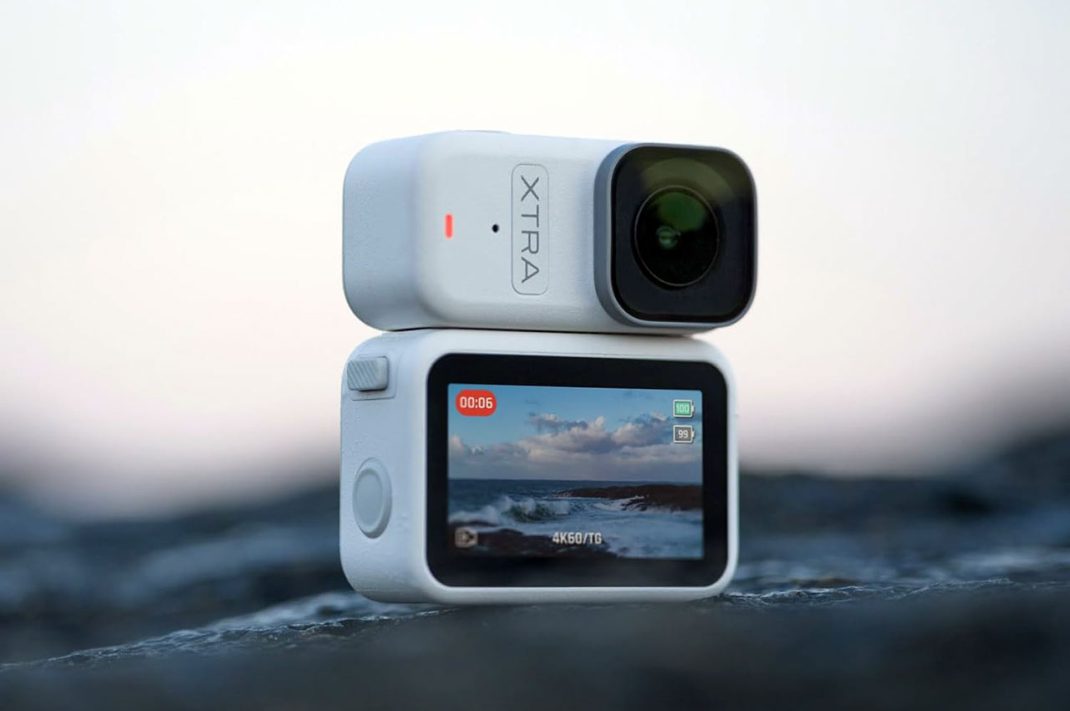
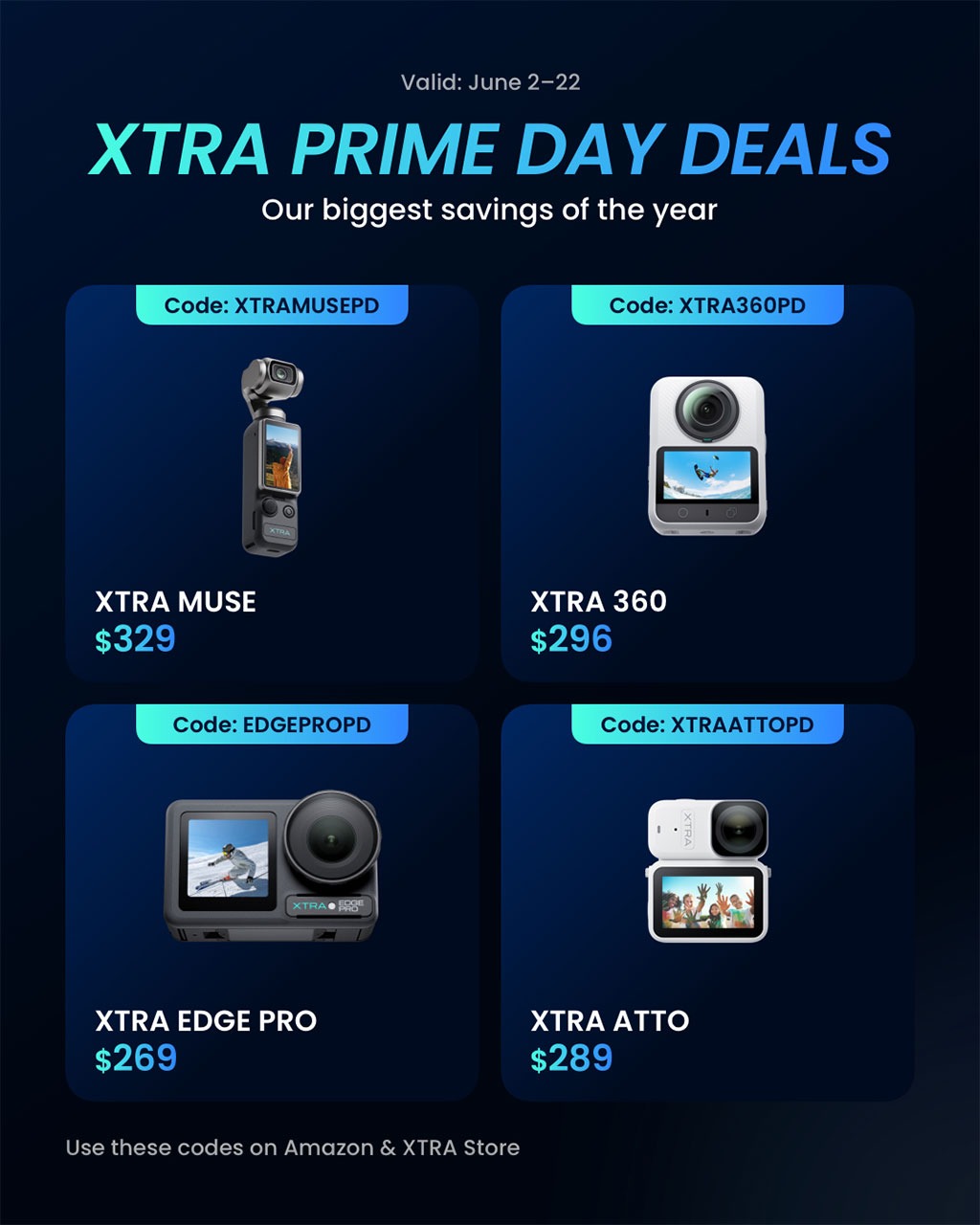
But you know what? A quiet company called Xtra Technology registered in Delaware appeared and seemed saved the day for us consumers. They dropped a tiny, feathery camera called the Atto for a highly appealing price of $299. Under the hood, this isn’t some cheap knockoff. Teardowns and software sleuths have shown it’s a carbon copy of the DJI Osmo Nano. By putting a new name on the box, they managed to give American creators a massive discount on top-tier tech – and I love it!
Hands-Free
When you pull the Xtra Atto out of the box, the first thing you notice is how light it feels. Weighing exactly 54 g, it’s about the same weight as a single standard egg. You can literally clip it to your cap brim or stick it to your shirt, and you’ll completely forget it’s there after a minute. Phones are great for planned clips, but mounting a bulky phone on your chest or forehead is a heavy, awkward mess. The Atto fixes this friction completely.
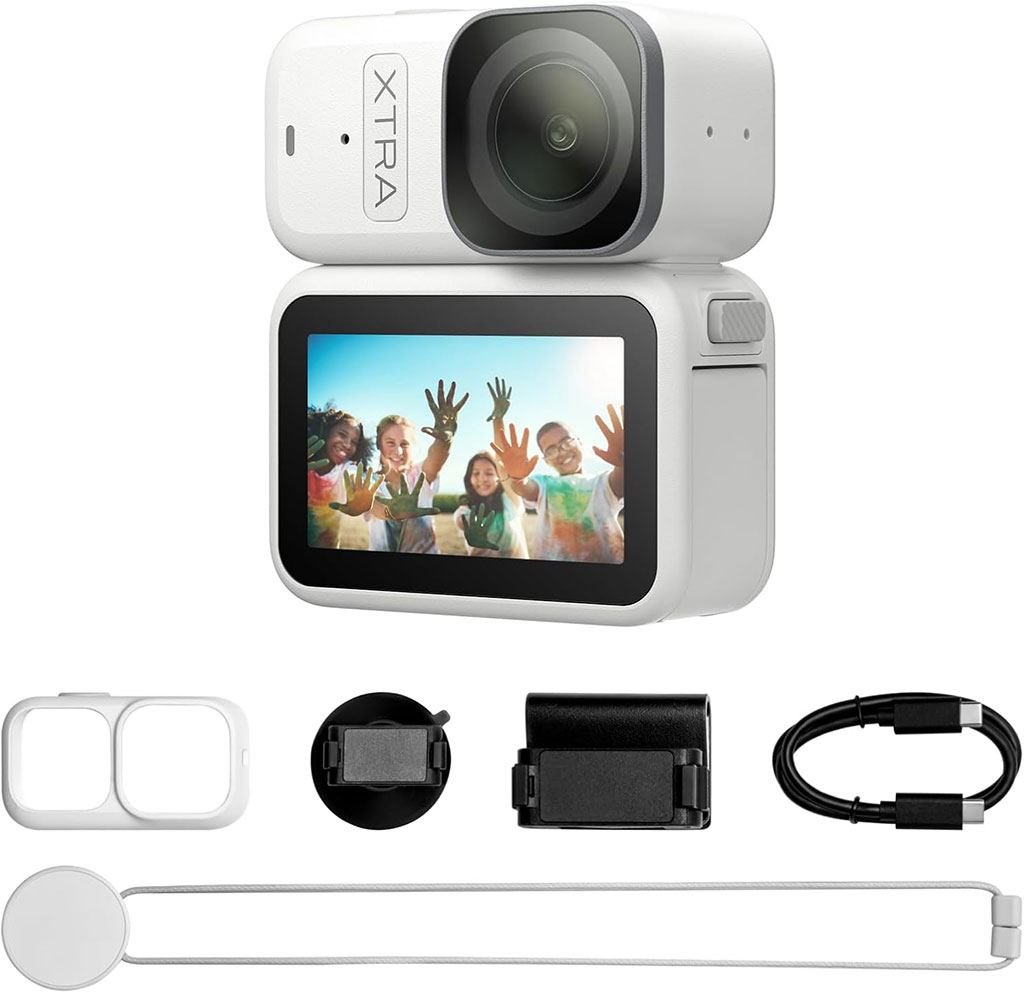
With powerful magnets on either side of its tiny body, you can snap it onto helmets, car door panels, or bike handlebars in a split second. It comes bundled with a magnetic lanyard and a handy hat clip, so you don’t even have to buy extra accessories before your first shoot. Want a quick first-person view of a cooking tutorial or an afternoon bike ride? Just snap it on and go.
Flagship Sensors in a Tiny Case
Usually, when a camera gets this small, the image quality goes down the drain. You get tiny, cheap sensors that turn indoor or evening footage into a grainy, muddy mess. But here is the major surprise: the Atto uses a massive 1/1.3-inch CMOS sensor. That’s the exact same class of sensor you find in flagship-tier action cameras that are three times its size and price.
This extra physical space lets the sensor gather significantly more light. Whether you are shooting in a dimly lit cafe or walking down a sunset trail, the colors remain wonderfully rich and the digital noise stays extremely low. It captures buttery-smooth 4K video at up to 60 frames per second with a wide 143° field of view. This massive view is a lifesaver for POV shots, giving you plenty of framing margin so your subject never falls out of the shot.
And let’s talk about stabilization. To keep your footage steady without a heavy mechanical gimbal, the Atto uses digital magic. Its MotionMaster tech smooths out the bumps when you’re running or riding. Meanwhile, TiltGuard acts as a real-time horizon leveler, keeping your frame perfectly straight even when your head tilts or your body sways. It’s shockingly good.
Five-Minute Time Machine
Have you ever missed a perfect shot because you were fumbling with your camera? Maybe your dog did something hilarious, or a sudden wave crashed over the boat, and by the time you pressed record, the moment was gone.
Let me explain the coolest feature on this little machine: the 5-minute pre-recording buffer. When you activate it, the camera continuously caches video in a rolling temporary loop without saving it to your card. The second you hit the physical shutter button, the Atto retroactively saves the previous five minutes of footage and glues it to the start of your current clip. It’s basically a time machine for creators. It saves you from recording hours of blank footage just waiting for something to happen, keeping your storage clean and your battery happy.
Double Life, Double Battery
On its own, the tiny Atto camera body gives you about 90 minutes of juice, which is respectable for its feather-light weight. But the real magic happens when you clip it into the Multifunctional Vision Dock. This little block houses a 1.96-inch OLED touchscreen and a larger secondary battery. When you dock the camera, your total recording time jumps to a massive 220 minutes. It also acts as a fast charger, bringing the camera battery back to life in about 40 minutes.
But here is a quick contradiction you need to know. The camera body itself features native waterproofing up to 10 meters without a bulky case. That’s perfect for snorkeling or rainstorms. However, the second you connect it to the Vision Dock, the overall system drops to an IPX4 splash-resistance rating. So don’t go jumping into a pool with the dock attached, or you’ll be looking at a very expensive paperweight.
Our latest VLOG filmed with the Muse and Atto
Atto vs. the Competition
If you look at the ultra-compact camera market, the Atto stands tall. Its closest competitor is the Insta360 GO 3S, which retails for around $319. While the GO 3S is incredibly light and features a neat flip-up screen on its pod, its tiny 1/2.3-inch sensor struggles heavily when the sun goes down. It also maxes out at 4K at 30 frames per second.
The Atto, at $299, actually saves you twenty bucks while giving you a massive sensor, double the standalone battery life, and fully fluid 4K/60fps recording. For creators who need high frame rates to create slow-motion edits in post-production, the Atto is simply a much stronger hardware platform. It brings true flagship image quality to a tiny form factor that fits in your watch pocket.
Sound Salvation and Gremlins
For the first few months, professional creators had one massive complaint about the Atto: no native wireless microphone support. If you wanted good audio, you had to plug a clunky USB-C receiver into the bottom, which blocked your charging port and ruined the whole compact vibe.
But honestly, everything changed with the February 2026 firmware update.
Xtra rolled out a major software fix that lets the camera pair directly with the DJI Mic Mini or DJI Mic 2 via Bluetooth. You just go into the settings, tap pair, and boom—your wireless mic is connected in twenty seconds, complete with live audio level meters right on the dock’s OLED screen. If you pair it with the DJI Mic 2, it even supports full 32-bit float audio, giving you a perfect acoustic safety net against clipping.
However, the software experience isn’t all sunshine. The companion “Xtra Tech” mobile app is a hefty download that feels like it needs a lot more polish. If you try to edit on an iPad with a physical keyboard connected, prepare for some frustration. The app is locked strictly in portrait mode during editing, meaning you have to tilt your head sideways to see what you are doing.
We also ran into a couple of physical bugs. There is a noticeable phantom battery drain when the camera is fully turned off. Xtra support says this happens because the camera stays in a low-power standby state to support instant gesture triggers, but losing battery overnight is still annoying. Also, when you have a wireless mic paired and you disconnect the camera from the dock, the live image feed on the dock screen goes completely blank, forcing you to use your phone for previews.
Should You Buy It?
Purely on a hardware level, the XTRA Atto is a masterclass in miniature engineering. By wrapping legendary DJI imaging specs into an affordable, $299 US-supported package, they have created the ultimate hands-free POV tool.
Yes, the companion app has some annoying bugs, and the standby battery drain is a bit frustrating. But if you want stabilized, high-end 4K video that fits on the brim of your hat, the Atto is a phenomenal deal that punches far above its weight. It lets you stay present in the moment while capturing gorgeous, spontaneous footage that heavier setups would miss entirely.
Overall Rating 4 out of 5
Pros
- Extremely lightweight
- Large image sensor
- Smooth 4K at 60fps video
- Cinematic horizon-leveling
- Brilliant 5-minute pre-recording buffer
- Native 10-meter bare-metal waterproofing
- Direct pairing with DJI microphones
Cons
- Unpolished, buggy companion application
- Dock screen blank with wireless mic