
Square Enix and Eidos Montreal have released a new trailer for their upcoming action-RPG, Deus Ex: Human Revolution, which talks about some of the game’s conspiracies.
Square Enix and Eidos Montreal have released a new trailer for their upcoming action-RPG, Deus Ex: Human Revolution, which talks about some of the game’s conspiracies.
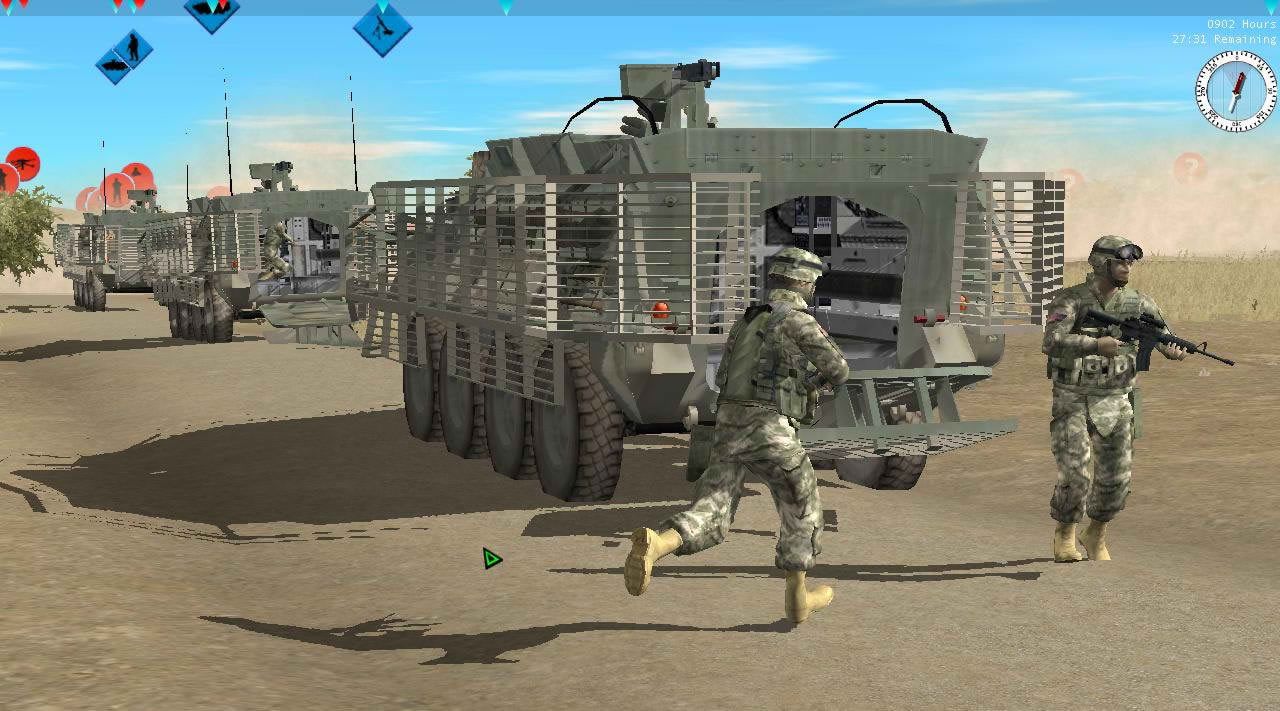
Battlefront has announced the release of patch 1.32 for their popular war game, Combat Mission Shock Force. The new patch features a number of enhancements, including…
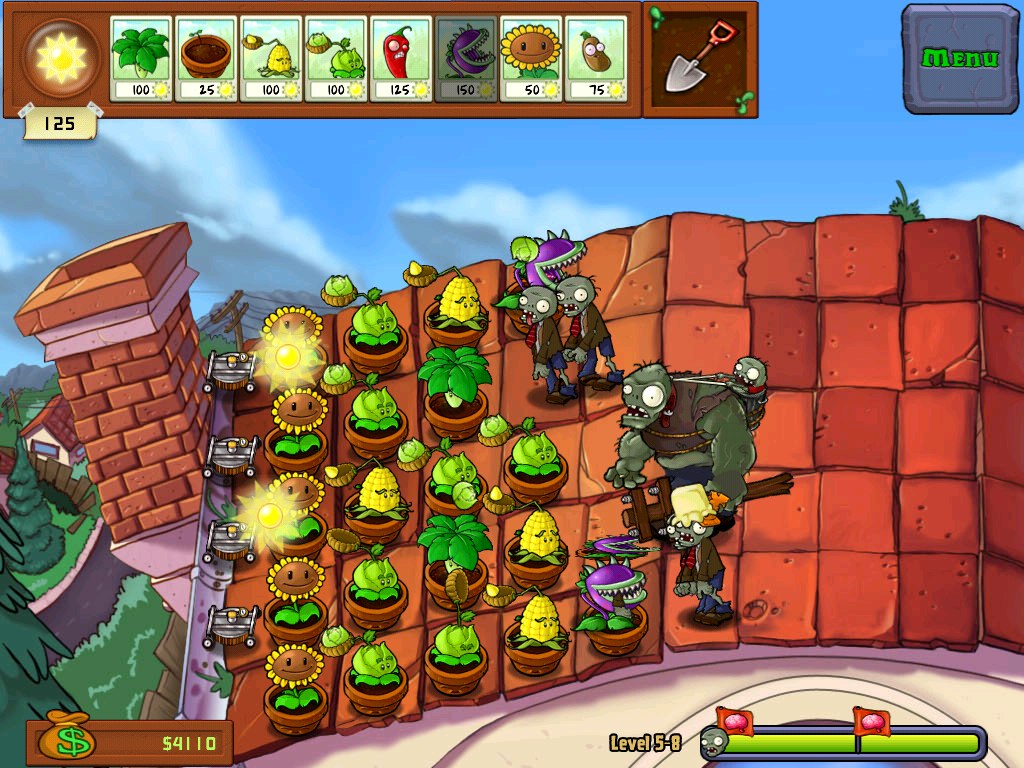
The big news story of the day: Electronic Arts has purchased casual game developer, PopCap Games, for upwards of over a Billion US Dollars, once all is said and done. The initial acquisition price is $650 million plus $100 million stock and a multi-year earn-out. PopCap Games is the maker of such hits as Plants vs. Zombies, Zuma, and Bejeweled. The acquisition is of benefit to both entities, as EA has not had nearly the success of PopCap in the mobile markets and PopCap hasn’t the success of EA in console markets. Win-Win, people!
EA CEO John Riccitiello said in a release: “PopCap’s great studio talent and powerful IP add to EA’s momentum and accelerate our drive towards a $1 billion digital business. EA’s global studio and publishing network will help PopCap rapidly expand their business to more digital devices, more countries, and more channels.”
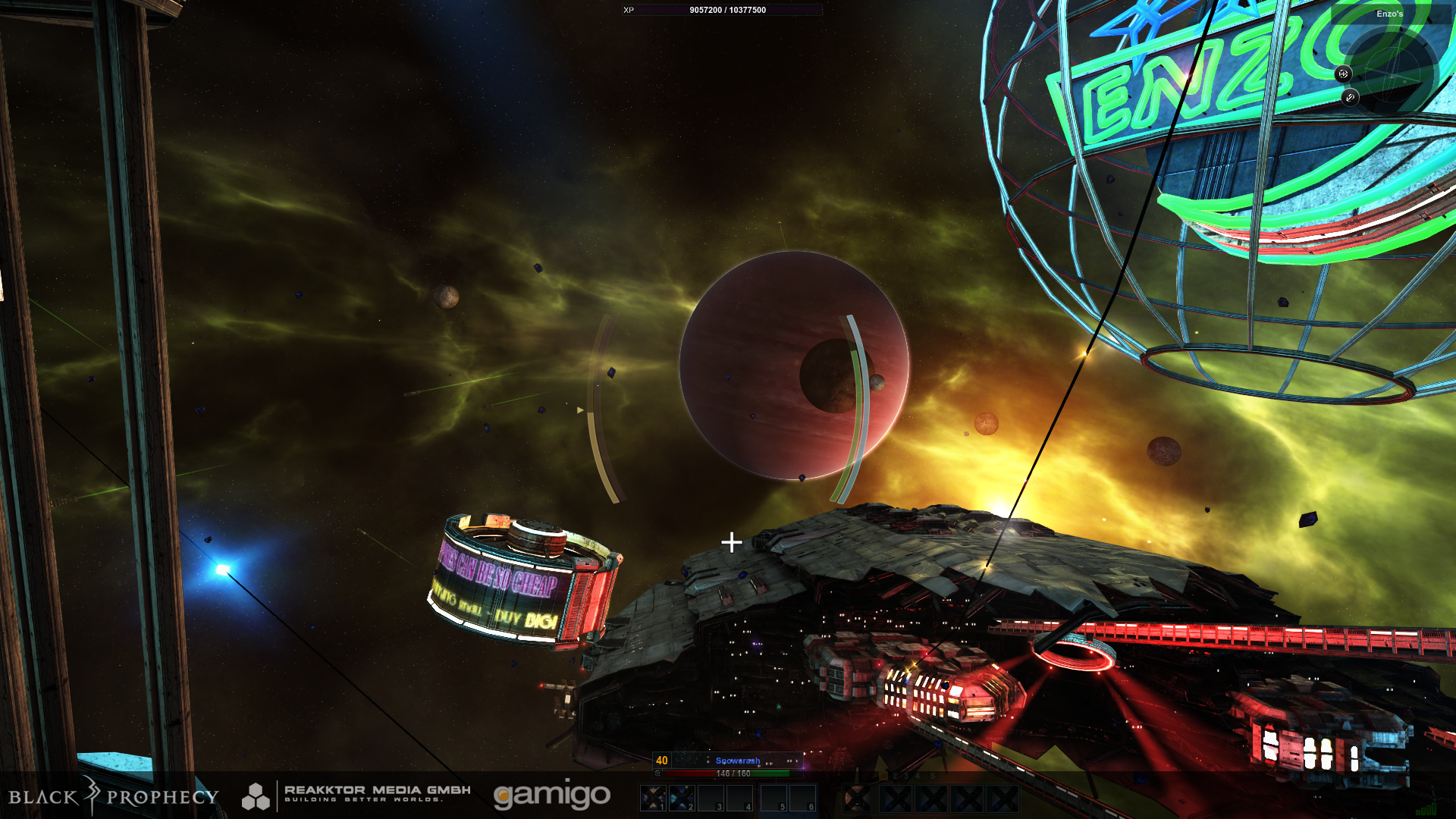
Reakktor Media and gamigo AG have released a new trailer as well as some screenshots for the new expansion pack for their space MMO, Black Prophecy. Episode 1: Inferno in Tulima is available now.


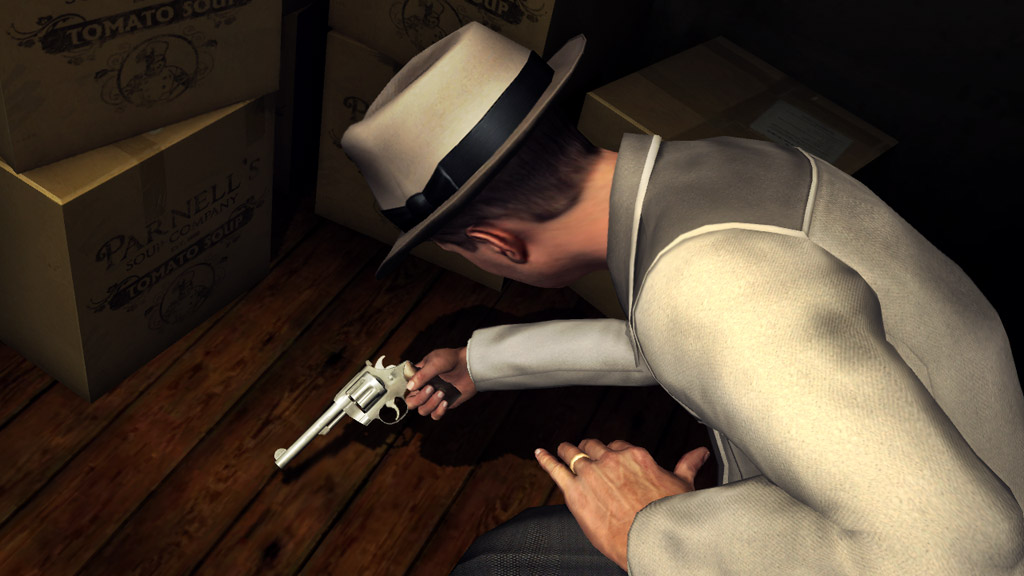
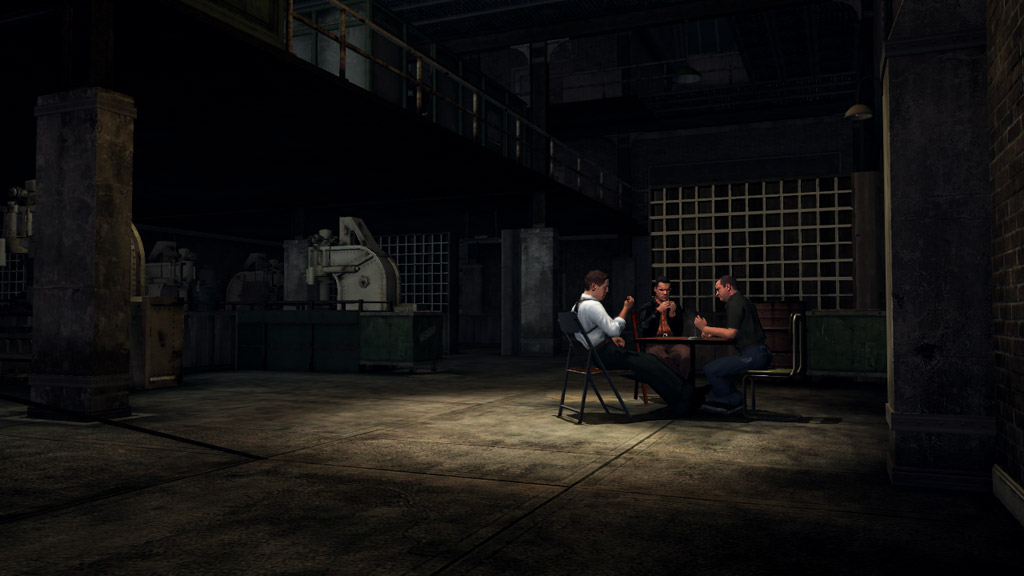
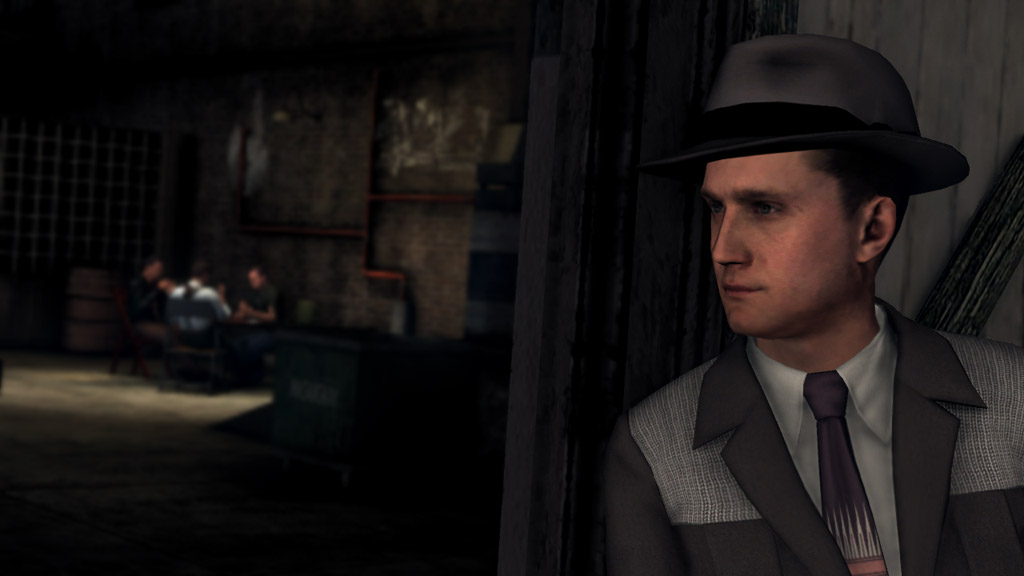
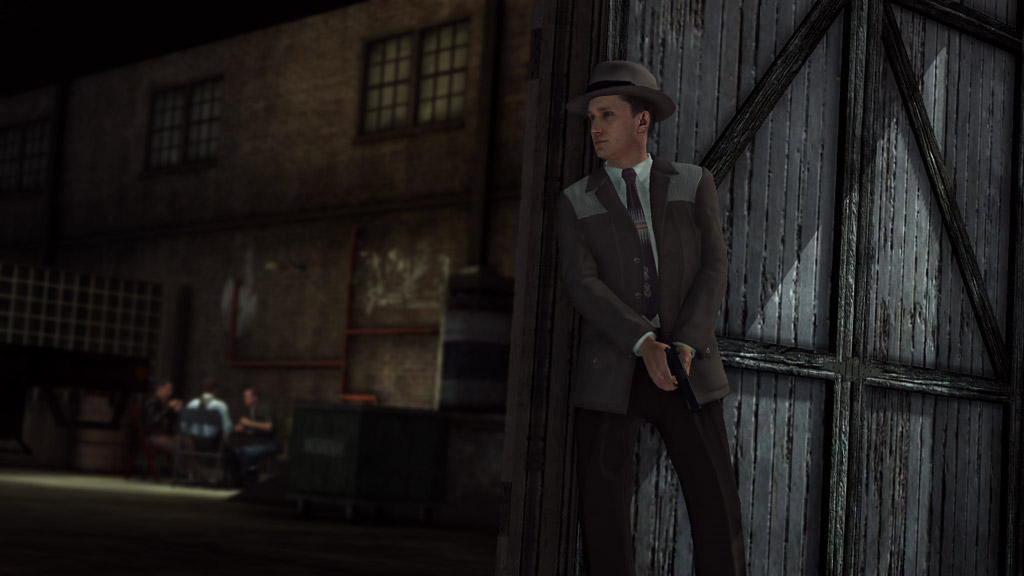
Along with the release of Rockstar Games latest DLC pack for L.A. Noire, titled “Reefer Madness”, the company has released some new screenshots from it as well. Reefer Madness retails for $3.99 (or 320 Microsoft Points) and is available now.







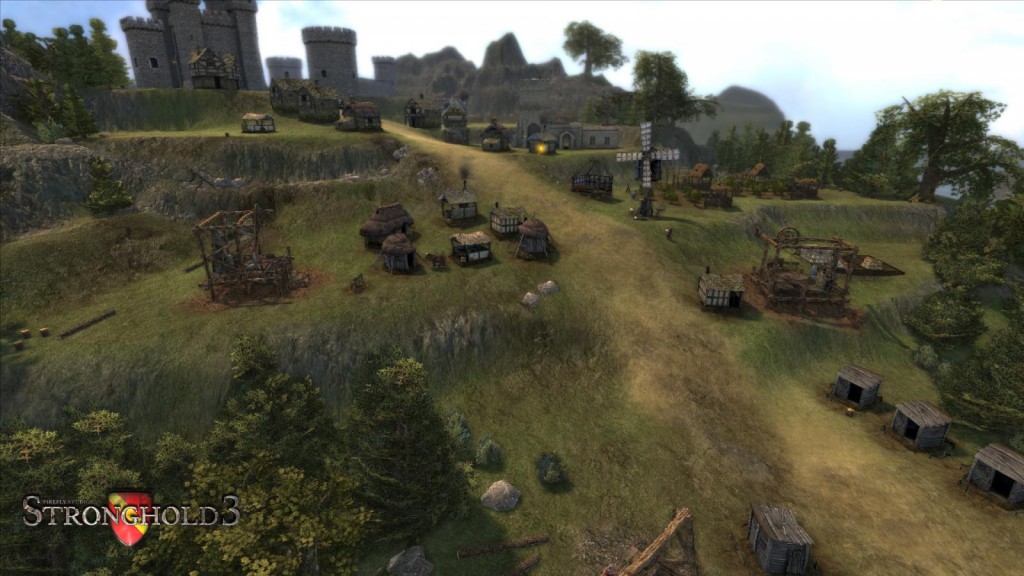
SouthPeak Interactive has announced the launch of a new publishing house – Texas-based 7sixty. The first title on the publisher’s plate? Firefly Studios upcoming castle strategy title, Stronghold 3. Additionally, they released a new gameplay trailer for the game, which is due out this fall.
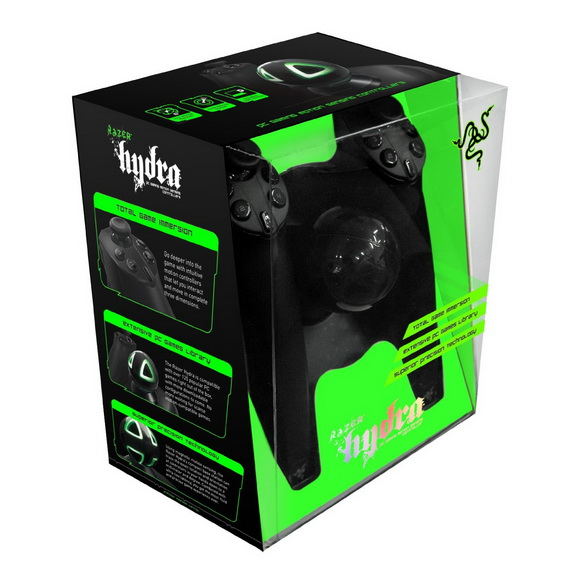
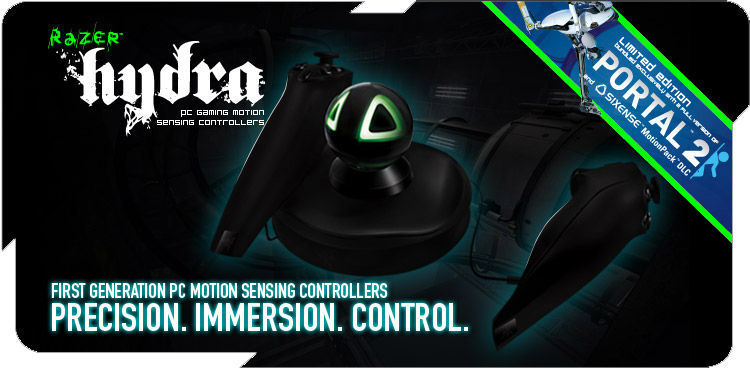
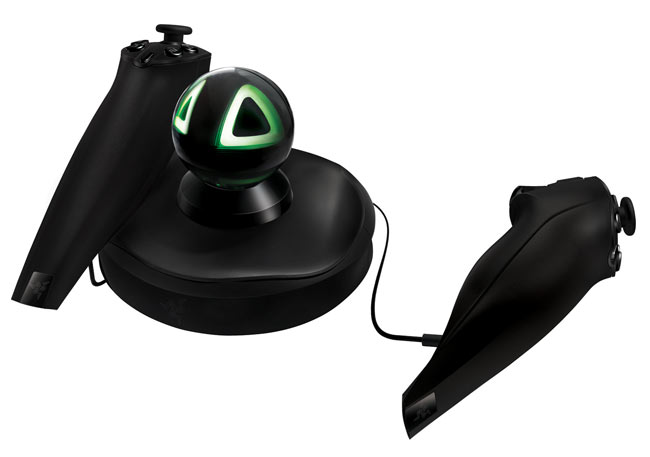
Recently, Razer sent us over one of their highly-anticipated “Hydra” PC motion controller peripherals. If you don’t know about the Hydra yet, you can think of it as a Nintendo Wii-like control system for PC games. Although, to be fair, this is not a Wiimote clone. The Hydra works, unlike the Wiimote, via a system of magnetic sensors which allow for unprecedented motion control and precision. The Wii works via accelerometers and optical sensors, which are not nearly as precise.
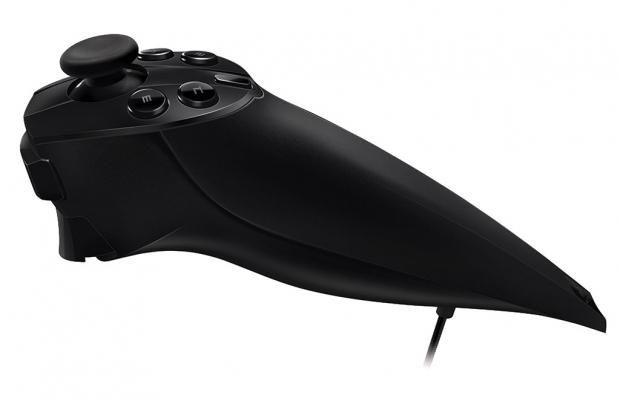
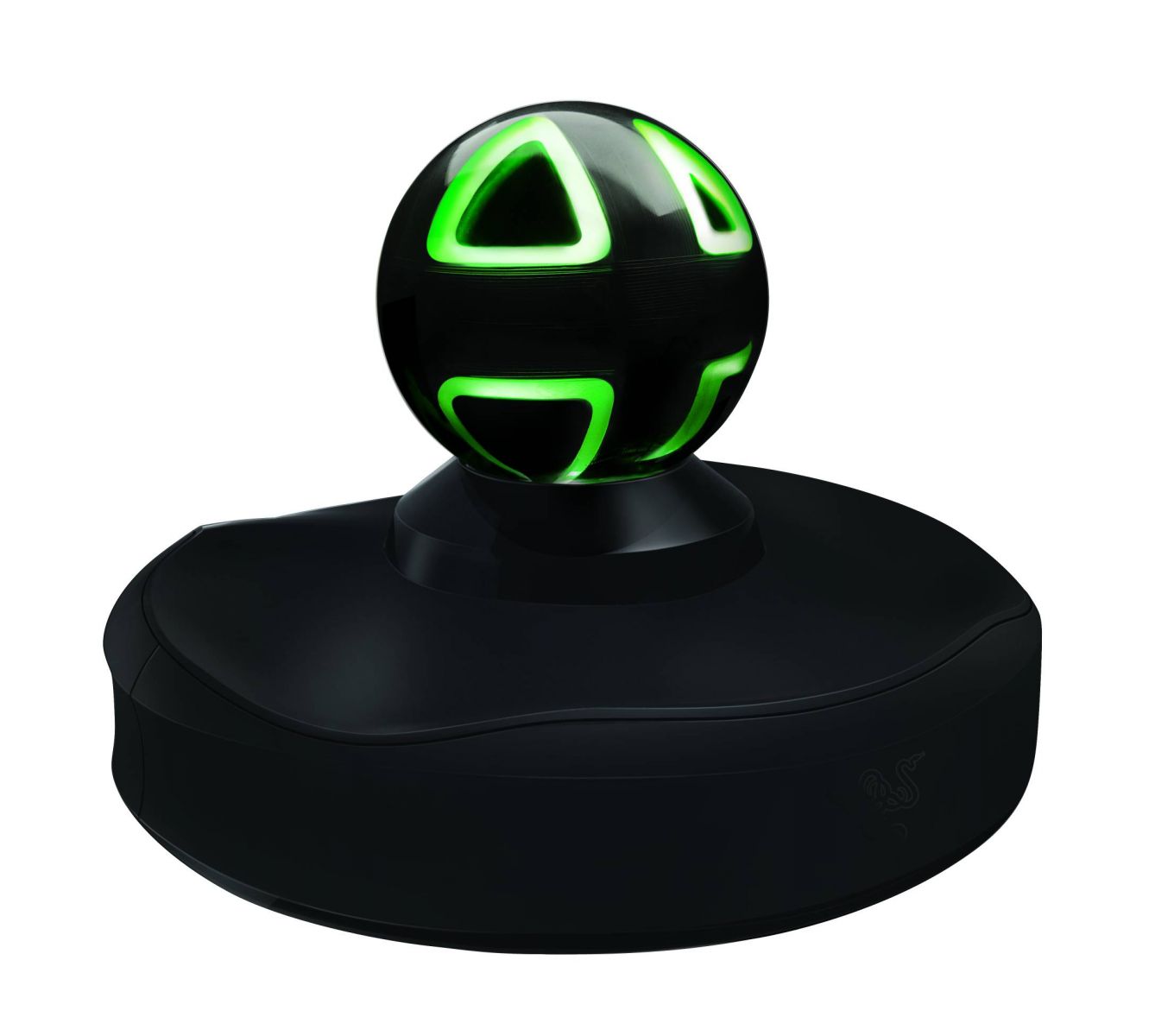
Unboxing the Hydra, you will find a black, orb-like base station and two hand-held controllers which plug into the orb via braided cable. The cables are very durable and as a gamer and consumer I appreciate little touches like this. Also included is a software disc as well as the standard Razer info docs and testimonial by the “Razerguy” himself, Robert Krakoff.
Installing the Hydra is very simple, as all the software you need is on the disc. At the time of this writing, there were no software or firmware updates available for the peripheral. Once installed, I plugged the Hydra in and the orb base station lit up with green lighting. After, I fired up Valve’s Steam gaming service and noticed that there was now an option to update the Hydra and even look for Hydra game updates built right into the client. Thankfully, Valve has been a big supporter of this technology – including a code redeemable for a specially-modded version of Portal 2 in the Hydra box as well. But, more on Portal 2 with the Hydra later…
I scanned the list of games in my Steam library and started up Call of Duty: Black Ops, which is not optimized for the Hydra. Unfortunately, this turned out to be a huge mistake as everything felt sluggish and uncoordinated. I went back to the instructions and realized that I needed to calibrate the Hydra and even tweak the multiple sensitivity options in the setup software. Learn from mistakes, Shogunites, and follow directions!
After getting everything calibrated, I went back into Black Ops to a much nicer gaming experience. The motion controls are very fluid and precise – way more so than my experiences with the Wii. You could even use the hand controllers behind your back thanks to the non-optical sensor system. Although, I would not recommend this as there is really no point in doing so. Unfortunately, there were still problems with the game, thanks to it not being written to use the peripheral. I experienced issues with re-centering, aim, turning, etc. The game was still way better with a mouse and keyboard.
Starting up Portal 2 with built-in Hydra support, the difference was night and day. Playing Portal 2 with the Hydra should be the ONLY WAY people play the game. The portal gun controls are smooth and navigating the various levels eventually becomes second nature thanks to the 1:1 precision. The controllers are very comfortable and, even after several hours of play, I suffered no hand cramps. Also, while wireless capability would have been nice, I am glad they chose to go with a wired solution as you would need to put batteries in all three peripherals for them to work – lame sauce!
Razer is breaking some seriously new ground with this product. The PC platform has a very fickle audience and, without more developer support, this could be their Virtual Boy. Thankfully, Valve Software has pledged to support the Hydra in future products and even has a special version of Left 4 Dead 2 in-development which I hope they release soon! Playing it at CES earlier this year, I was blown away by the 1:1 sword play against the undead hordes.
Razer is keeping a tight lid on upcoming titles with Hydra support, but even the insider rumblings I have heard sound incredible. If these rumblings turn out to be true, we are talking about some serious and hotly-anticipated AAA titles in the Hydra’s future. I am keeping my geeky fingers crossed.
Overall, the Razer Hydra is one of those peripherals that needs to be experienced to be understood – preferably, with a game that has built-in drivers for the device. This is very much like civilian space travel at the moment. It is a technology in its early commercial stages which needs our support. Otherwise, it will go the way of the 3rd Space Gaming Vest… The Razer Hydra is available now for $139.99 at their official website. Also of note is that there is a developer SDK on the site as well for indie game-makers out there to take advantage of the system.

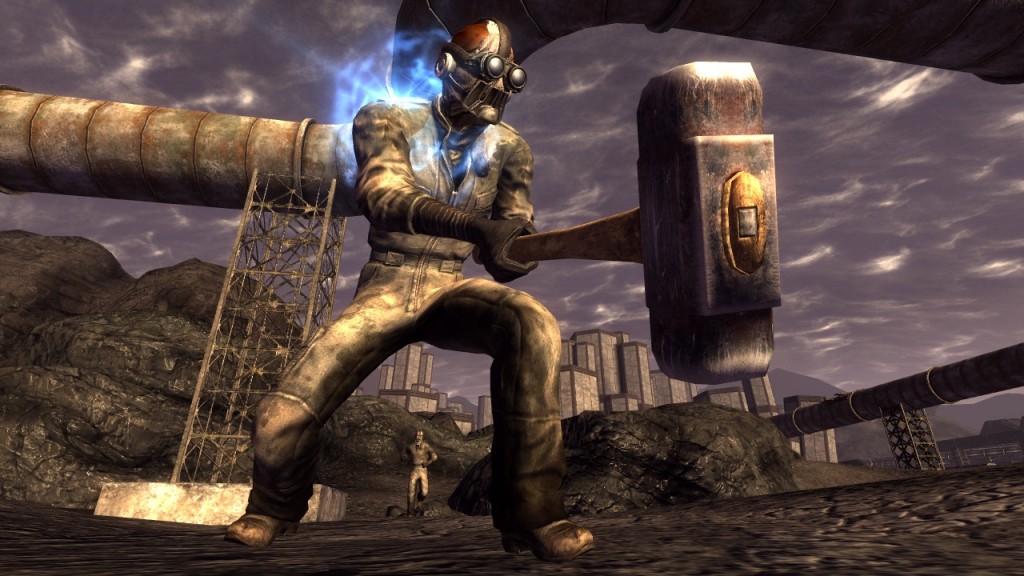
Bethesda Softworks has released the official trailer for the upcoming Old World Blues DLC pack for Fallout: New Vegas. The DLC pack features some cool new technology and a 1950’s bad sci-fi flick storyline. Old World Blues drops on July 19, 2011.

 Warner Bros. Interactive Entertainment has released a new trailer for their upcoming Batman: Arkham Asylum. The trailer finally revealed The Riddle as a character in the game.
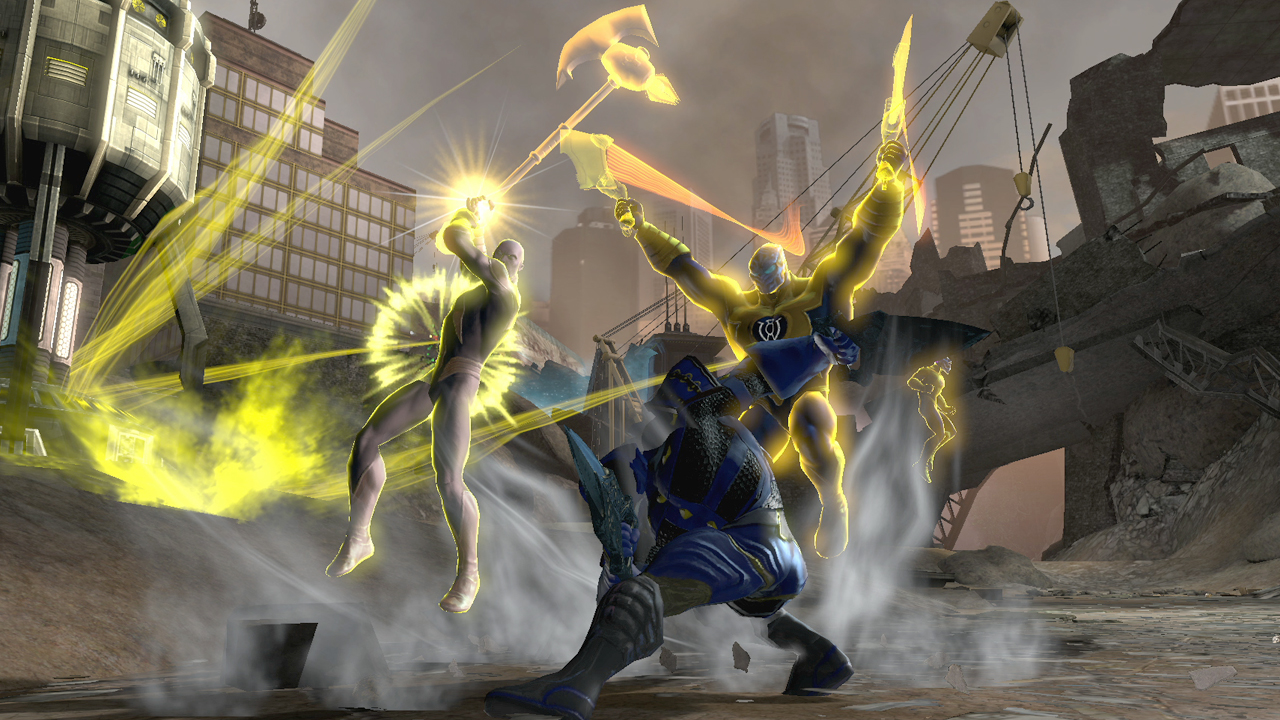
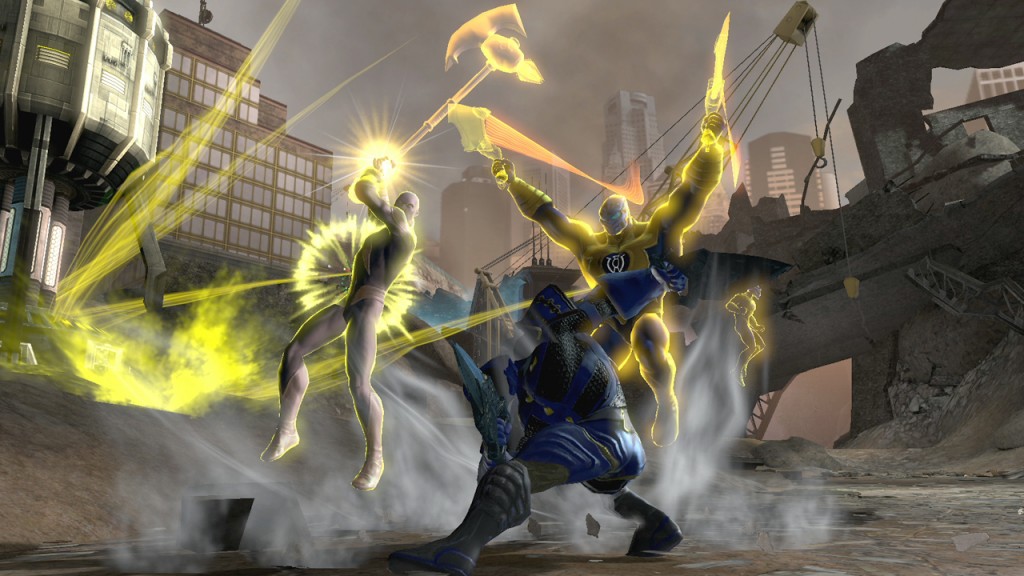
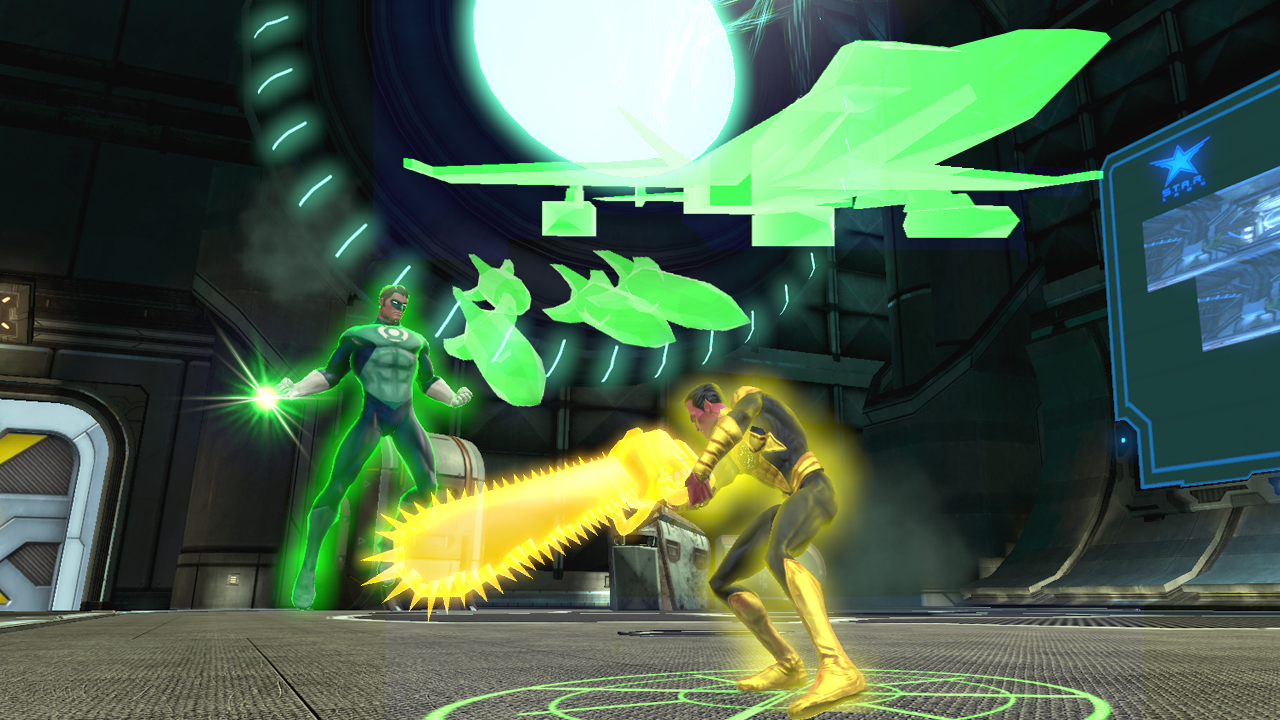
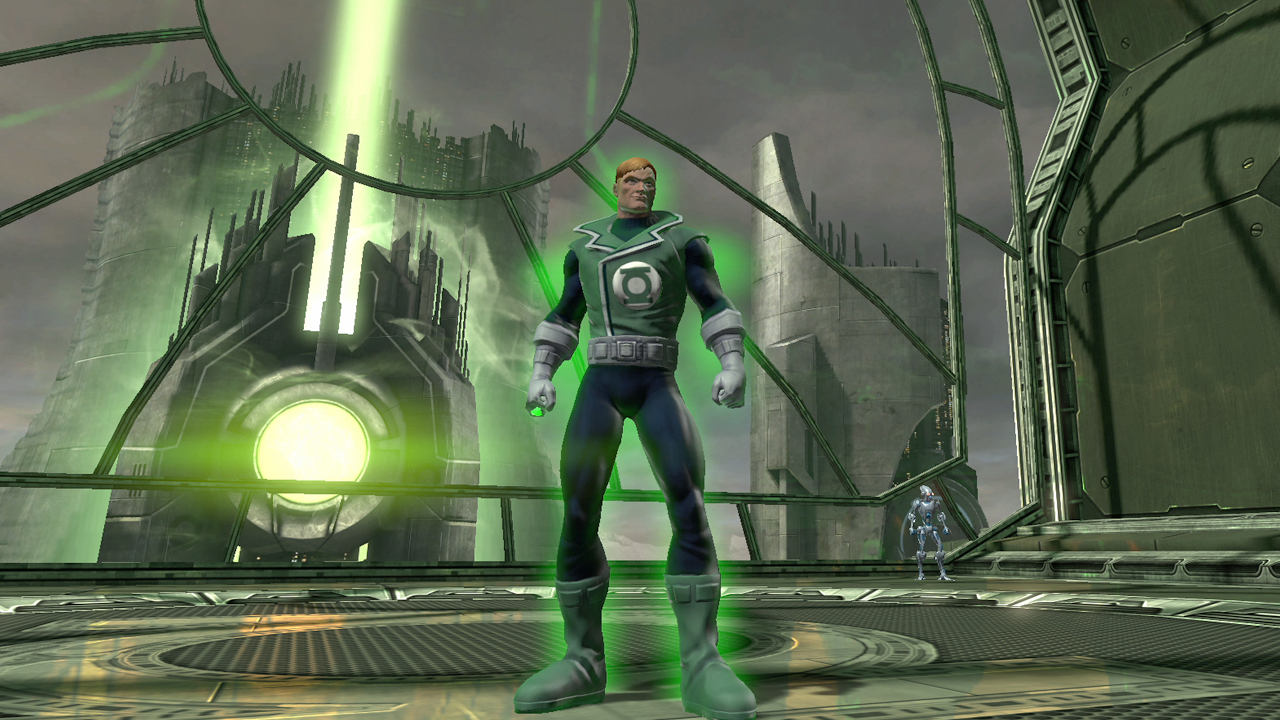
Sony Online Entertainment has announced a new DLC pack for their MMORPG, DC Universe Online, featuring the mythos of the Green Lantern and the Green Lantern Corps. The “Fight for the Light” DLC pack will also add the “Light” power set for players to outfit characters with as well as new quests, locations, etc. Additionally, it will retail for $9.99 on both Windows PC and PlayStation 3 platforms.
“The Green Lantern has been a mainstay for DC Comics fans for more than 60 years, and is a fan favorite among our players,” said Mark Anderson, Game Director of DC Universe Online. “We’ve listened to the feedback, and fans can now create their own Lantern-inspired characters including the use of light powers.”