
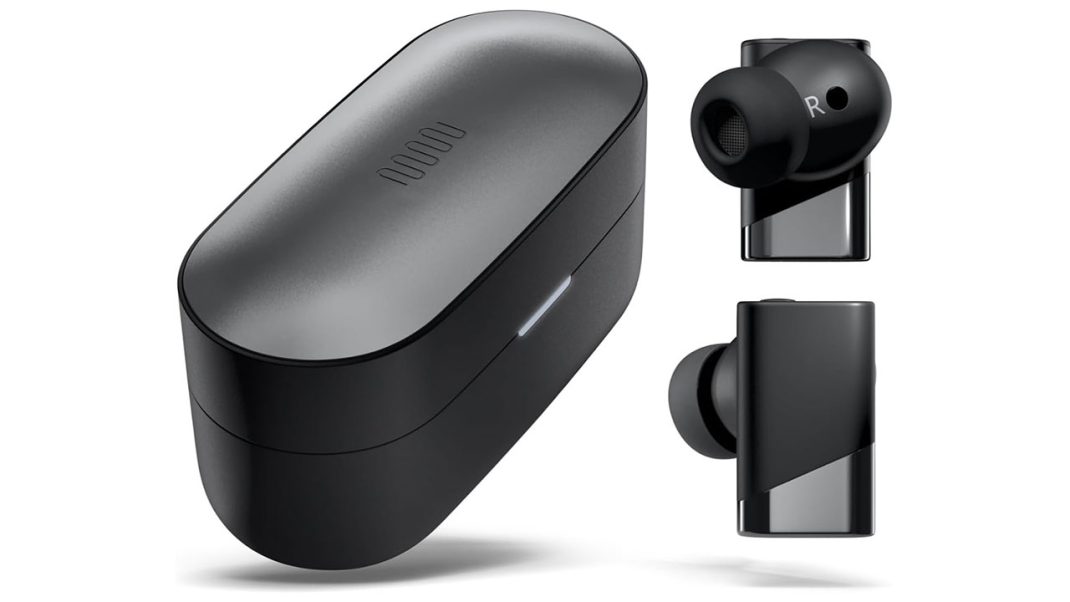
Whether you are building a custom water-cooled PC, tweaking your Steam Deck OLED for an extra frame per second, or just hunting for the perfect daily driver earbuds, the audio gear grind never really stops. Honestly, finding wireless earbuds that do not sound like a compressed tin can while playing massive open-world RPGs or listening to lossless FLAC files is a massive headache. Enter the Status Audio Pro X.
Coming in at $299 (though you can routinely catch them on sale for $249 or even $199 recently), these things are making serious waves in the 2026 audio scene. I usually hate earbuds that claim to do everything because they almost always fail at something. But let me explain why these boutique, New York-designed buds might just replace my daily drivers.
Defying the Stem Curse: Design and Fit
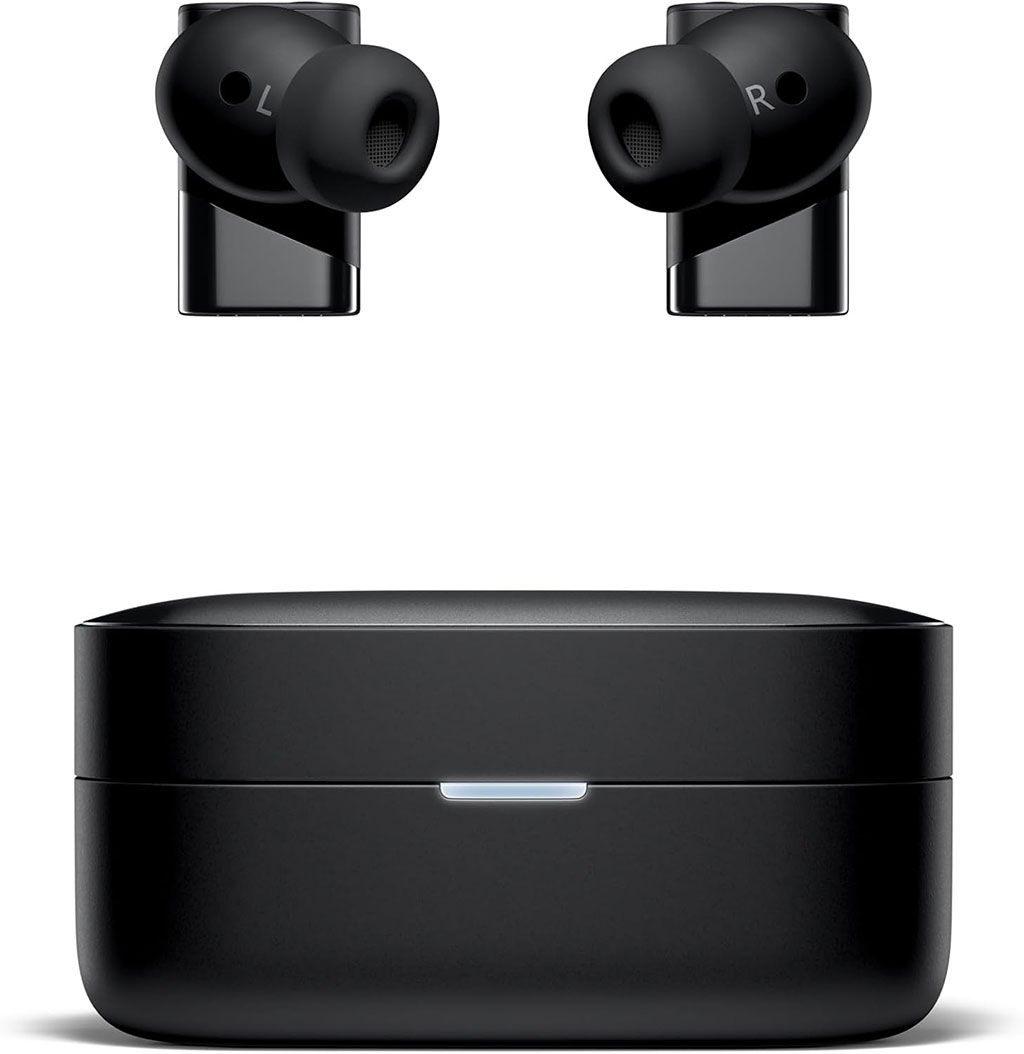
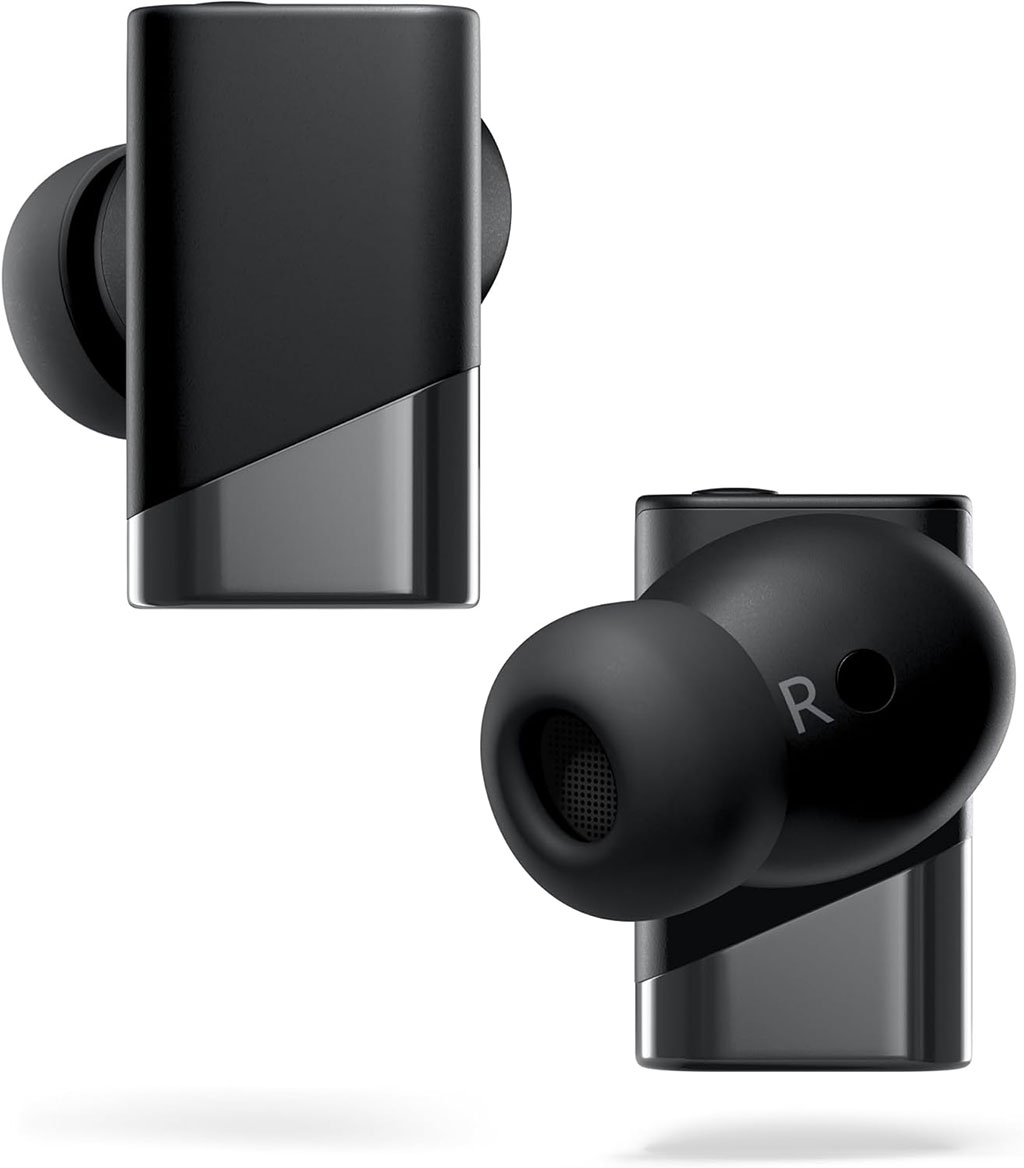
I have a mild contradiction to confess. I generally despise stem-style earbuds. They usually look goofy, feel clunky, and catch on hoodie strings. But here is the thing about the Pro X: Status somehow shrank the chassis by 21% compared to their older Between 3ANC model. Each bud weighs a mere 5 grams, utilizing a sleek, dual-tone ellipsoid design that actually looks undeniably premium.
And they are insanely comfortable. I wore them through a grueling four-hour gaming and podcast session, and I felt absolute zero fatigue. They lock right into the concha of your ear. Plus, they carry an IP55 rating. So if you sweat heavily playing intense VR games or get caught in a sudden rainstorm while walking the dog, they survive just fine.
One feature I absolutely love is the dual-interface. Most major brands force you to rely entirely on sweaty capacitive touch panels that misfire half the time. Status gives you those touch controls for swiping volume, sure, but they also include a tactile physical button right on the top edge of the stem. You can literally pinch the stem to switch noise-canceling modes without shoving the silicone tip deeper into your brain. It is a brilliant fail-safe that respects your human instincts. I just wish their companion app let you fully remap those physical buttons, which is currently a strange omission.
Three is a Magic Number: Acoustic Hardware
Most true wireless earbuds use a single dynamic driver to handle all the sound. It is kind of like trying to run a modern AAA game on integrated graphics; it technically works, but it gets muddy fast. Status Audio takes a completely different route. They packed an oversized 12mm dynamic driver and two specialized Knowles balanced armatures into each tiny earbud.
Think of it like having a dedicated subwoofer paired with high-end studio monitors. The 12mm dynamic driver exclusively handles the deep, rumbling explosions and fat basslines. Meanwhile, the tiny Knowles armatures take care of the sharp, sparkling highs, like enemy footsteps on gravel or the subtle scrape of fingers on acoustic guitar strings.
The resulting audio quality is phenomenal. You get distinct, crystal-clear treble and well-defined bass that actually feels physical. They easily sound better than the aging Sony WF-1000XM5, and honestly, they give the brand-new Bose QuietComfort Ultra Gen 2 a serious run for their money in pure musicality. By default, they have this warm “Status Signature” tuning that brings the rumble without muddying the vocals.
The Techy Tangent: Codecs, LE Audio, and Gaming
The reality is that the transmission specs matter just as much as the speakers in earbuds. The Status Pro X supports Bluetooth 5.3, seamless multipoint connectivity for juggling your phone and laptop, and the heavy-hitting LDAC codec for Android users. LDAC can push data at up to 990 kbps, which means your lossless music tracks retain all their lush, complex textures.
Now, for my fellow gamers, let us talk about latency and the new LE Audio standard. Status included the LC3 codec to future-proof these buds for the next generation of wireless audio, including Auracast public broadcasting. Early on, I will admit, the LE Audio implementation was a bit finnicky, and plagued by strange connection glitches. But Status has been aggressively rolling out patches. Firmware version 1.5.8 just dropped and fixed a terrifying bug where LDAC volume would randomly jump while tweaking the equalizer.
Speaking of the equalizer, the Status Hub app is a geek’s dream. It features a surgical 8-band EQ with adjustable Q-values, letting you sculpt the exact sound profile you want. It even has an automated trimming feature that lowers the master volume to prevent distortion if you boost too many frequencies at once.
As for gaming latency? It is totally fine for casual RPGs, watching YouTube, or catching up on Twitch streams. However, if you are sweating in a highly competitive shooter where millisecond audio cues matter, you might still notice that tiny inherent Bluetooth delay.
Silencing the Chaos: ANC and Microphone Quality
How do they handle the noise of the real world? The hybrid Active Noise Cancellation system claims a massive 52dB reduction of ambient sound. It works remarkably well for constant, low-frequency drones. If your PC cooling fans sound like a jet engine taking off, or you are sitting next to an airplane engine, the Pro X will completely silence that hum.
However, they have a weird vulnerability to wind shear. Walking outside on a breezy day, the exterior microphones catch the moving air and occasionally create an annoying whooshing sound right in your ears. The ambient pass-through mode is decent for quick conversations, but it feels slightly artificial compared to the spooky, open-ear naturalism of Apple’s AirPods Pro.
For Discord calls or regular phone chats, they use a six-microphone array powered by VoiceLoom AI. It aggressively filters out background chaos like keyboard clacking and coffee shop chatter. Your teammates will hear you loud and clear. That said, because the AI is working overtime to scrub the background noise, your actual voice might sound a tiny bit muffled or digitally processed. It is a fair trade-off for not broadcasting your mechanical keyboard switches to the entire game lobby. The inclusion of a SideTone feature is also brilliant, letting you hear your own voice so you don’t end up shouting during intense gaming moments.
The Big Catch: A Reality Check on Battery Life
Okay, I have praised these earbuds a lot, but here is the cold, hard truth. The battery life is just okay. It is definitely the main let-down of the whole package. Status officially advertises 8 hours of playback, which sounds fantastic on paper.
But if you actually use the premium features you paid for, like streaming high-bitrate LDAC audio with the Active Noise Cancellation turned on, you are looking at roughly 5 hours to 5.5 hours of continuous use. The heavy processing overhead required to decode high-res audio and run real-time AI algorithms simply chews through the tiny lithium-ion cells.
That is not the best compared to their older Between 3ANC model, which could easily hit over 8 hours even with noise canceling engaged. The charging case holds an extra 24 hours of reserve power and supports convenient Qi wireless charging, which certainly softens the blow. Plus, a quick 15-minute charge gives you about two hours of playback (this rocks). But if you forget to throw them back in the case during your lunch break, they will absolutely die before your workday or gaming marathon finishes.
The Final Verdict
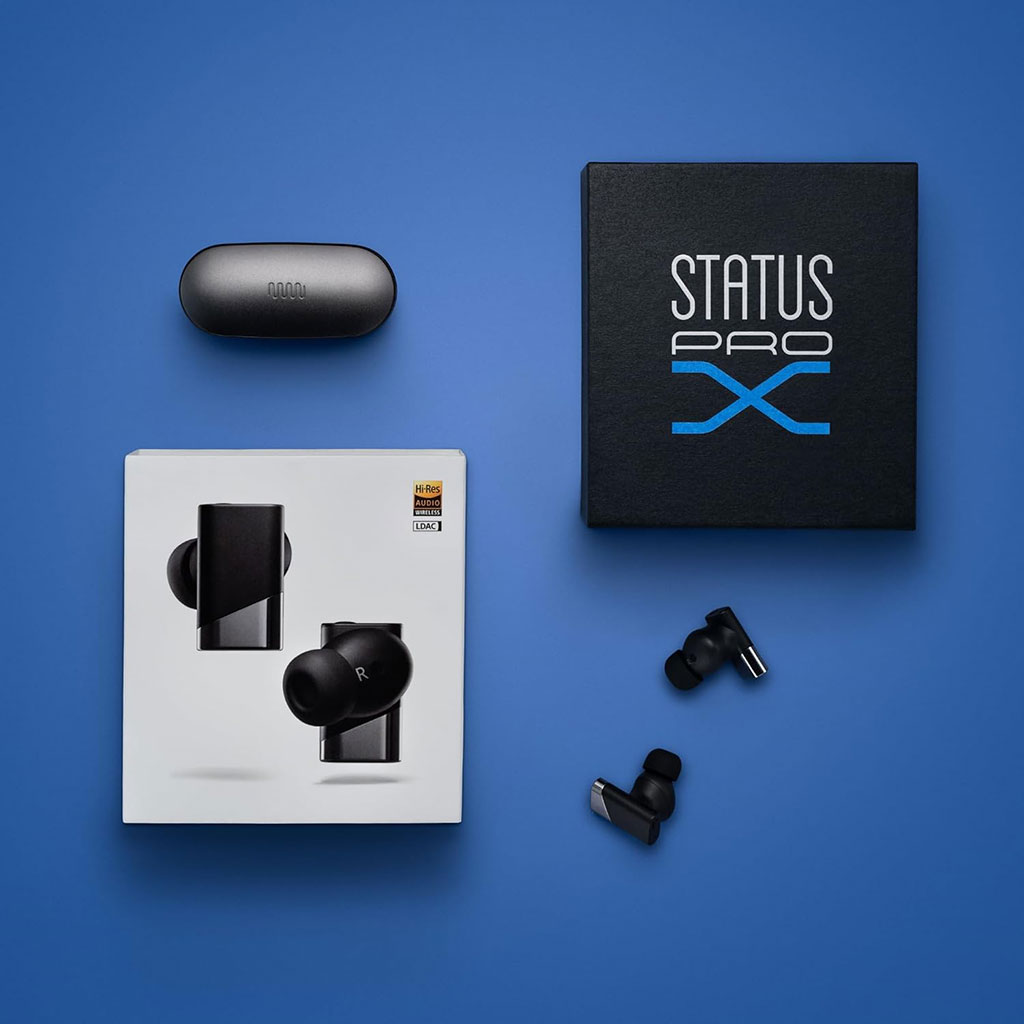
So, are the Status Audio Pro X earbuds worth your hard-earned cash? Yes, with a small caveat.
If you are someone who prioritizes endless, all-day battery life, or you demand flawless computational tricks like live language translation and spatial head-tracking, these might not be the right fit. You might be better off looking at the big tech conglomerates.
But if you care about pure, unadulterated sound quality? They are an absolute triumph. The hybrid triple-driver hardware delivers an acoustic experience that most mainstream tech giants are still struggling to match. They are incredibly comfortable, they look sharp, and the Status Hub app gives you incredible control over your music. For the audiophile geek who wants a pocketable, studio-grade listening experience without sacrificing modern conveniences, the Status Audio Pro X is a massive win.
Overall Rating 4 out of 5
Pros
- Audiophile-grade sound using a hybrid triple-driver architecture.
- Comfortable, lightweight fit.
- High-resolution LDAC and LC3 codecs.
- IP55 rating.
- Smart dual-interface design.
Cons
- Battery life is below average with ANC enabled.
- Lacks popular premium features like spatial audio or biometric tracking.
- The ambient transparency mode sounds slightly artificial when compared to industry leaders.