
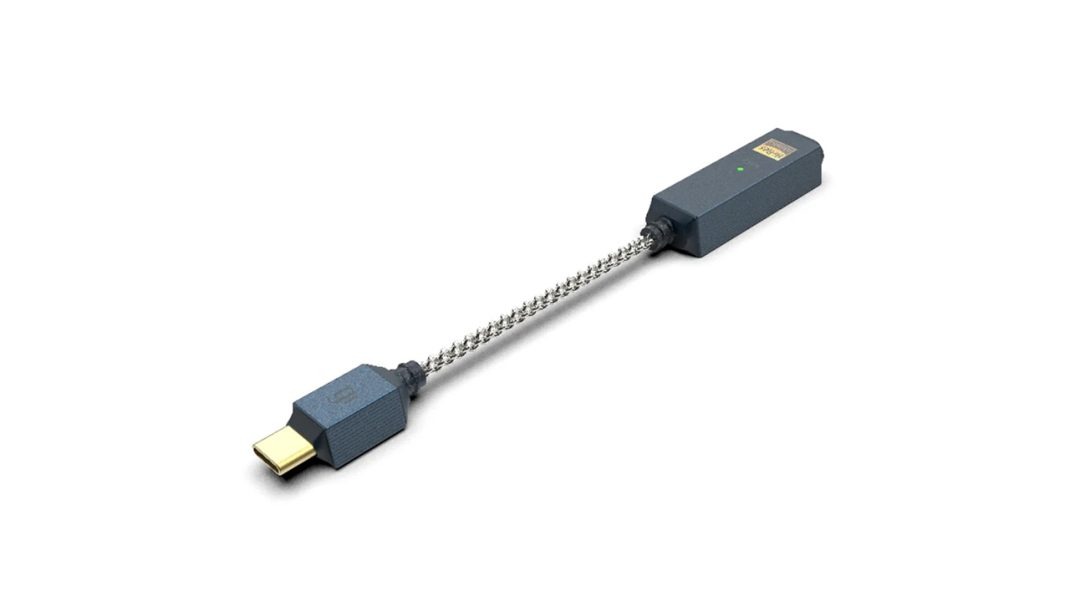
Review of the iFi GO Link 2 Max
Remember when phones actually had headphone jacks? Yeah, I miss those simple times too. Ever since smartphone makers decided we all needed to live a completely wireless life, we’ve been forced to choose between laggy Bluetooth earbuds and cheap, plastic dongles that sound like static-filled tin cans. Honestly, for anyone who actually cares about rich music or playing mobile games without a annoying half-second of audio delay, the wireless transition has been a real pain.
That is where the British audio wizards at iFi step into the ring. They recently dropped the iFi GO Link 2 Max, a tiny, pocket-sized USB-C adapter priced at a very reasonable $85. Weighing a feather-light 11.5 grams, it promises to rescue your wired headphones from the drawer of shame. But does this microscopic “rat-tail” dongle actually have what it takes to upgrade your daily commute and gaming sessions, or is it just another overhyped gadget? Let’s take a closer look.
Why Your Phone Audio Sucks
Before we break down the performance, let’s address the main question: why do you even need this? Your phone or laptop already has a built-in digital-to-analog converter (a DAC) to turn those digital ones and zeros into sound. The problem is, these built-in chips are cheap, noisy afterthoughts. They are crowded next to cellular antennas and hot processors, which turns your pristine music files into flat, lifeless mush.
The GO Link 2 Max completely bypasses those noisy internals. Inside its tiny magnesium-alloy shell, iFi has crammed a dual-mono setup featuring two separate ESS Sabre ES9219 DAC chips. Why does having two chips matter? Dedicating an entire chip to your left ear and another to your right channel drastically improves channel separation. It makes your music sound like a live concert rather than a flat wall of sound.
To make sure everything stays perfectly in sync, iFi uses their Global Master Timing (GMT) clock circuitry to eliminate digital timing errors, often called jitter, that can blur your audio. You get clean, bit-perfect playback for high-resolution formats like PCM up to 32-bit/384kHz and native DSD256. You know what? It is basically a high-end desktop setup shrunk down to the size of a USB flash drive.
Balanced vs. S-Balanced
Now, if you are a gamer, you know that sound is half the battle. Trying to play a fast-paced shooter like Call of Duty: Mobile or PUBG with Bluetooth headphones is an absolute nightmare because of the lag. By the time you hear the footsteps behind you, you are already looking at a respawn screen. Going wired is the only real solution, but normal phone adapters do not have the muscle to drive decent headphones.
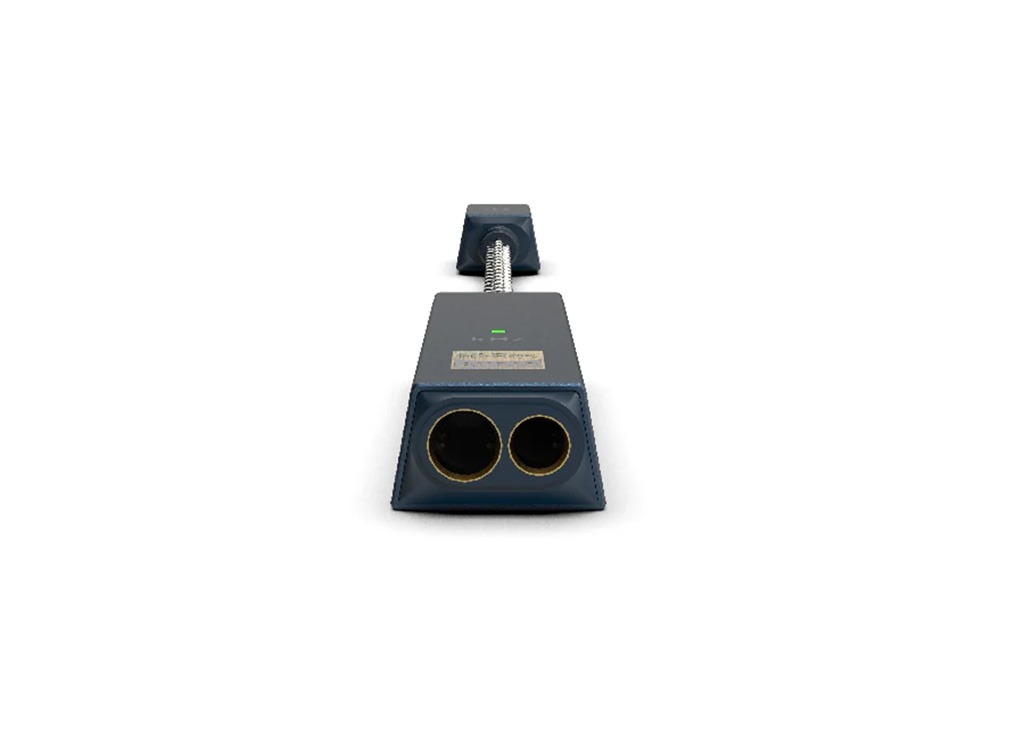
The GO Link 2 Max solves this by offering two different headphone ports: a standard 3.5mm jack and a dedicated 4.4mm balanced output. Let’s start with that 4.4mm balanced port. It pumps out a massive 280mW of peak power (241mW RMS) into a 32-ohm load. That is roughly five times the power of a standard MacBook Pro headphone jack and easily enough to drive demanding, efficient over-ear headphones with real authority and bass grip.
But what if your headphones only have a regular 3.5mm plug? iFi has you covered with their proprietary S-Balanced technology. Traditional single-ended headphone jacks share a ground wire, which lets the left and right channels bleed into each other, creating crosstalk. S-Balanced runs a dedicated negative wire for each channel directly to the internal star ground, cutting that muddy crosstalk in half. The result is cleaner positional audio. When you are gaming, you can pinpoint exactly where that sniper is hiding.
How Does It Sound?
Honestly, the sound signature of this little dongle will put a massive smile on your face. It is an energetic, highly engaging presenter that manages to sound both detailed and pleasingly punchy. It does not color your headphones with artificial warmth, but it definitely gives the low-end a confident, textured kick that makes explosions in games feel satisfying.
I paired the GO Link 2 Max with a couple of high-quality in-ear monitors (IEMs), including the Meze Alba and Kiwi Ears Astral. The detail retrieval is spectacular for an $85 device. Instrument separation is so clear that you can easily map out the soundstage in your mind. iFi also tweaked the internal DAC chips to enable Dynamic Range Enhancement (DRE), which adds an extra +6dB of contrast between quiet and loud moments. It makes orchestral soundtracks sound absolutely epic and keeps you on the edge of your seat during intense gaming cinematic moments.
One massive design win is the hardware-based volume control. Most cheap dongles adjust volume by throwing away digital data in your phone’s software, which strips away fine details when you turn the music down. The GO Link 2 Max communicates directly with your device to make physical voltage adjustments inside the DAC itself, keeping your audio bit-perfect at any volume level.
A Few Gremlins in the Machine
As much as I love the sound of this thing, no piece of technology is perfect. There are a few quirks you should know about before pulling out your wallet.
First, let’s talk about the physical build. While the magnesium-alloy chassis feels premium and robust, the thin braided cable connecting the USB-C plug to the main DAC housing feels slightly fragile. If you plan to shove this into your pocket alongside your phone while walking, constant bending might strain the connection points over time. You will want to treat it with a bit of care.
Second, because the GO Link 2 Max does not have its own battery, it draws power directly from your smartphone. If you are running high-power signals, it can pull up to 3.2W, which will noticeably accelerate your phone’s battery drain during long gaming sessions.
Third, the software integration is a bit of a mixed bag. The iFi Nexis companion app allows you to toggle between hybrid and linear digital filters and update the firmware. However, all of these app features are strictly Android-exclusive. If you are an iPhone or iPad user, you get zero app customization. Also, Android users have reported a rare volume bug where hot-plugging the device while media apps like YouTube or Poweramp are running in the background can force a sudden, terrifying blast of maximum volume.
The Final Verdict
So, is the iFi GO Link 2 Max worth your $85?
If you are looking to upgrade your mobile audio experience, the answer is a resounding yes. It completely outclasses standard entry-level adapters like the $9 Apple dongle, offering a far more confident, full-bodied sound with zero graininess. It successfully bridges the gap between basic, throwaway accessories and expensive, bulky digital audio players.
Whether you are trying to hear critical footsteps in your favorite mobile shooter or just want to get lost in a high-resolution music stream on your daily commute, the GO Link 2 Max delivers desktop-grade performance that fits right in your coin pocket. Just remember to treat the cable nicely, and your ears will thank you.
Overall Rating 4 out of 5
Pros
- Giant Sound on a Budget
- Pumps out up to 280mW of power (241mW RMS)
- Genius 3.5mm Circuitry
- True Bit-Perfect Volume
- Ultra-Lightweight Form Factor
- The Android Favoritism
- Cable Durability Concerns
- No Internal Battery
- Android Volume Bugs