
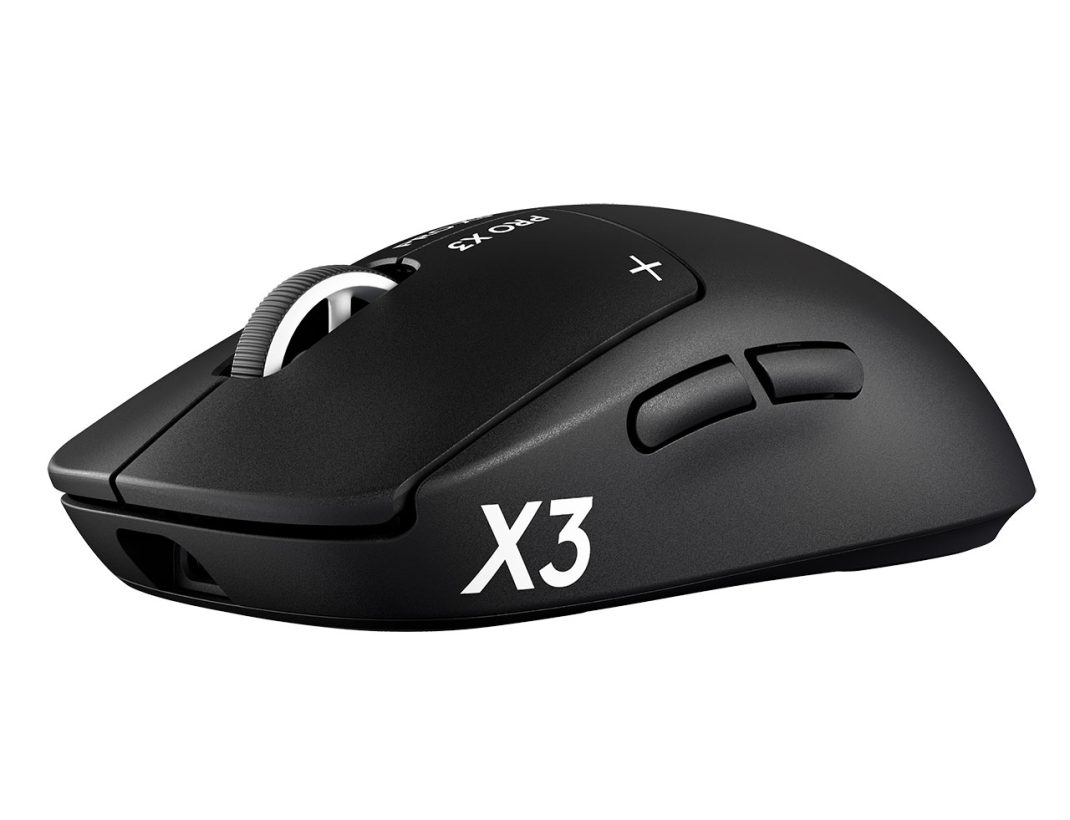
Wait a second. Didn’t Logitech release the PRO X2 SUPERSTRIKE just seven or eight months ago?
Yes, they did. If you spent $180 on that mouse earlier this year, take a slow, deep breath before you read any further. Logitech has returned with the Logitech G PRO X3 SUPERSTRIKE LIGHTSPEED, and this time they slapped a cool $199.99 sticker on the box.
When hardware makers drop a numbered sequel that quickly, warning bells usually go off in my head. Is this just a cash grab to mark the tenth anniversary of the PRO series? Or did the engineers realize they left some glaring flaws on the table and rush to patch them up?
Honestly, after running this mouse through days of sweaty ranked matches, the answer is a bit of both.
The Shape You Know, But Balanced
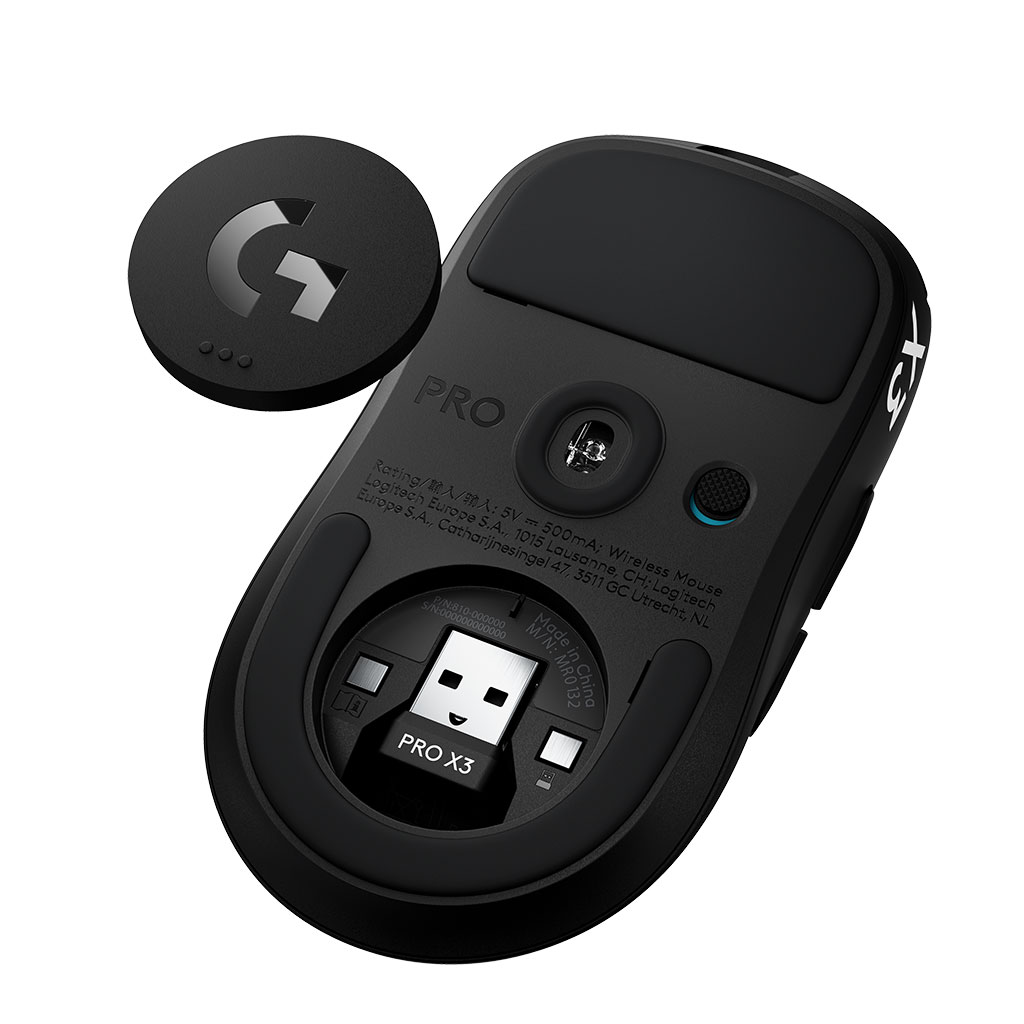
Let’s start with the feel in the hand. Logitech did not touch the exterior silhouette. It is still the classic, rounded egg, affectionately known across the gaming scene as the “potato”, that players have sworn by since 2018. Whether you rest your whole hand flat in a palm grip or choke up with an aggressive claw, your fingers settle into place instantly.
The big story here is balance. The previous X2 had a nasty habit of feeling front-heavy. Because all the new coils and vibrating motors were packed under the front paddles, every quick horizontal sweep felt like swinging a tiny hammer.
Logitech shifted the battery toward the geometric center and trimmed internal plastic up front. The difference is night and day. The center of gravity now sits right over the sensor eye, making micro-adjustments feel smooth and predictable again.
You know what is odd, though? The weight on your desk depends on where you live. In the United States and global markets, the mouse clocks in at 59 grams. In Europe, it lands at 61 grams. Why? The European Union passed repair rules requiring accessible batteries, so European units get a modular battery bracket with screws instead of glue. It is only two grams, but in the ultra-light mouse scene, people notice.
Magnet Magic: How Do the Clicks Feel?
The real heart of the SUPERSTRIKE lineup is HITS – the Haptic Inductive Trigger System.
Instead of traditional mechanical switches or infrared light beams, the mouse uses little copper coils that create an electromagnetic field under each click button. When you press down, a metal plate dips into that field, and the mouse reads the exact depth of your push like a gas pedal.
Since there is no physical metal switch snapping inside, Logitech built in tiny vibration motors to fake the tactile feedback. Does it feel like a standard mouse? Not quite. It feels remarkably like the trackpad on a modern MacBook or the haptics on a handheld console. You get a snappy, localized pulse against your fingertip rather than a sharp plastic crunch.
Through G HUB, you can tweak the actuation across 10 levels and adjust Rapid Trigger resets across 5 steps. If you play tactical shooters like Counter-Strike 2 or Valorant, Rapid Trigger is wild. You barely lift your finger, and the button resets instantly, letting you tap-fire semi-automatic pistols like an absolute demon.
A quick word of caution: do not set both actuation and reset to level 1. I tried that on my first evening, and I kept accidentally firing my rifle just from resting my fingers on the shell while flicking across the pad. Bumping both up to level 3 gave me crisp responsiveness without the accidental misfires.
Silicon Upgrades and Battery Gains
Inside, Logitech swapped out the aging Nordic controller from the X2 for their own custom NxLOGI chipset.
Why does a tiny chip matter? Efficiency. Calculating analog magnetic fields while beaming wireless packets takes serious computational muscle. The old chip drank battery power fast, but the new silicon cuts energy draw roughly in half.
Logitech rates the battery at 135 hours on standard 1,000 Hz polling, a huge leap over the 90 hours on the X2. Even running at a high-speed 4,000 Hz polling rate with haptics turned up, I easily made it through several days of heavy gaming without reaching for the USB-C cable.
Speaking of connections, the X3 now hits a full 8,000 Hz polling rate whether you play wirelessly or plugged in. The X2 was stubbornly locked to 1,000 Hz when tethered, which frustrated tournament players warming up on charging cables. That headache is finally gone.
Underneath, the updated HERO 2 sensor pushes up to 48,000 DPI and tracks at 930 inches per second. Are you ever going to play at 48,000 DPI? Of course not. But the tracking is rock solid across both cloth and glass pads without a hint of jitter.
Some Annoying Flaws
Here is where my praise hits a wall. When you ask people to hand over two crisp hundred-dollar bills for a gaming mouse, every single component needs to feel top-shelf. The X3 drops the ball in a few obvious spots.
The scroll wheel still relies on an ordinary mechanical encoder, and while it scrolls reliably enough, the notches feel loose, and clicking down gives you a dull, mushy thud rather than a crisp snap. The side thumb buttons have far too much empty travel before they register, leaving them feeling spongy and soft next to the lightning-fast main triggers. Instead of buttery, pure PTFE skates, the factory feet use a stiffer hybrid plastic blend that feels scratchy on textured mousepads, meaning you will probably want to replace them with aftermarket dot skates. Also, you do not get a dedicated sensitivity button on the shell, so tweaking your DPI on the fly means sacrificing one of your thumb buttons or keeping background software running on your desktop.
Who Is This For and Should You Buy It?
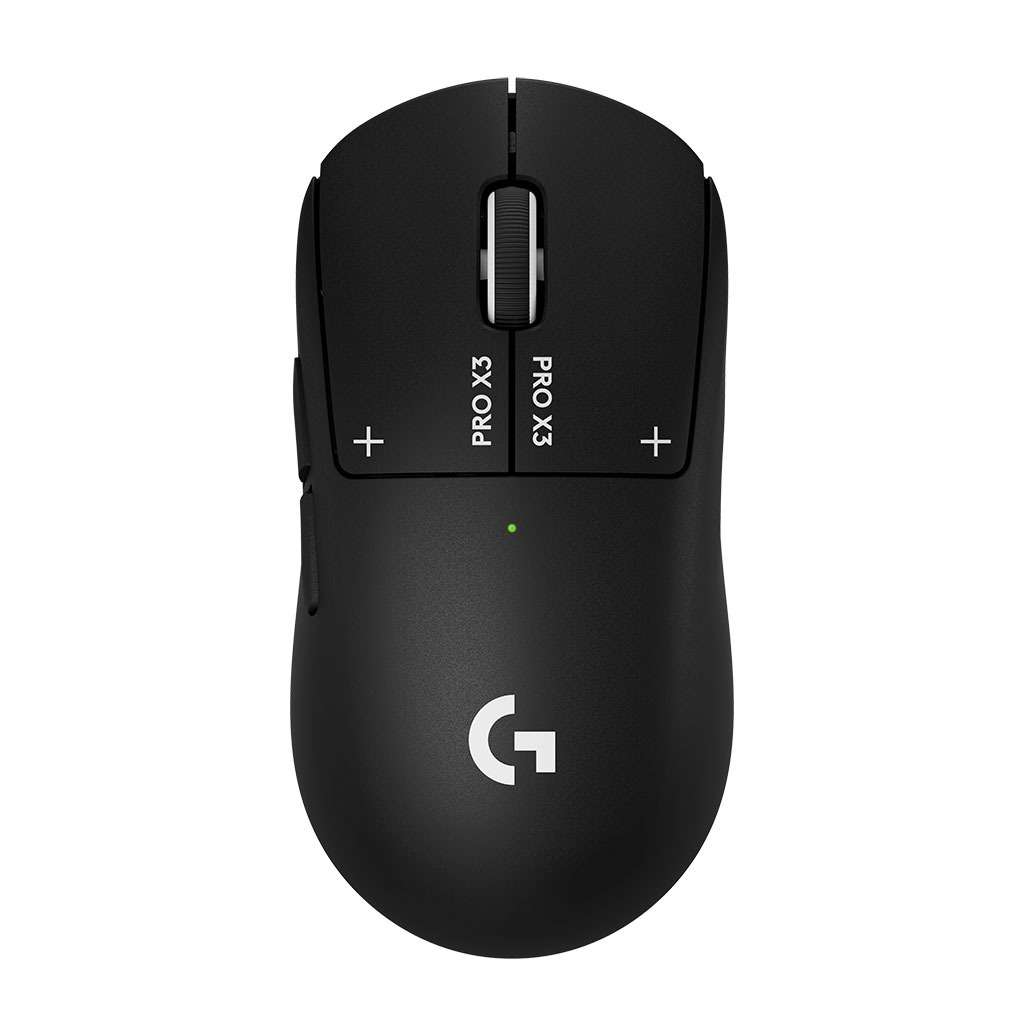
If you already own the PRO X2 SUPERSTRIKE, keep your wallet closed. The sensor tracks identically in game, the click technology is virtually the same, and unless the front-heavy balance of the older mouse drove you crazy, the upgrade does not justify another $200. However, if you are still rocking an original G PRO Wireless or an early Superlight, the X3 represents a massive step up. You get the same comfortable shape you love, paired with analog clicks that react faster than anything else on the market. For players who care strictly about having the lightest mouse possible, sub-50-gram alternatives like the Razer Viper V4 Pro offer better raw agility for less cash. But if you want custom trigger depths, rapid resets, and fantastic battery life wrapped in an iconic shape, the PRO X3 SUPERSTRIKE delivers the goods, provided you can stomach that steep entry fee.