
If you spent twenty or thirty hours kicking down front doors in Firefighting Simulator: Ignite, you probably know the drill by heart. You jump off the rig, attach your supply line, grab your trusty Halligan bar, force the entry point, drag the hose line inside, and sweep the burning rooms. It is satisfying, but after clearing your fifteenth structure fire, the routine starts to feel a bit familiar.
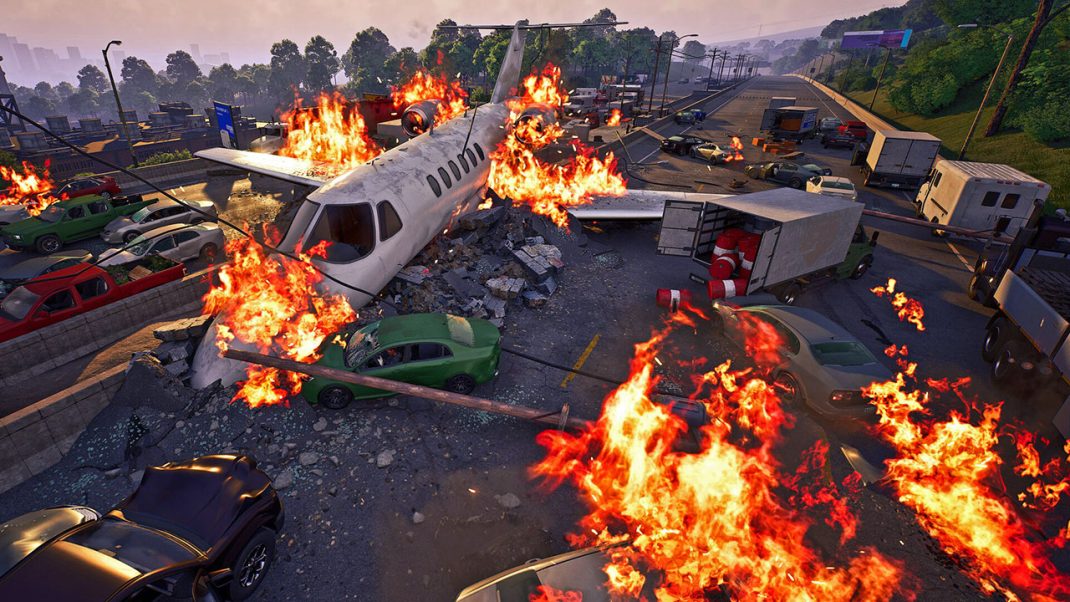
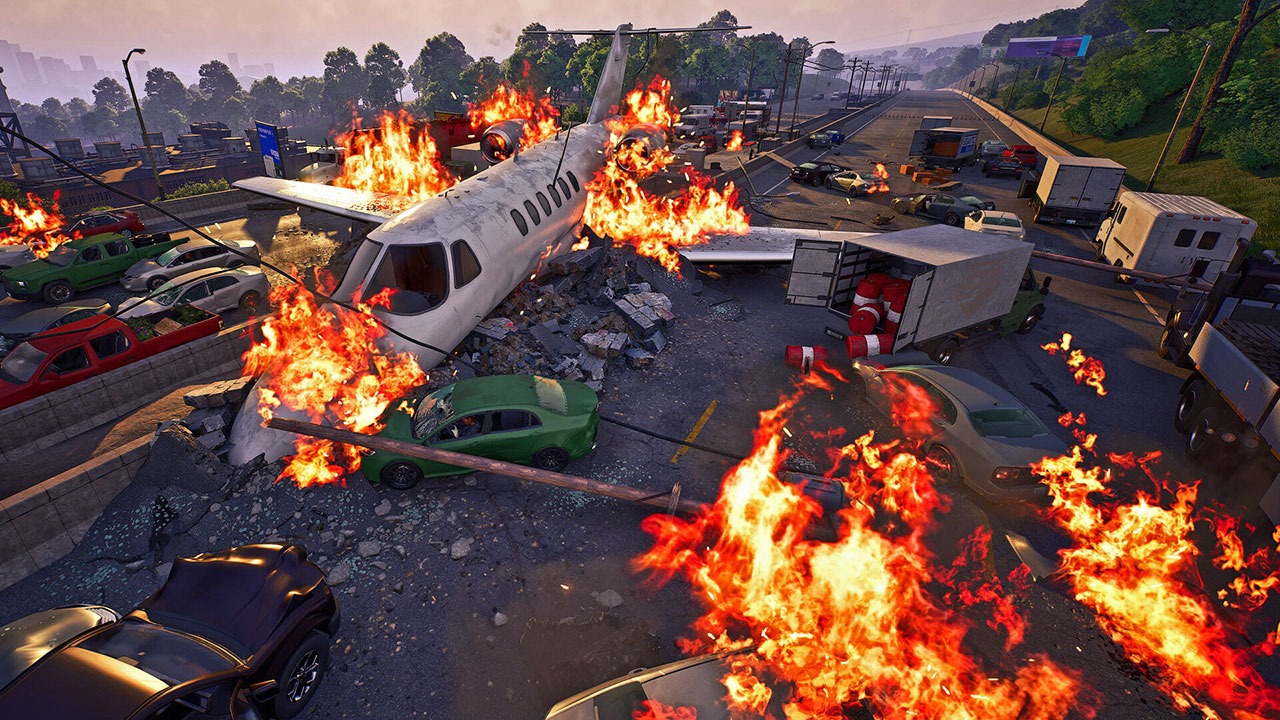
Enter the Firefighting Simulator: Ignite Motor Vehicle Accident Expansion. Released for $14.99 alongside the free Shannondale District update, this expansion takes the action out of cramped living rooms and puts you right on the asphalt. Weltenbauer and Astragon have shifted their focus to roadside pileups, crushed sedans, leaking fuel tankers, and trapped drivers.
Does cutting open a crumpled car with hydraulic spreaders feel as cool as it sounds? Yes, it really does. But it also comes with a few weird quirks and technical hiccups that will test your patience along the way.
When Water Just Won’t Cut It
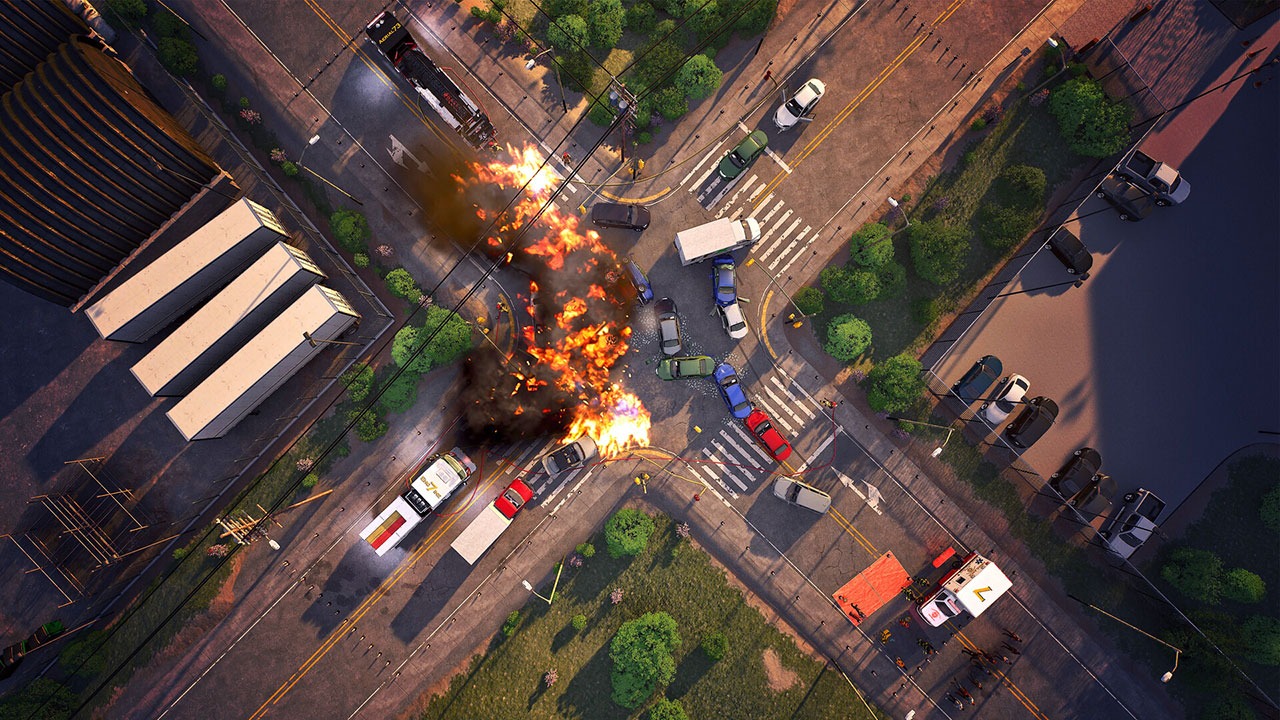
The moment your engine arrives at a crash site, the whole rhythm of the game changes. In standard missions, your primary goal is simple: put water on the flames until the heat goes away. Out on the open freeway, that rule gets flipped upside down.
You roll up to a massive collision near the regional airport, and fuel is pooling across three full lanes of traffic. If you just blast a puddle of burning vehicle fluid with a plain water stream, you will spread the fire everywhere. Here, you have to switch your hose line over to Class B foam to smother the vapors. Once the flames die down, you cannot just walk away, either. You need to grab a tube of leak-sealing compound, hustle over to the ruptured fuel tank, and plug the breach before another spark sets the whole scene off again.
The visual presentation under Unreal Engine 5 handles these hazards well. The smoke plumes billow realistically across emergency headlights, and burning liquids shimmer across the road surface. You are not just spraying water at a wall; you are managing a living, chaotic disaster area.
Heavy Metal and Sliced Roofs
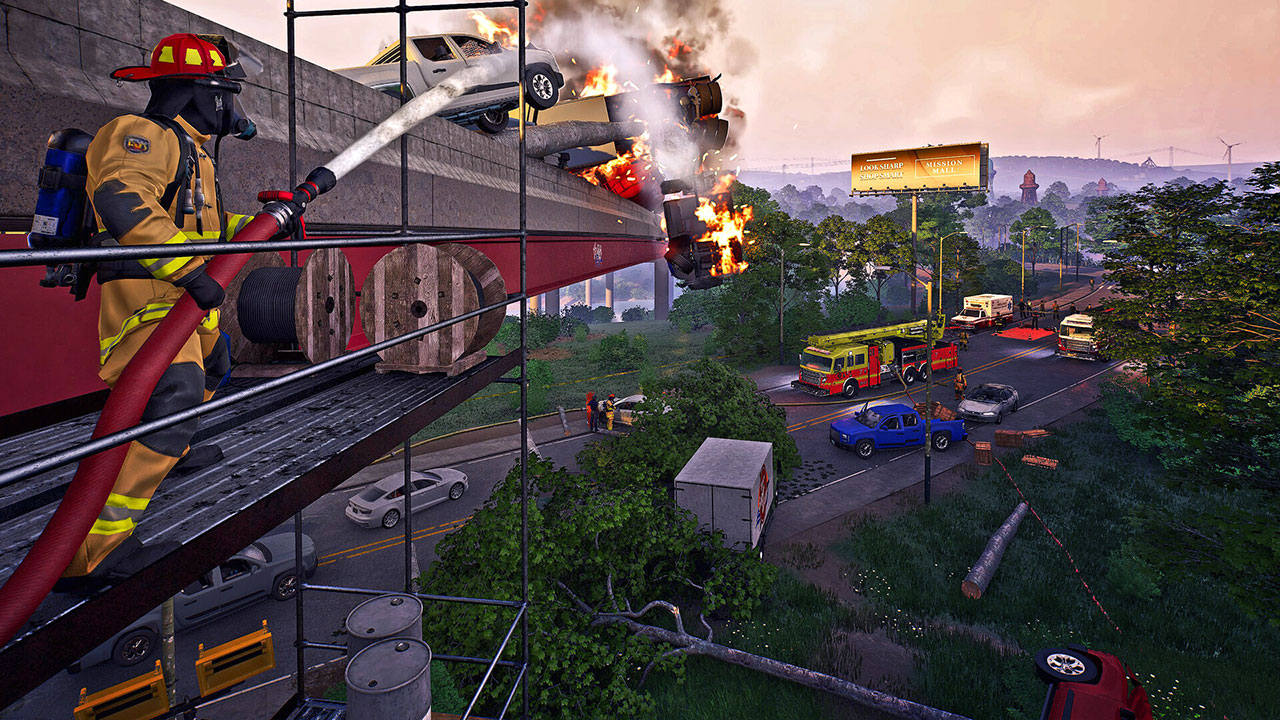
The real highlight of the expansion is the technical extrication gear. You get access to a heavy-duty rescue chainsaw and a hydraulic rescue tool, which most people know as the “Jaws of Life”.
Weltenbauer has plenty of experience with heavy equipment physics from their Construction Simulator series, and that expertise shows. Opening a crushed door is not a simple quick-time event where you hold a button and watch a canned animation. You have to wedge the tool into the door seam to create a purchase point, apply spreading force, and watch your tool’s pressure gauge. If you squeeze the triggers too hard and let the needle sit in the red zone, you risk slipping or botching the cut. You have to ease off, feather the pressure, and pop the latch cleanly.
From there, you sever the A, B, and C roof pillars, perform a dashboard lift to free the driver’s pinned legs, and peel the vehicle roof backward. The metal groans and crunches with genuine weight. If a fallen tree or broken utility pole is crushing the vehicle frame, you fire up the chainsaw and slice the wood away in sections before you start working on the chassis.
There is real tension here. When you are balancing spreading tools on a car frame while your buddy on the ladder truck sprays foam to keep encroaching flames away from the passenger door, the gameplay hits a fantastic high note.
Medics, Mayhem, and Dumb AI
Now, let’s talk about the parts that make you scratch your head.
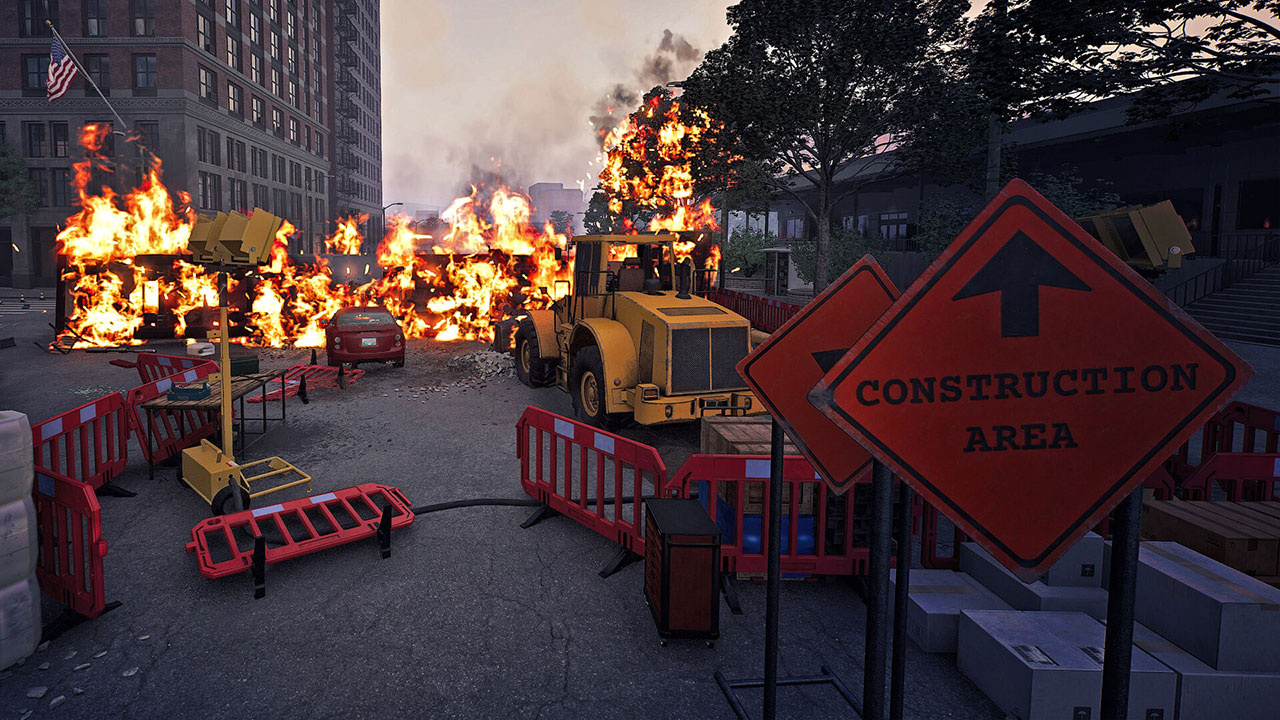
Why is every single car crash in this game an apocalyptic fireball? In real life, most motor vehicle rescues involve zero flames. They are about stabilization, battery disconnection, and careful medical extraction. In this DLC, nearly every fender bender looks like a scene from an action movie, complete with exploding cargo barrels and raging infernos. It keeps the adrenaline high, sure, but it can feel a bit exaggerated after several calls in a row.
Then you have the mechanical repetition. The extrication sequence is cool, but the game forces you through the exact same full-roof removal process on almost every car. Even when a door pop would easily clear the casualty, you still end up slicing every single roof pillar just to satisfy the mission checklist.
And honestly, the medical handoff has one of the funniest design choices I have seen all year. Once you free a victim, you carry them over to the paramedic crew. That is awesome. But after you place the injured person on the ground right at the medic’s feet, the game forces you to press an interaction prompt to tell the medic, “Hey, I finished extricating them!” Why do I have to tell you? You are looking right at the patient!
On top of that, if you play solo, the AI crew members can still be frustrating. They get snagged on tree branches, refuse commands across bent sheet metal, and sometimes stare blankly at active flames. If you plan to tackle this expansion, you really want to bring real human friends along for four-player co-op.
So, is the Motor Vehicle Accident Expansion worth picking up?
If you are a solo player who gets annoyed when computer teammates walk into walls, you might want to wait for a sale. But if you already love Firefighting Simulator: Ignite, or if you have a regular group of friends for game night, this expansion is an easy recommendation.
It pulls the series away from repetitive structure fires and introduces rewarding technical rescue gameplay. Grab your spreaders, keep your eyes on the pressure meter, and watch out for running fuel. It has its share of rough edges, but cutting someone out of a crushed truck while foam blankets the highway is about as satisfying as emergency sim gaming gets.