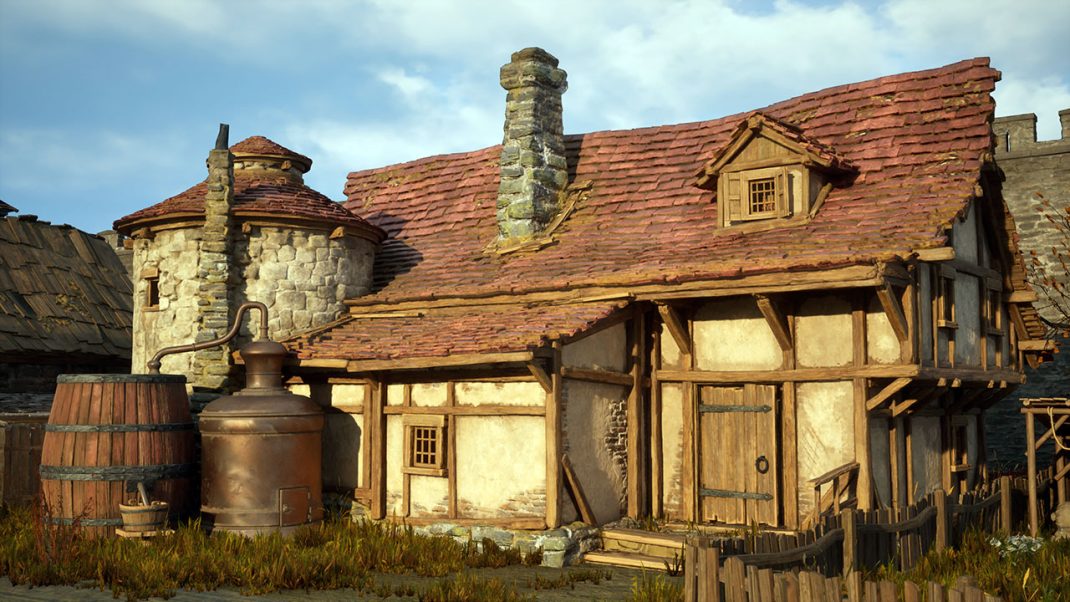
The sound of a medieval city is impossible to ignore: the constant hum of shouting merchants, ringing hammers, marching guards, and the quiet whispers of those working in the shadows. It’s the sound of opportunity, of risk, of a future being shaped in real time. These cities are more than just places on a map. They are the driving force of progress, where medieval tycoons make their fortunes, claim power, and start their legacies.
Read the latest developer diary on Steam: https://thqn.net/49mpSQ5
In the latest developer diary for The Guild – Europa 1410, the focus shifts to the four playable cities themselves and what makes them special. Inspired by their 15th-century counterparts, each city is shaped by distinct districts with their own character, risks, and rewards. Set up shop near a marketplace for easy profits, or take your chances beyond the city walls – just don’t act surprised if things get… stabby.
And trouble has a way of spreading. Cities evolve over time, influenced by player actions and political decisions. Districts can prosper or fall into decline, crime can rise, reputations can shift, and every choice leaves a lasting impact on the people living there.
This adds a new layer of strategy to The Guild – Europa 1410. Invest in infrastructure, enforce order, or take advantage of chaos to further your own ambitions. Shape a district into a respectable hub of commerce or turn it into exactly the kind of place your competitors would rather avoid.
Because you’re not the only one chasing power. Rivals, families, and opportunists are all working to tip the scales in their favor. Sometimes openly, sometimes from the shadows.