
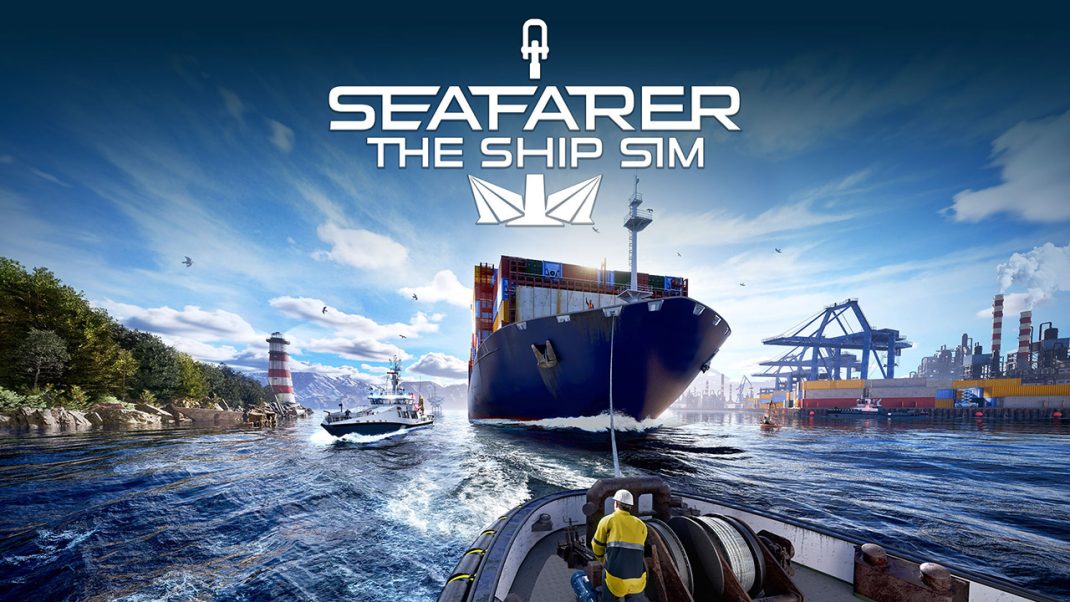
There’s something almost therapeutic about a good simulation game. You know, the kind of game you can sink into after a long day, put on a podcast, and just… drive. Or fly. Or, in this case, sail! The call of the open sea is a powerful one, and for years, fans of the genre have been waiting for a game to truly capture it, a kind of Microsoft Flight Simulator for the waves. Astragon Entertainment’s Seafarer: The Ship Sim has sailed into Early Access with exactly that promise on its lofty flag. But does it reach that distant shore, or does it flounder on the rocky shoals of its own ambition?
So, What’s the Big Idea?
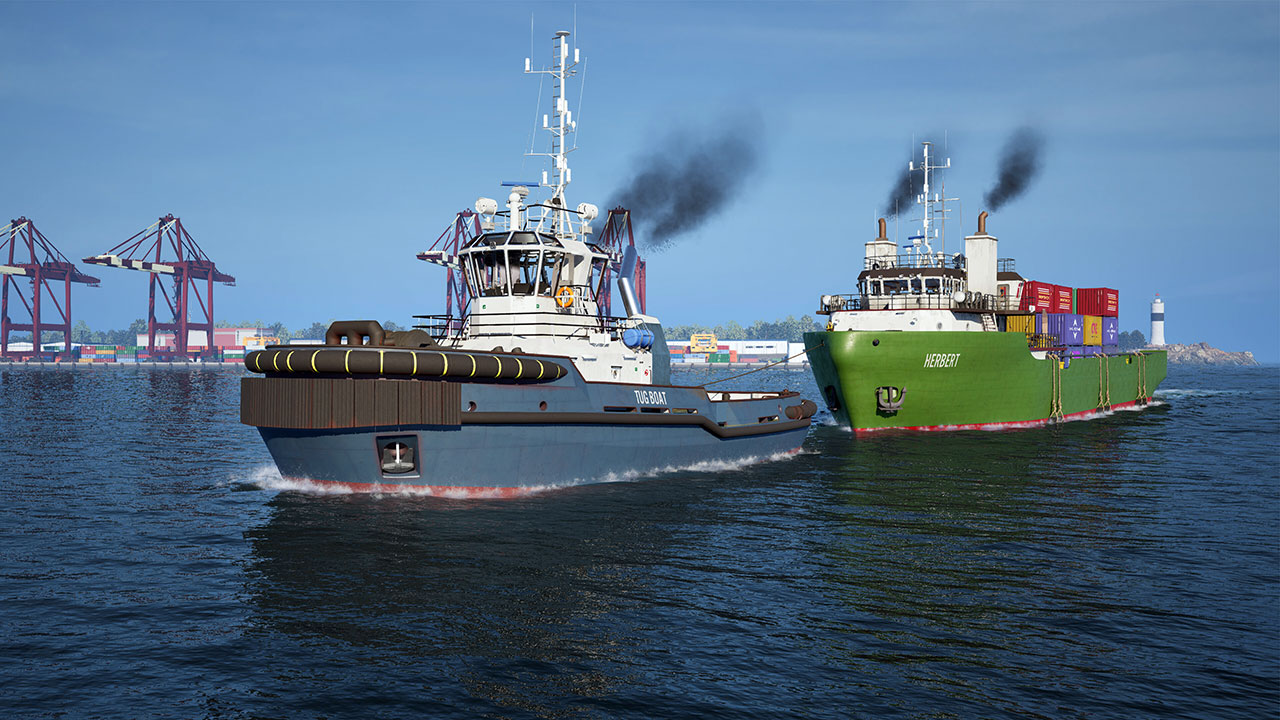
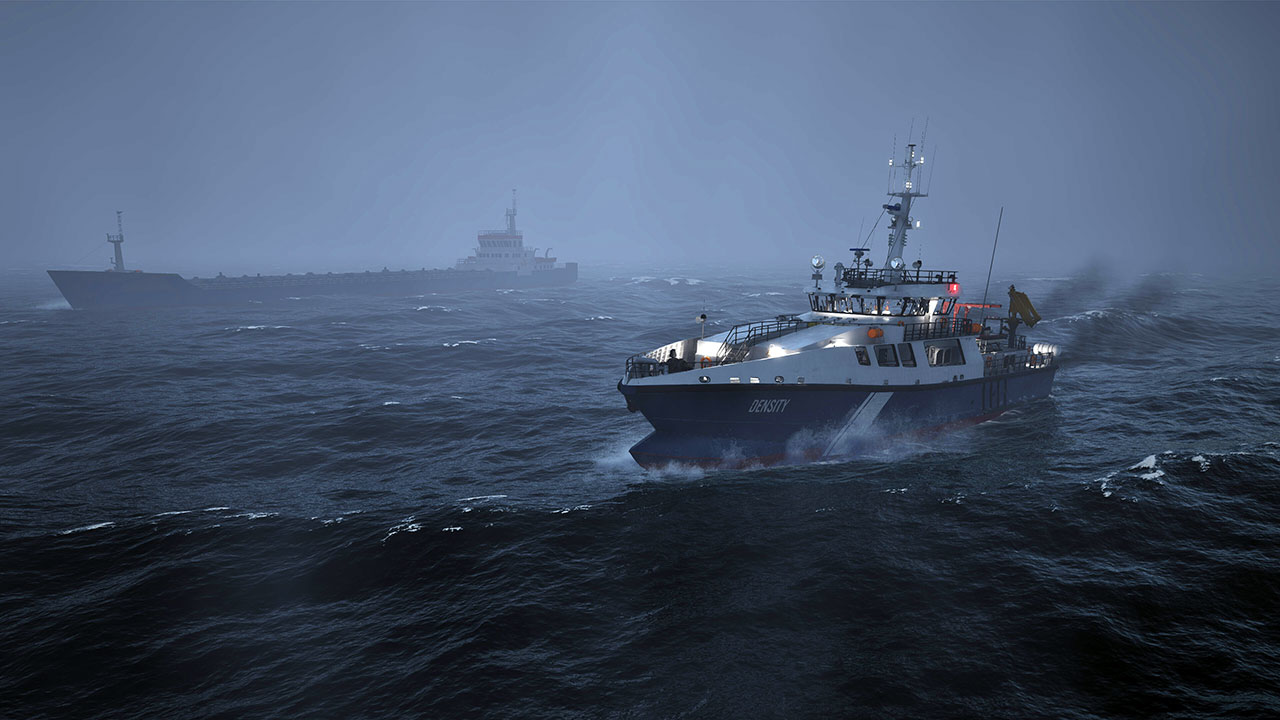
On paper, Seafarer is the dream game for any maritime enthusiast. It’s built on the gorgeous Unreal Engine 5, boasting stunning water physics powered by NVIDIA WaveWorks 2.0. The marketing promises a vast open world, a career path where you can haul cargo for Crescentport Logistics or patrol the seas with the Tide Guard, and a fleet of meticulously detailed, fully walkable ships. From the humble tugboat ‘Bernhard’ to the imposing police vessel ‘Density’, you’re meant to feel like a real captain, checking your engines, operating cranes, and customizing your avatar for the journey.
Here’s the thing, though. When you market your game as the next Flight Simulator, you set certain expectations. The big one? A real-world map. And Seafarer doesn’t have one. It’s a fictional world “inspired by North European seascapes”. For many players, this was more than a disappointment; it was a deal-breaker. The community forums lit up with frustration because the game’s core marketing promise seemed to be broken from the start. While the developers cited budget and creative freedom, the damage was done. It created this fundamental mismatch between what was sold and what was delivered.
There Be Squalls Ahead
Okay, so let’s get into the nitty-gritty. This is an Early Access title, and honestly, it feels like it. The game is beautiful in screenshots, but getting it to run well is a whole other story. It’s demanding, with recommended specs calling for some serious hardware. This seems to be a classic case of a smaller studio wielding the immense power of Unreal Engine 5; the visuals are there, but the optimization requires a level of polish that just hasn’t happened yet.
As with any Early Access launch, some systems feel less polished, and there are rough edges that need to be smoothed out. The user reviews on Steam are currently “Mixed,” which seems fair; while many players appreciate the game’s ambition and strong visual fidelity, others have pointed out shortcomings in mechanics or overall depth. Some of the criticism feels justified, while some is just overly harsh. As one player noted, “I’ve played way way worse EA games. This is actually one of the better ones.” There are minor immersion breakers, like characters speaking with full voice acting while their mouths don’t move, but nothing that brings the experience to a grinding halt.
The bigger issue is a complete lack of proper onboarding. The game presents you with complex systems but offers almost no guidance on how to use them. For a game aiming for deep simulation, this is a critical failure. It’s like being handed the keys to a 747 with no manual. Even more baffling is the absence of basic quality-of-life features. The most glaring omission? No autopilot. In a game about long sea voyages, this turns what should be a relaxing journey into a tedious chore of holding down a key for hours.
The Soul of the Ship
So, it’s a bit rough, right? Well, yes. And this is the contradiction that makes Seafarer so frustrating and yet so compelling. Because beneath all that jank, there is a truly fantastic simulation.
When you’re at the helm, the game is incredible. There’s a real, tangible sense of weight and inertia to these massive vessels that feels completely authentic. Each ship handles differently, as it should, and learning the quirks of maneuvering a heavy cargo ferry versus a nimble fire boat is deeply satisfying. This is the core of the game, and the developers absolutely nailed it.
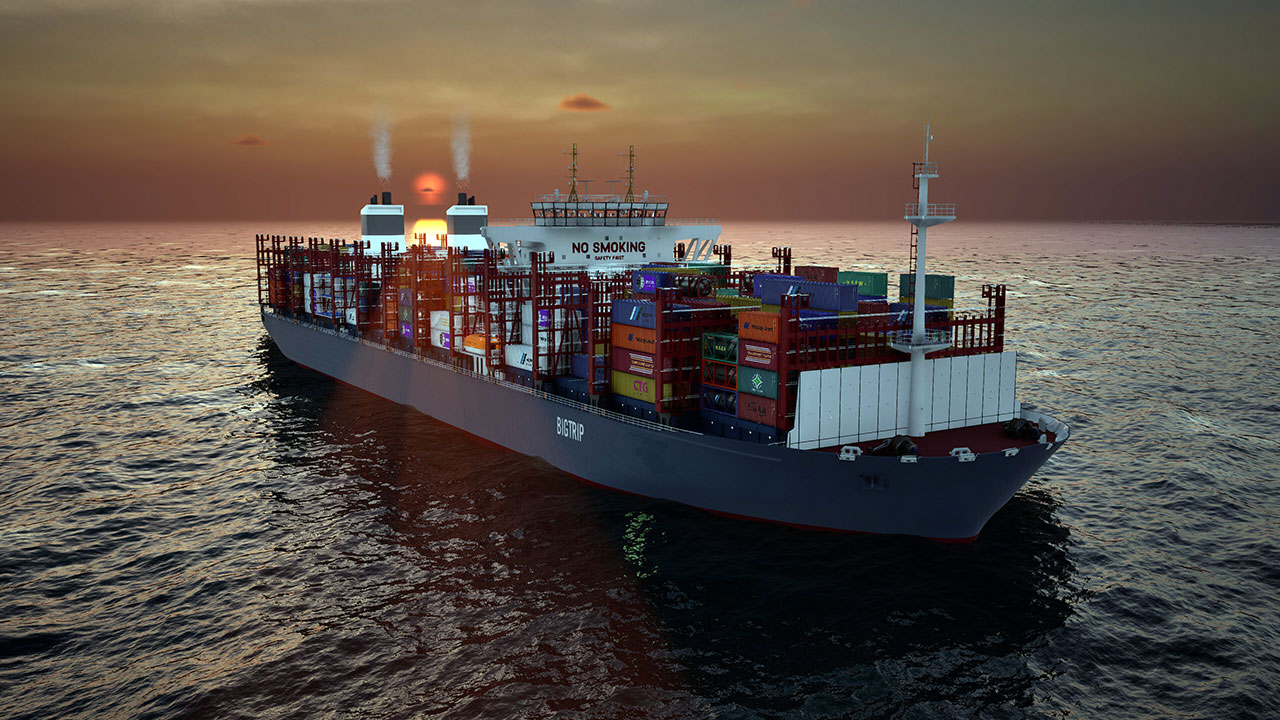
When the performance holds up, the atmosphere is second to none. Watching a sunrise glint across calm waters or fighting to keep your ship steady as a storm rolls in is breathtaking. The ambient sounds of the wind, the gulls, and the low hum of the engine are perfect. The ability to get up from the helm, walk through your ship, and head down to the engine room adds a layer of immersion that fans have wanted for years. It’s almost the perfect “podcast game,” a chill, slow-paced experience you can lose yourself in. Almost. That missing autopilot really hurts its potential here, preventing you from truly relaxing on those long hauls.
What gives me the most hope, though, is the developer’s response. They are clearly listening. Within days of a rocky launch, they were already addressing performance and stability concerns from players. They quickly launched a hotfix on a public beta branch to implement NVIDIA DLSS and address fuel issues, showing a commitment to fixing problems. They are active on the Steam forums, and they have a public roadmap outlining future updates, including co-op multiplayer, a vessel editor, and more ships. The team is fighting hard to right the ship, and it shows they’re in it for the long haul.
The Verdict: Should You Set Sail?
So, should you buy Seafarer: The Ship Sim today? Honestly, it depends.
If you are a hardcore simulation fan, someone who loves the nitty-gritty of maritime mechanics and has the patience for an Early Access journey, then buying in now is a gamble that might just pay off. You’ll be supporting a dedicated development team, and you’ll get to help shape a game that has a solid gold core.
For everyone else? I’d say add it to your wishlist, join the Discord, and keep an eye on the horizon. There is a fantastic game here, a real diamond. It’s just navigating some rough seas right now. Give the developers time to fix the leaks and polish the hull. If they can deliver on their promises, Seafarer could one day be the legendary ship simulator we’ve all been waiting for.