Author - Ripper71

CES 2026: The Good, The Bad, and The Robot That Knocked Itself Out

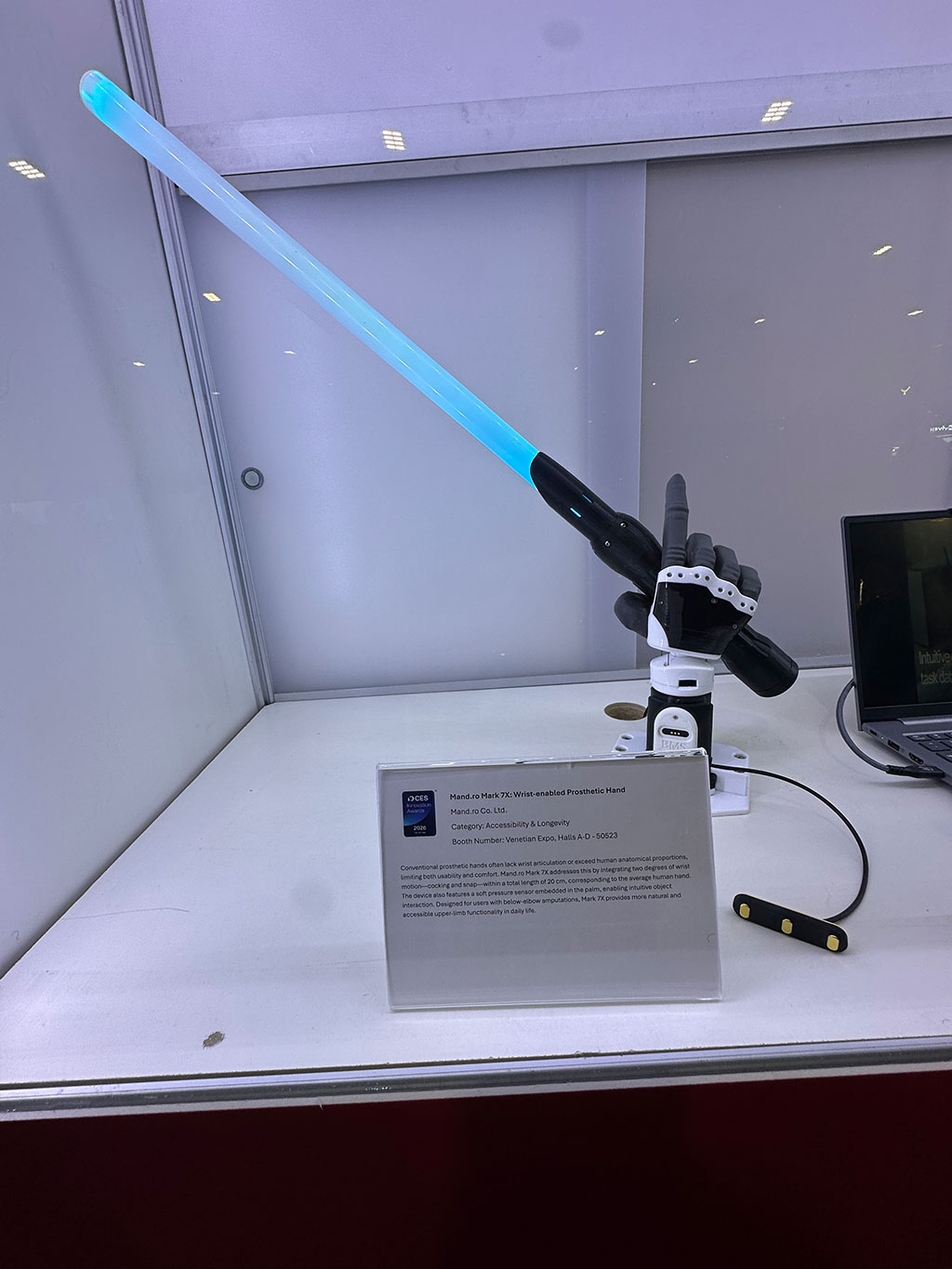
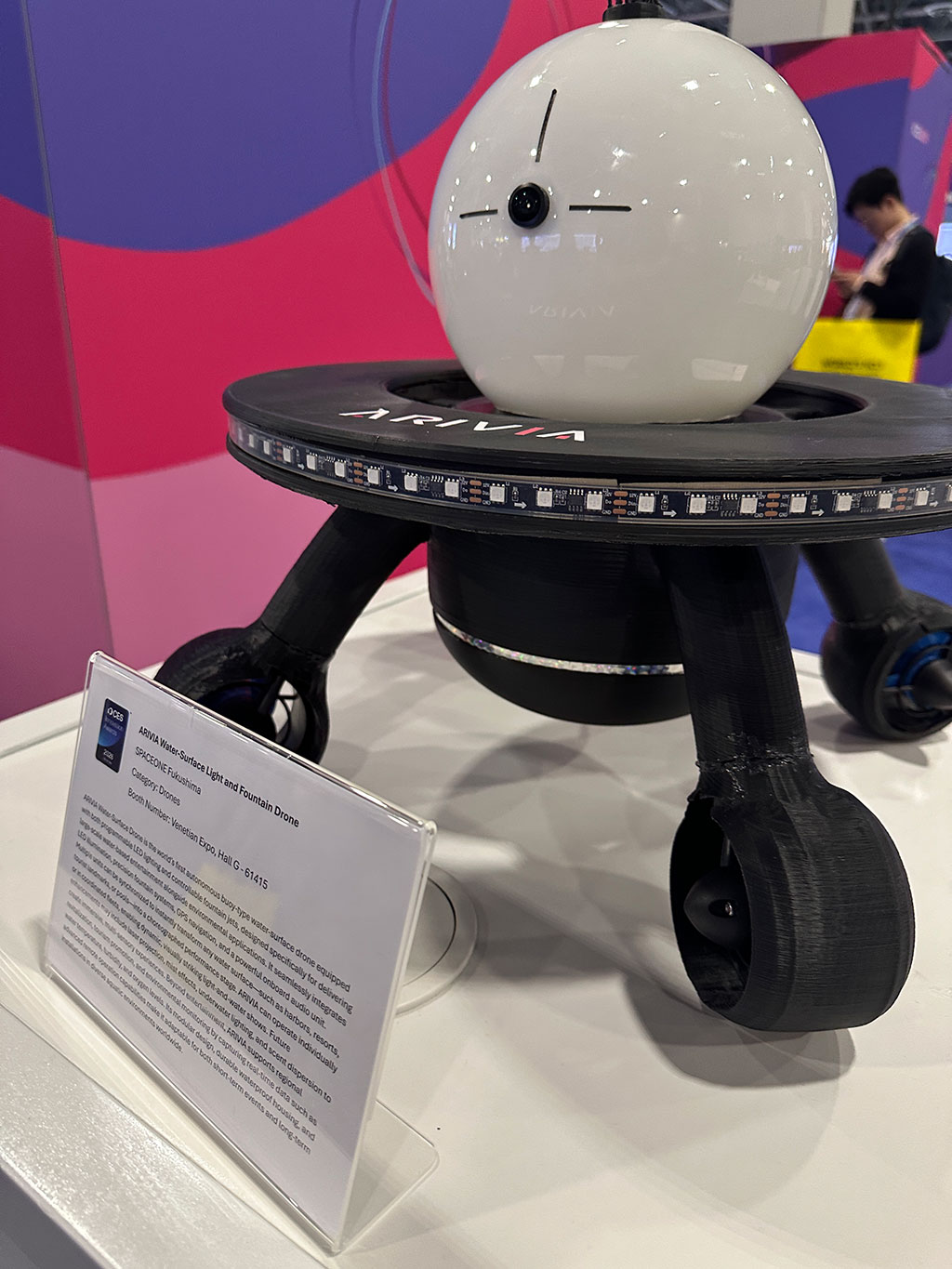
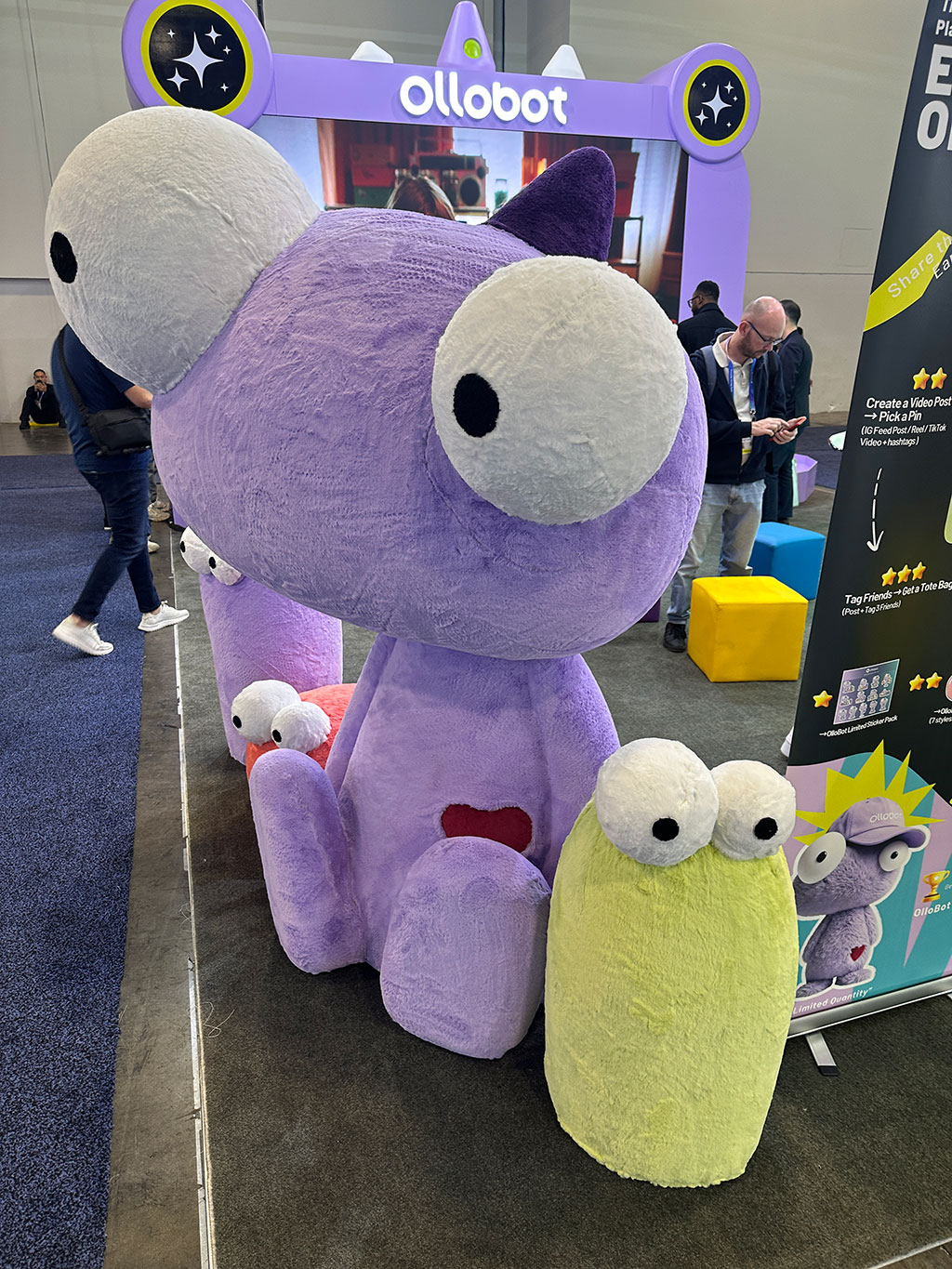
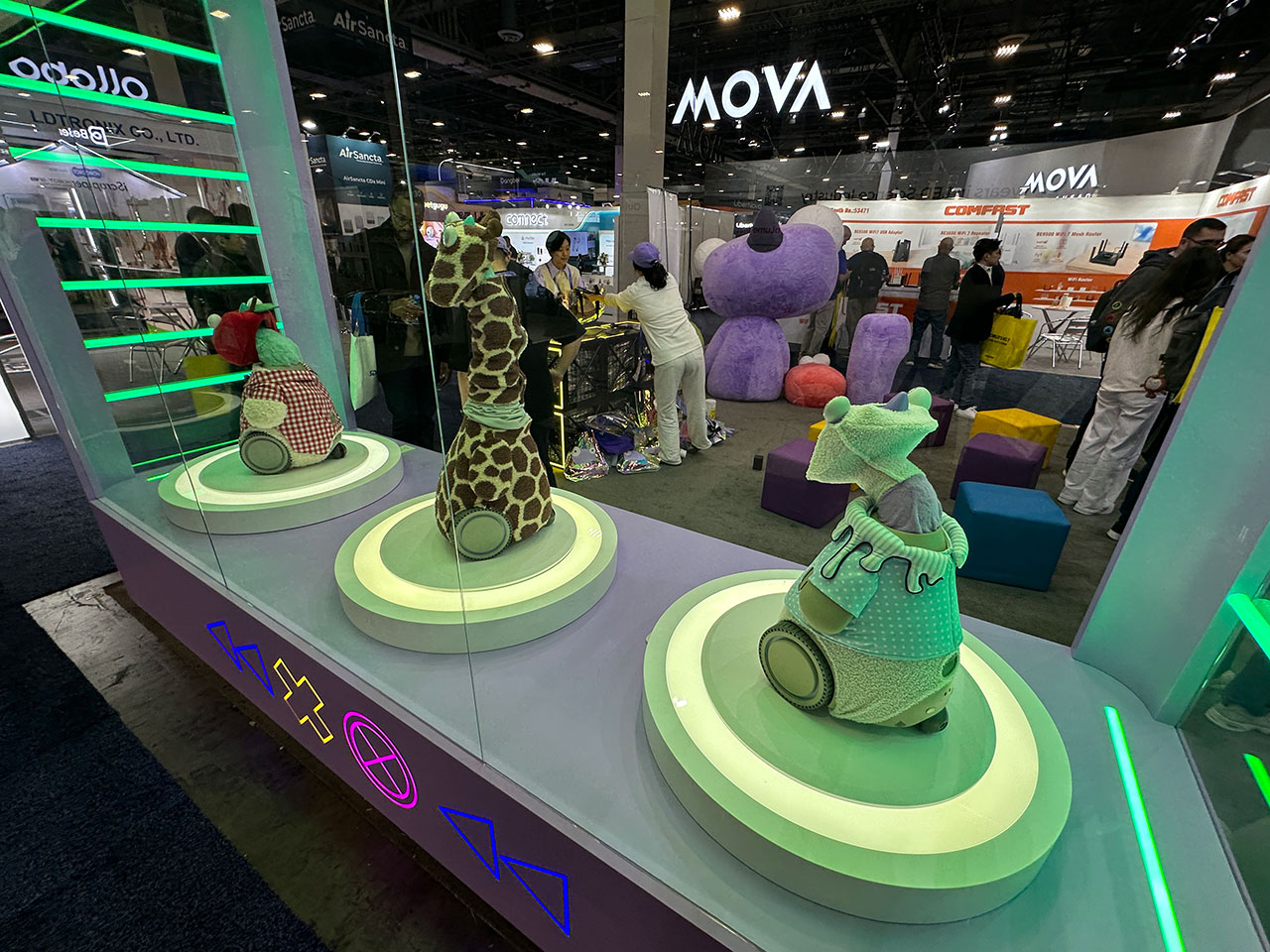
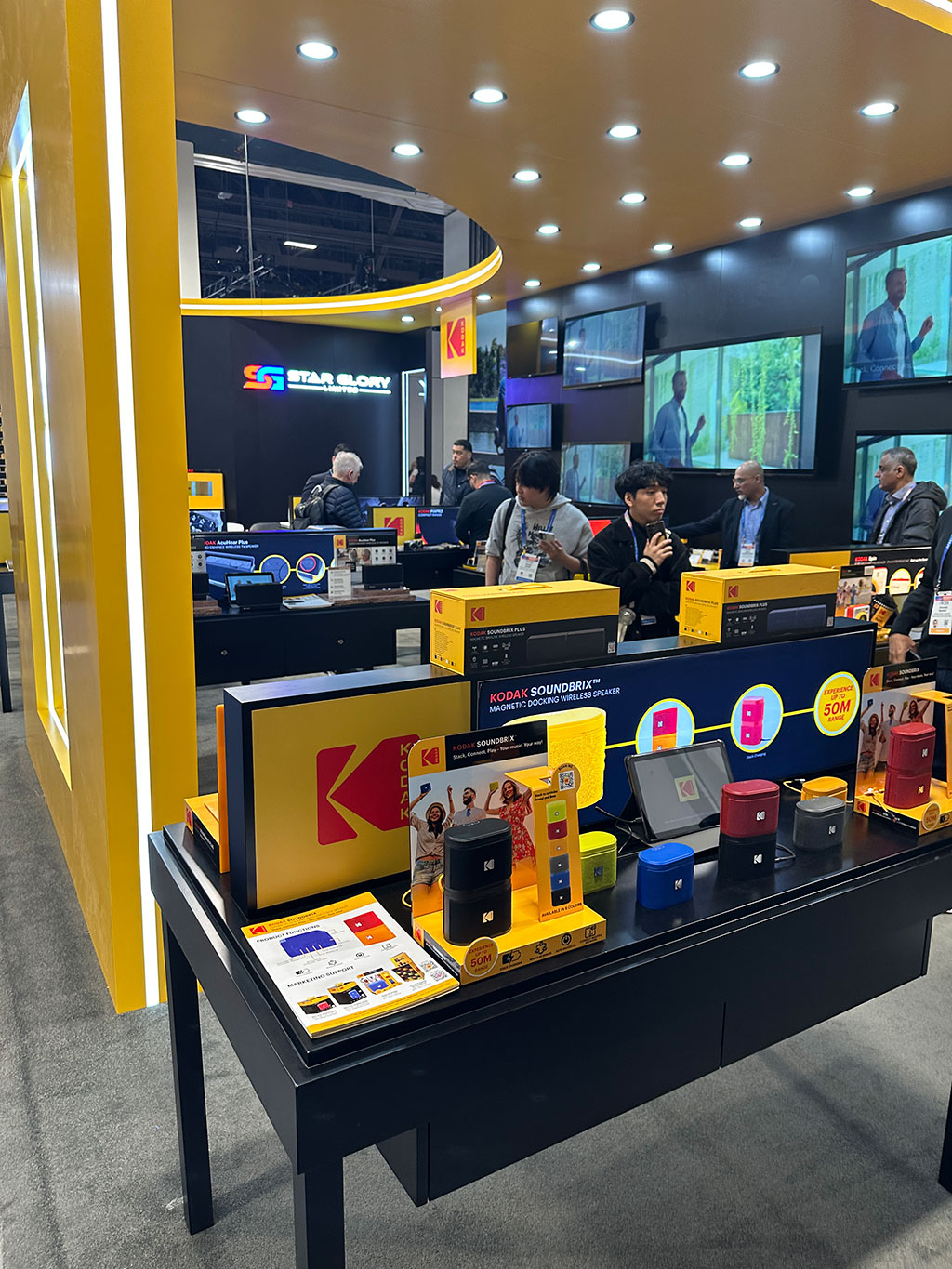
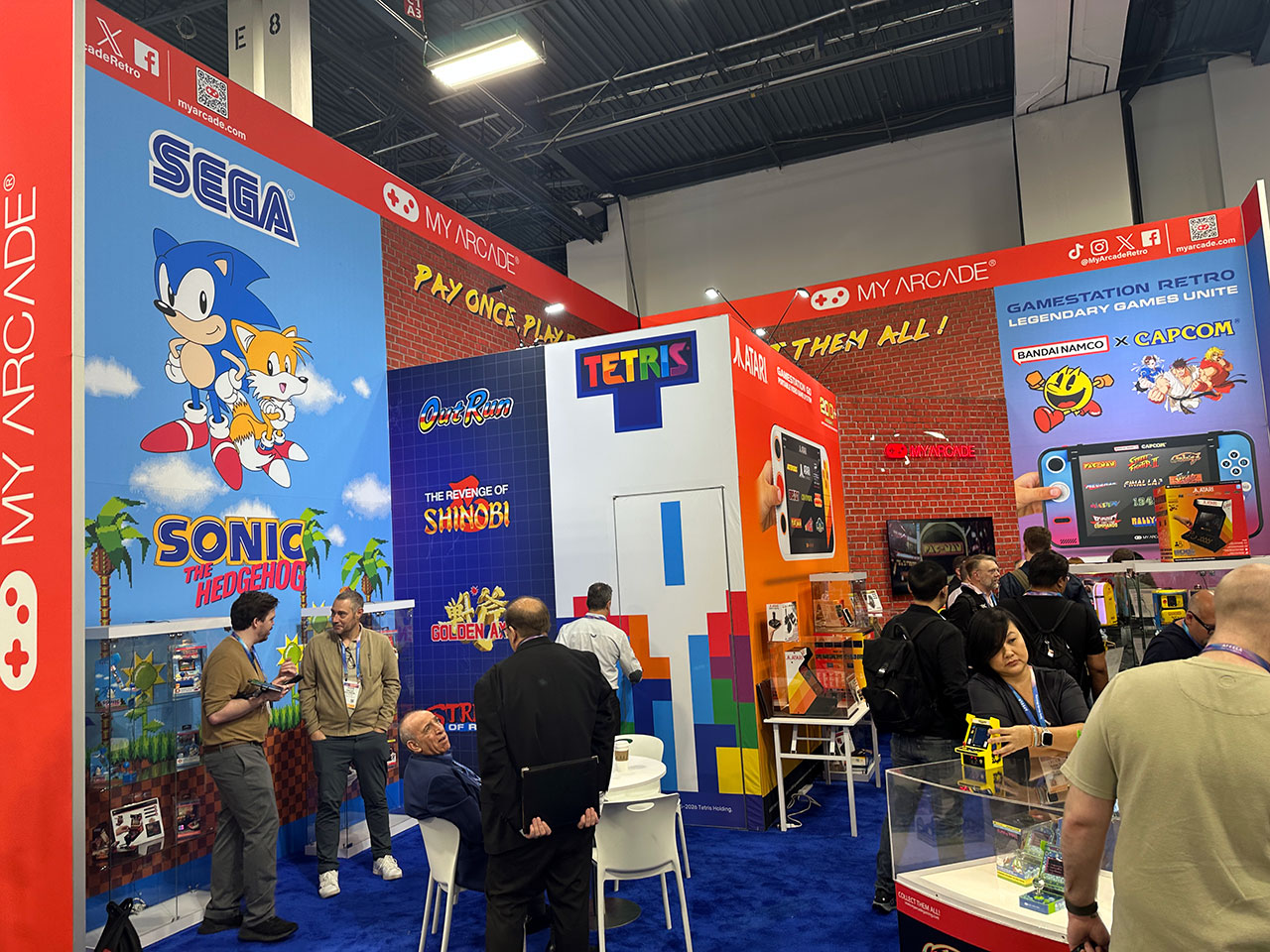
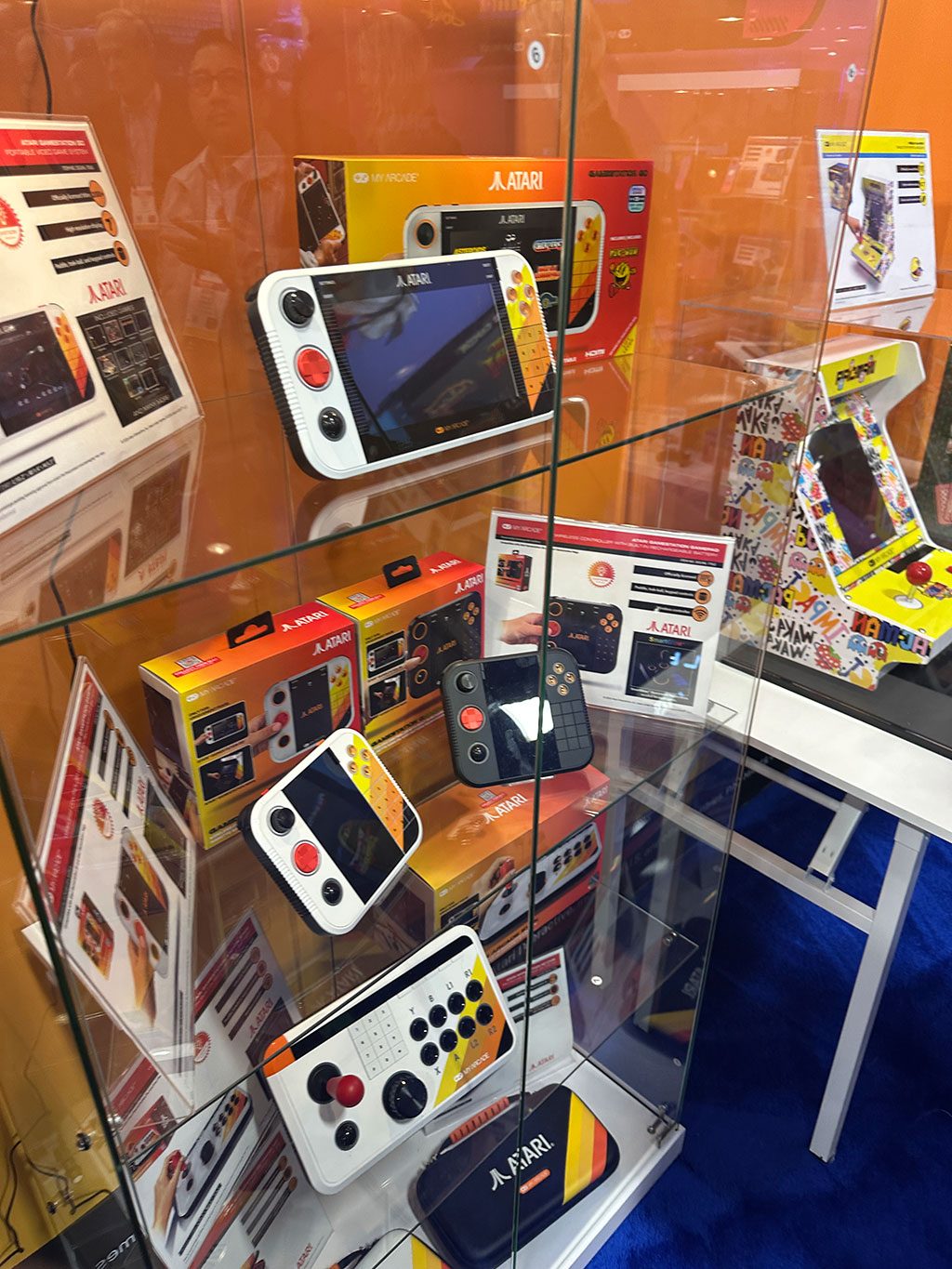
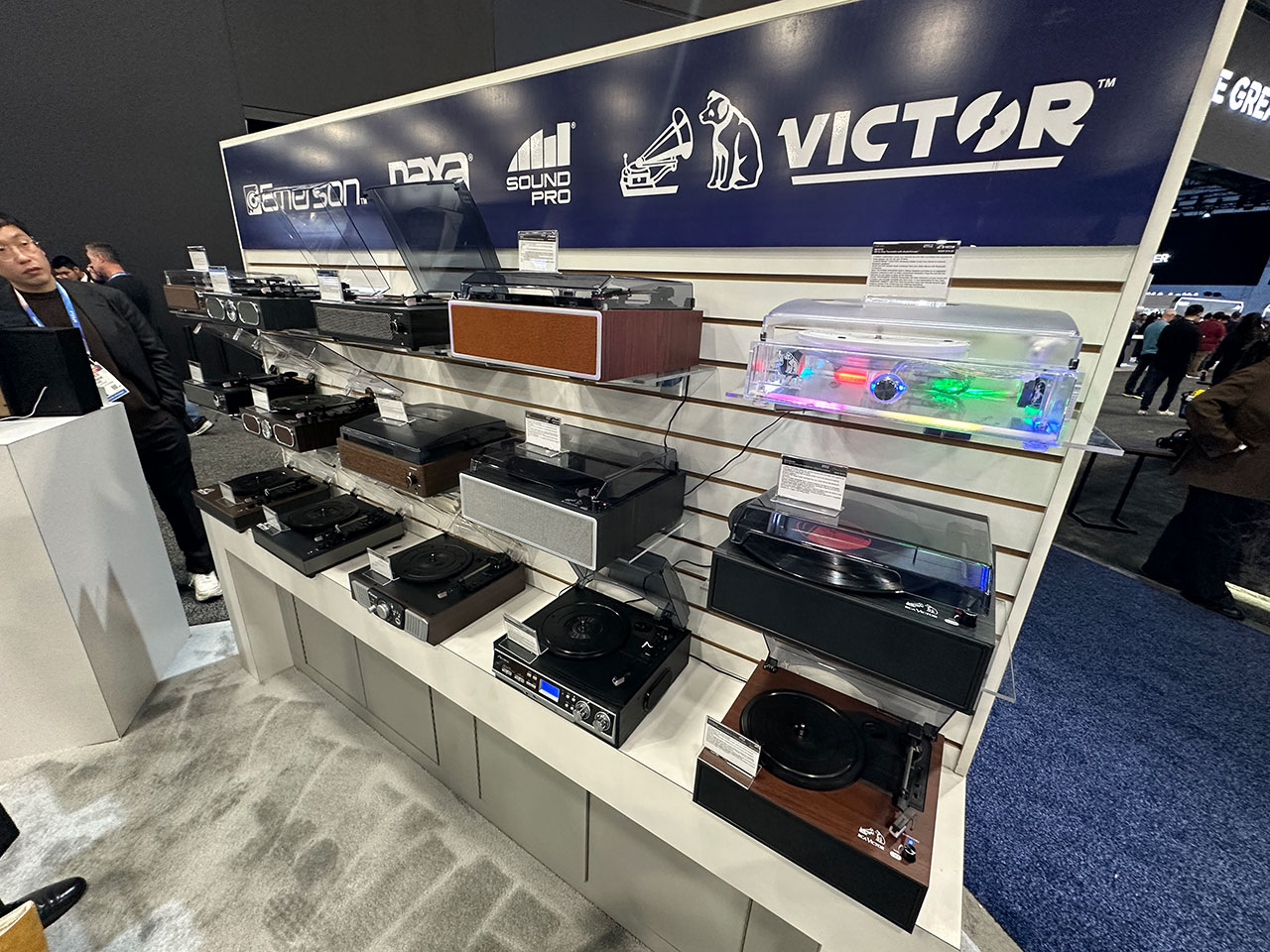
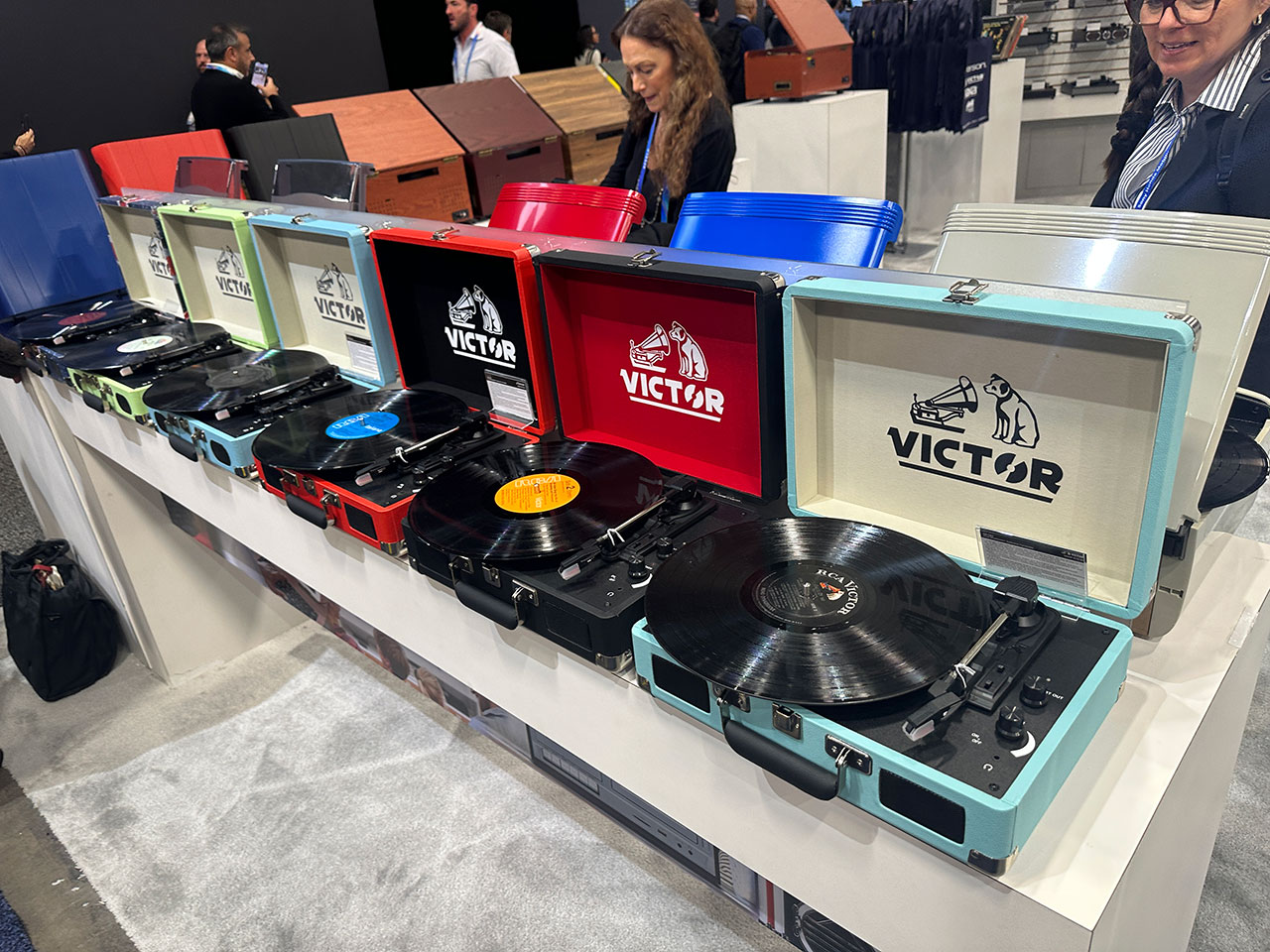
There are very few conventions in the world quite like the Consumer Electronics Show (CES). In the pre-COVID era, the sheer scale of the event was overwhelming; hotel availability in the greater Las Vegas area was non-existent, with locals renting out spare bedrooms and just about every luxury suite on the Strip transformed into a makeshift meeting room for electronic wonders. Then the pandemic fundamentally altered the landscape. For a time, tech giants and celebrities pulled back, fighting simply to get products into consumers’ hands rather than showcasing them at a massive in-person gathering.

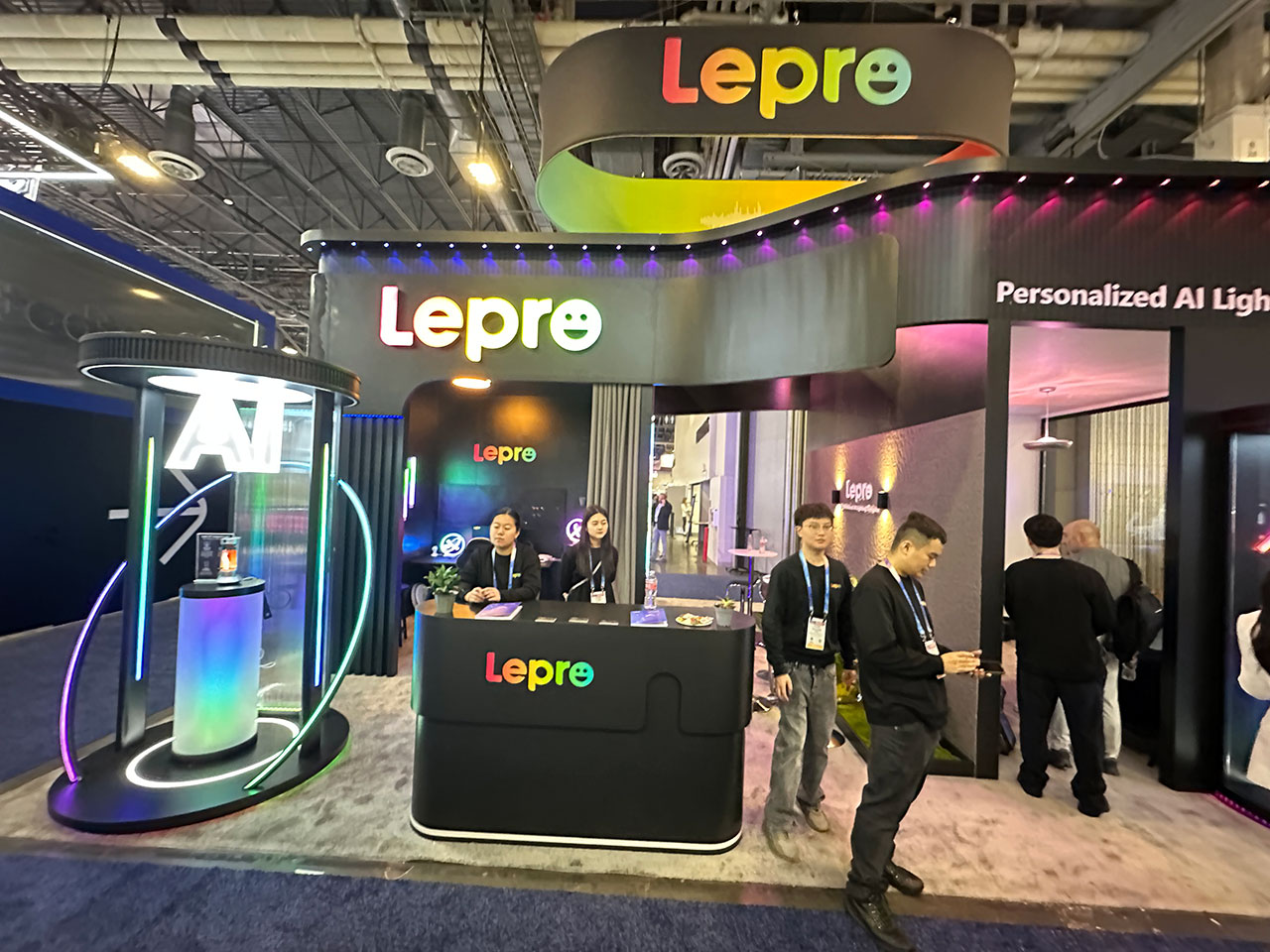
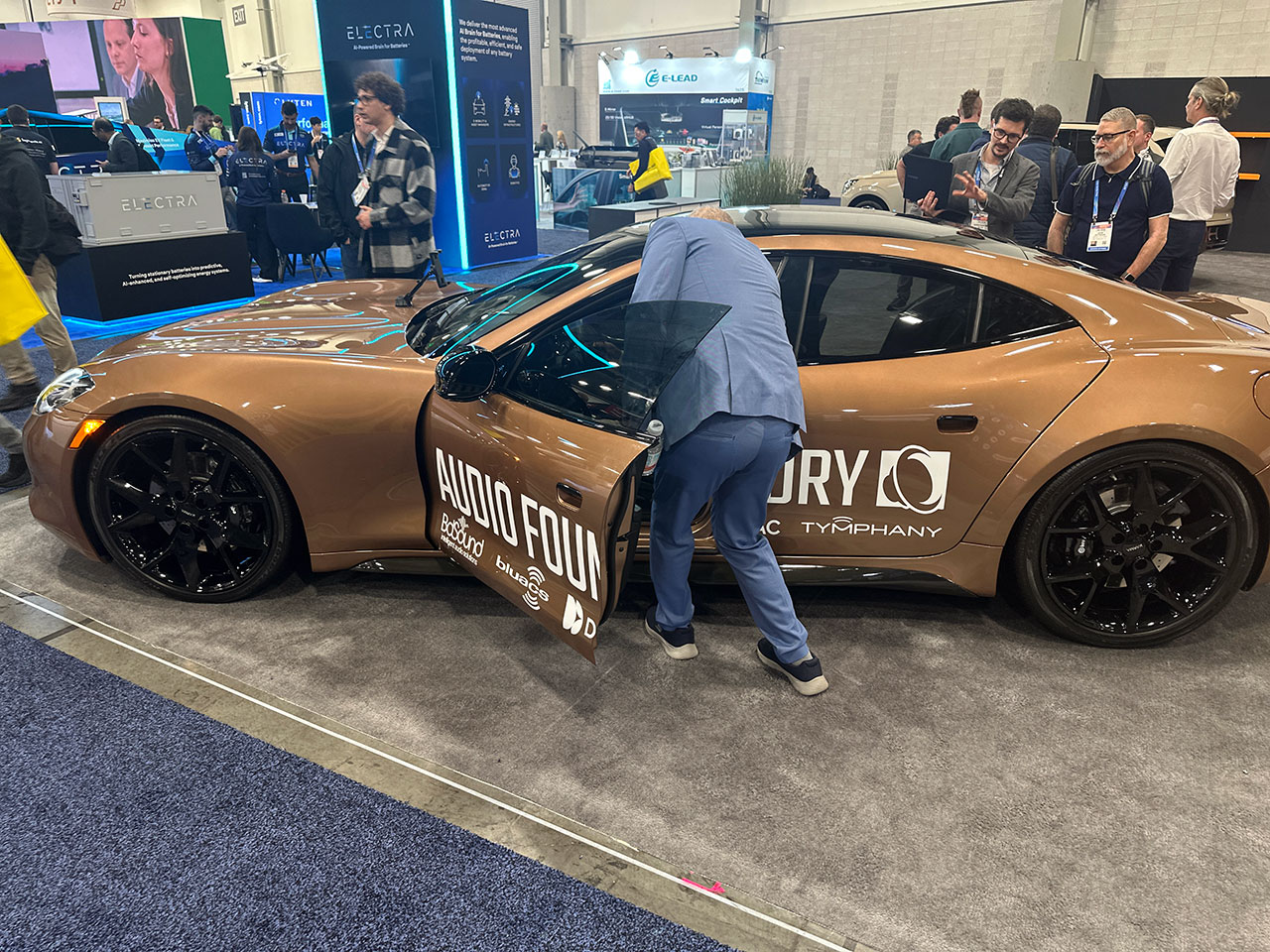
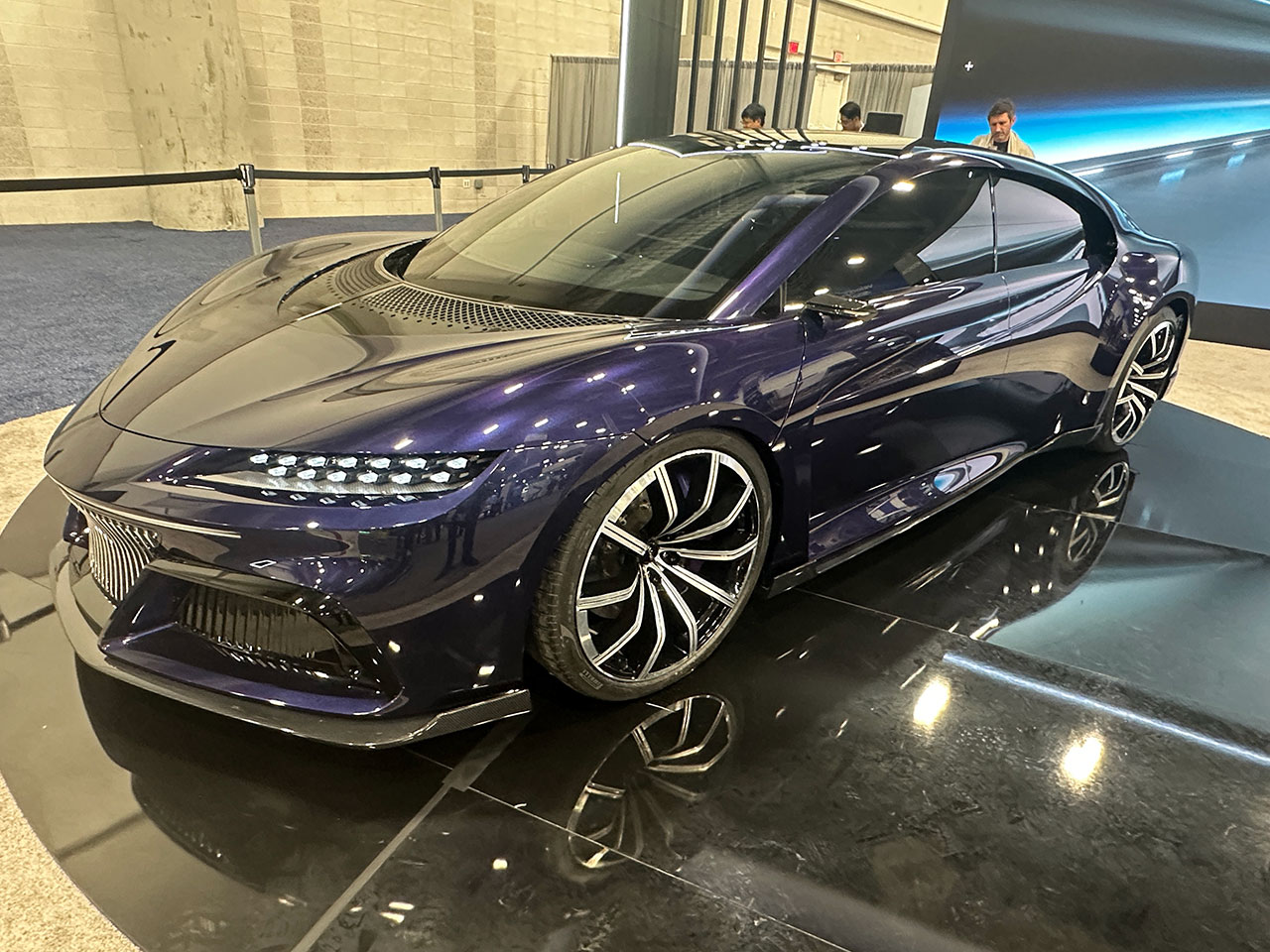
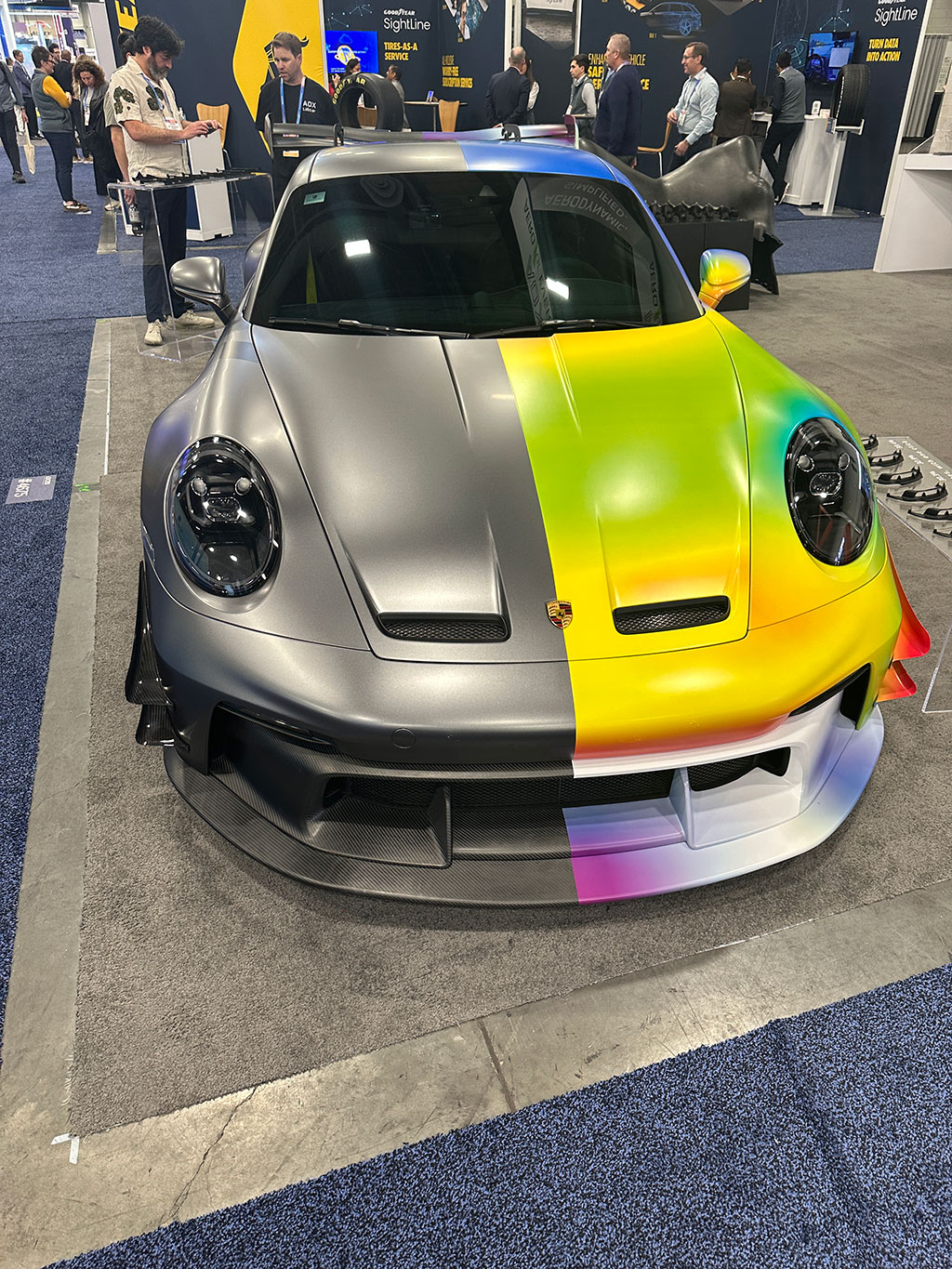
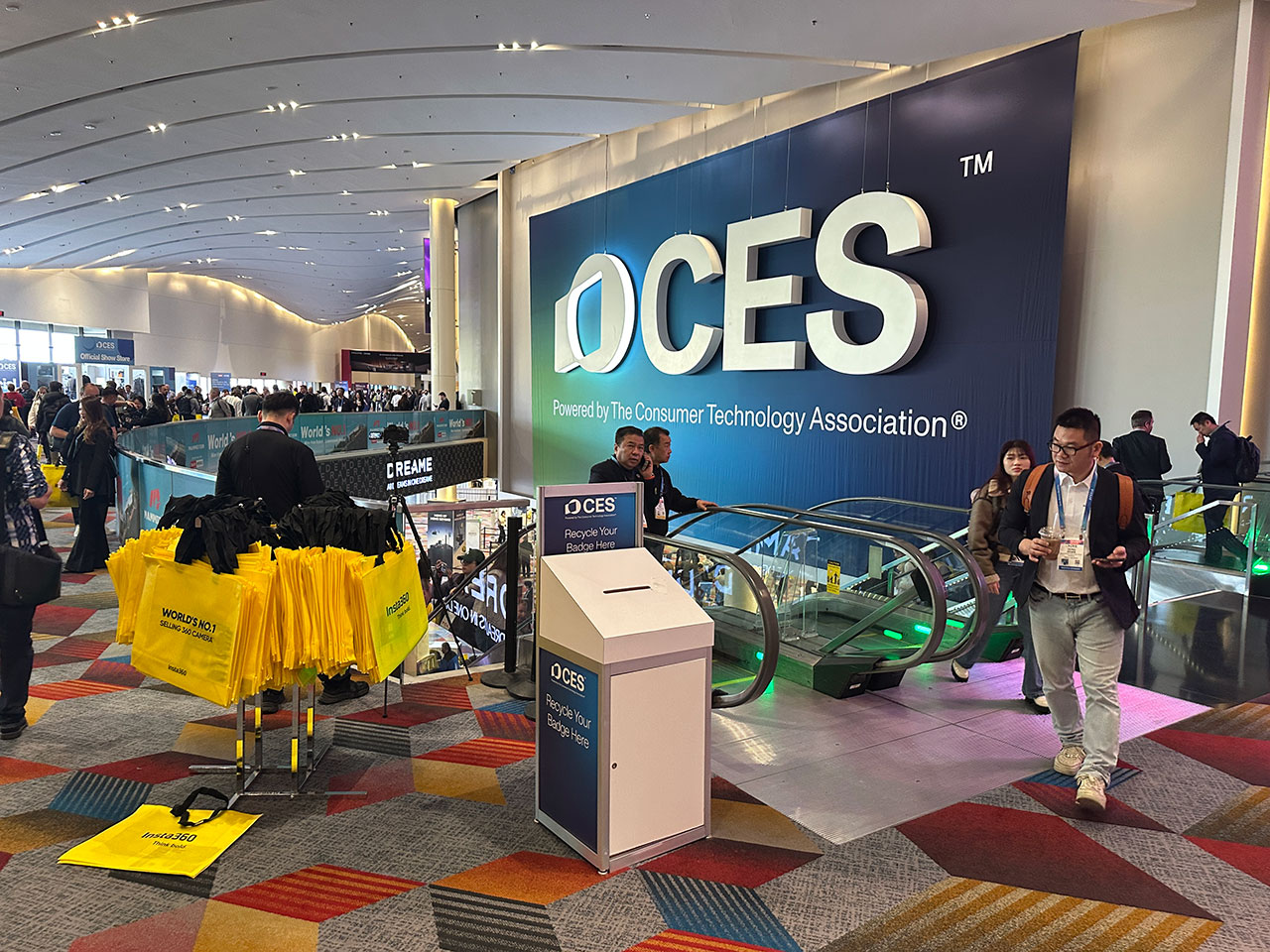
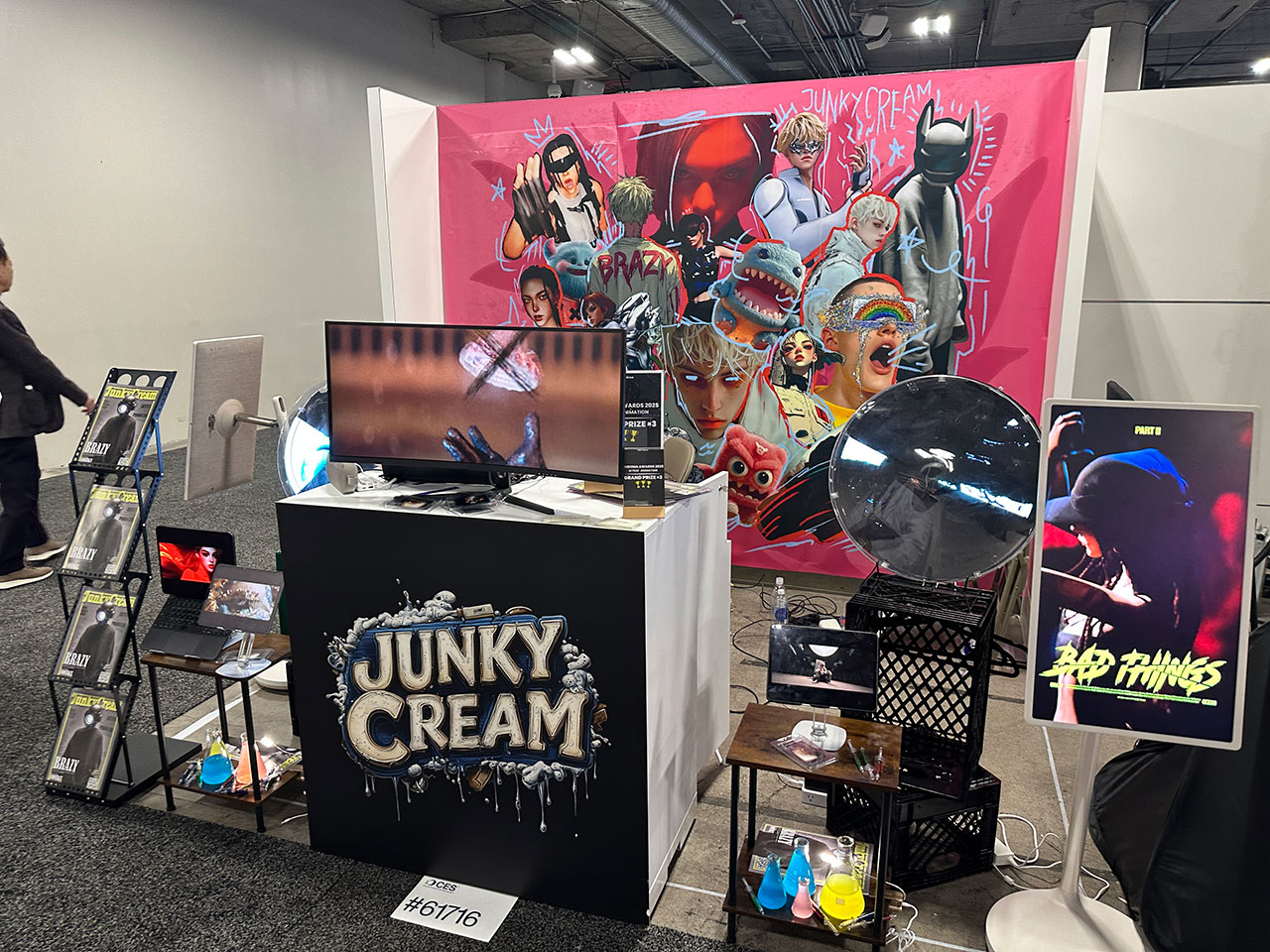
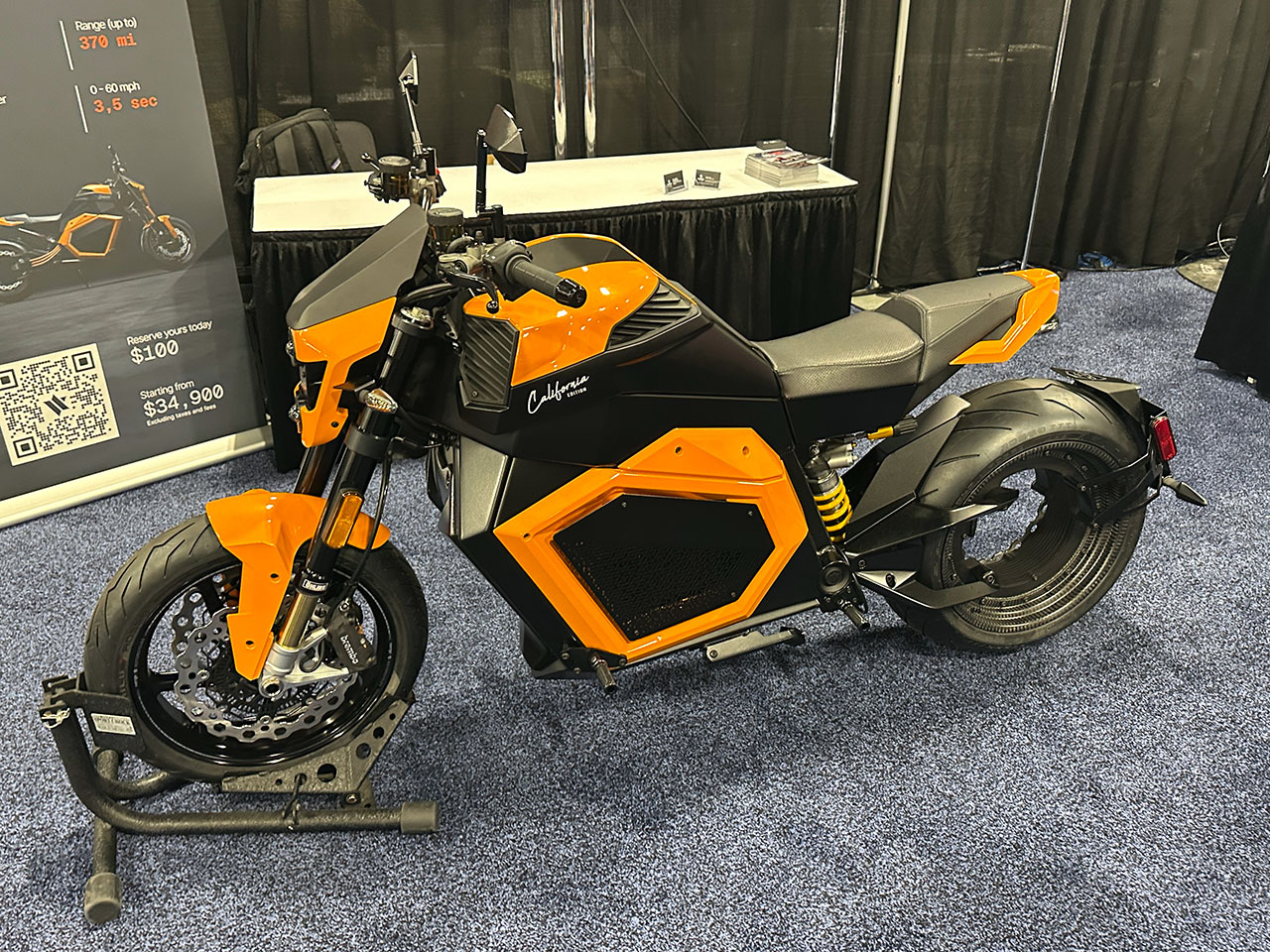
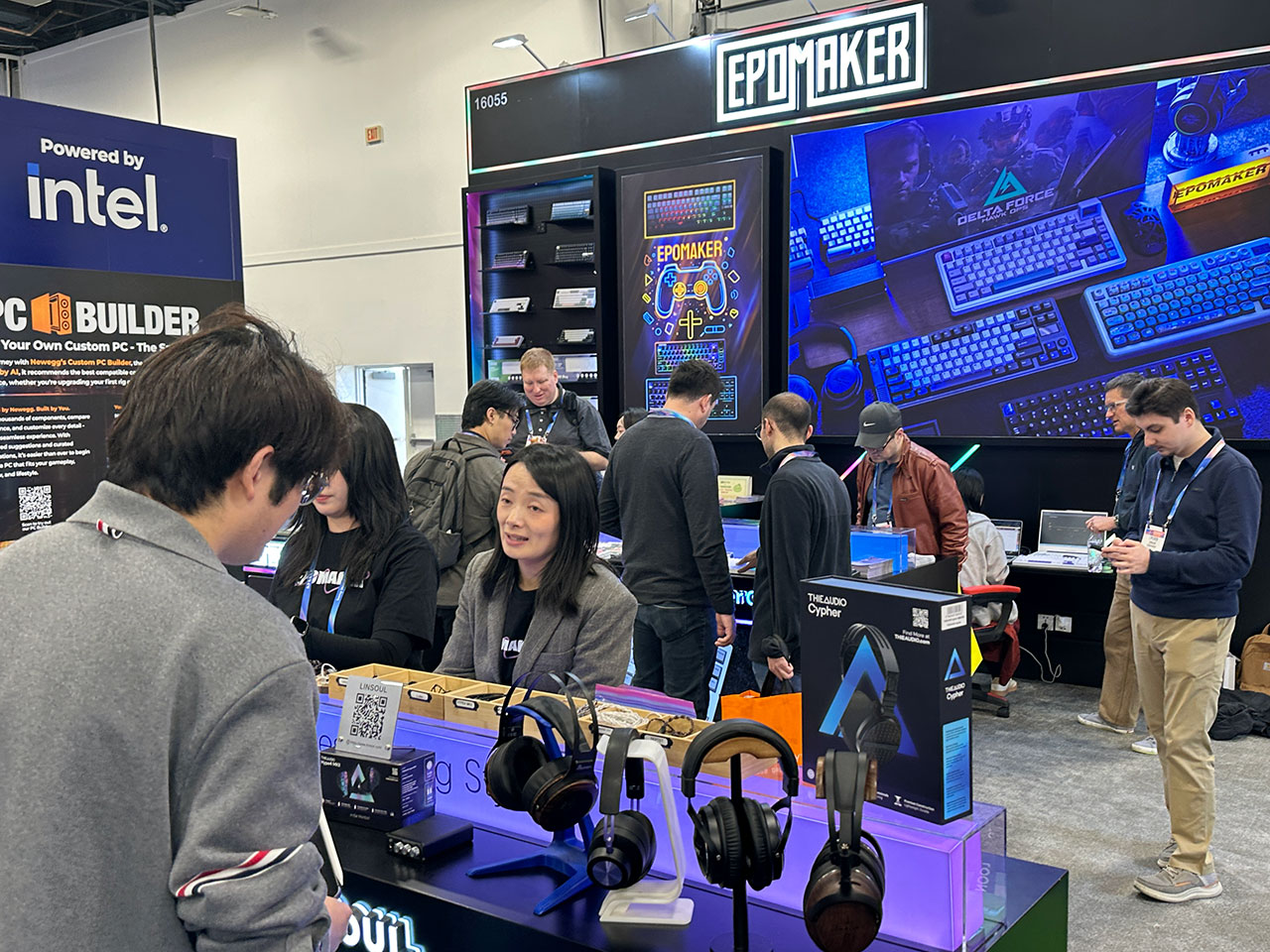
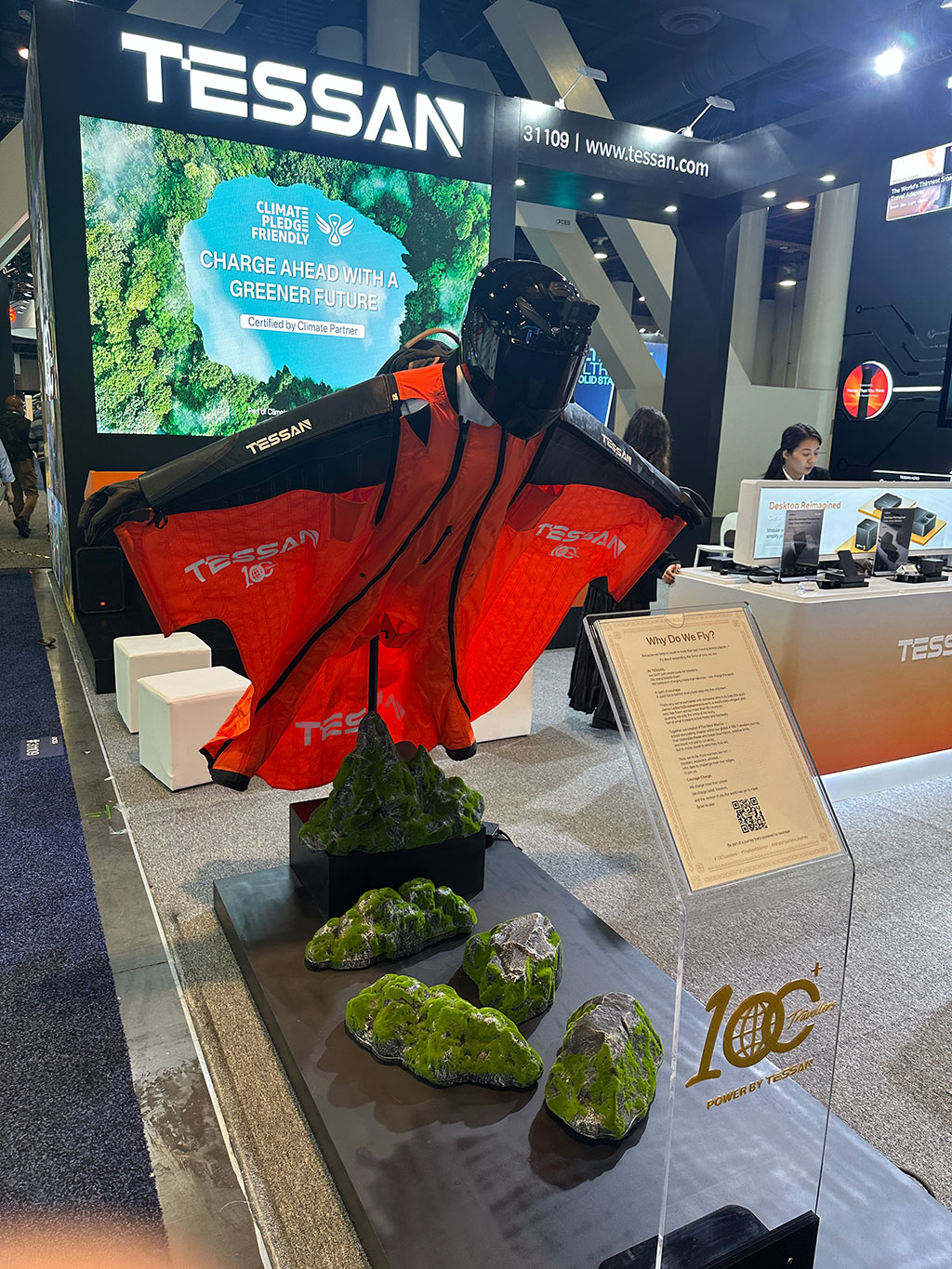
However, CES 2026 marked a definitive return to form. With over 148,000 attendees and more than 4,100 exhibitors filling the city , the show finally felt like “old times” again: Bustling, chaotic, and brimming with energy.

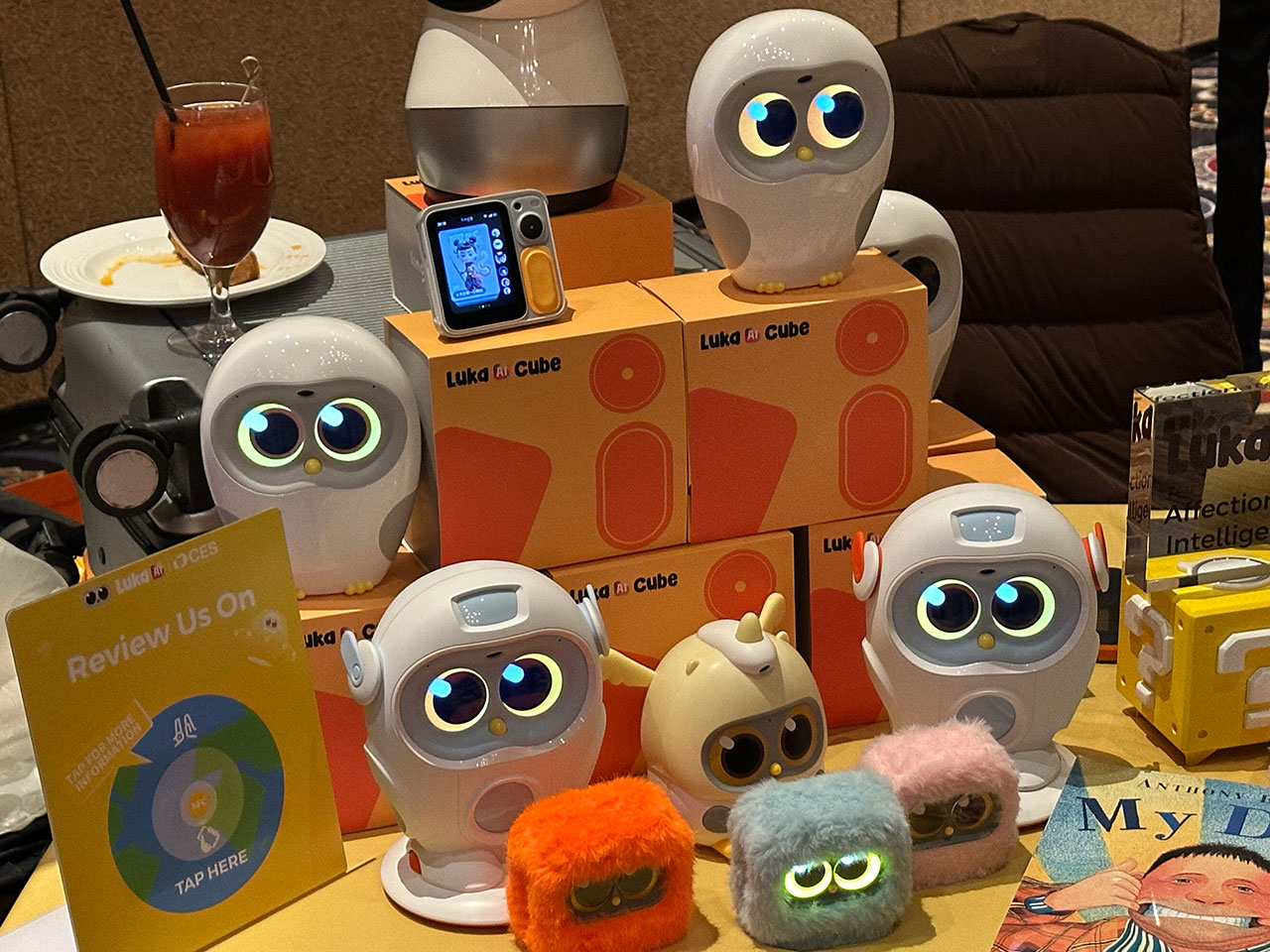
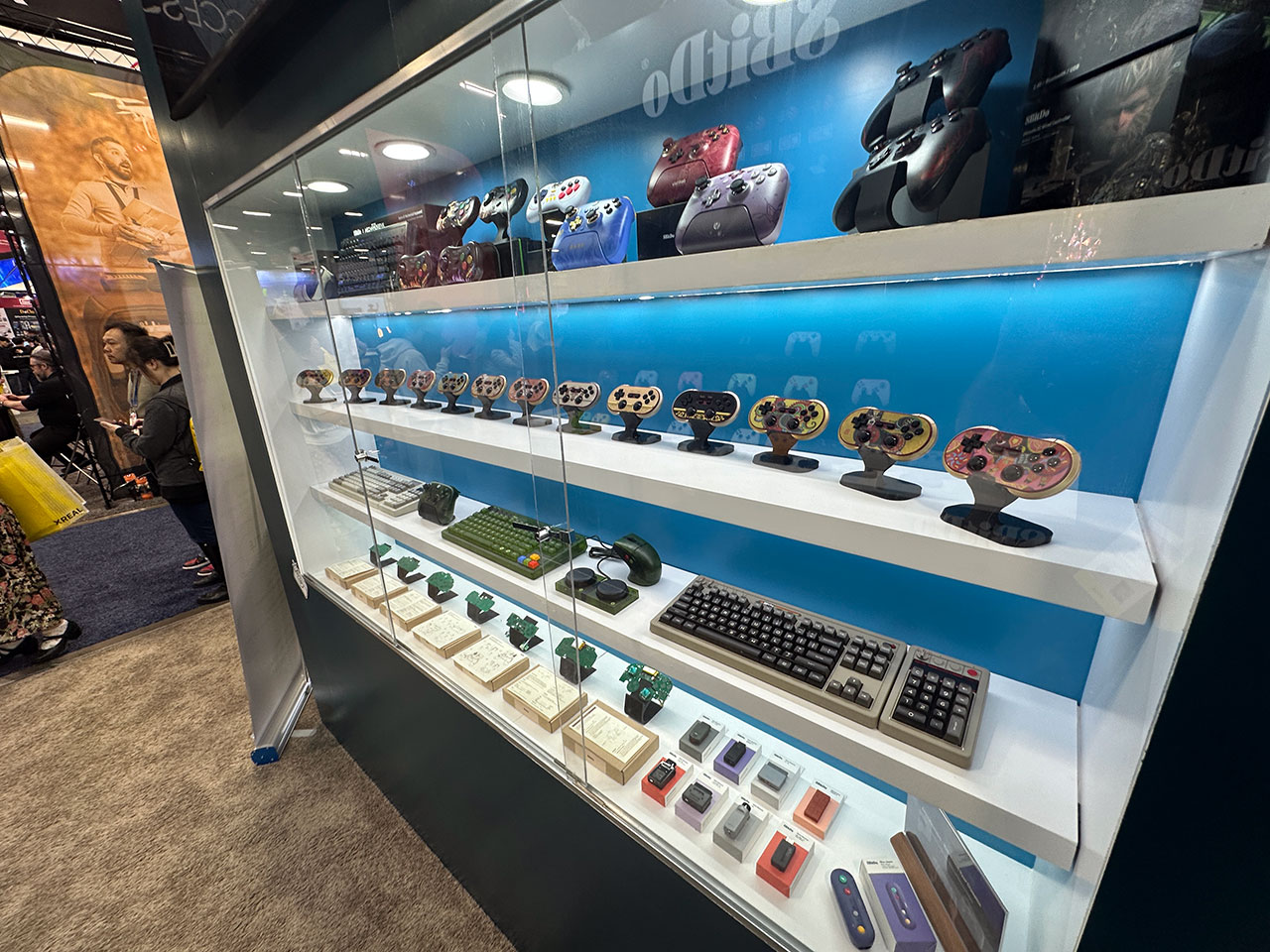
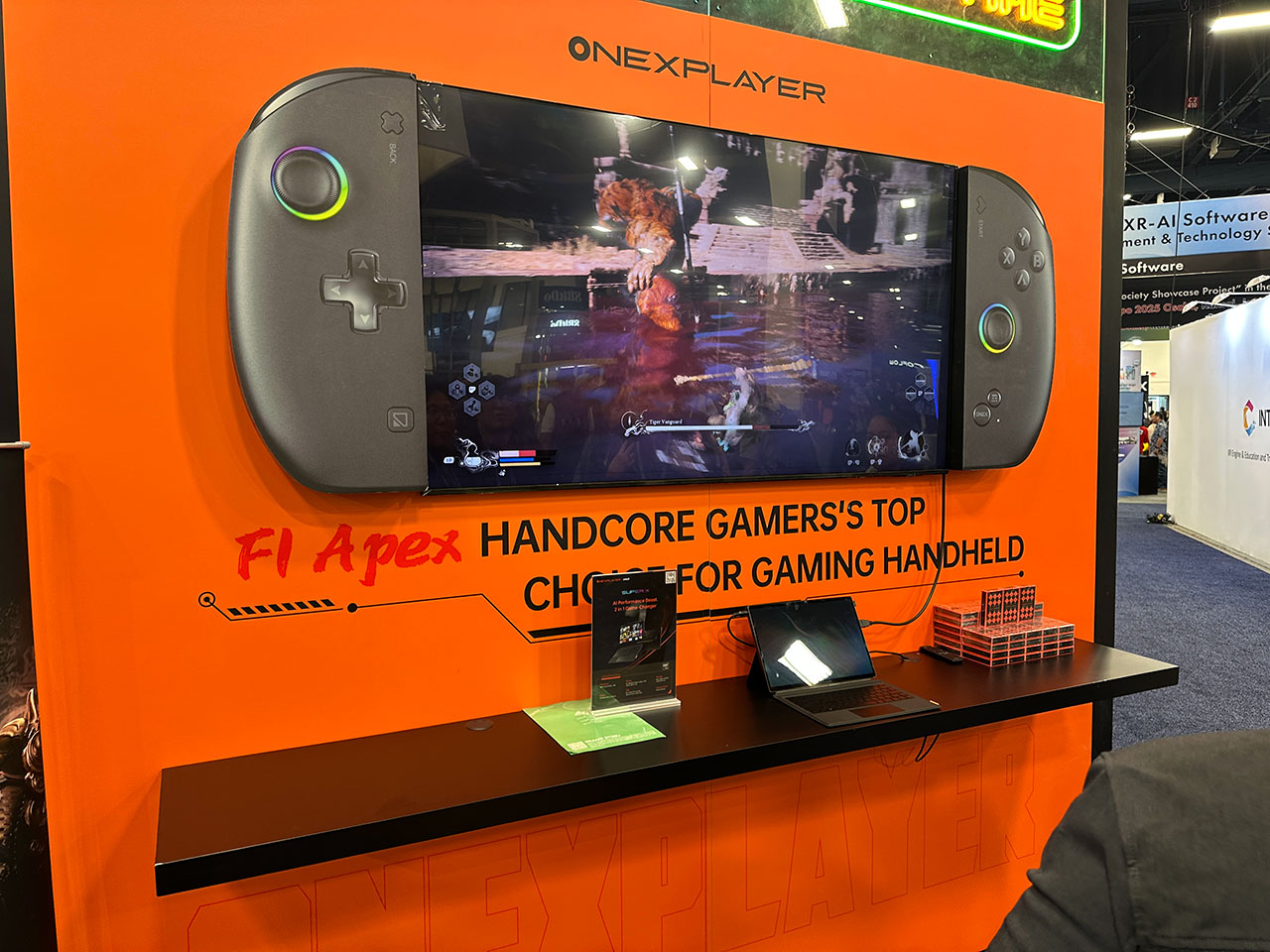
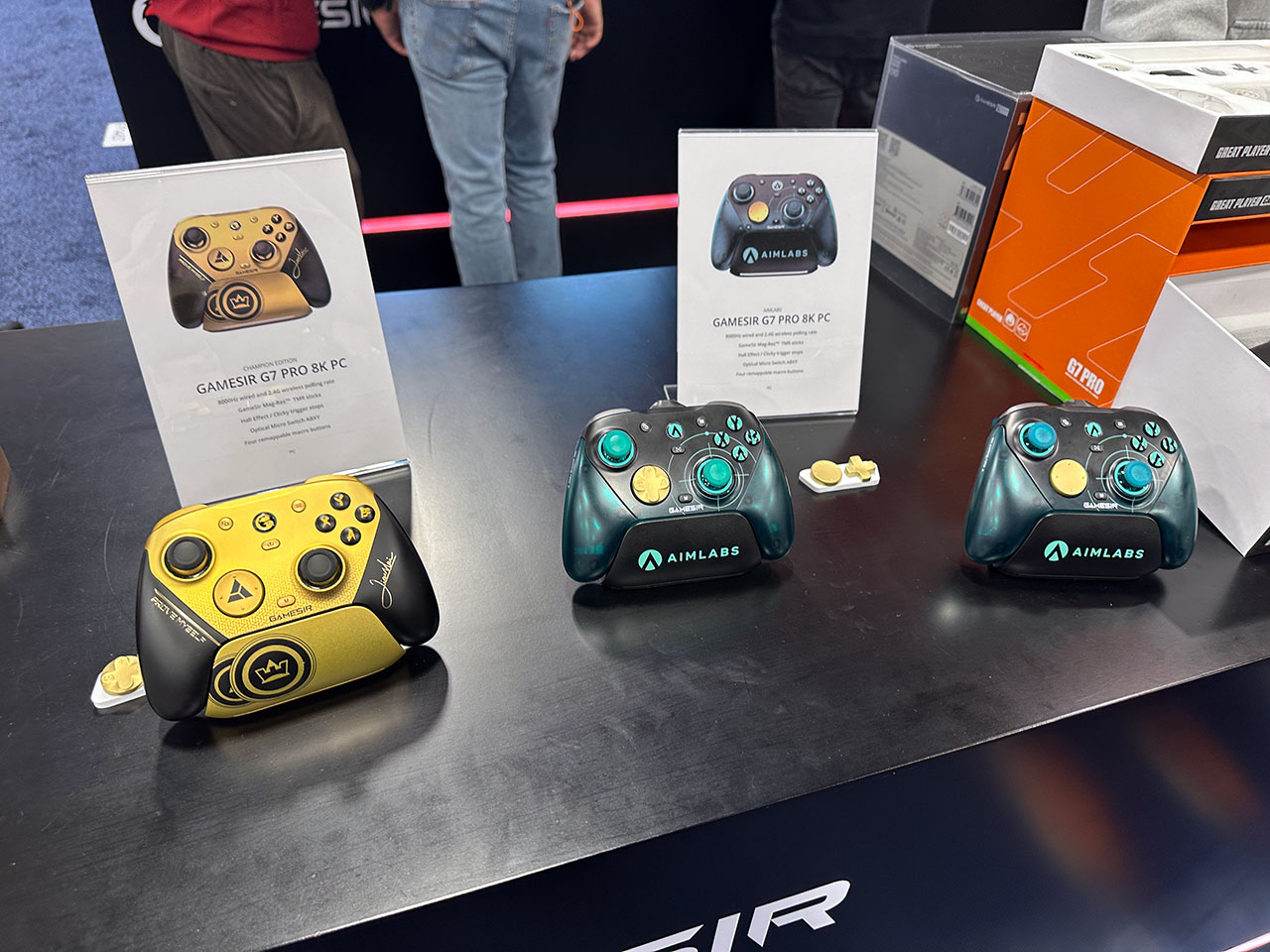
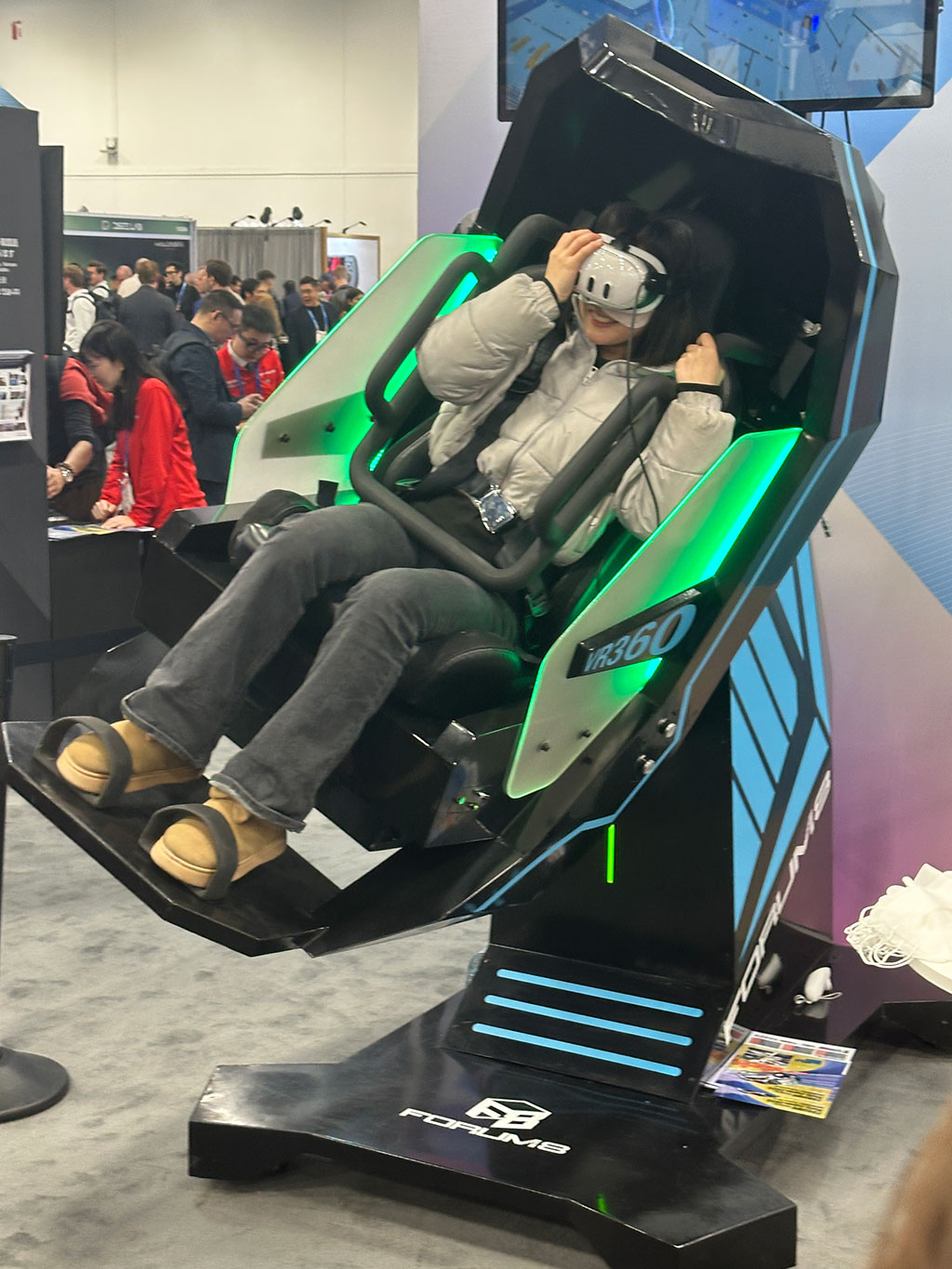
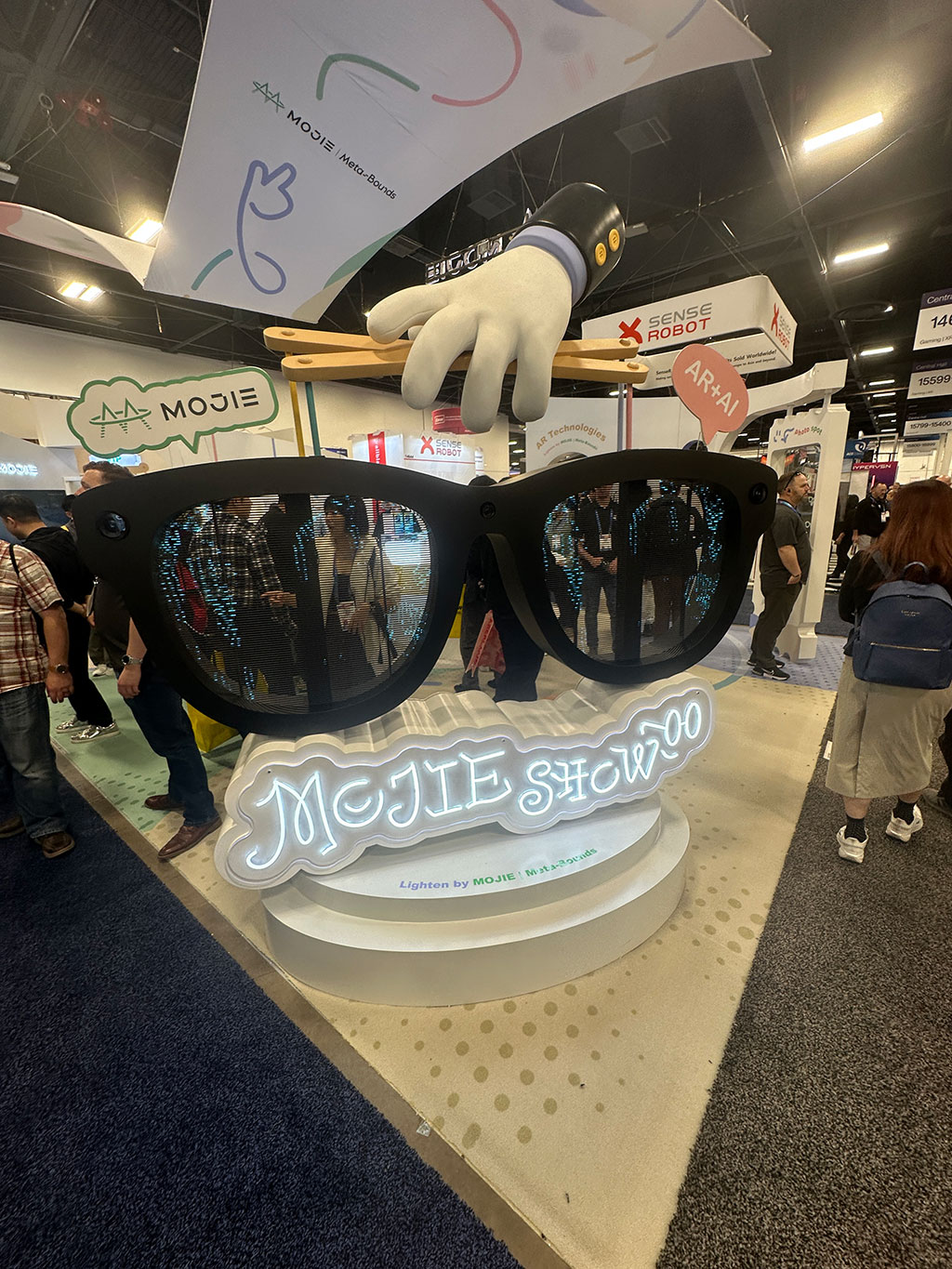
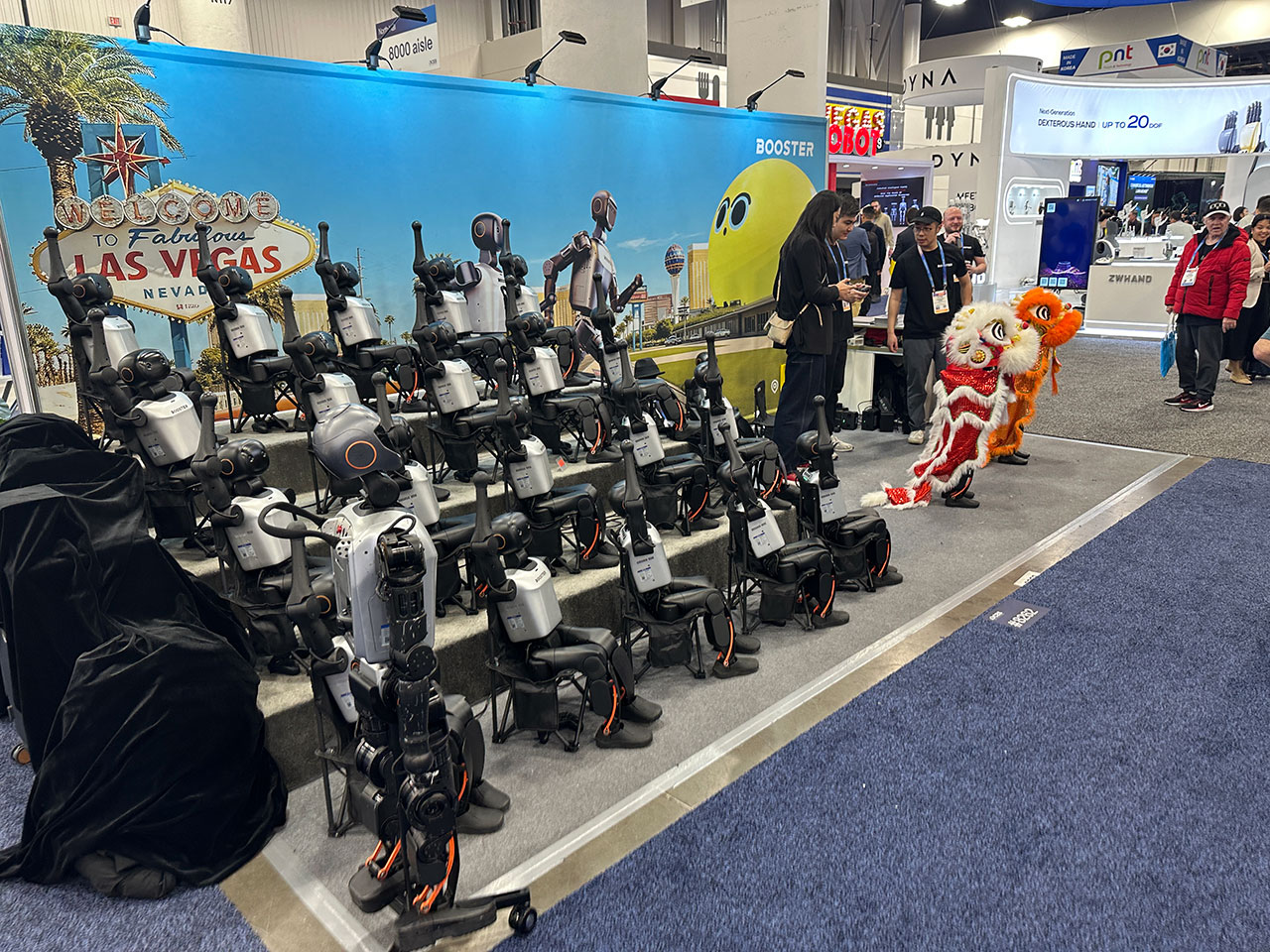
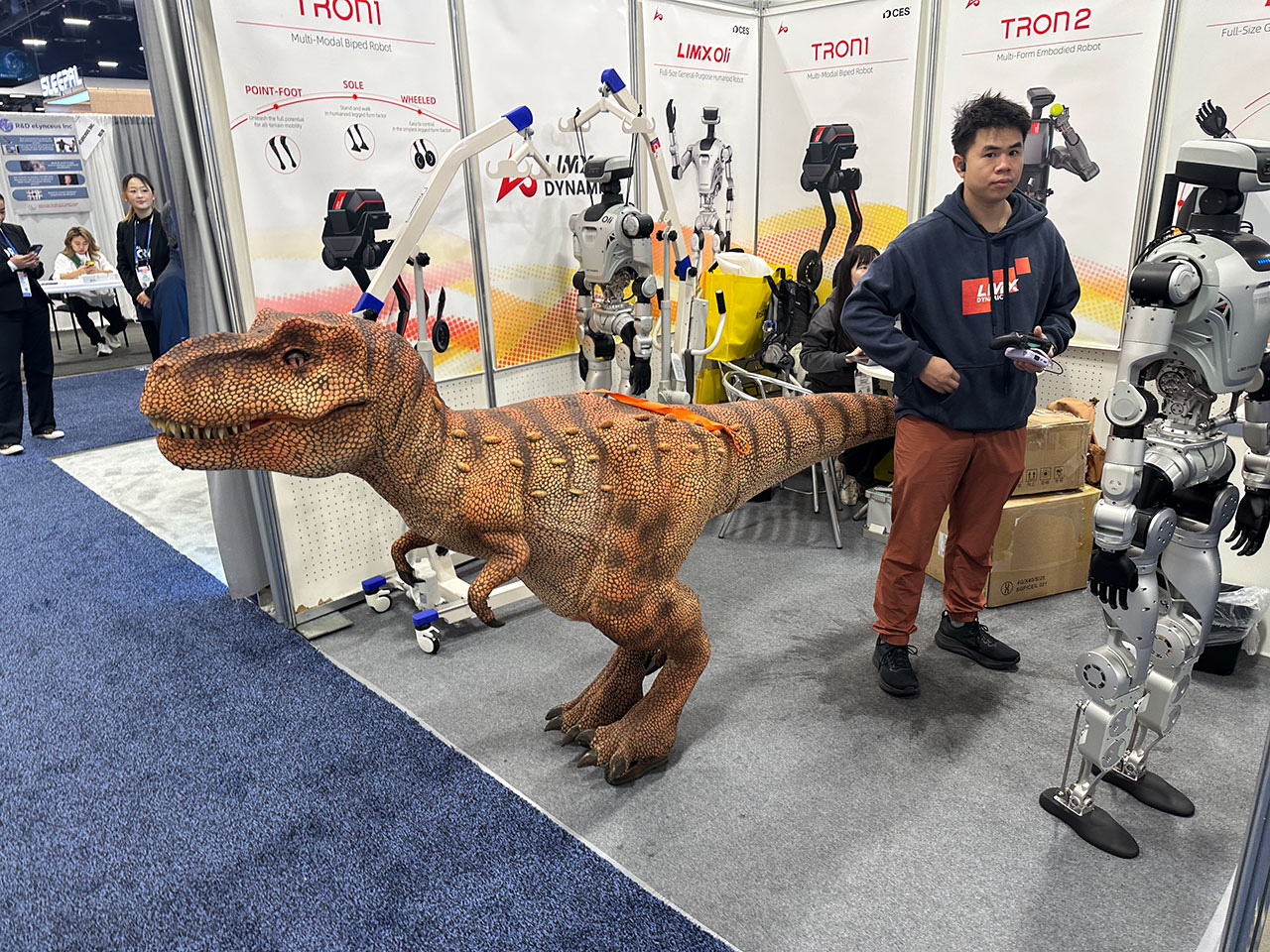
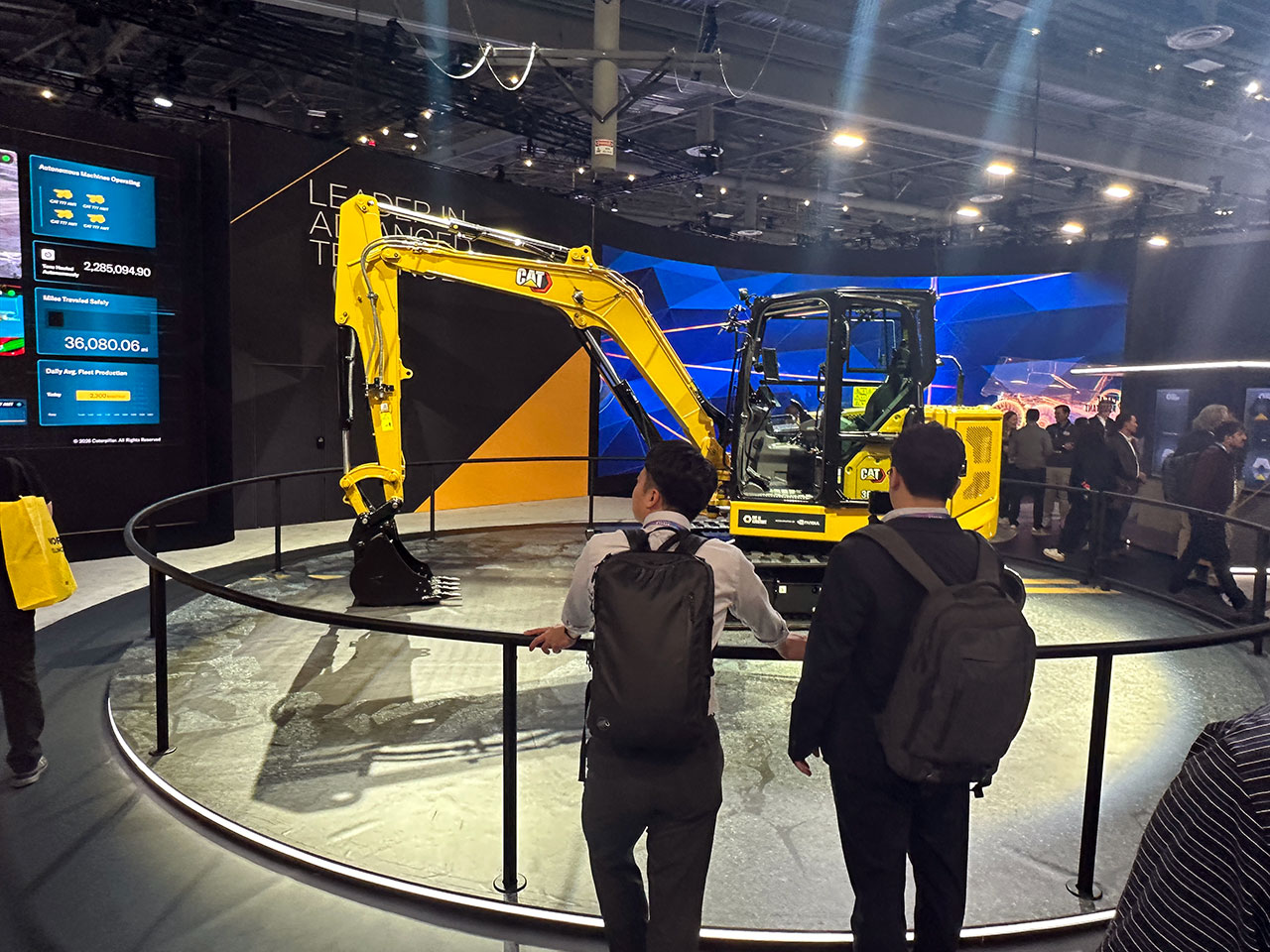
This year’s show was defined by a few pervasive themes that spanned everything from the smallest gaming controller to massive industrial machinery. Artificial Intelligence (AI) was the undeniable connective tissue. While we have seen the “AI everywhere” trend building for what seems like forever, the post-pandemic pacing seems to have allowed for a maturation of the technology. We saw AI integrated into everything: from Caterpillar’s massive autonomous machines and John Deere’s agricultural harvesters to consumer gadgets like smart ice makers, back braces, and robotic pets.

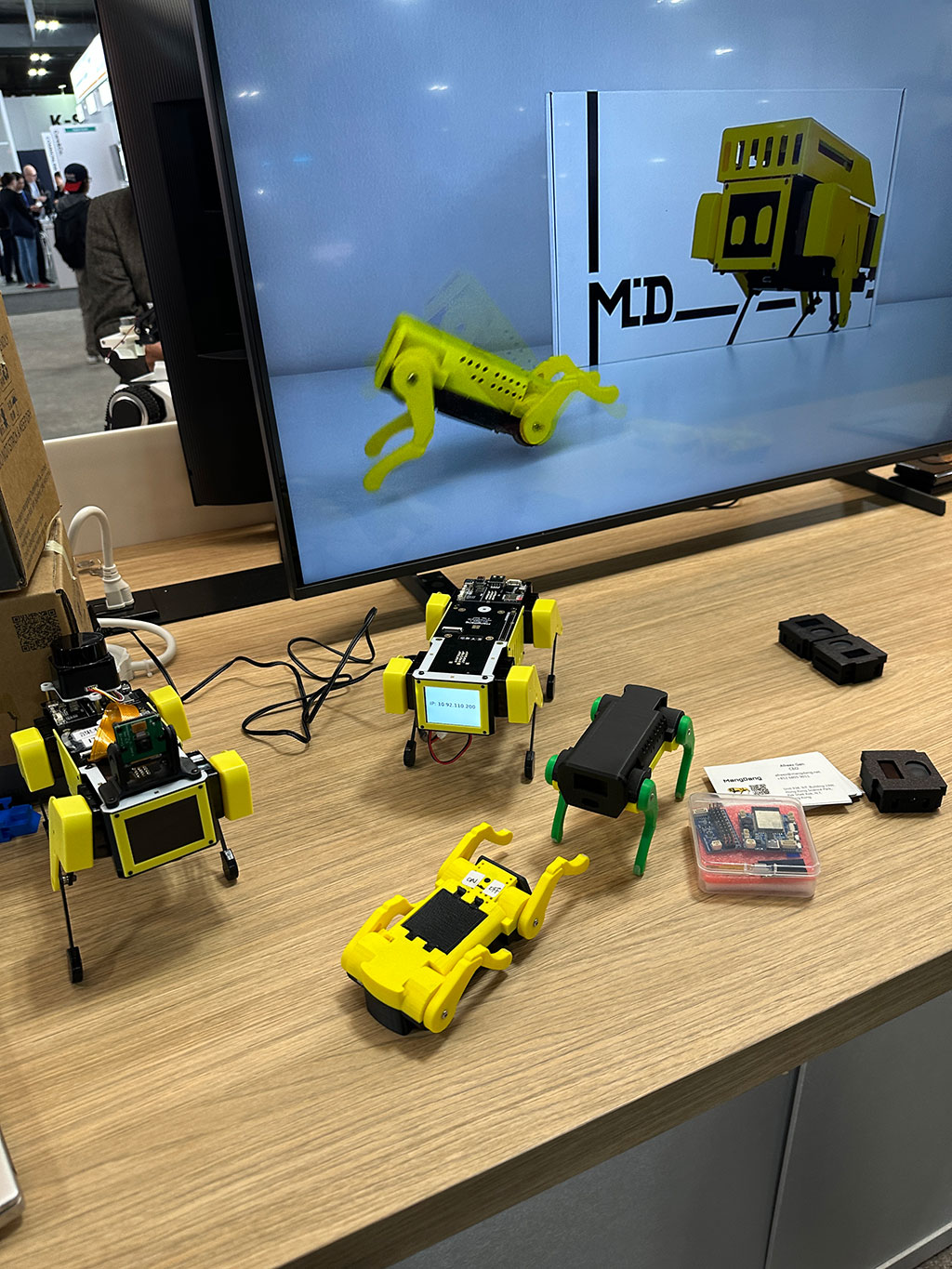
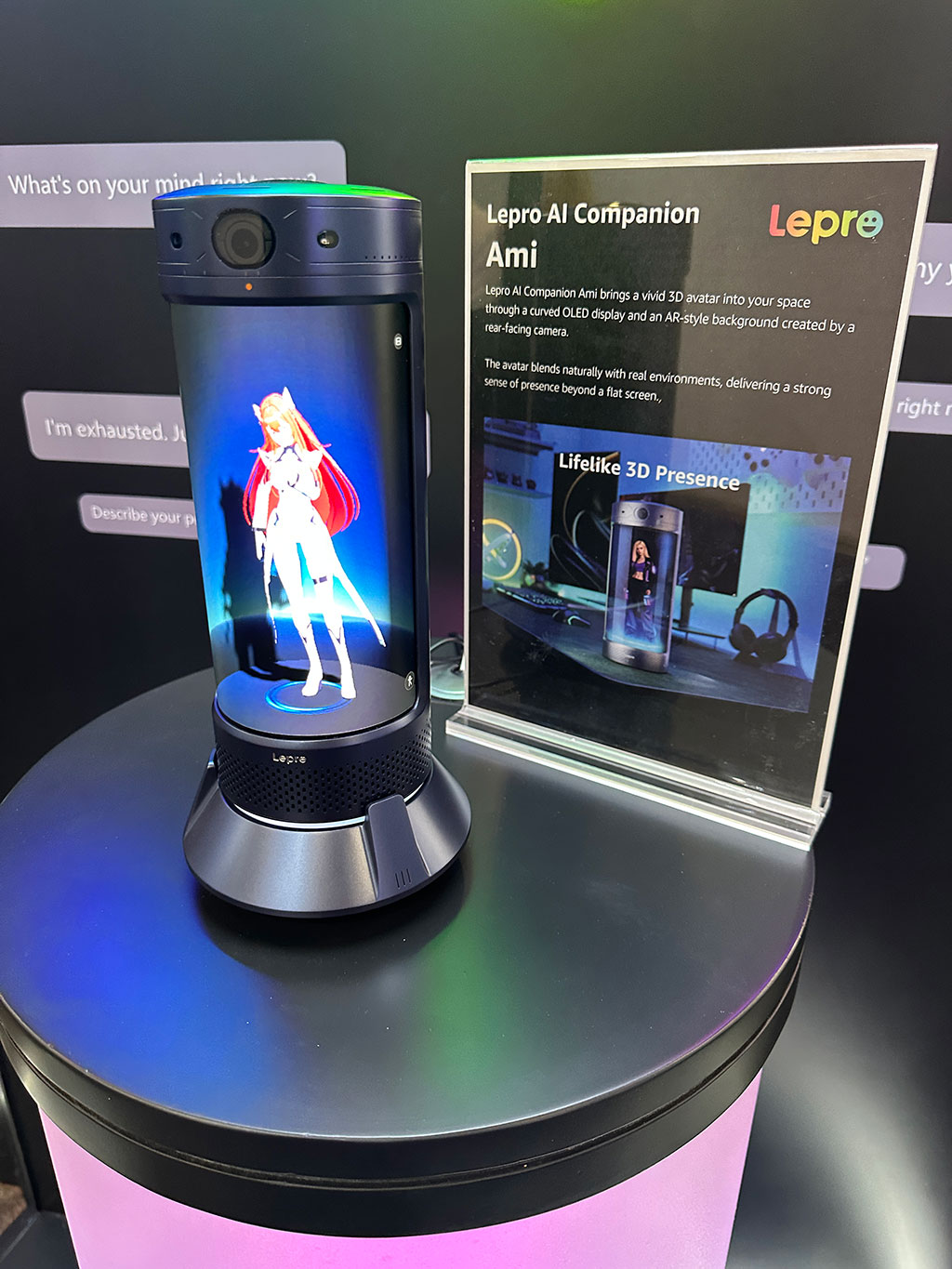
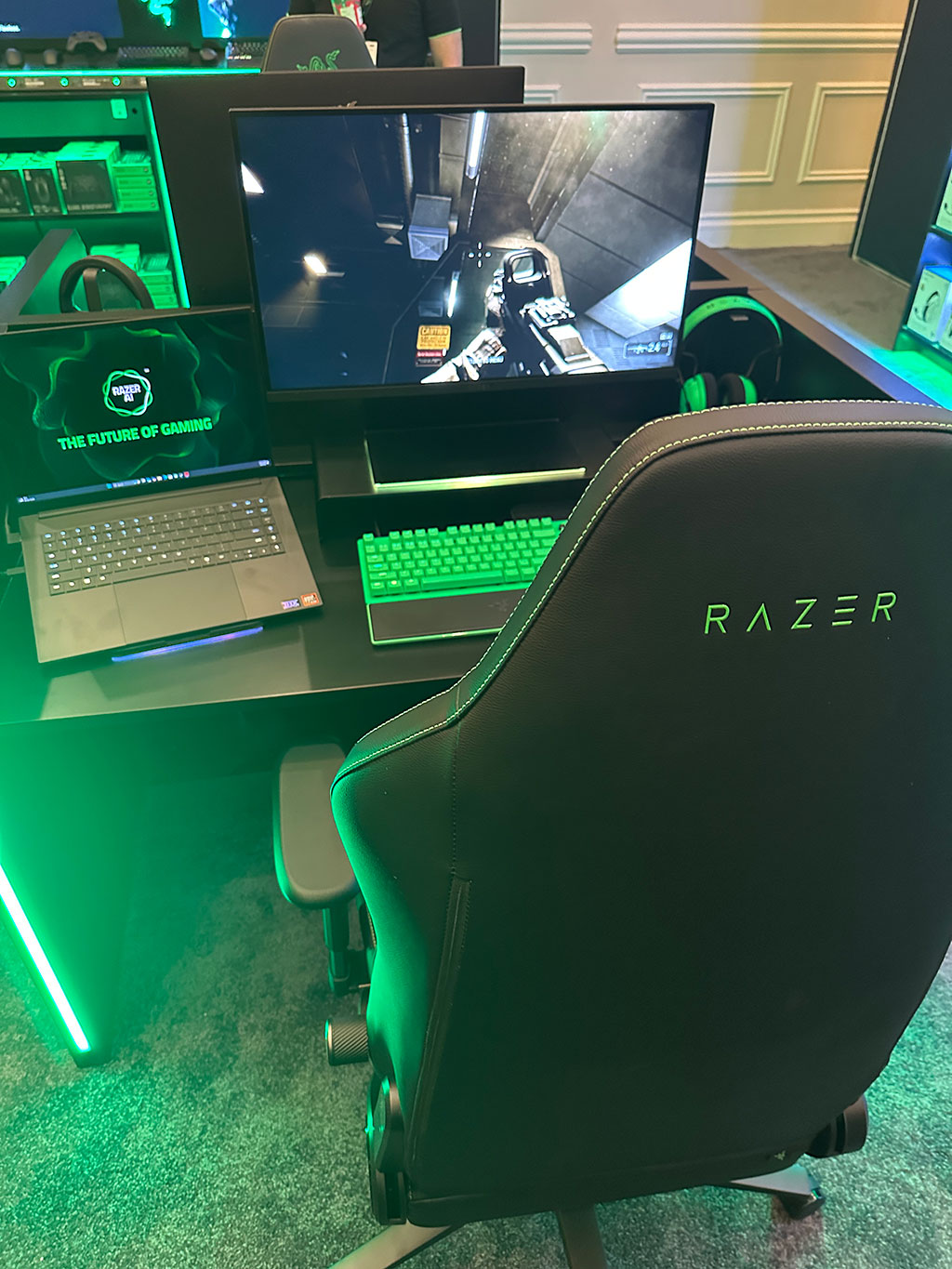
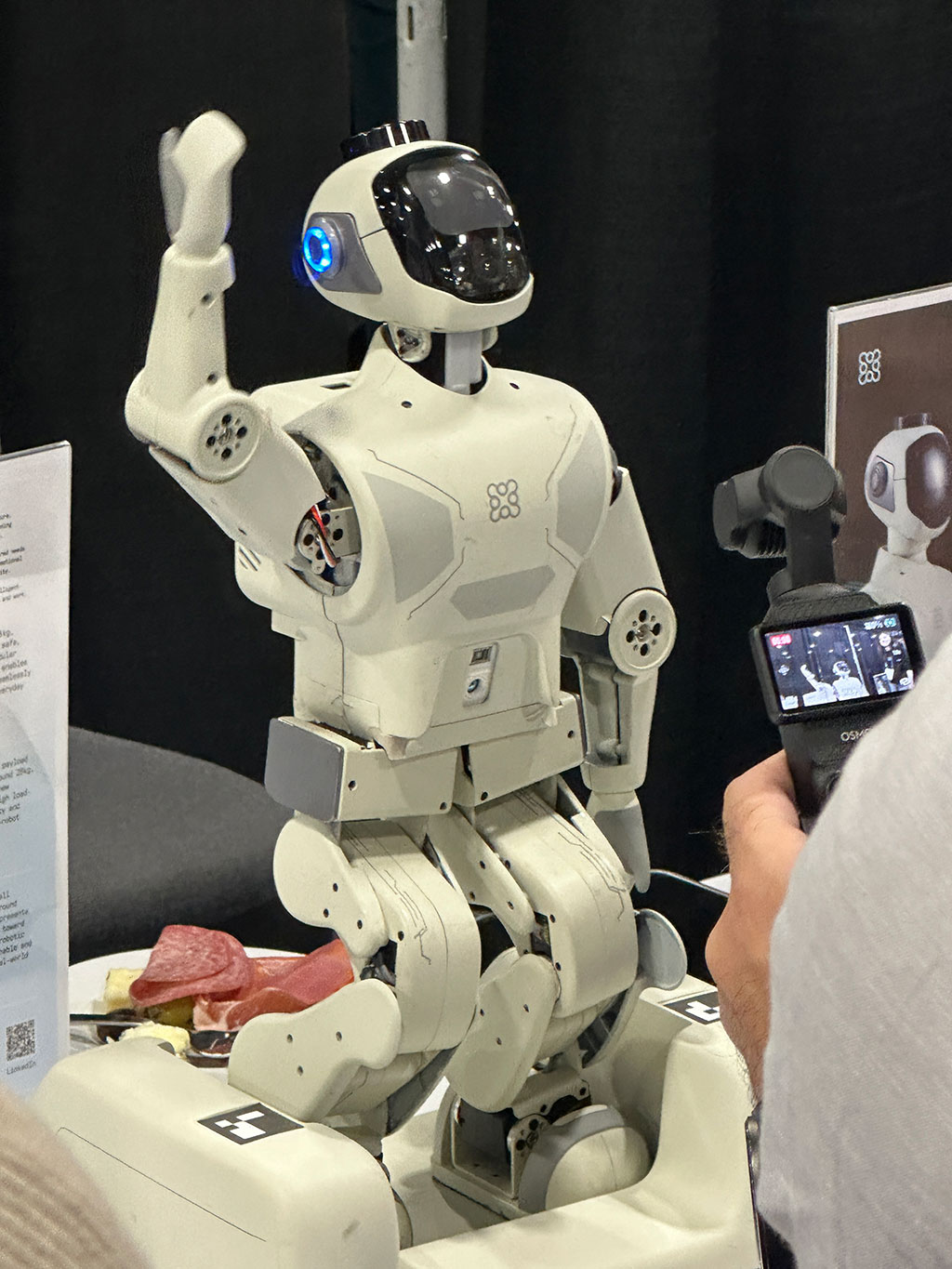
The integration of AI into hardware has reached a level of complexity that was previously just a pipe dream. Companies are embedding AI behavior into electronic dogs, like the Unitree G1, and even wearable exoskeletons designed to assist with physical impairments. Gaming giant Razer stole the spotlight with Project AVA, a holographic AI companion designed to interact seamlessly with your gaming gear. While some companies focused on flashy peripherals, others are working on “agentic” AI that can learn from your decisions over a 50-hour game to create truly reactive non-player characters (NPCs).

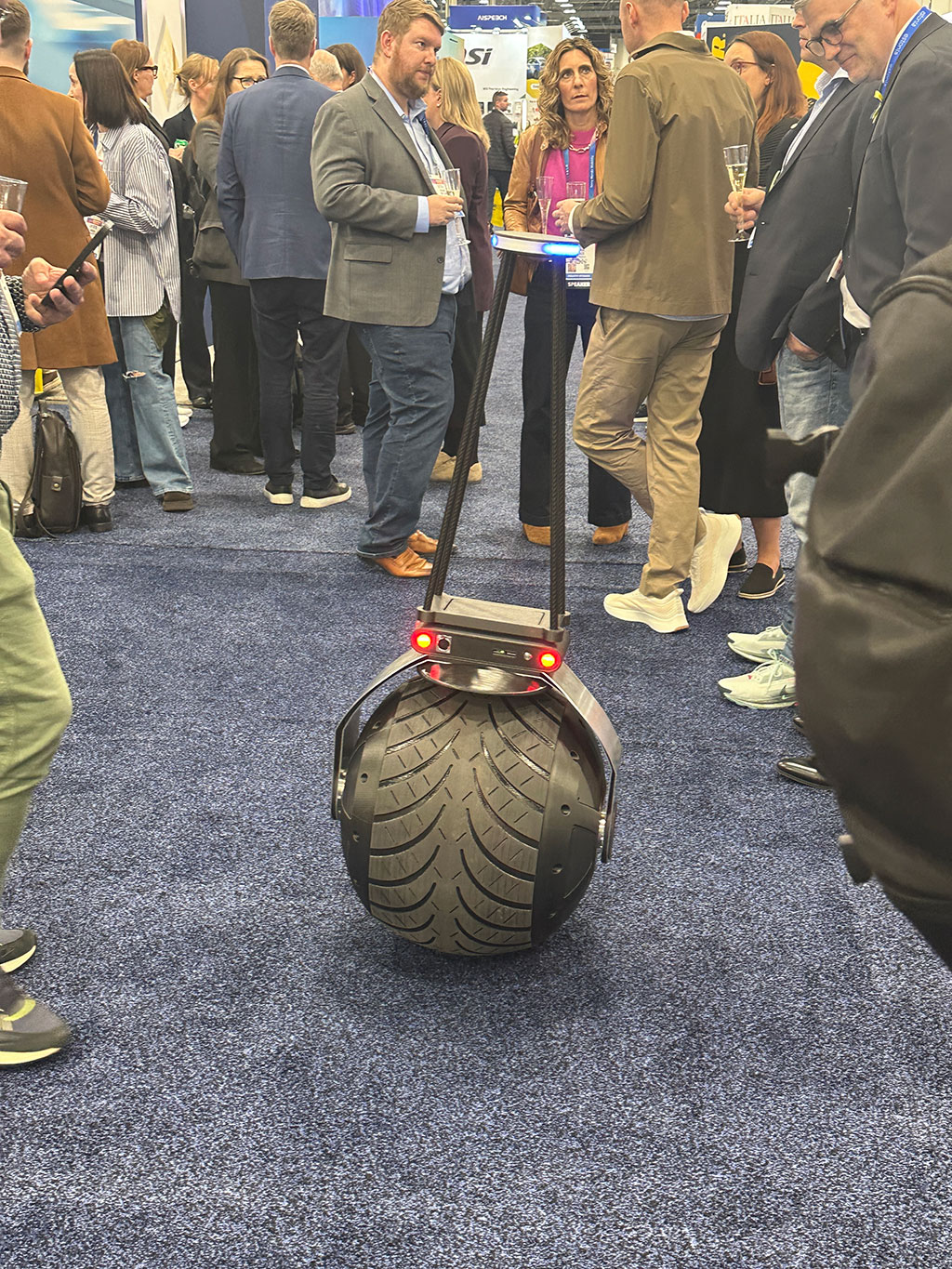
Of course, AI remains a mixed bag. The “uncanny valley” was on full display at the Ultimate Fighting Bots tournament, where humanoid robots sparred in the BattleBots Arena – though not without mishap, as one robot infamously delivered a knockout punch to itself. Elsewhere, autonomous vehicle demonstrations faced hiccups, with some units experiencing power issues that caused minor traffic jams, reminding us that the road to full autonomy is still under construction.

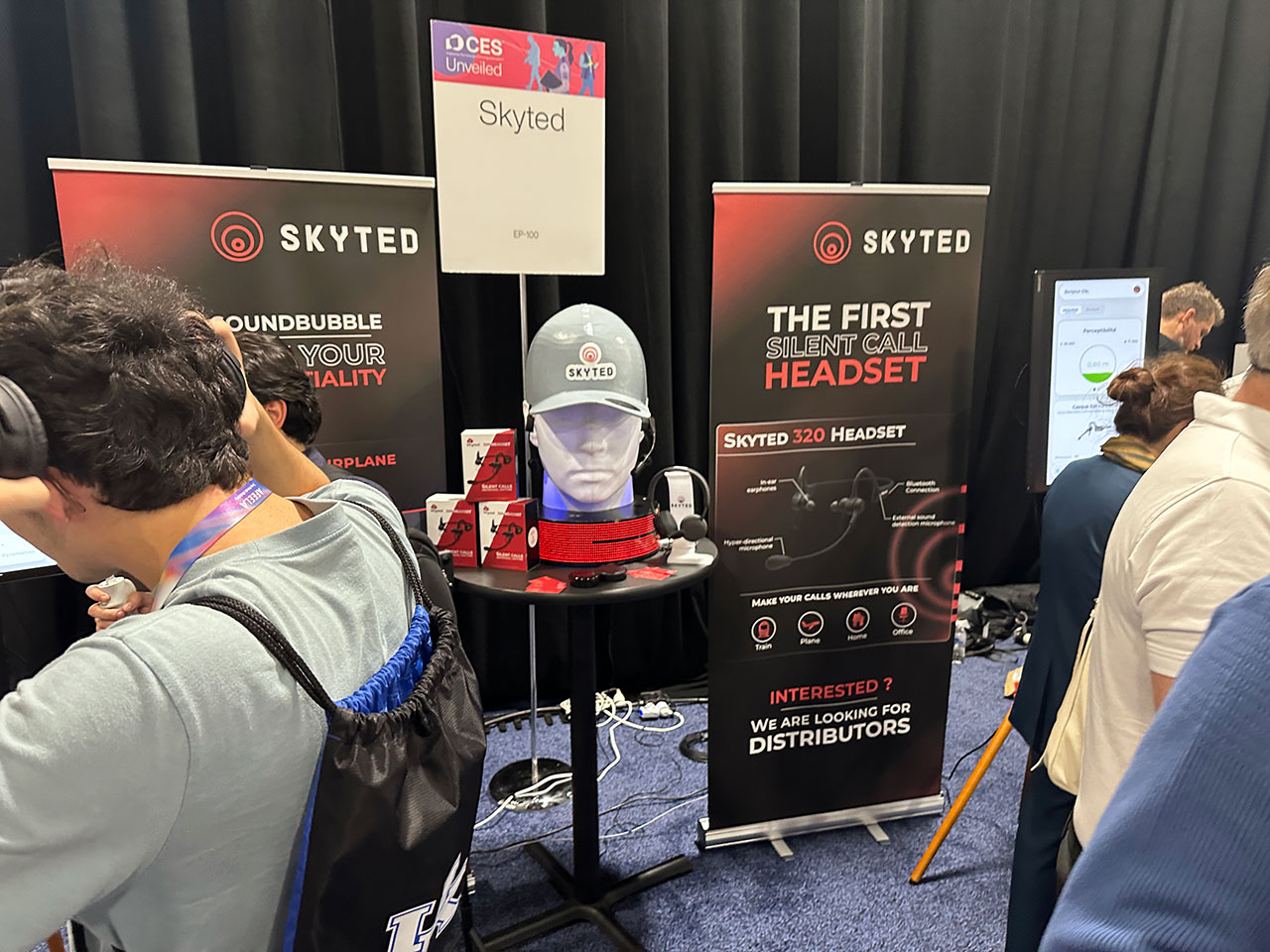
Beyond the main halls of the Las Vegas Convention Center (LVCC), the innovation continued in suites and ballrooms across the city, including the Venetian and the ARIA. Events like CES Unveiled and Showstoppers shined a light on smaller companies doing big things. Standouts included AI-powered bird feeders that identify species and capture video, and the Aiper Scuba V3 Ultra. This robotic pool cleaner is a particular dream for anyone dealing with the infamous Vegas winds; it features JellyFloat™ technology, essentially a ballast system that allows it to rise and clean the waterline or dive deep to scrub the floor.

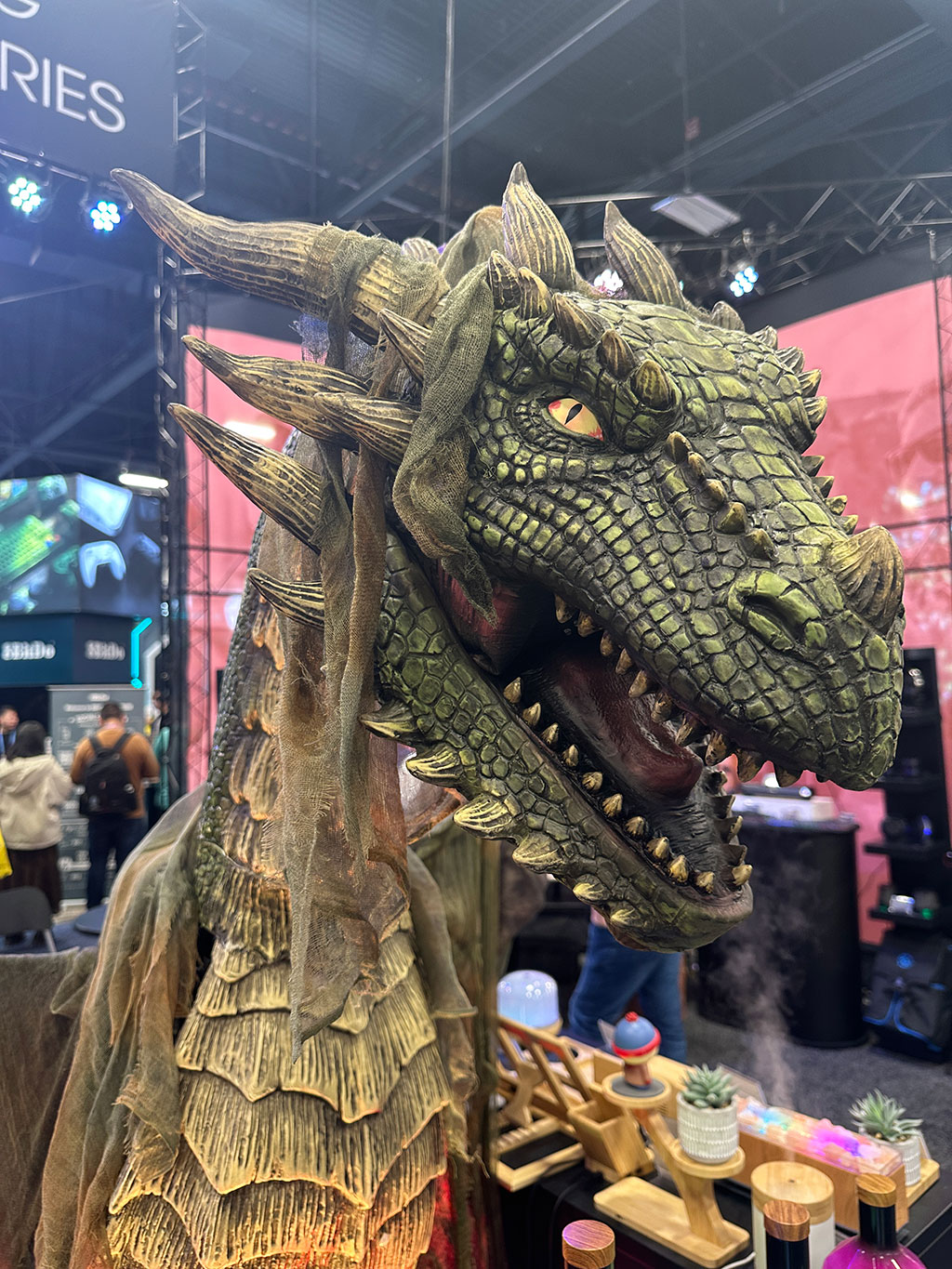
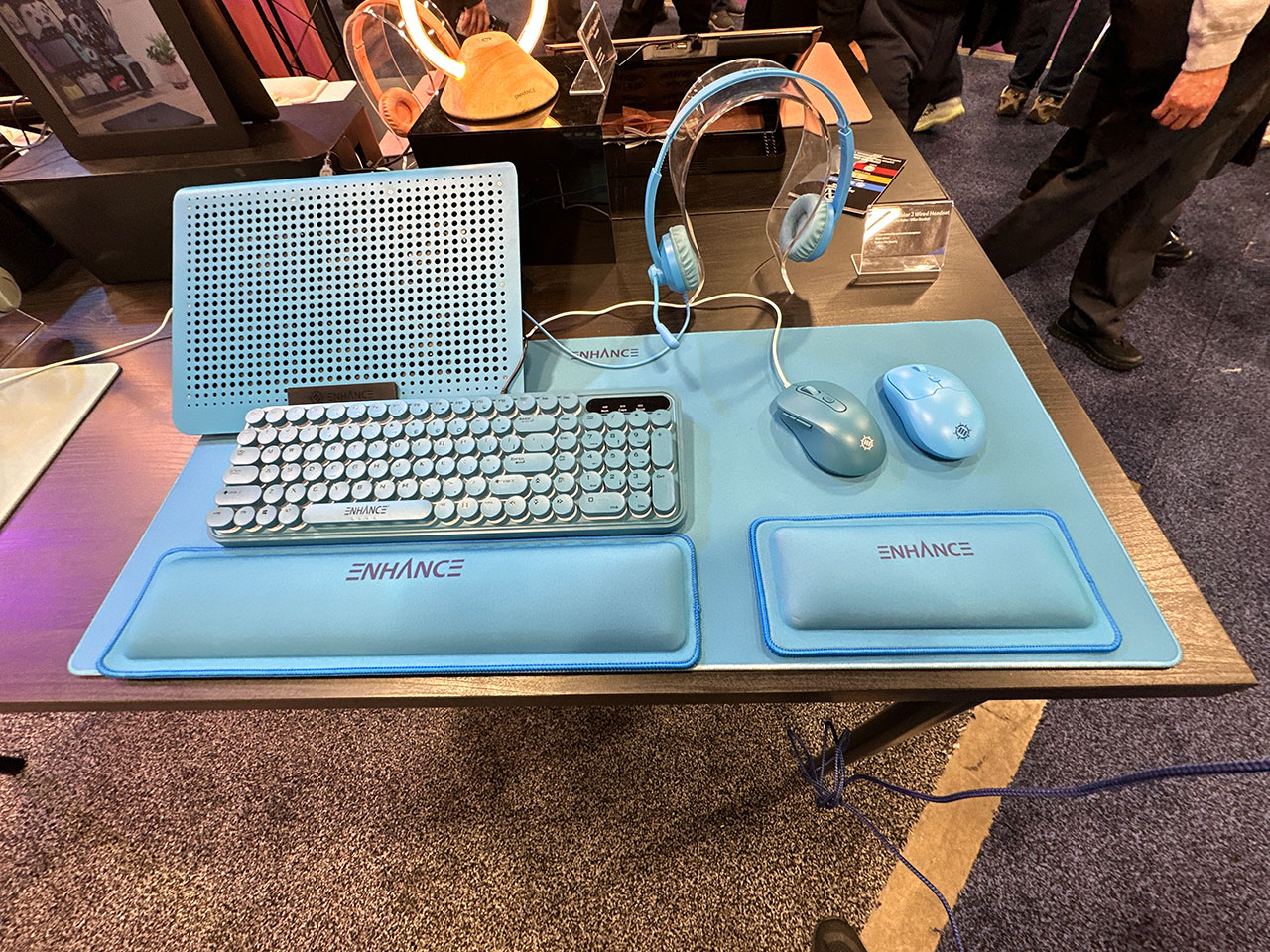
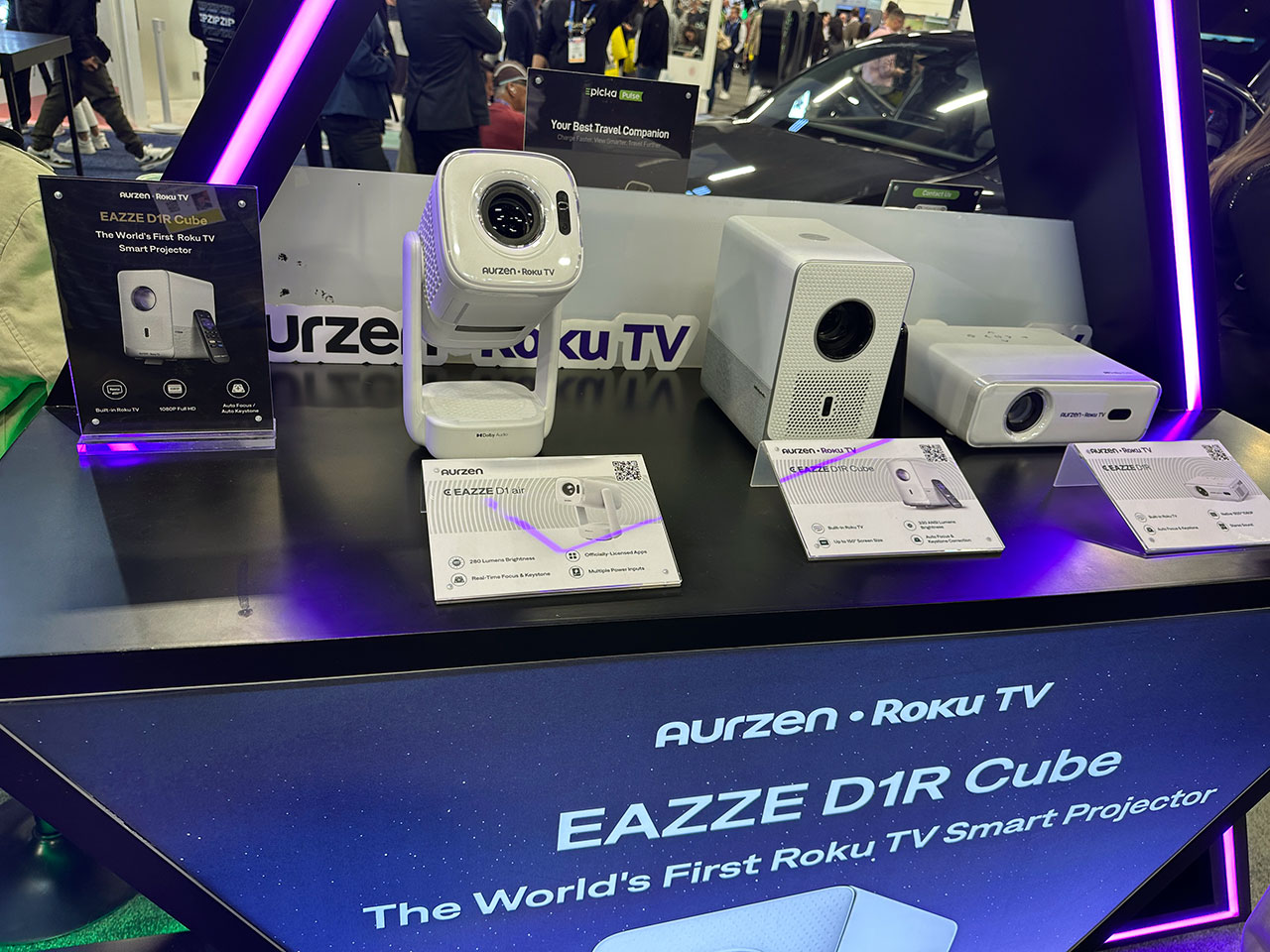
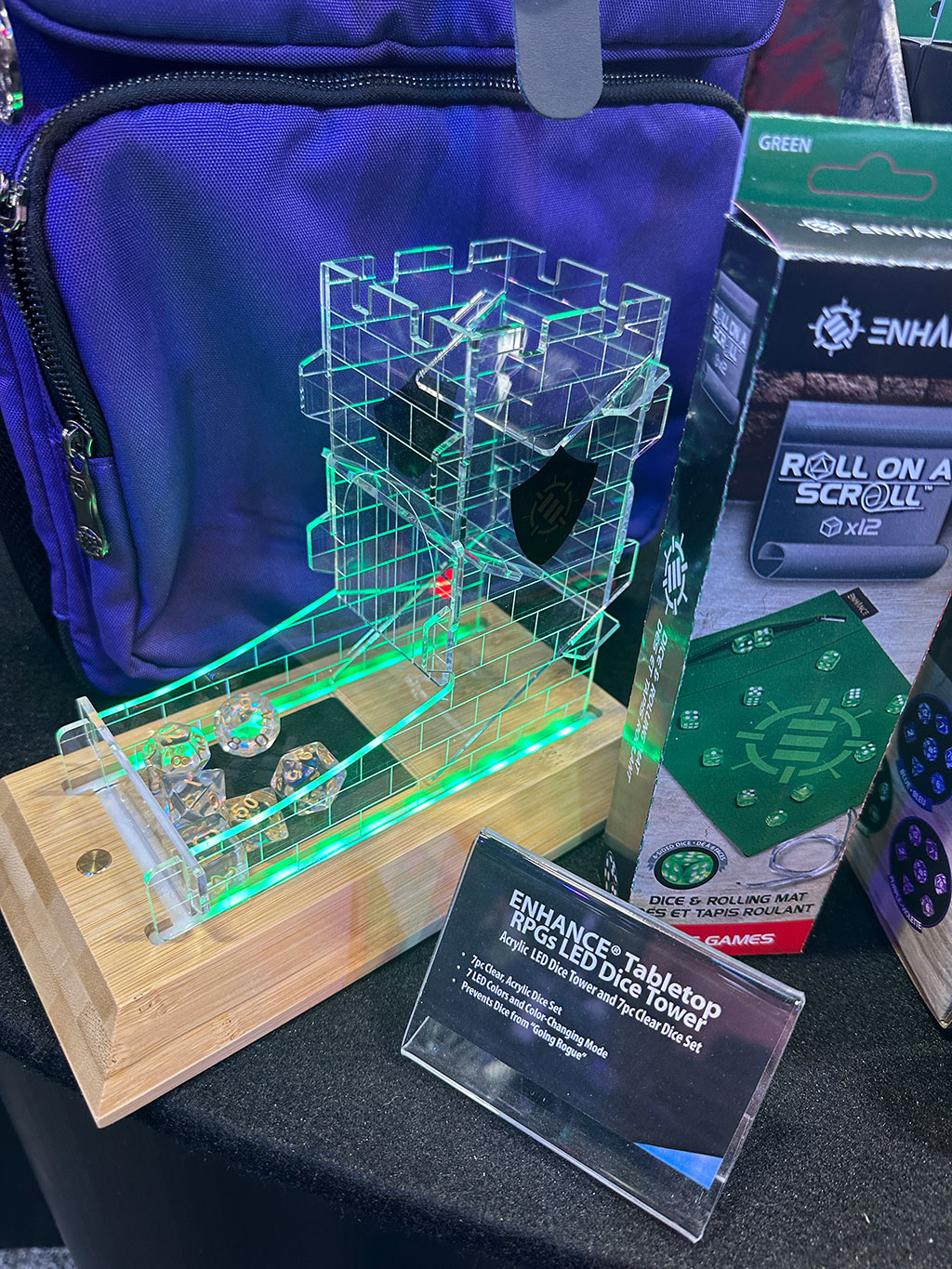
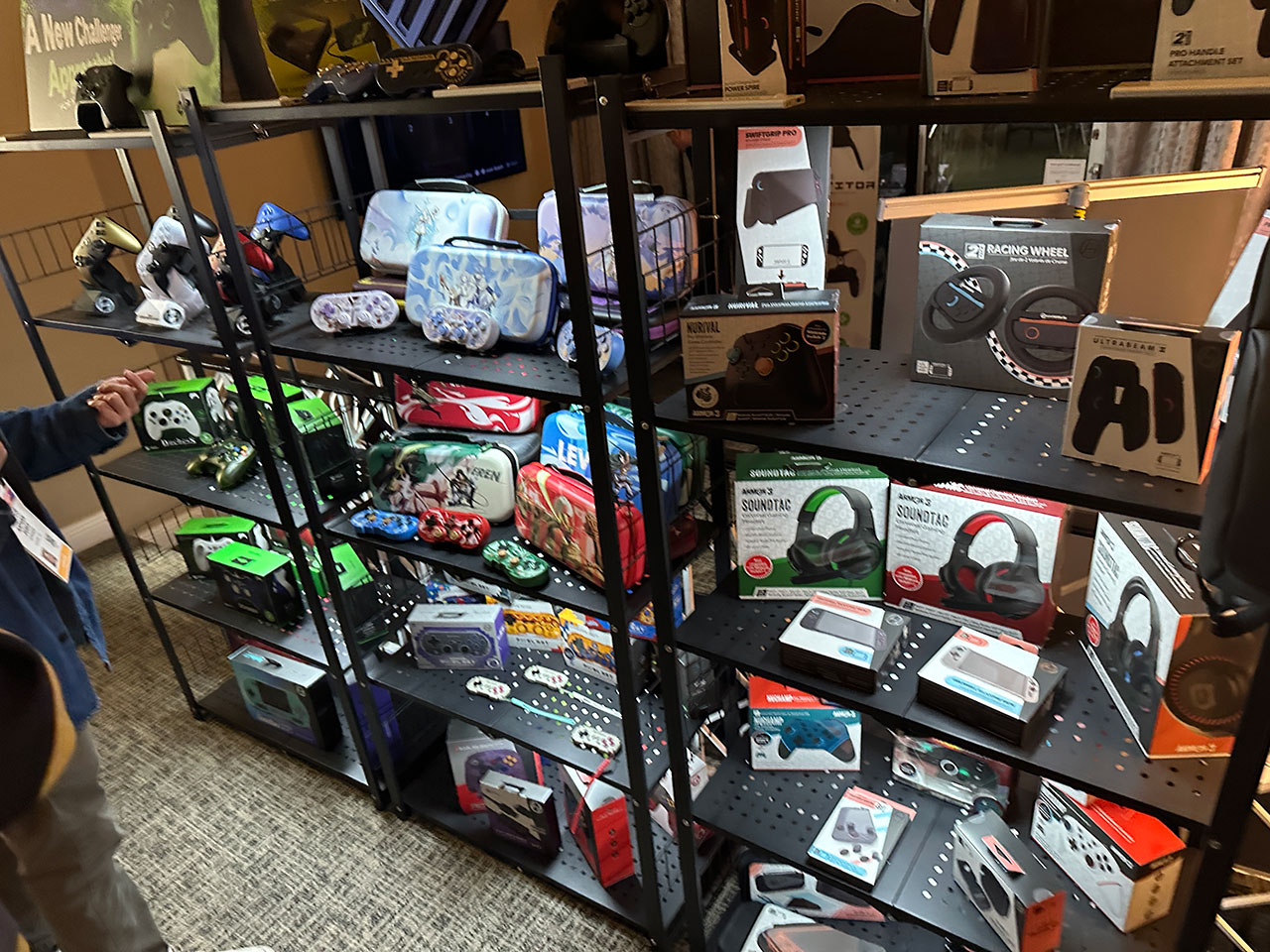
For those who love the eclectic side of tech, the Accessory Power booth felt like the “Spencer’s Gifts” of CES. Known for brands like Enhance, USA Gear, and GOgrooveb, they showcased a delightful array of novelties, including Dungeons & Dragons peripherals and the Sorcerer’s Potion Light (lamps shaped like health and mana potions that swirl with “mystical” fluids). It’s a reminder that CES isn’t just about industrial shifts; it’s about fun.

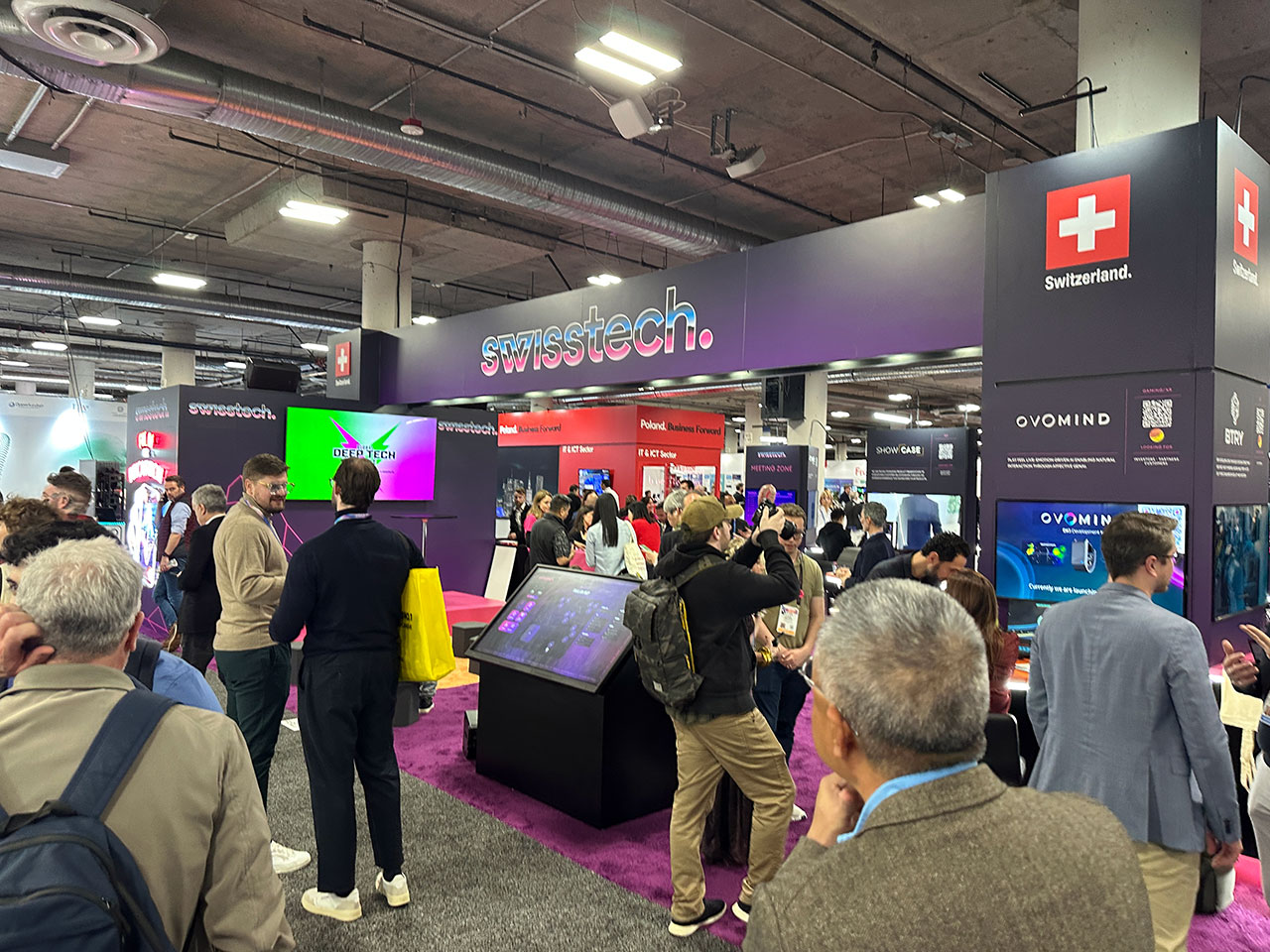
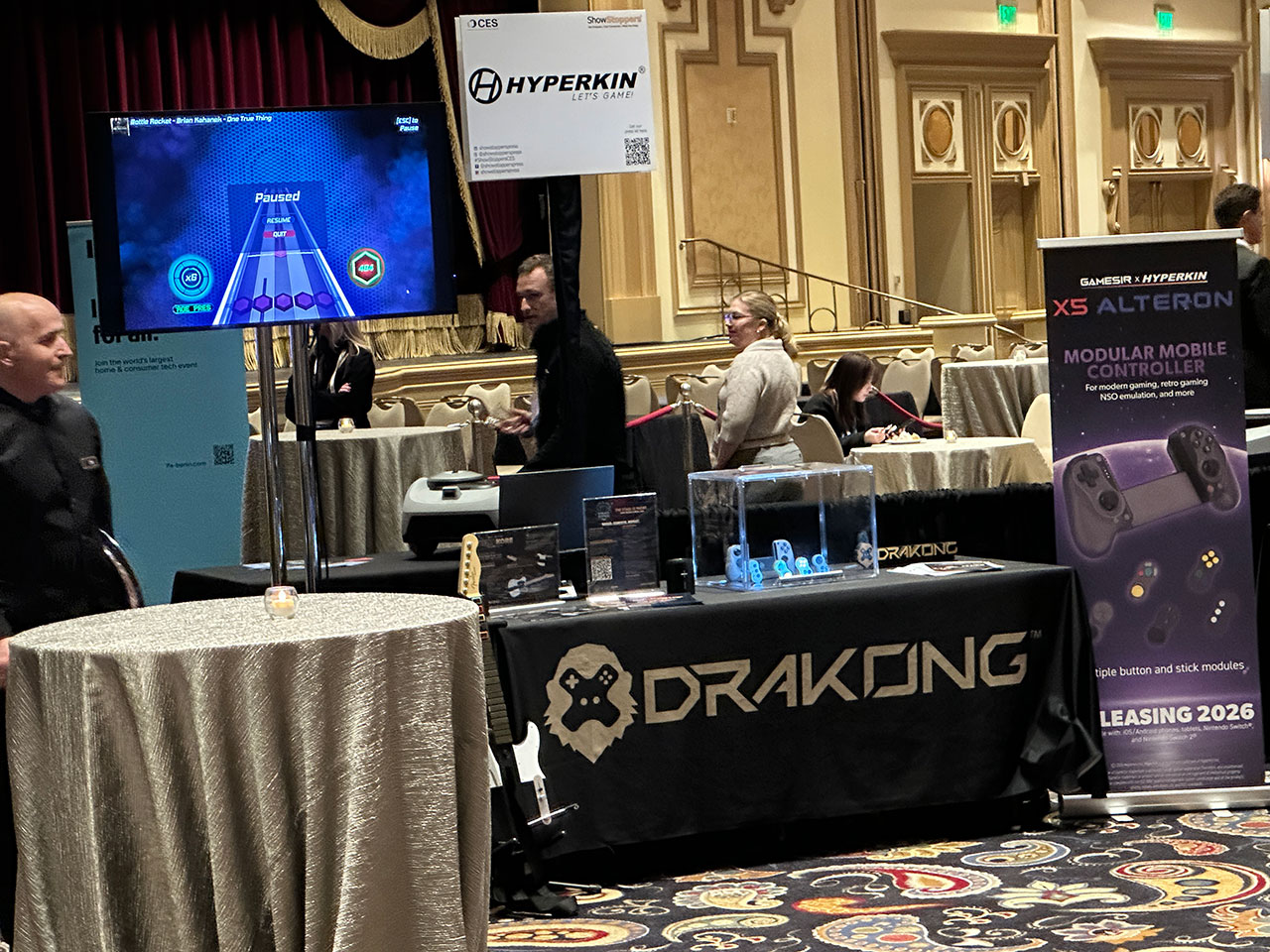
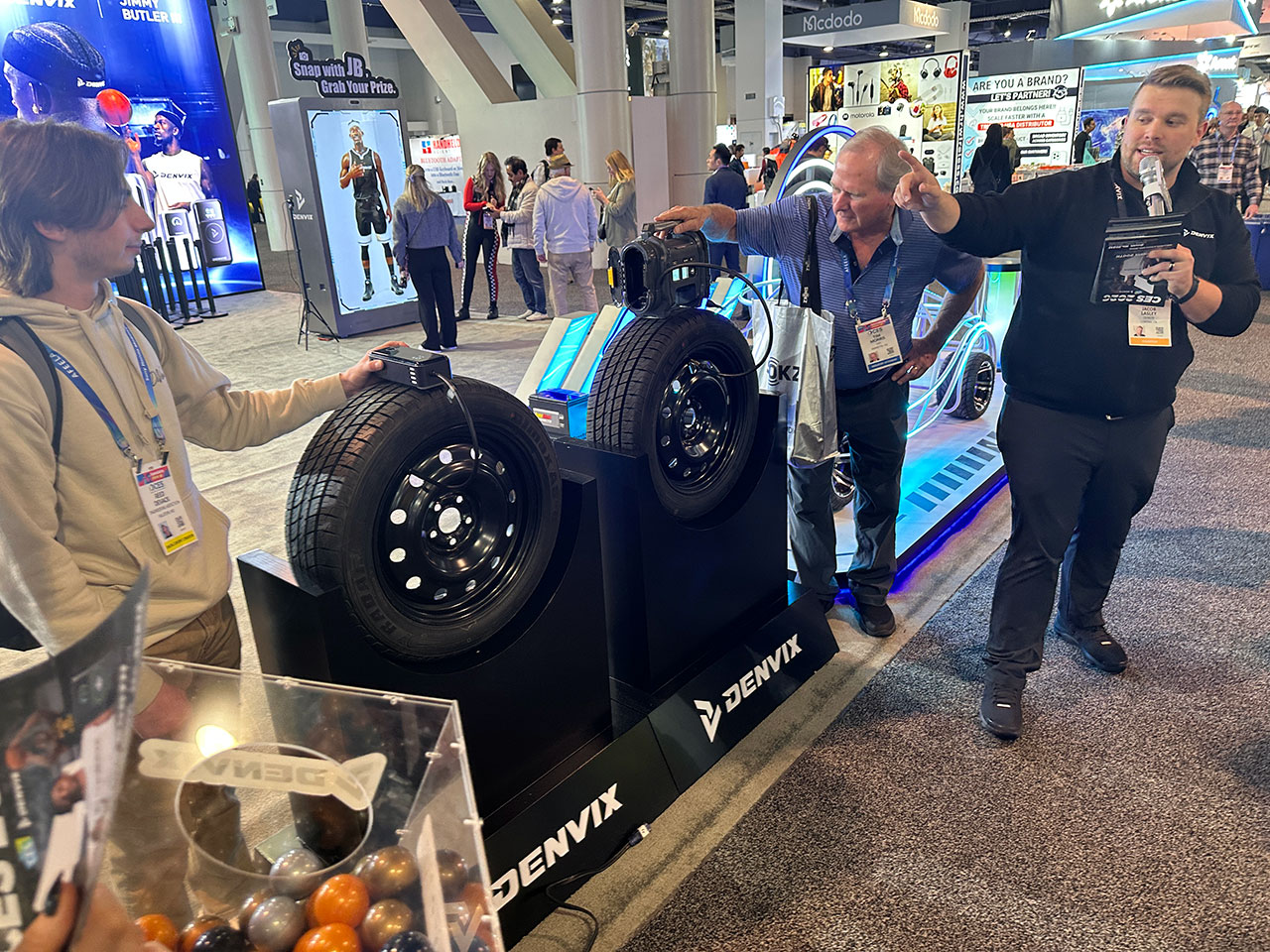
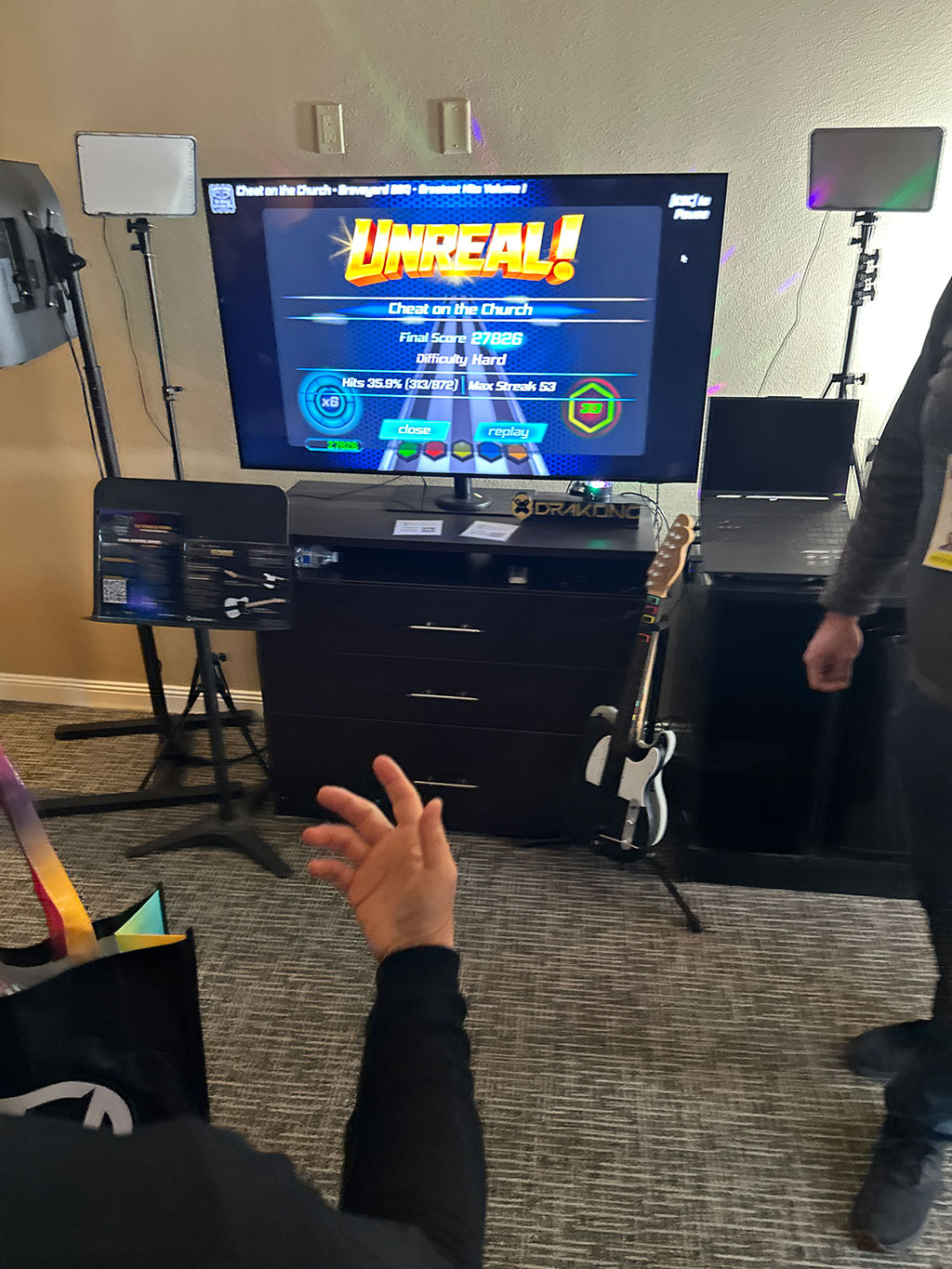
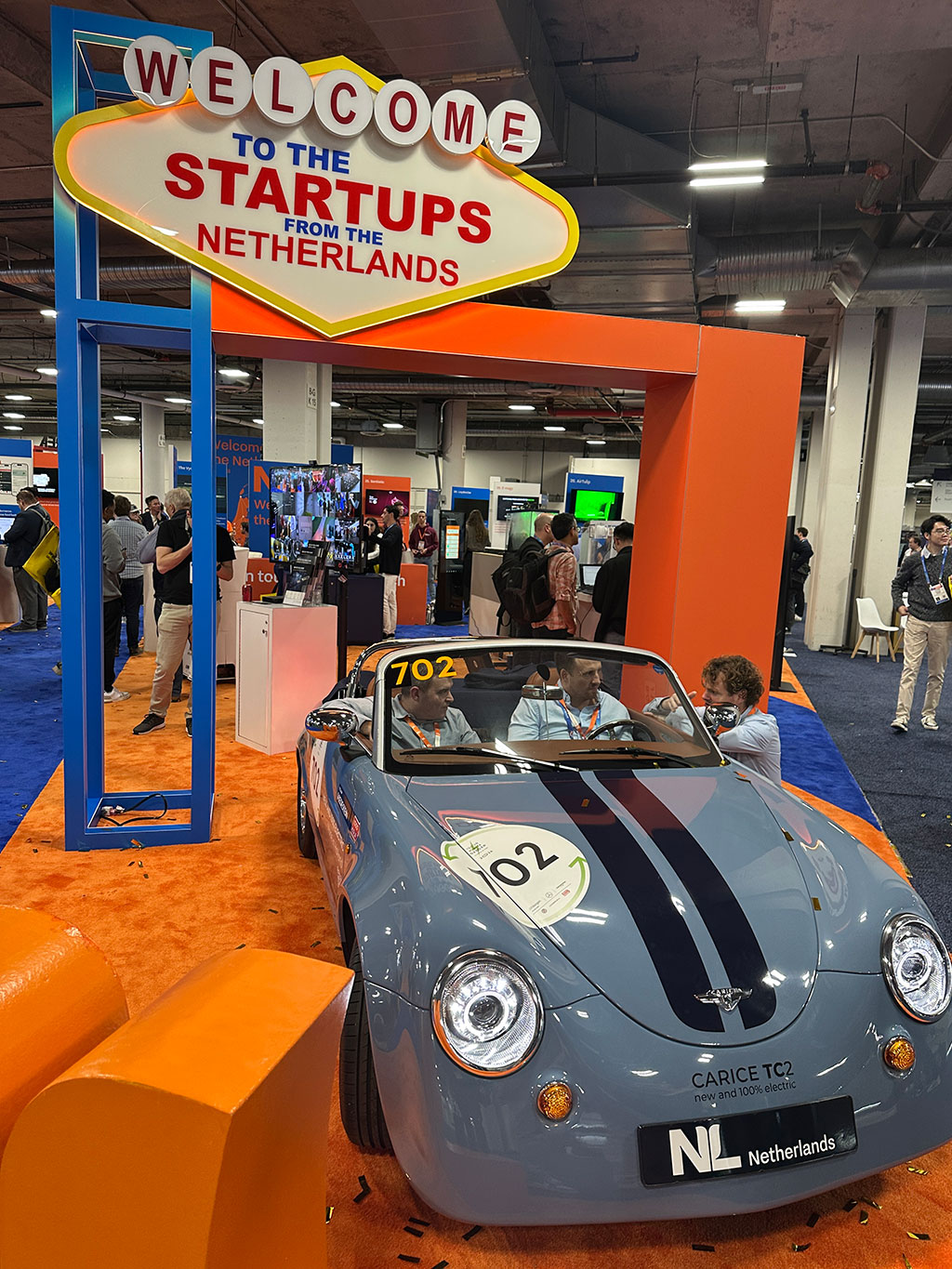
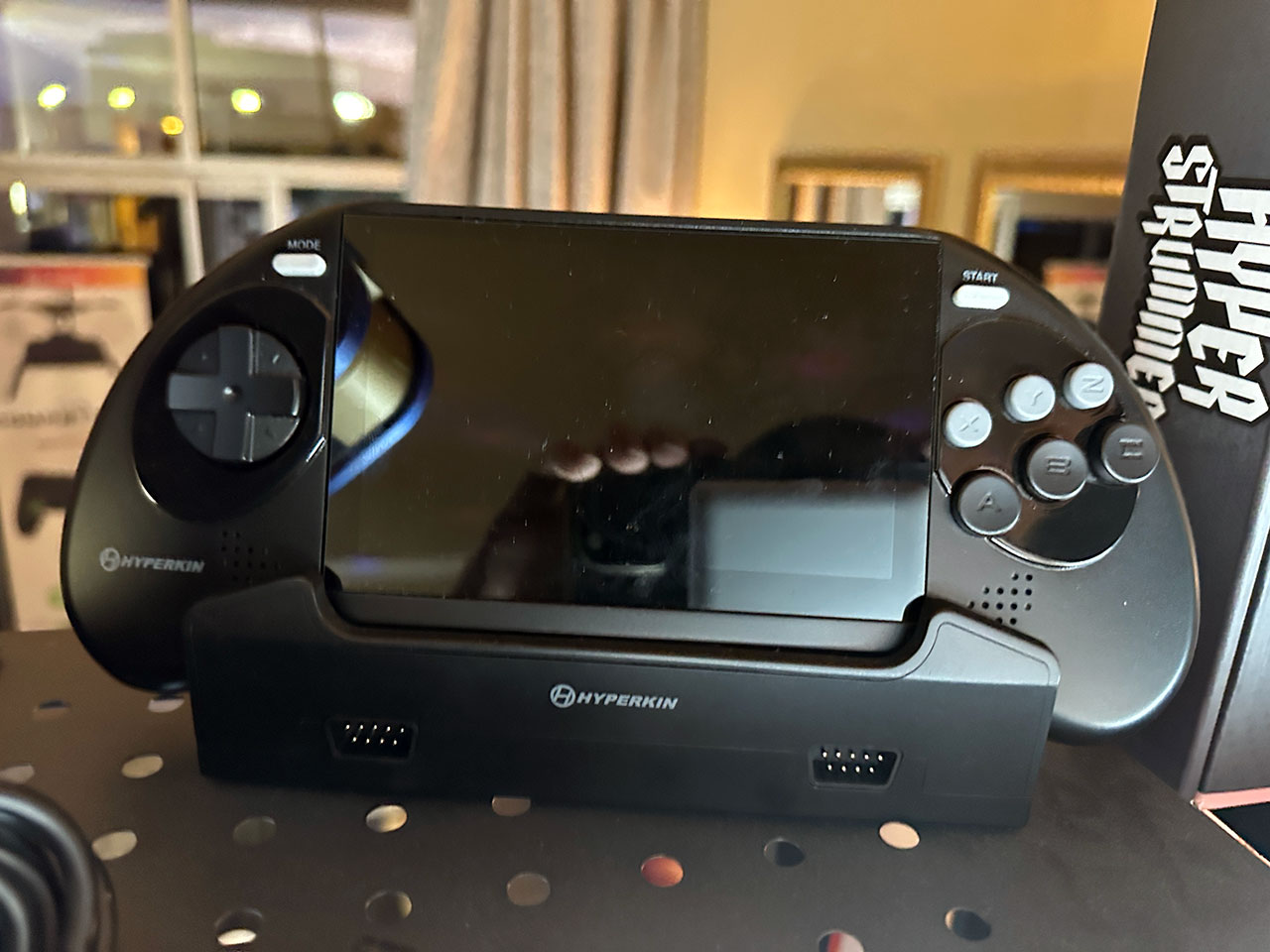
I could list amazing innovations for days and still only scratch the surface. A single week is simply not enough to see it all; it would take a month to truly appreciate the scale of the show. This is especially true when exploring the international pavilions. National groups from Japan Tech, Italy, and the Netherlands banded together to create massive, cohesive presences. The Netherlands booth, in particular, stood out with its signature orange branding and giveaways of Dutch chocolate – a sweet pause in a frantic week. Meanwhile, Razer hosted a massive presence at the Venetian, and Hyperkin took over a suite at the Westgate to debut their new modular Drakon guitar controller.
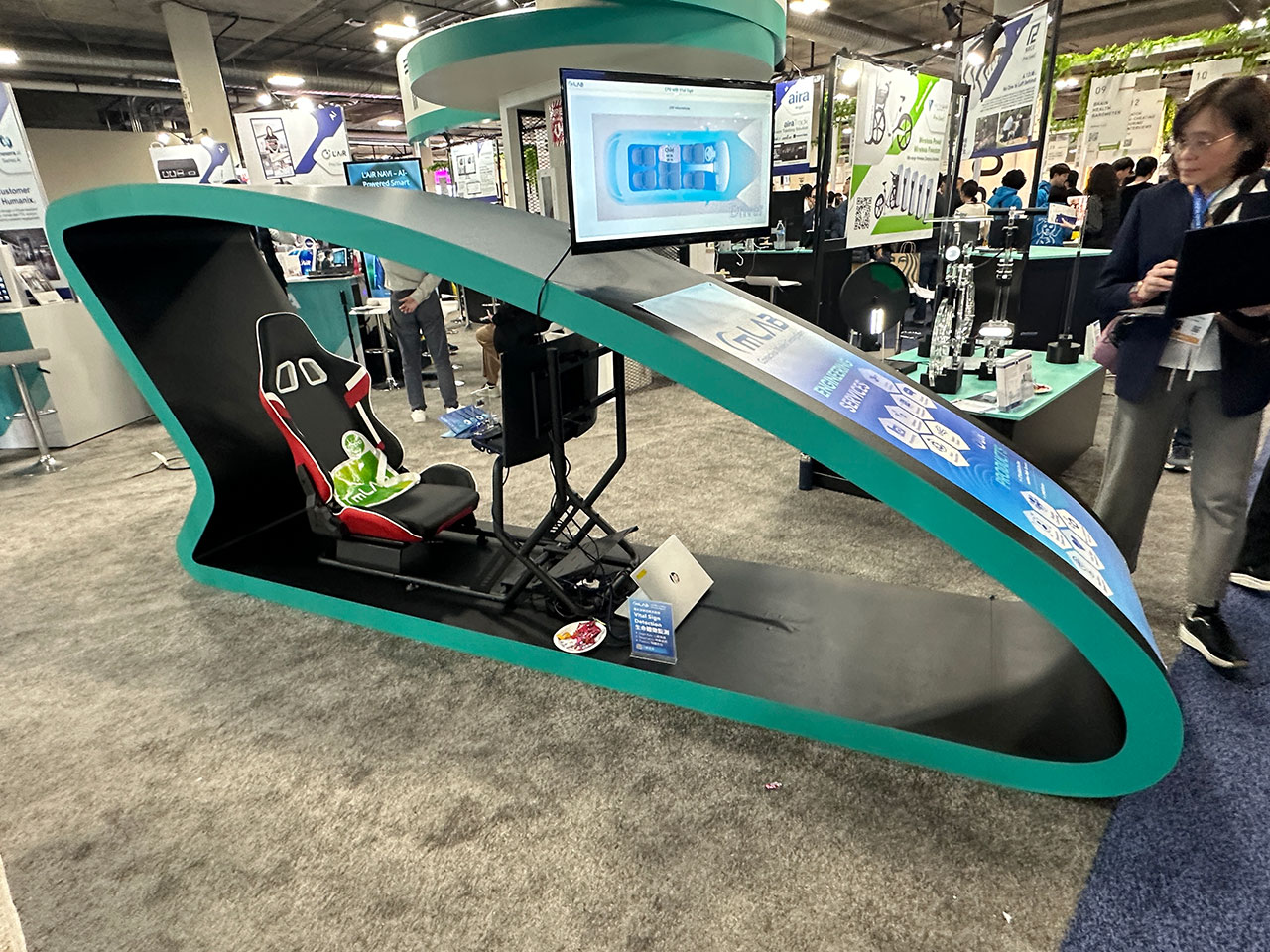
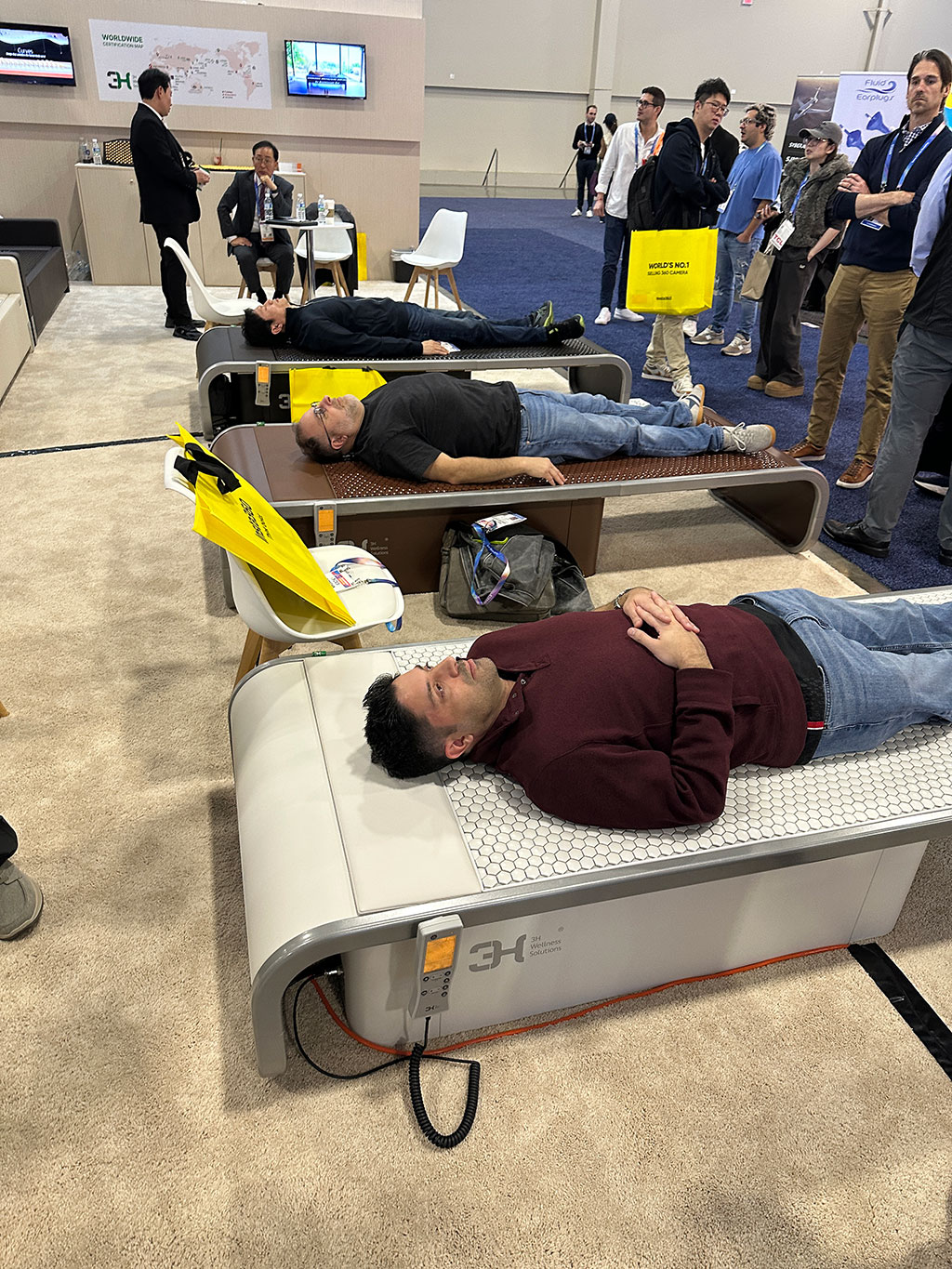
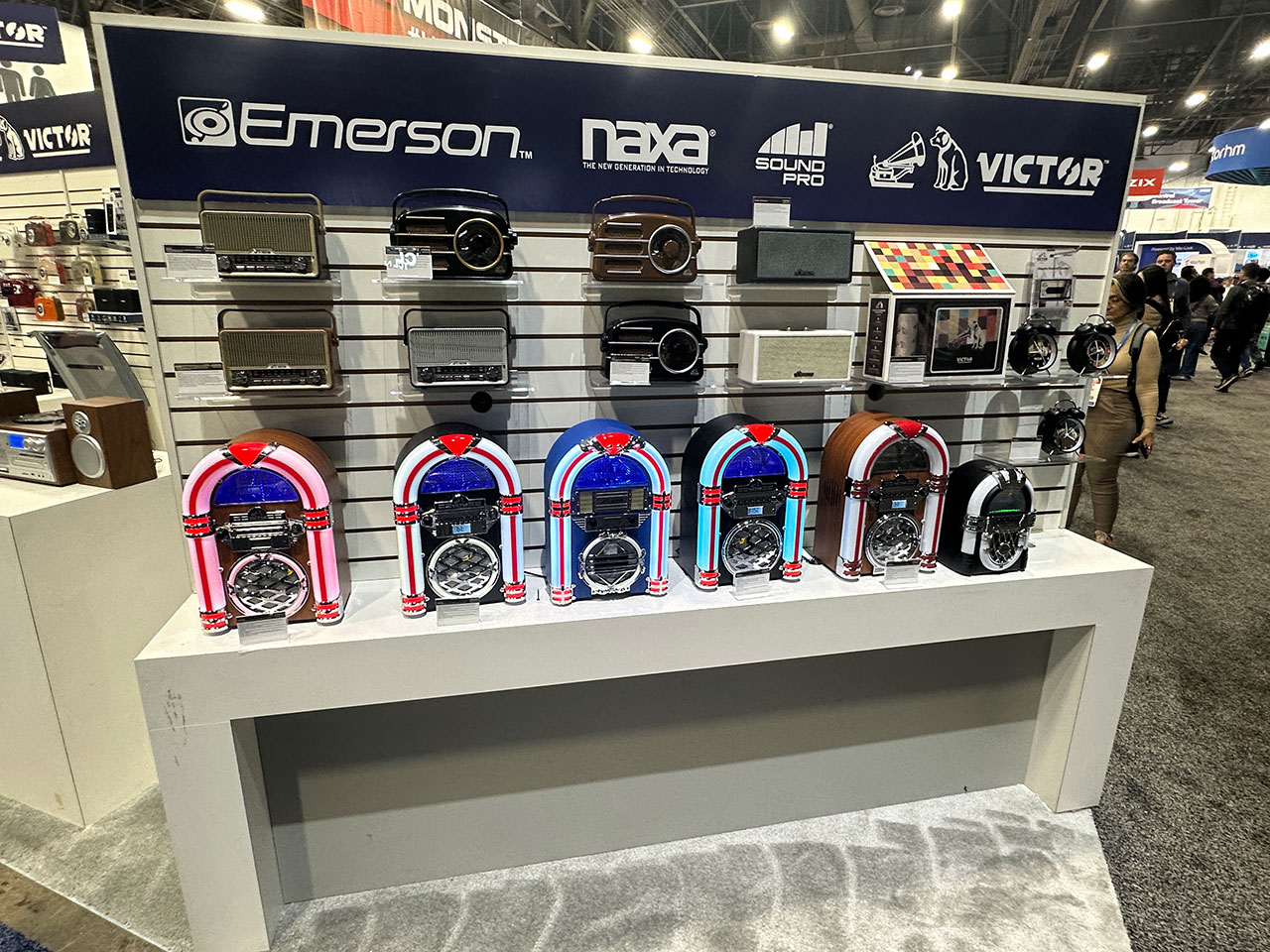
This is just the tip of the CES 2026 iceberg. Photos often do it more justice than words, but if you have a passion for technology, there is no substitute for being there. I can’t recommend it enough.

Photo Gallery

Stern’s SPIKE 3 Platform Steals the Show: A New Standard for Connected Pinball

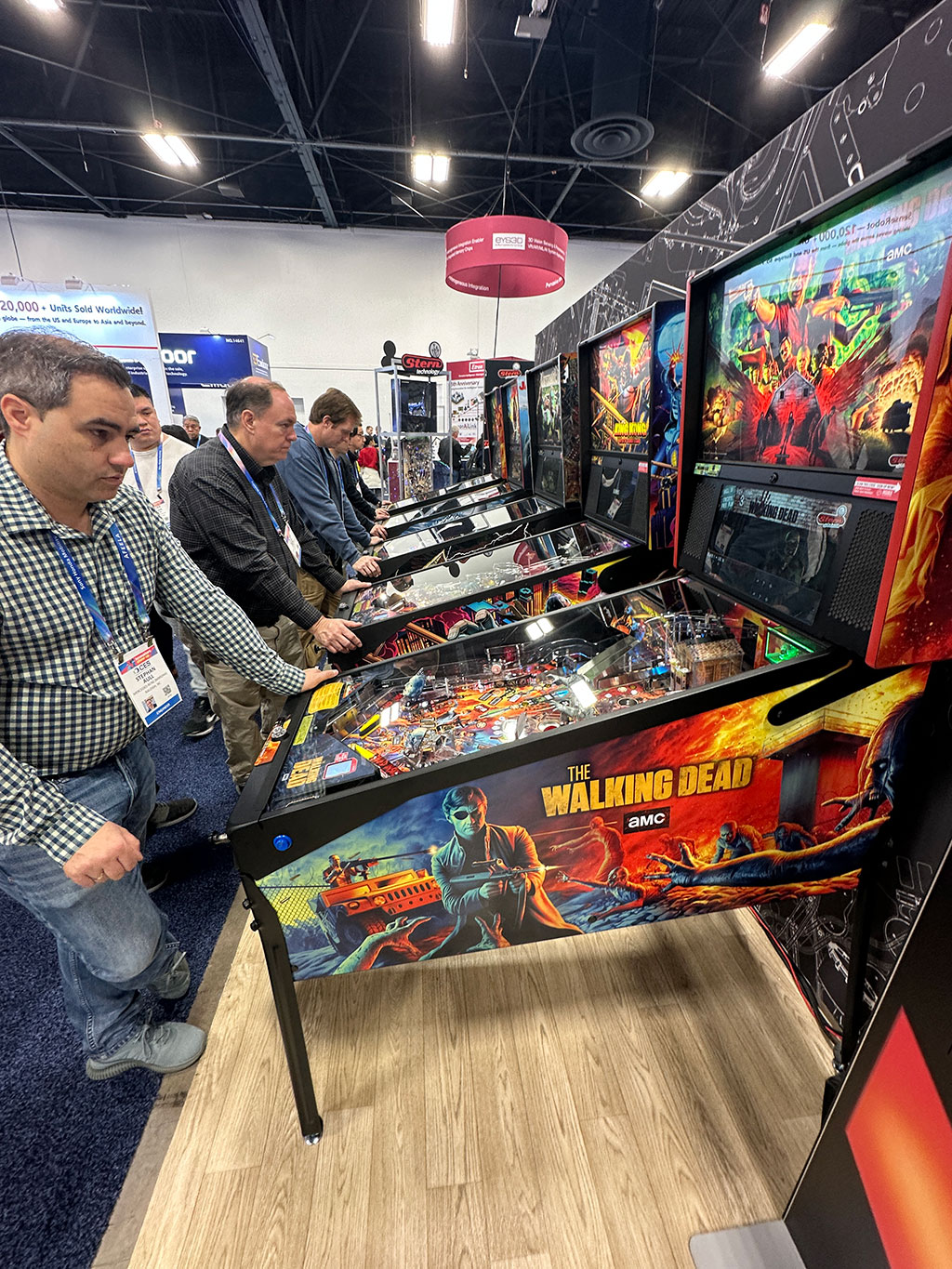
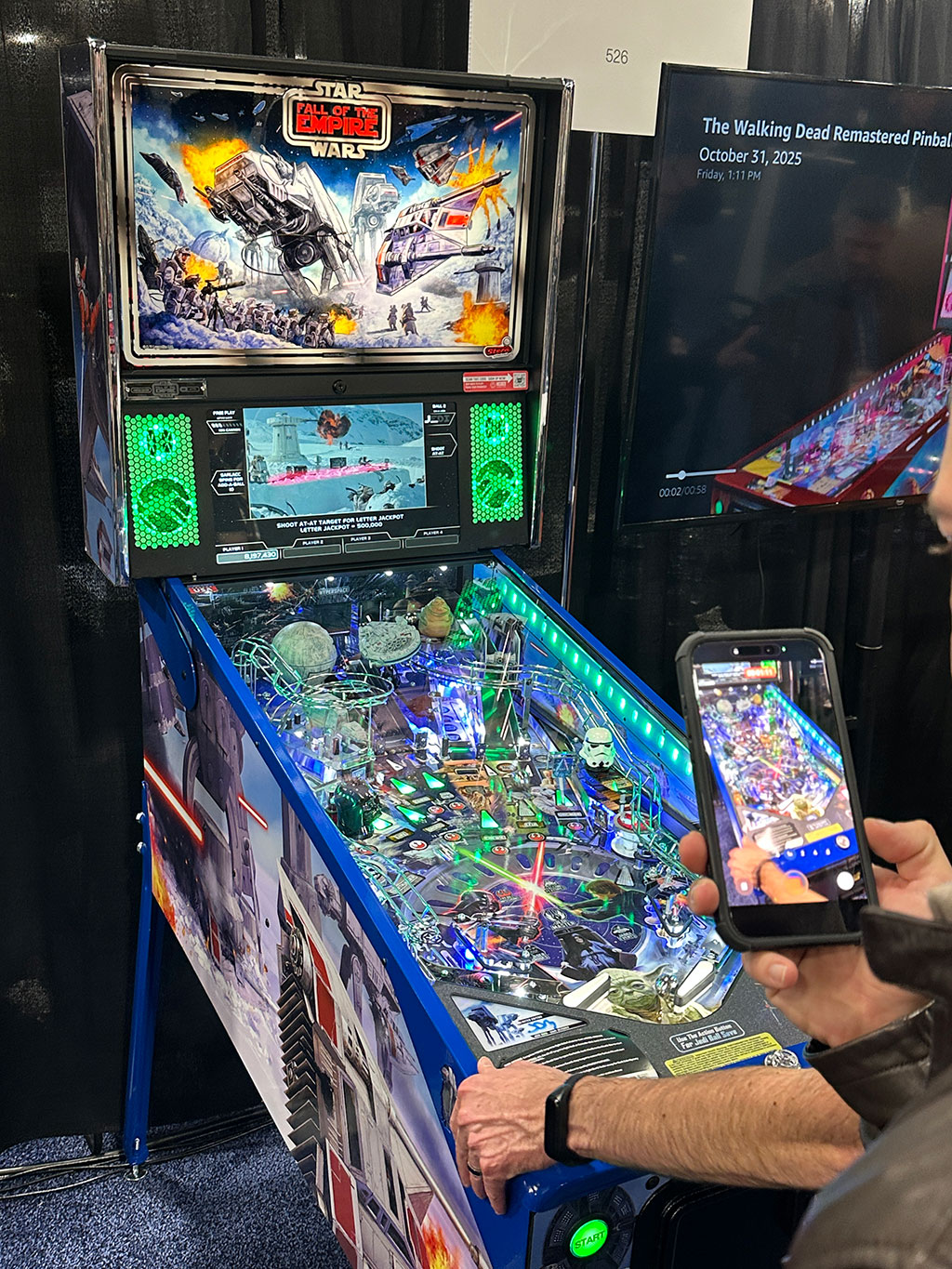
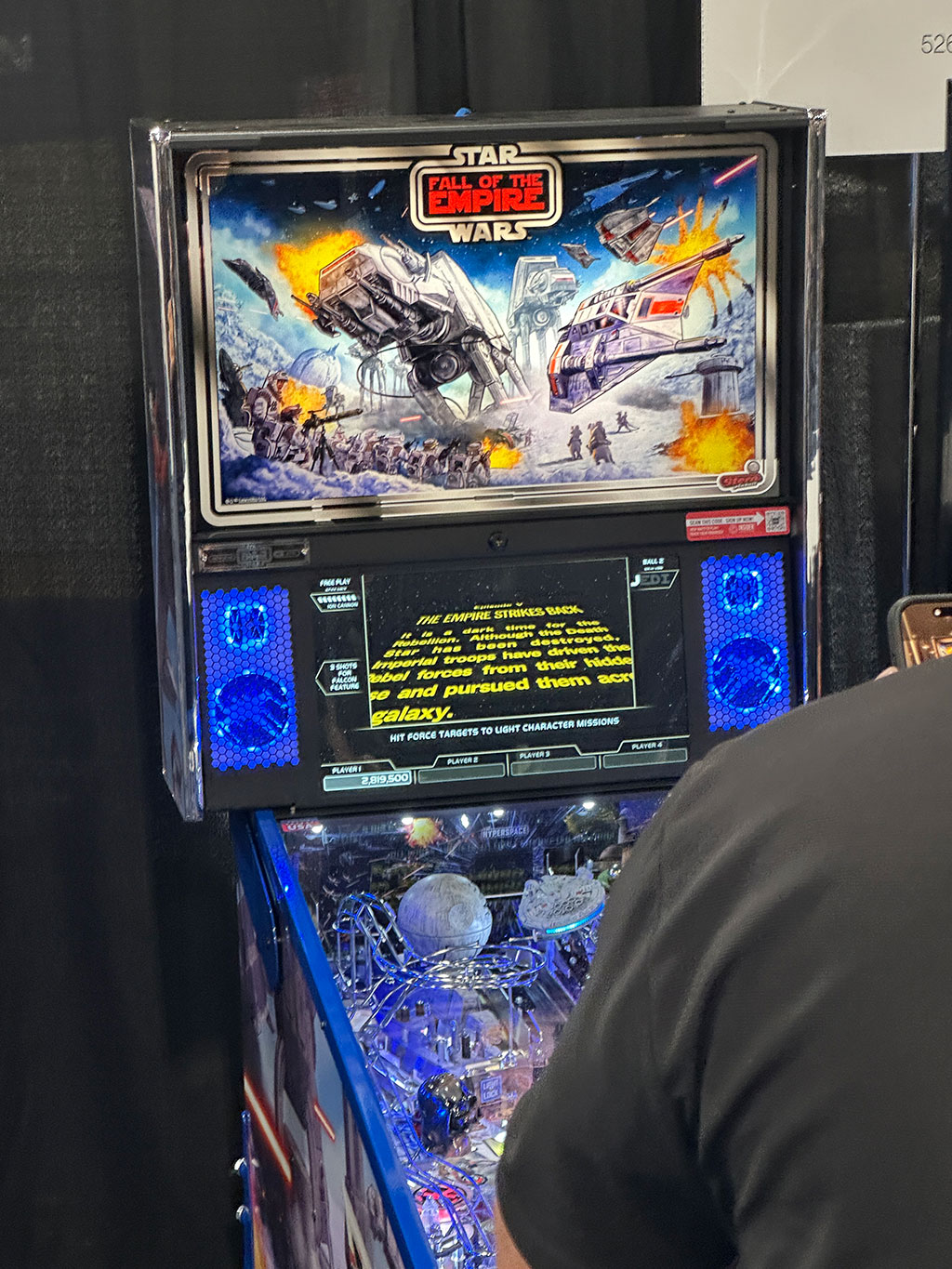
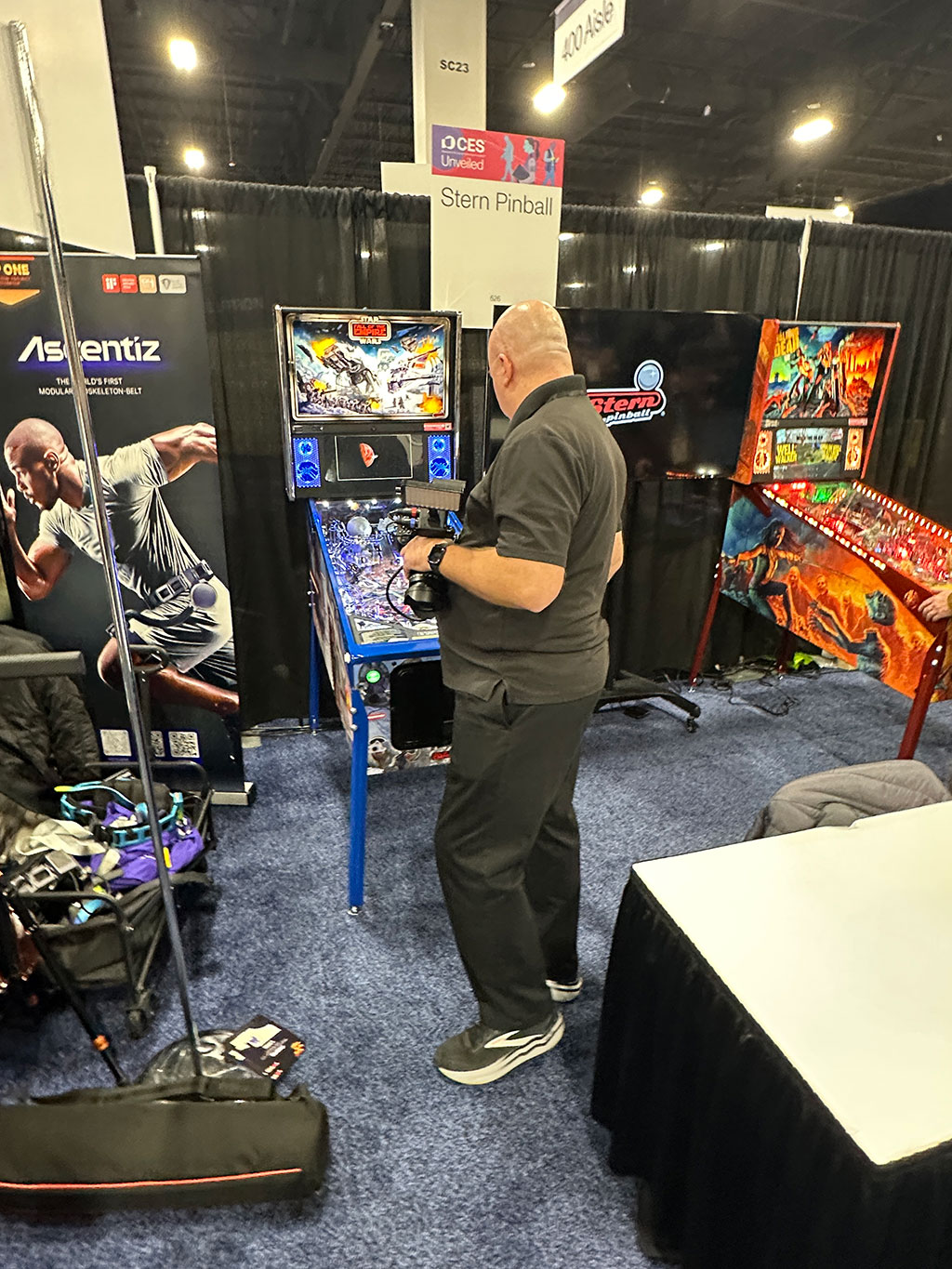
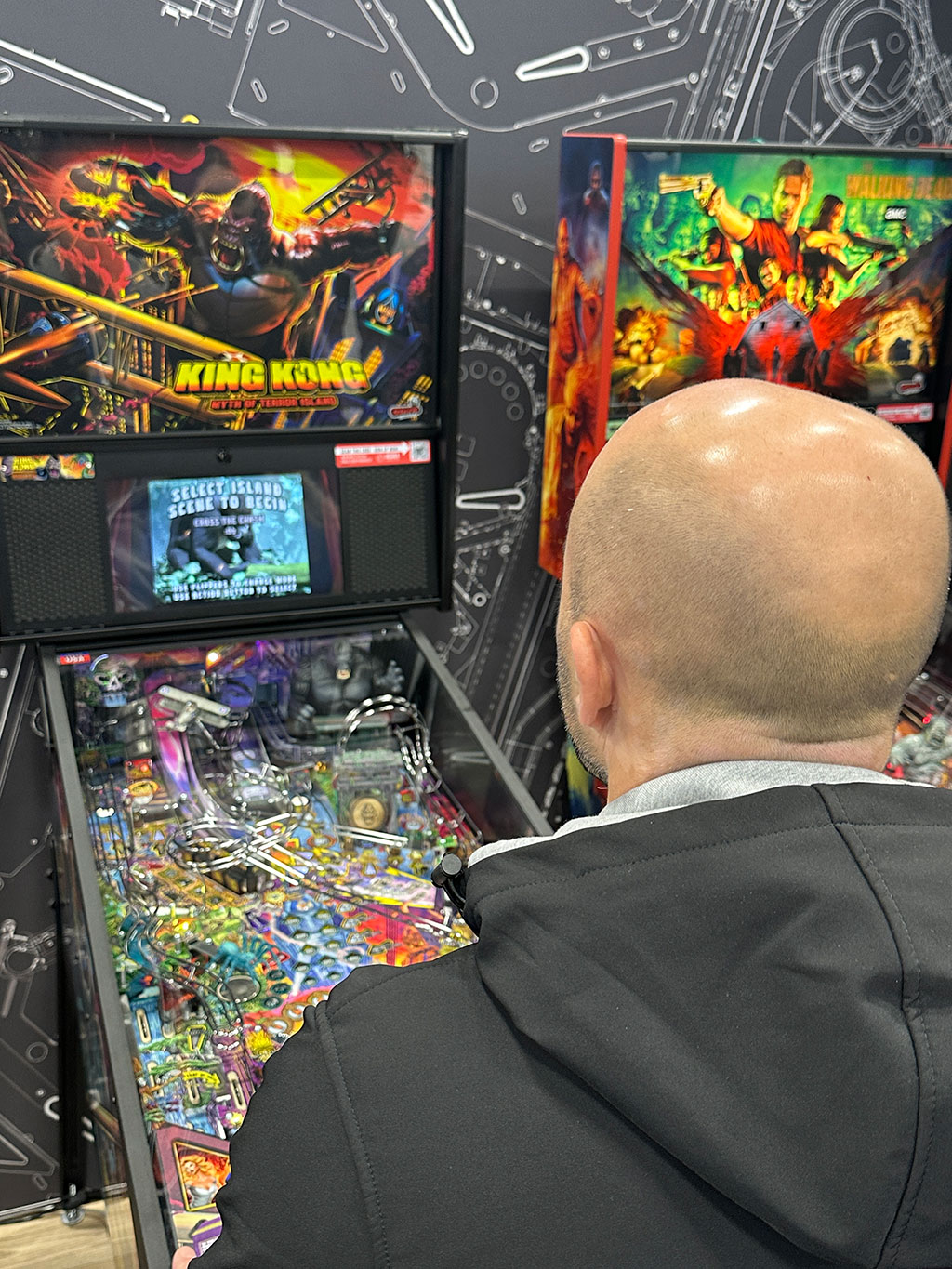
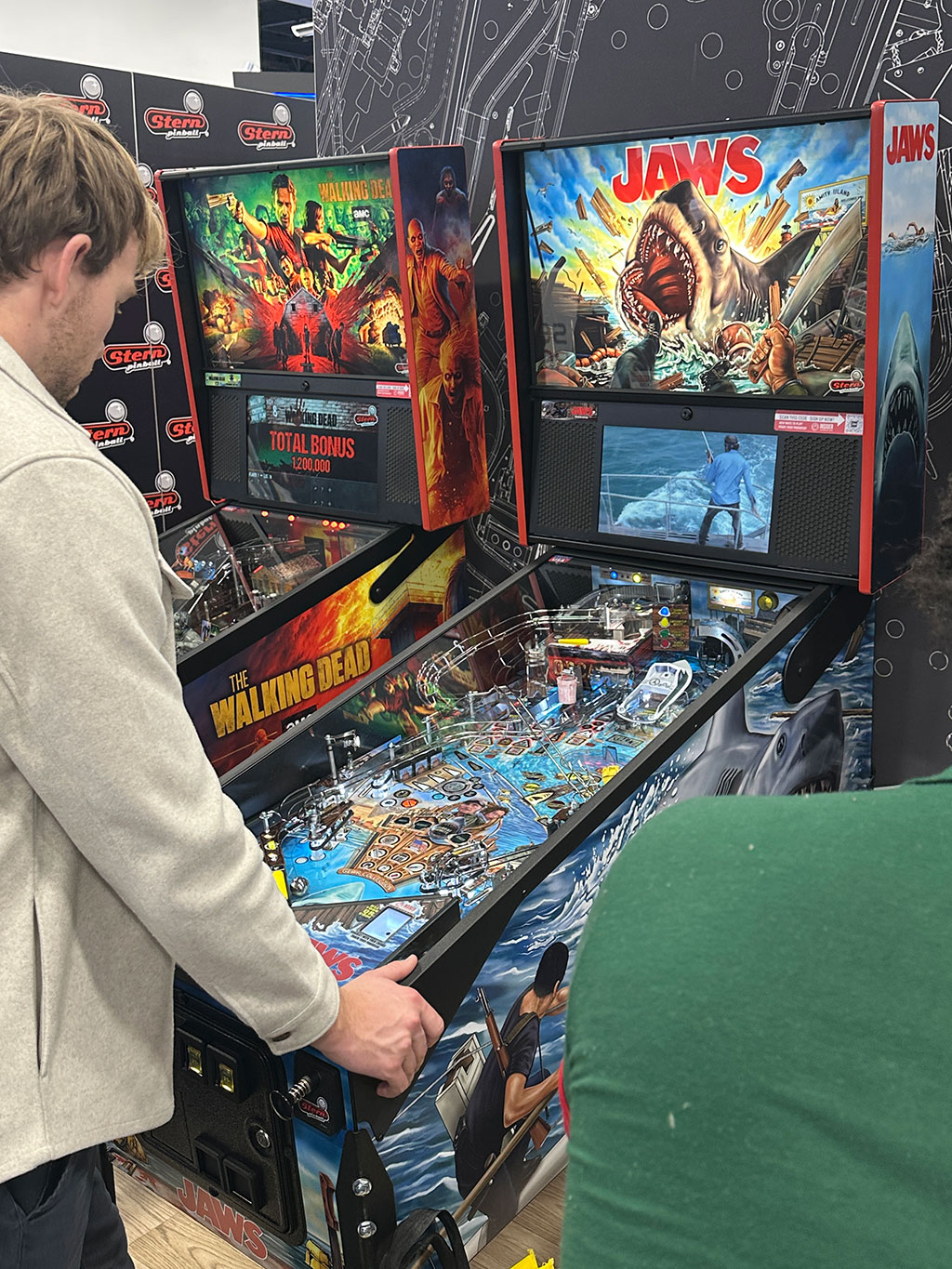
It simply wouldn’t be the Consumer Electronics Show without Stern Pinball. Widely considered the “GOATs” of the industry, Stern is on a relentless mission to redefine the silver ball experience. This year was no different, as they stormed the floor with two heavy hitters: Star Wars: Fall of the Empire and The Walking Dead Remastered.

A Museum of Motion

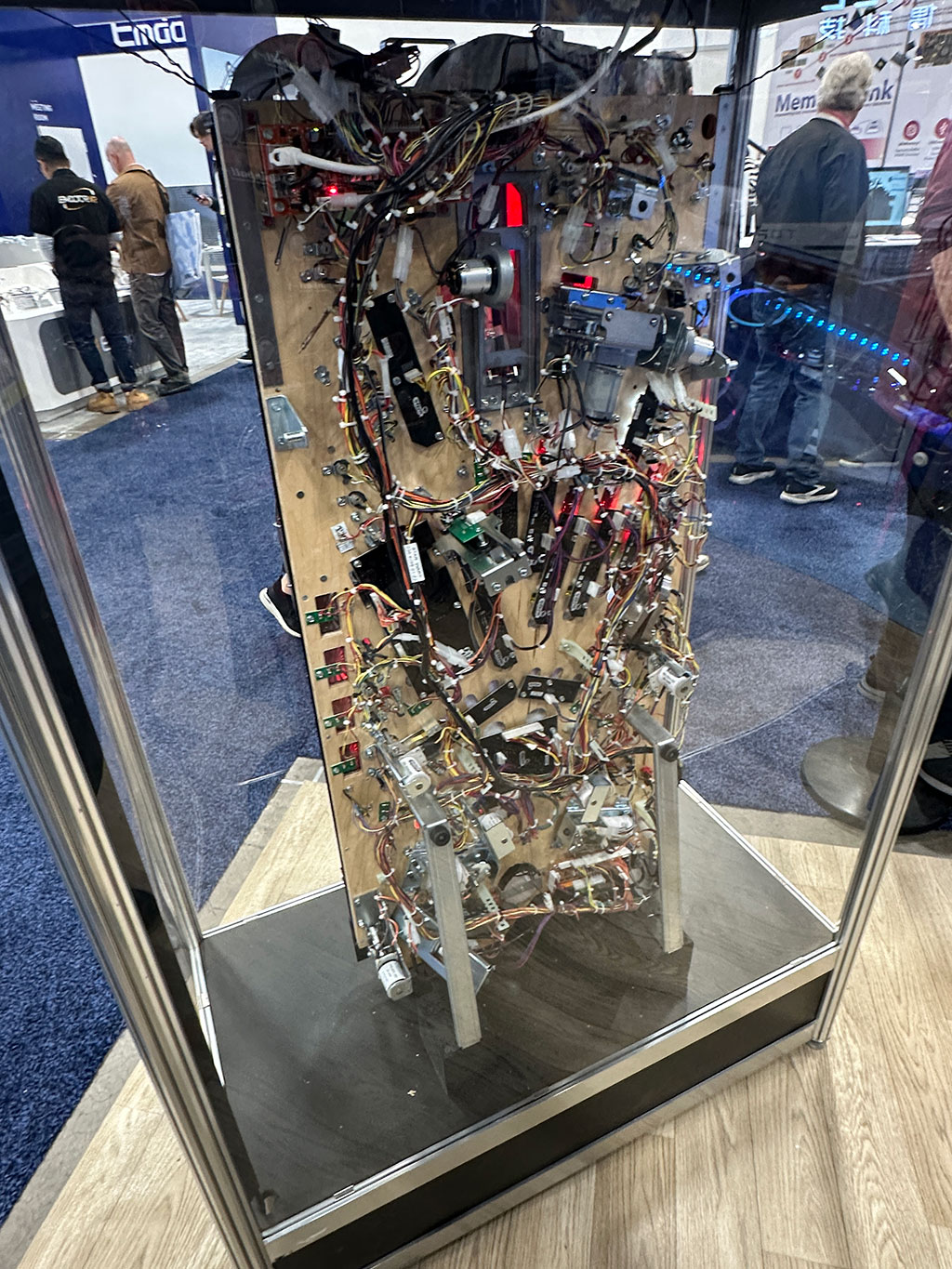
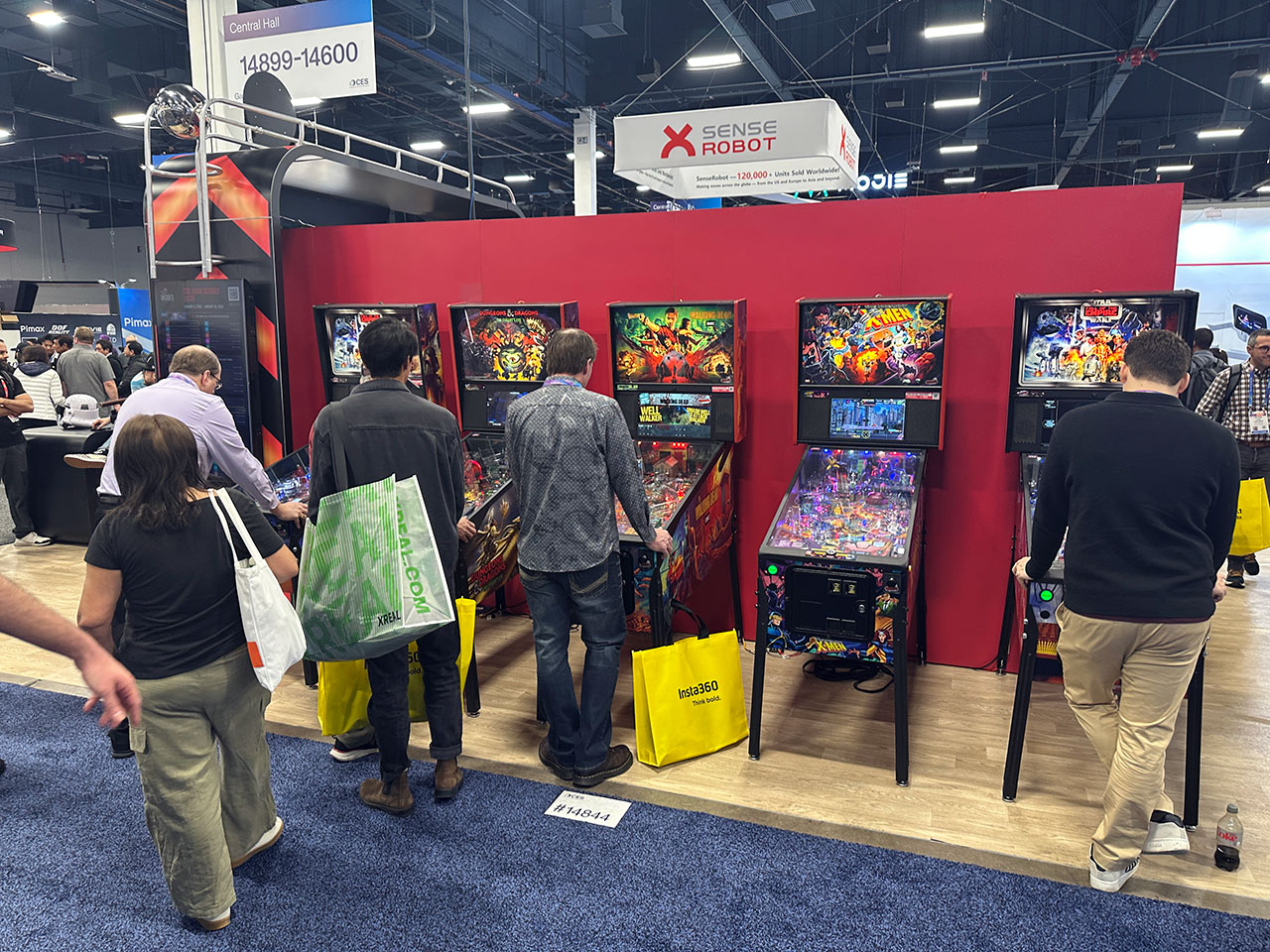
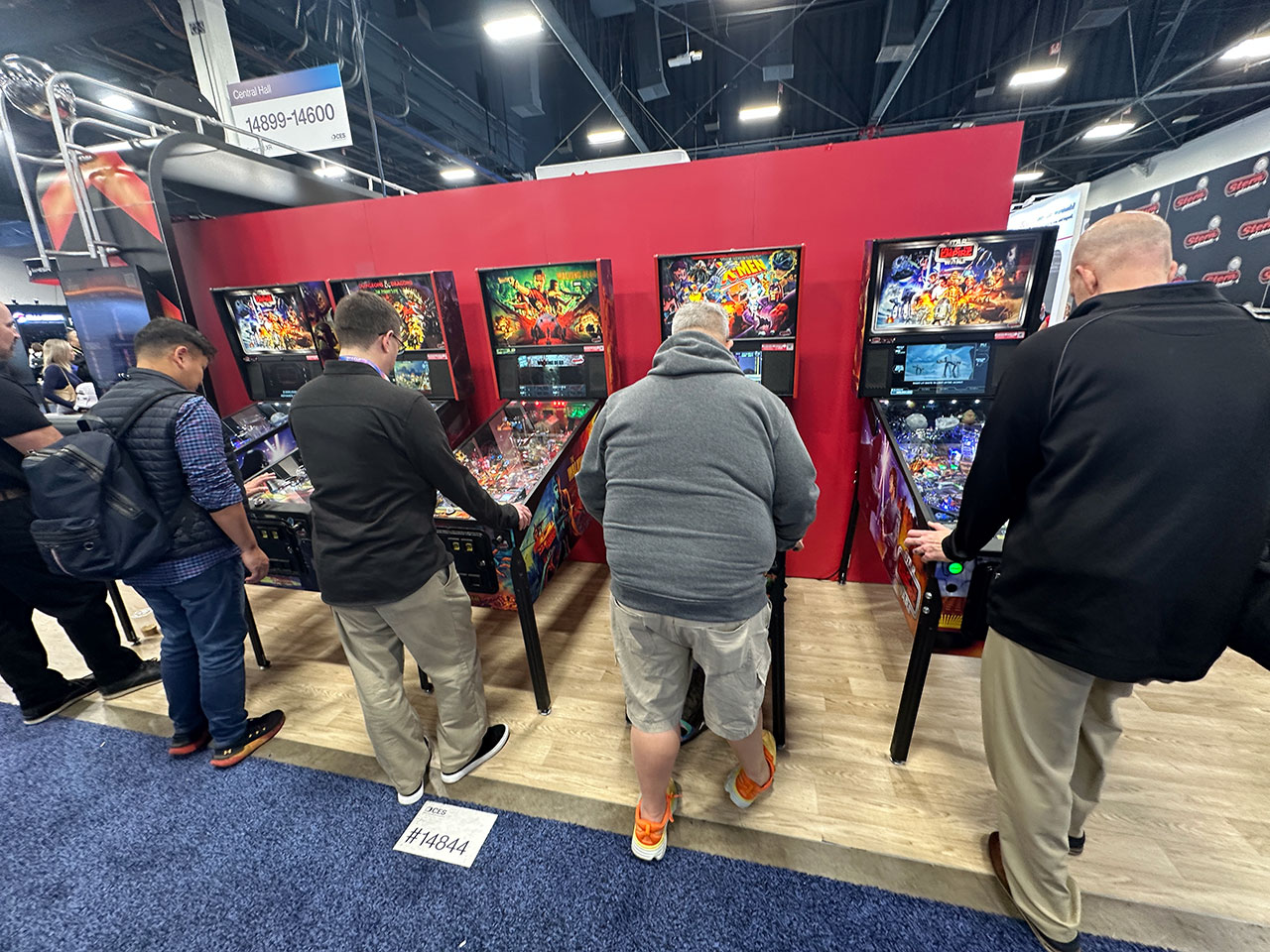
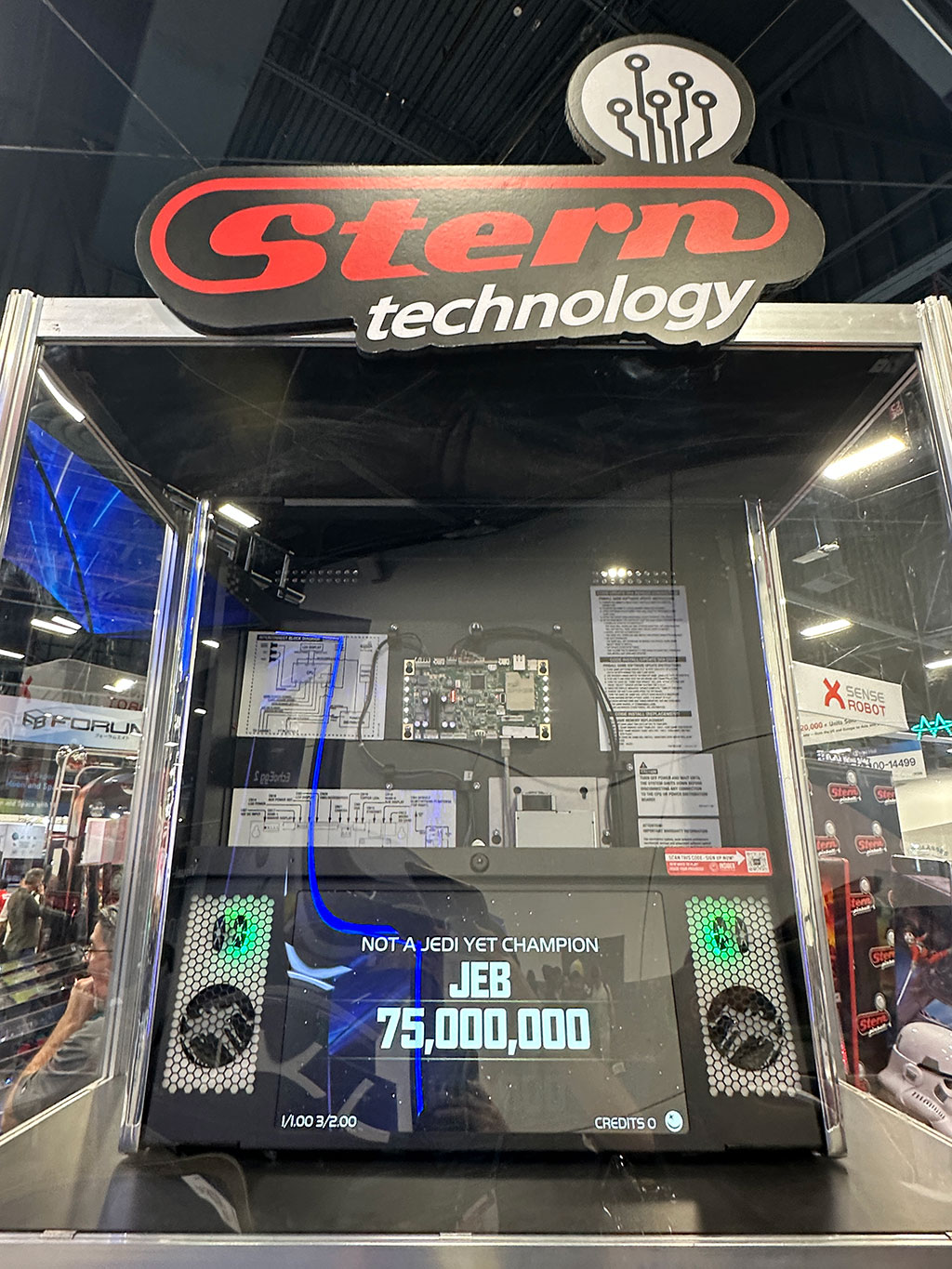
Stern is never stingy when it comes to floor space. This year, they provided the full spectrum of the pinball experience, from entry-level Pro models to the ultra-premium Collector’s Editions—all set to free play. Beyond the new releases, they curated a “greatest hits” gallery of recent favorites. For the tech-heads, they even included museum-quality displays showcasing the “guts” of the machines, revealing the intricate engineering and wiring hidden beneath the playboard.

The Walking Dead: Reanimated and Remastered

The Walking Dead Remastered isn’t just a facelift; it’s a total resurrection. Redesigned by the original game’s architect, John Borg, the table features iconic set pieces like the Prison and the Bicycle Girl, along with the return of the fan-favorite crossbow launcher. This version utilizes Stern’s next-gen SPIKE 3 platform, which streamlines performance and enables much smoother interaction across all mechanical components.

The visual experience has been elevated with state-of-the-art HD screens that pair newly rendered 3D graphics with animations that pay homage to the original game. The hand-drawn art is deep and rich, and the molded walkers—especially the “Well Walker”—are gloriously disgusting. The atmosphere is rounded out by a haunting soundtrack and remastered voice lines from show icons Danai Gurira and Michael Rooker, a perennial press-room favorite. With upgraded Wi-Fi and wireless headphone support, the level of immersion is higher than ever, allowing players to personalize their experience with everything from walker-head plungers to custom toppers.

Star Wars: Fall of the Empire – The Force is Strong

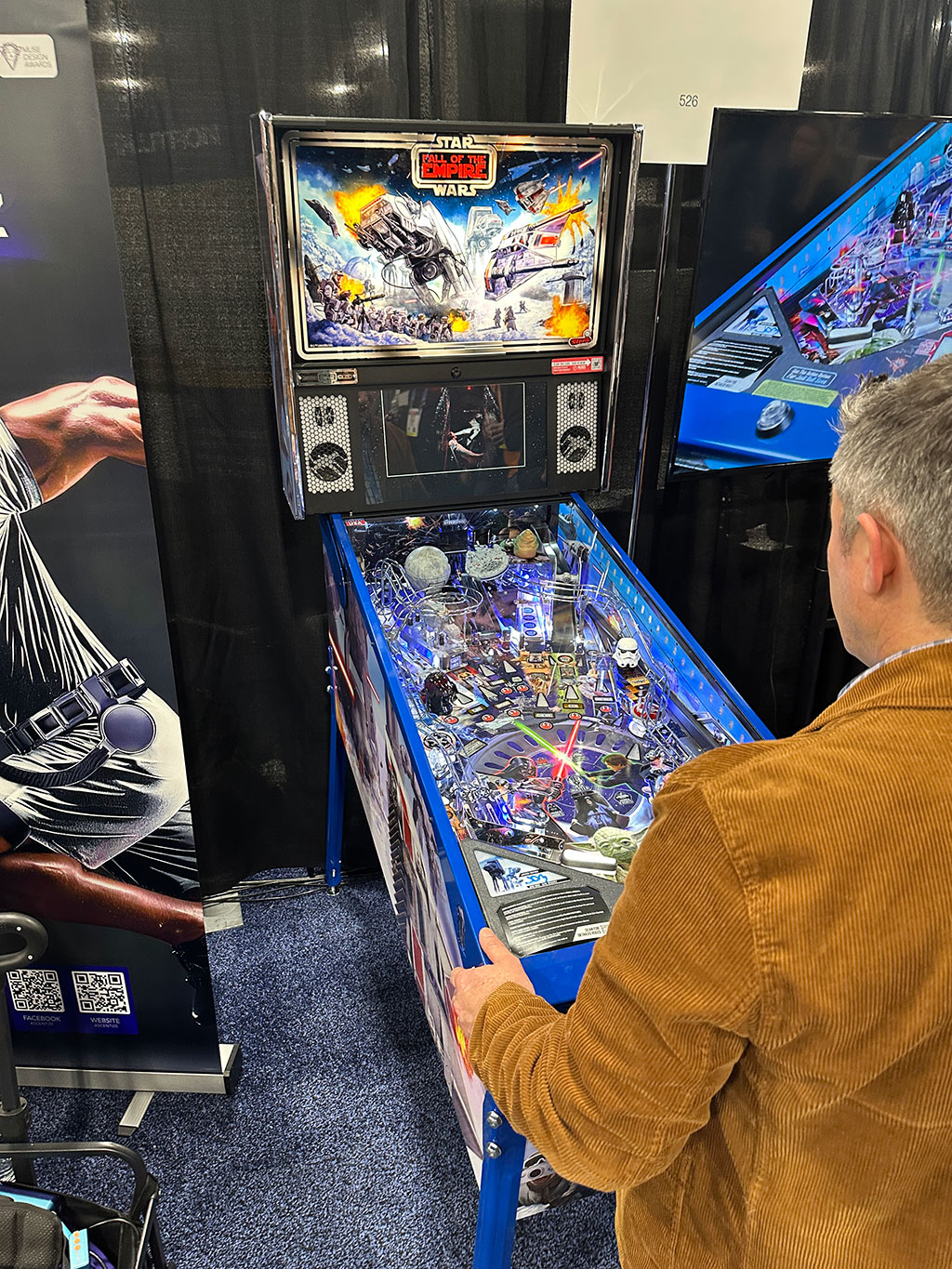
Following in the footsteps of JAWS, which remains my personal all-time favorite, Star Wars: Fall of the Empire was the table I most anticipated. For a household that literally wears its fandom in the form of Star Wars and JAWS tattoos, getting hands-on with Fall of the Empire was a giddy, “pinch-me” experience. While my family headed down the road to the Vegas Pinball Hall of Fame, I stayed embedded at CES Unveiled to test the limits of the Force.

The verdict is that everyone, from casual fans to seasoned pros, is falling for this table fast. The hand-painted playfield is a masterclass in nostalgia, featuring incredible sculpts of the Death Star, Jabba the Hutt, and a towering AT-AT. To describe the playfield actions too deeply would feel like a spoiler, but suffice it to say, Stern captures the dual nature of the Force perfectly. The ramps are lightning-fast, and hitting specific targets unlocks legendary cinematic moments like the Sarlacc Pit, all set to the immortal score of John Williams.

The Future is Connected

The implementation of the SPIKE 3 system is a game-changer for the Insider Connected system. With improved Wi-Fi, it is now seamless to log into different tables and track your global rankings through your Stern Pinball ID. This tech is clearly the new standard for the company, signaling a future where the mechanical world of pinball and the digital world of connectivity are perfectly in sync. The Walking Dead and Star Wars are two franchises born for this medium, and Stern has truly hit the jackpot this year, proving that the future of those “little silver balls” is brighter than ever.

Photo Gallery

We Like Shiny: Black Shark SP-1 RGB Computer Speaker Review

Let’s face it: the average gamer cares as much about looks as they do about content. We need our gear to perform when put through the paces, but we also like “shiny.” So, when Black Shark released the SP-1 Bluetooth desktop speaker promising multiple lighting effects alongside dual-mode connectivity, I couldn’t wait to get my hands on it.

After testing it as my daily driver, here is the verdict on whether this soundbar deserves a spot on your battlestation.

Design & Form Factor: The Perfect Fit

The Black Shark SP-1 is designed in a compact bar format that rests nicely between a keyboard and a desktop monitor. It takes up that specific strip of desktop real estate that is usually a graveyard for knickknacks—in my case, usually reserved for fidget toys and Star Trek Tribbles.

Because it sits under the monitor, it clears up the clutter of traditional “two-tower” speakers. It also pairs exceptionally well with RGB keyboards; the width of the soundbar almost perfectly matches a full-sized keyboard with a number pad, creating a unified look.

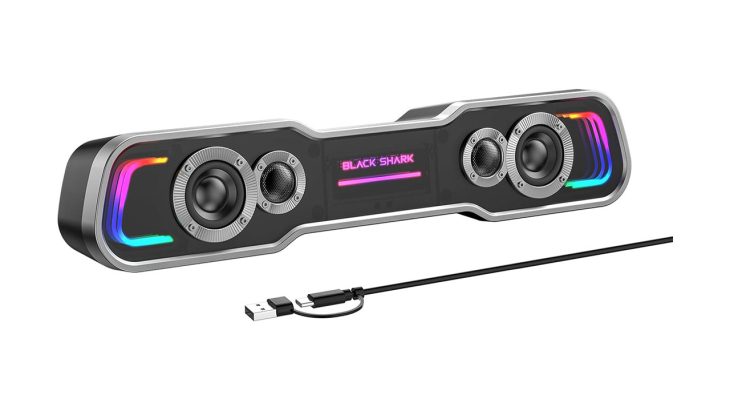
The unit itself has a nice industrial aesthetic. The front surface looks metallic with a riveted, cage-like design over the dual drivers. Even without the lights on, it looks like a piece of serious hardware rather than a cheap toy.

The “Shiny”: RGB Performance

Plug-and-play is instant, and the first thing you notice is the RGB lighting. The bar features lighting zones in the middle and at both ends, offering decent visual depth.

There are 5 built-in lighting patterns, ranging from a static “reveal” mode where the Black Shark logo lights up and sends color racing to the edges (reminiscent of Tron light cycles), to a “breathing” display where the lights fade in and out. The breathing mode is particularly immersive for horror games, mimicking the tension of the atmosphere. If the lights become distracting during a competitive match, you can switch to a slow-shifting rainbow or turn them off entirely.

Controls & Usability

One of the Black Shark SP-1’s strongest features is the tactile control scheme. The rubberized buttons are located in an indent in the middle of the bar, allowing you to feel your way around without looking down—a huge boon for late-night gaming sessions.

Unlike my aging Razer Ornata 2, which has a broken volume wheel, the SP-1 offers snappy and accurate adjustments. The buttons allow you to change volume, Pause/Play music, and skip or replay tracks.

These media controls are often missing on budget desktop speakers, and they are a lifesaver. If a song comes on that kills your vibe, you can skip it instantly from the speaker without alt-tabbing out of your game or unlocking your phone.

Sound Quality & Power

When I sat down to put the SP-1 through its paces, I was initially skeptical of the 10-watt maximum output. I worried it would be fine for a quiet room but drown out if there was any ambient noise (like a loud PC fan or AC).

This concern was completely unwarranted. The Black Shark projects surprisingly well, utilizing a bass reflex design that provides punchy dynamic stereo sound. It easily fills a room, and for the price point, the audio is distinct and clear, making it a massive upgrade over monitor speakers.

The “Portability” Reality Check

The SP-1 is marketed with Bluetooth 5.0 alongside its USB-C wired connection. This implies a degree of portability—pairing it with a phone for a pool party or moving it to the bathroom for shower tunes.

However, there is a catch: There is no internal battery.

While you can pair it to your phone via Bluetooth and place it anywhere, the unit must stay plugged into a power source (via USB) to function. This makes it a “tethered” portable speaker. It works great if you have a power bank or an outlet nearby, but don’t expect to grab it and go completely wireless like a JBL Flip.

Final Verdict

The Black Shark SP-1 Bluetooth Computer RGB Speaker has officially replaced my old computer speaker set. It packs a lot of punch into a shiny, compact package.

Overall Rating 4 out of 5

Pros:

  • Excellent under-monitor form factor.
  • Tactile, easy-to-use media buttons.
  • Punchy sound that exceeds the 10W rating.
  • RGB lighting adds genuine flair to a gaming setup.

Cons:

  • “Portability” is limited by the need for a wired power source.

Ideally Suited For: Gamers looking to clear desk clutter without sacrificing audio quality or that all-important RGB aesthetic.

Breakfast, Buttons, and Breakthroughs: Inside Hyperkin’s CES 2026 Suite

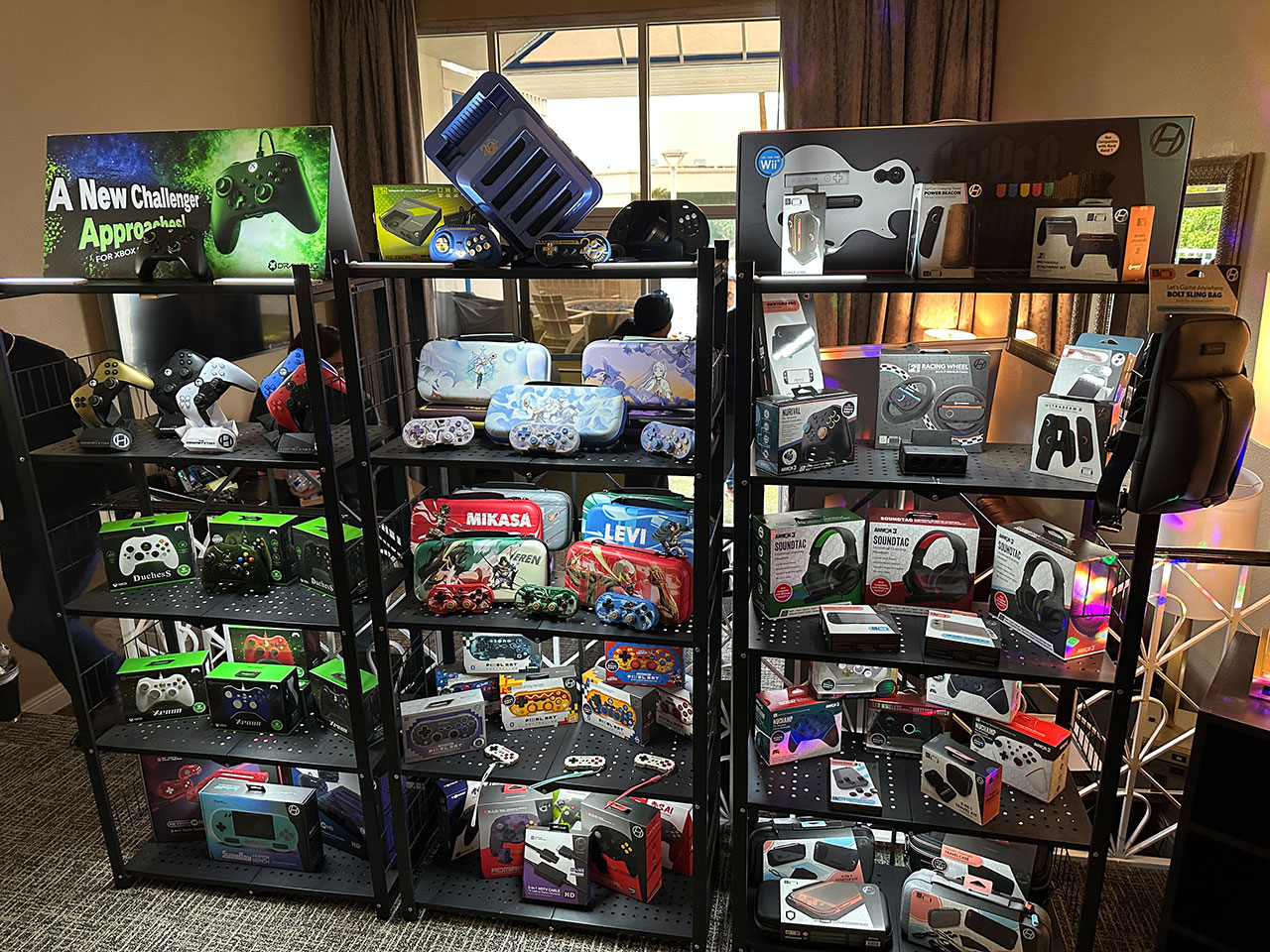
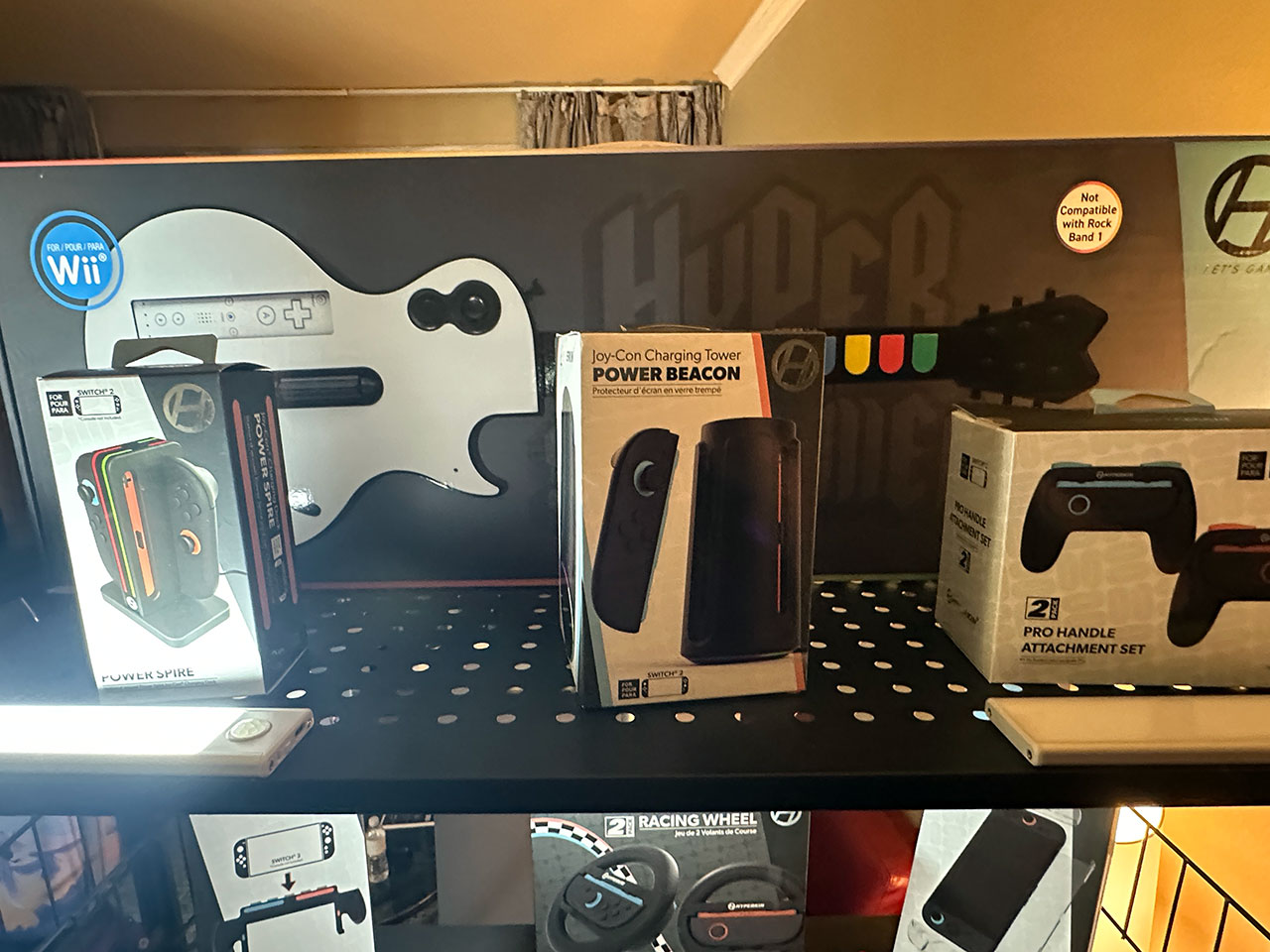
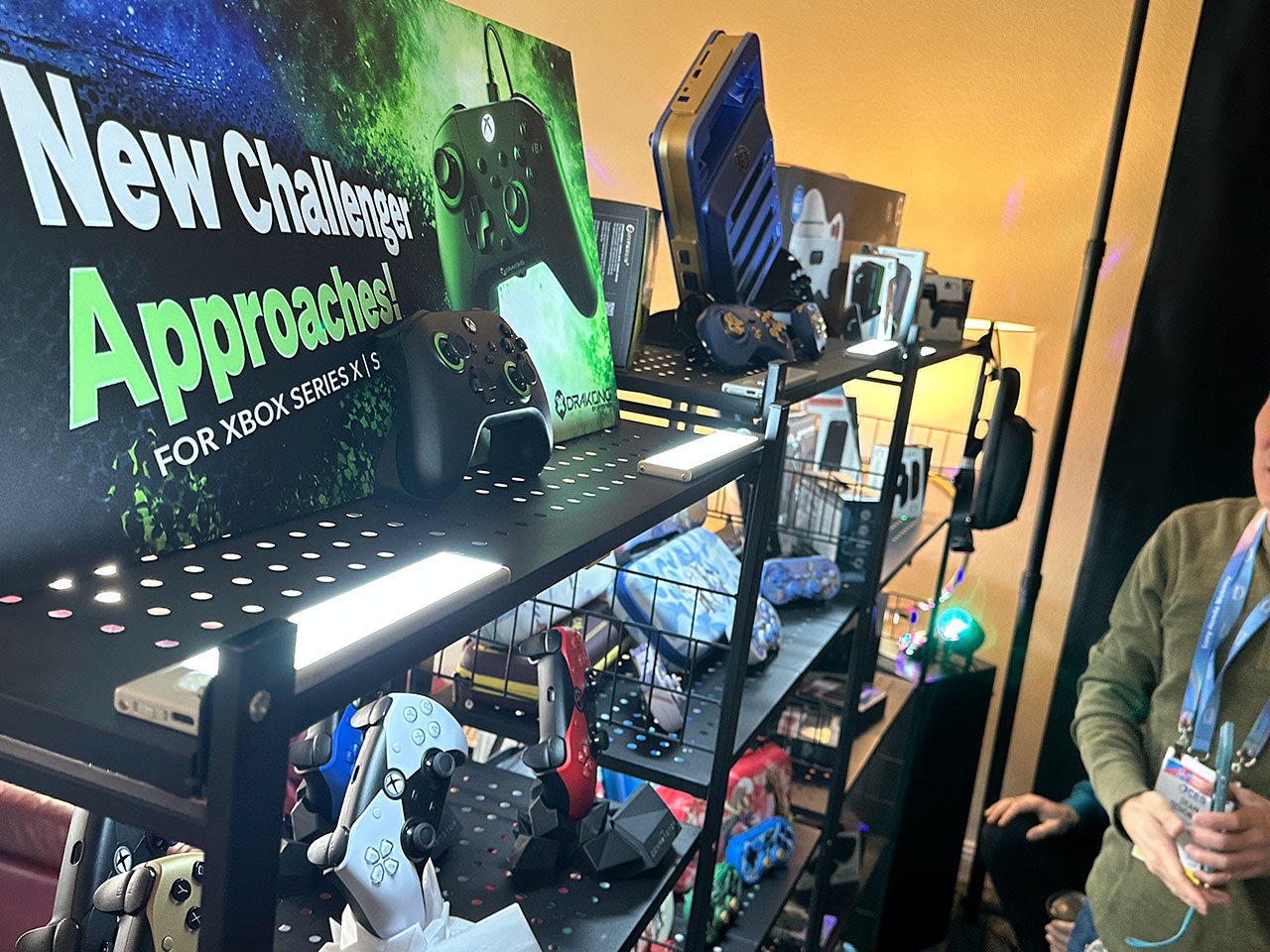
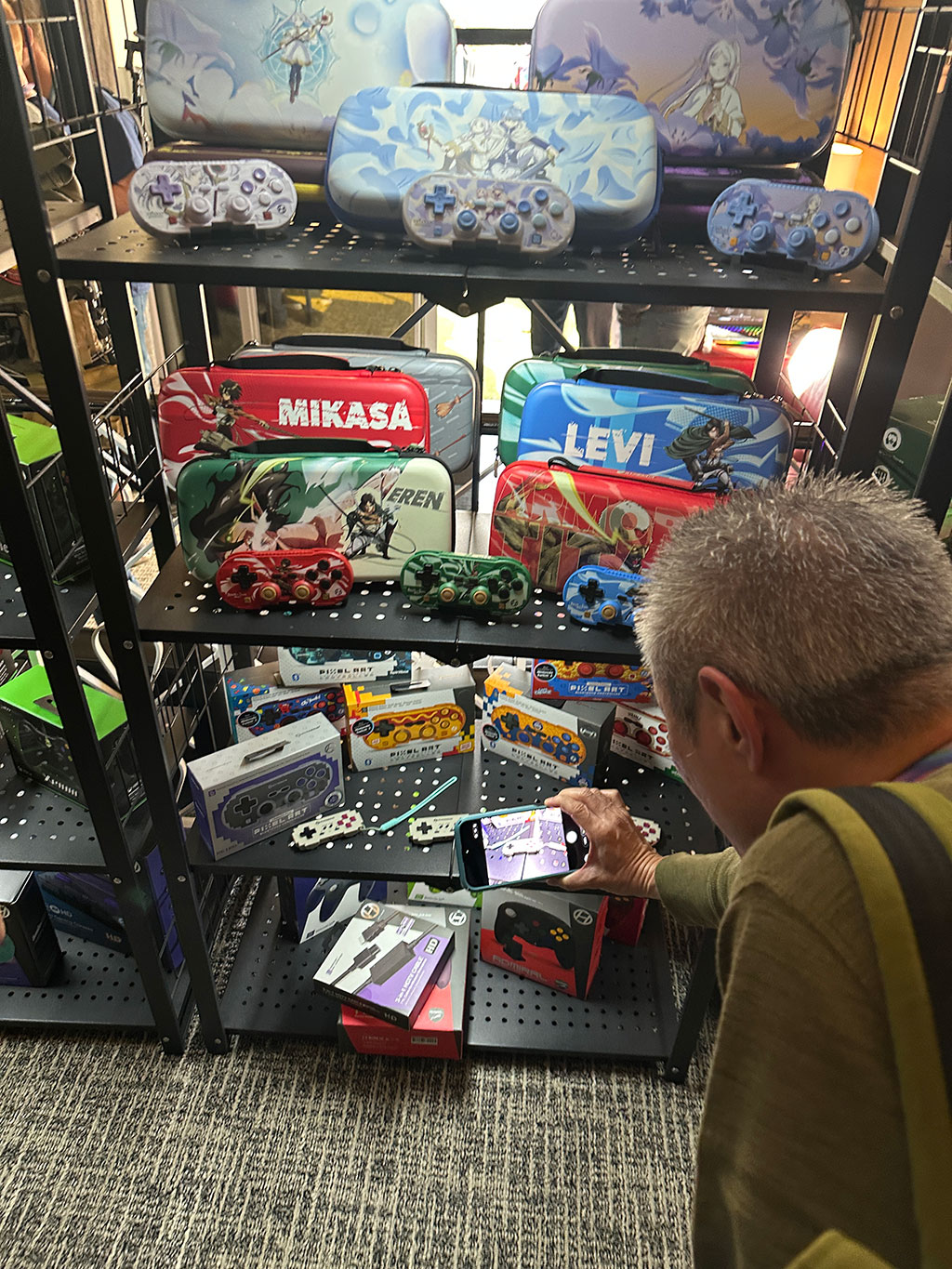
Hyperkin invited us to kick off a CES morning with breakfast and a first look at their 2026 lineup. It was exactly the wake-up call we needed. From modular guitars to a “shape-shifting” mobile controller, Hyperkin is proving they aren’t just living in the past—they are re-engineering it for the future.

The Gold Standard of Retro

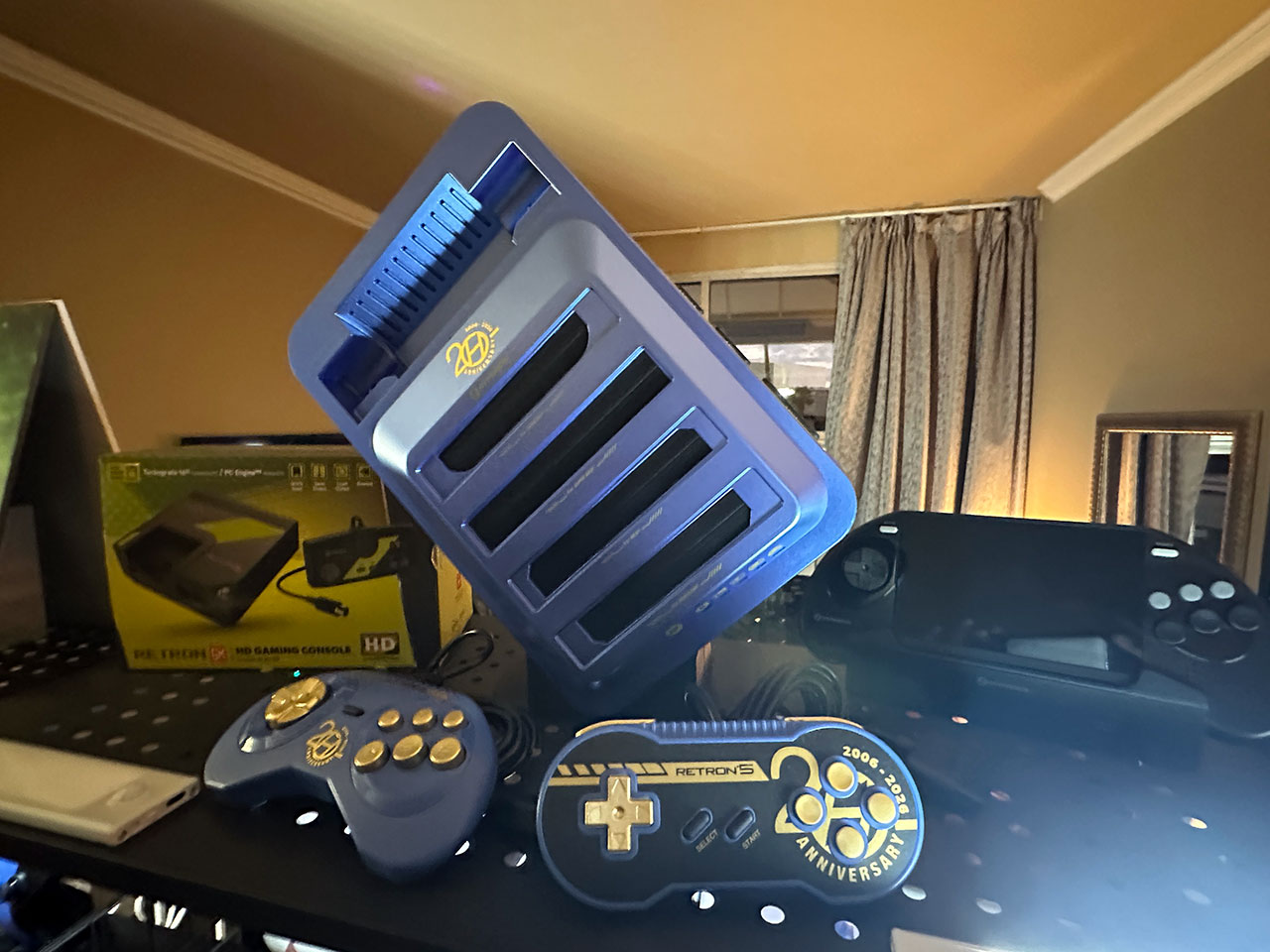
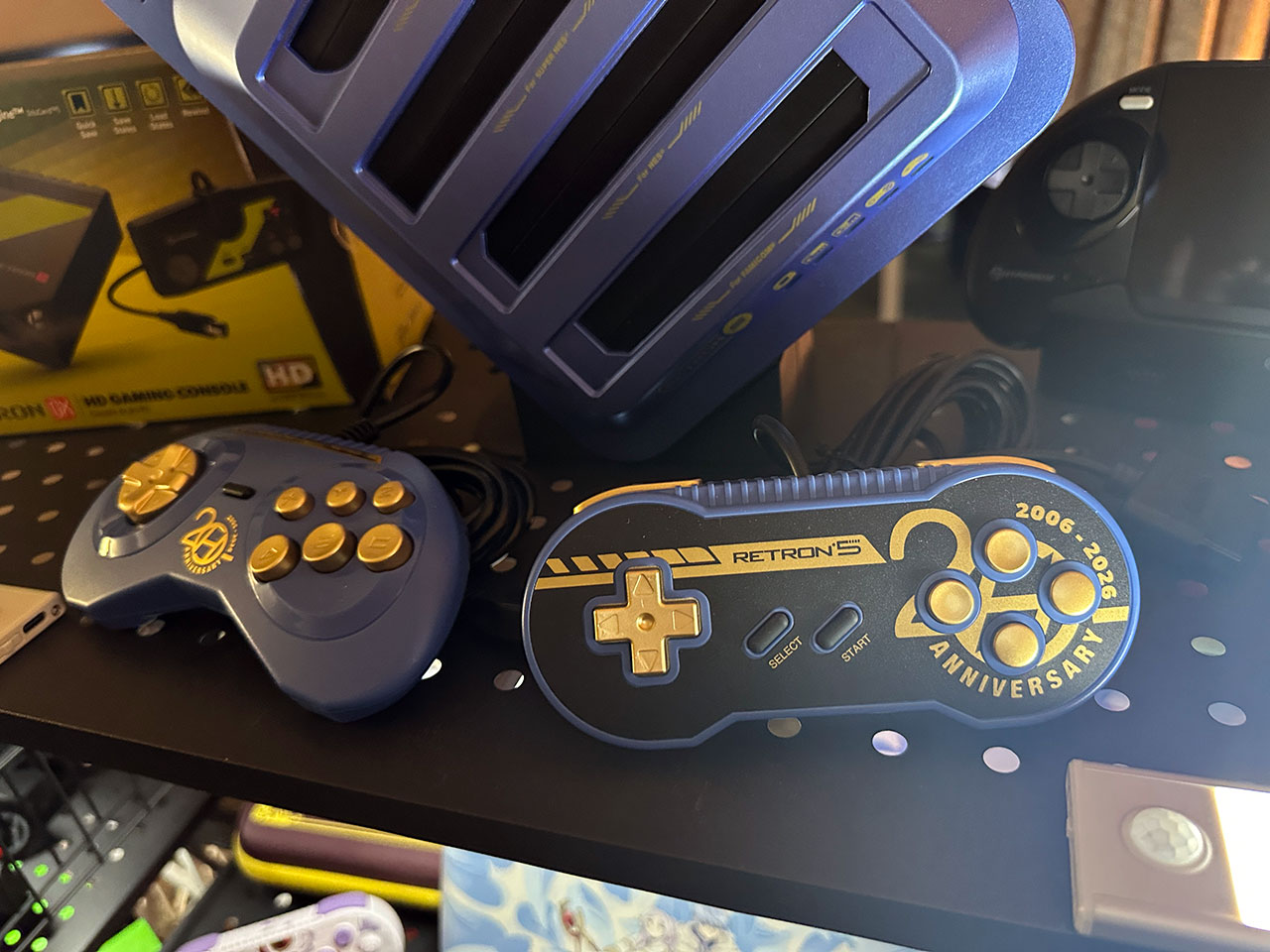
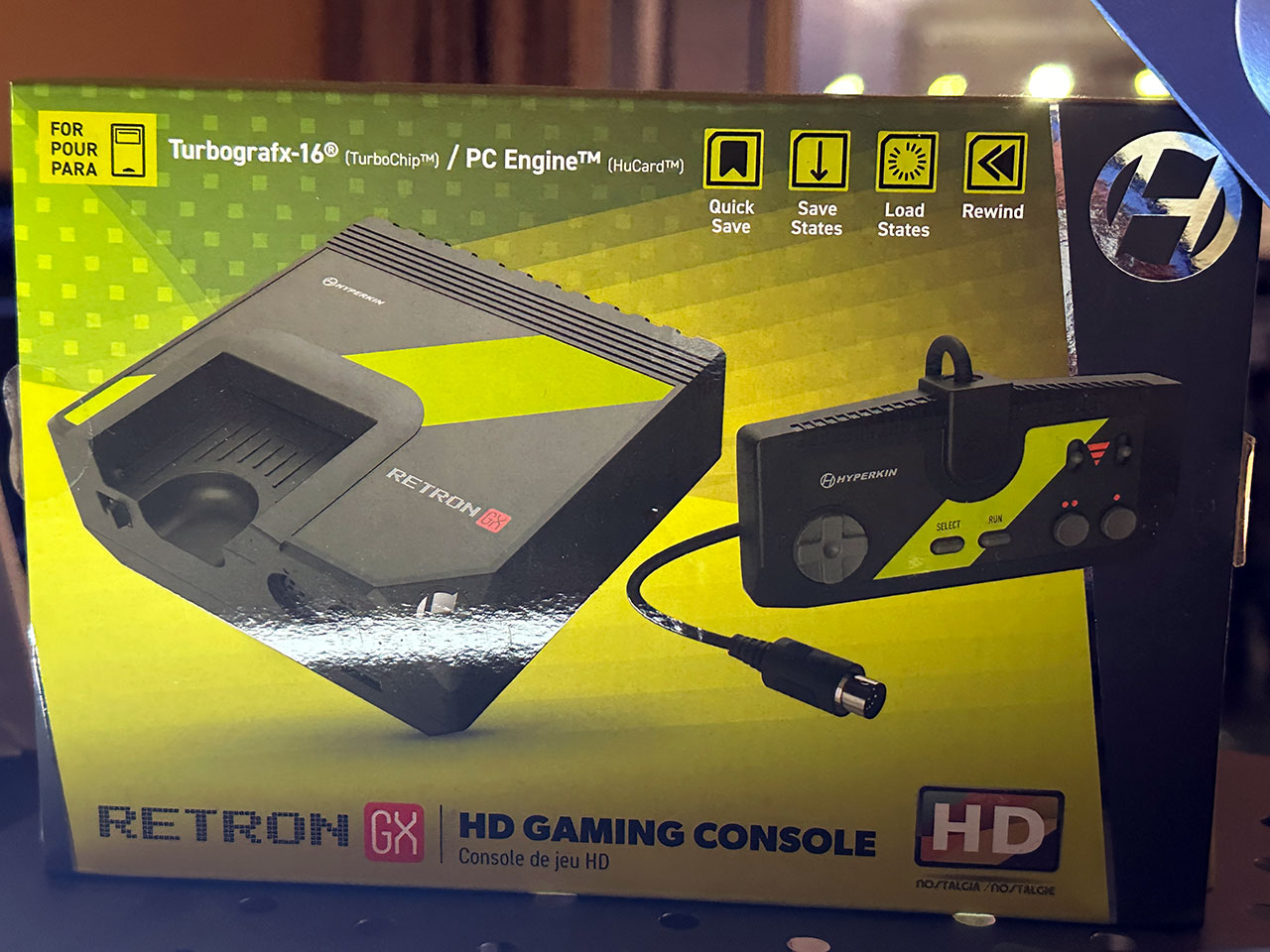
Hyperkin has long been a titan in the retro space, primarily known for their RetroN consoles. These multi-system powerhouses are the ultimate clutter-killers, often allowing players to run cartridges from up to five different vintage systems on a single machine—now with the added crispness of HD output.

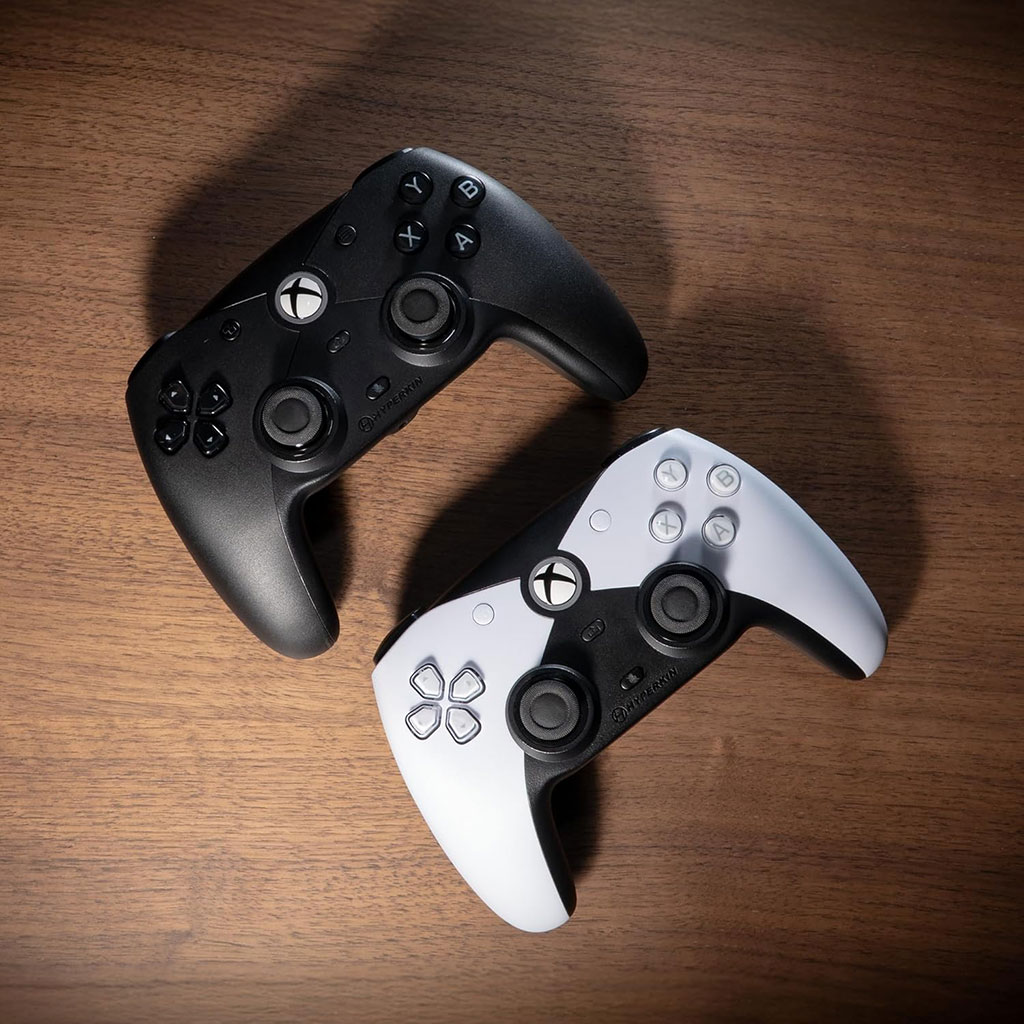
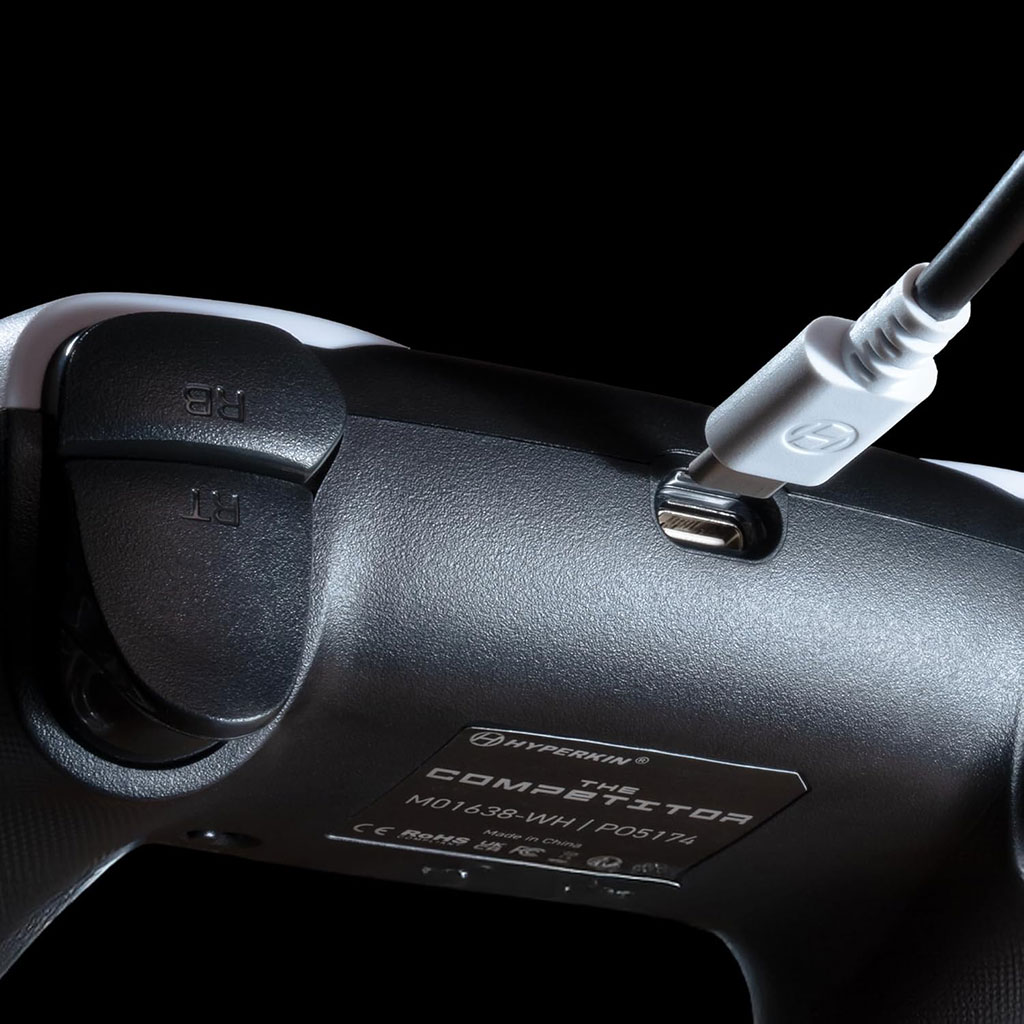
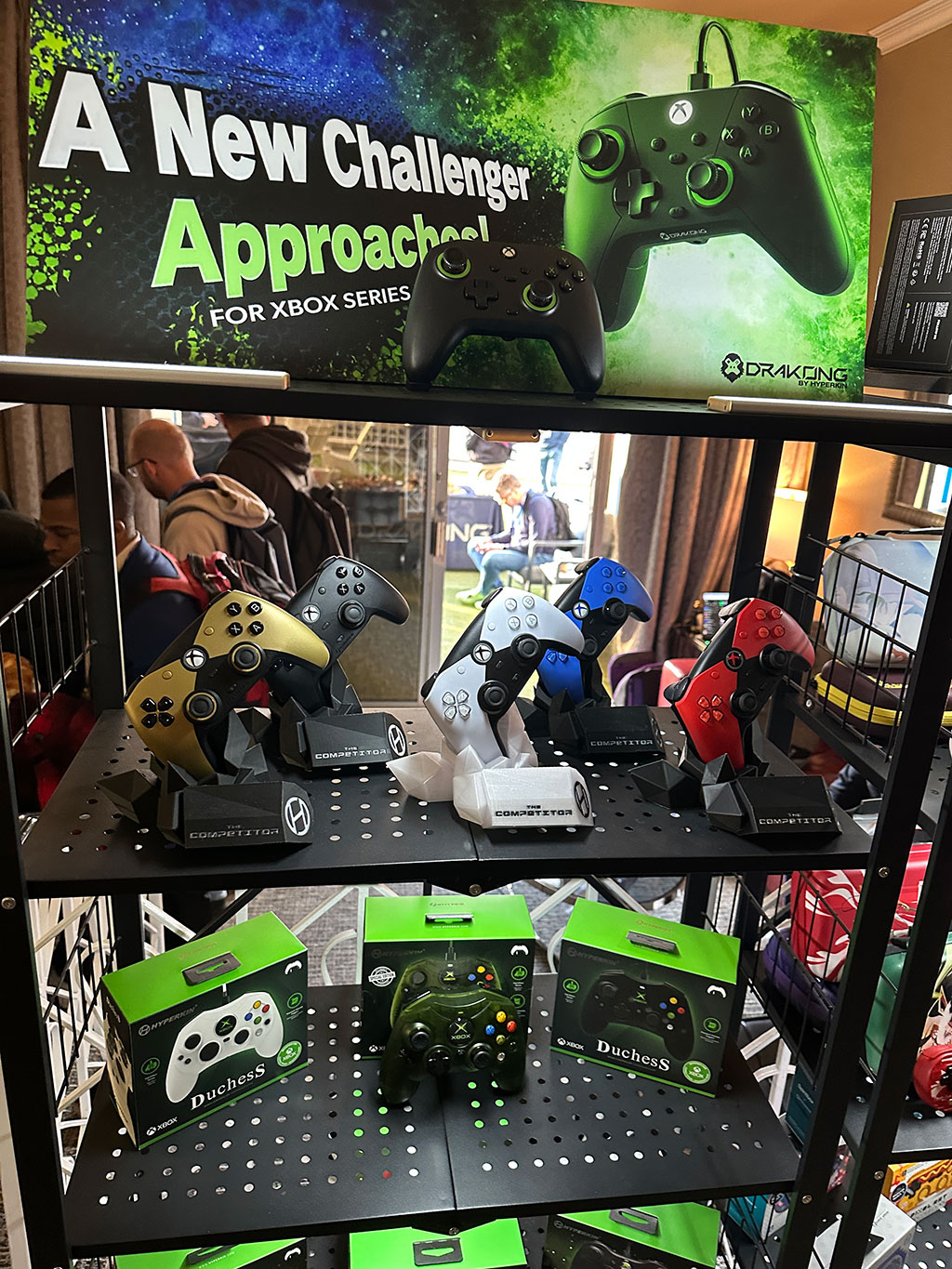
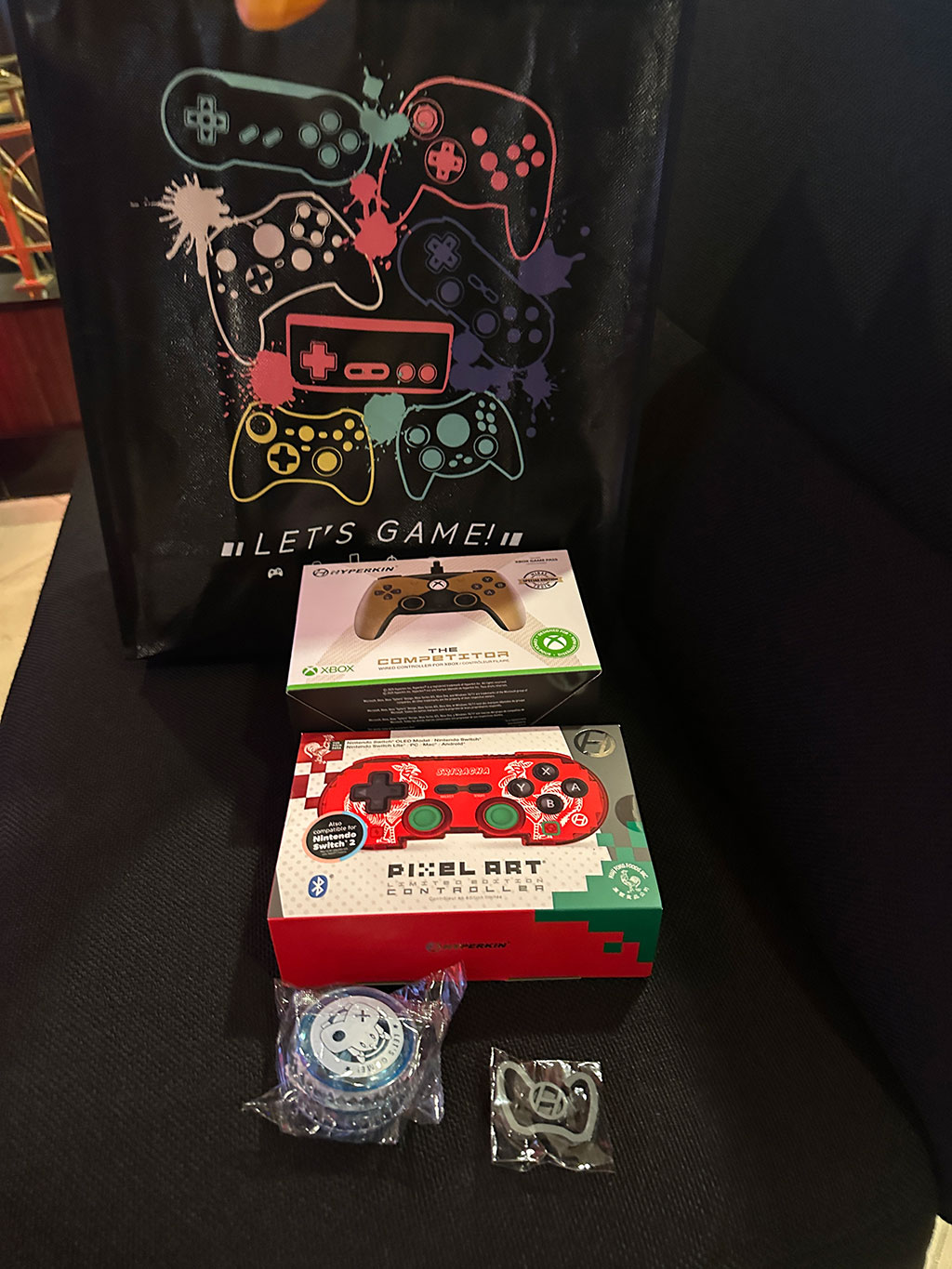
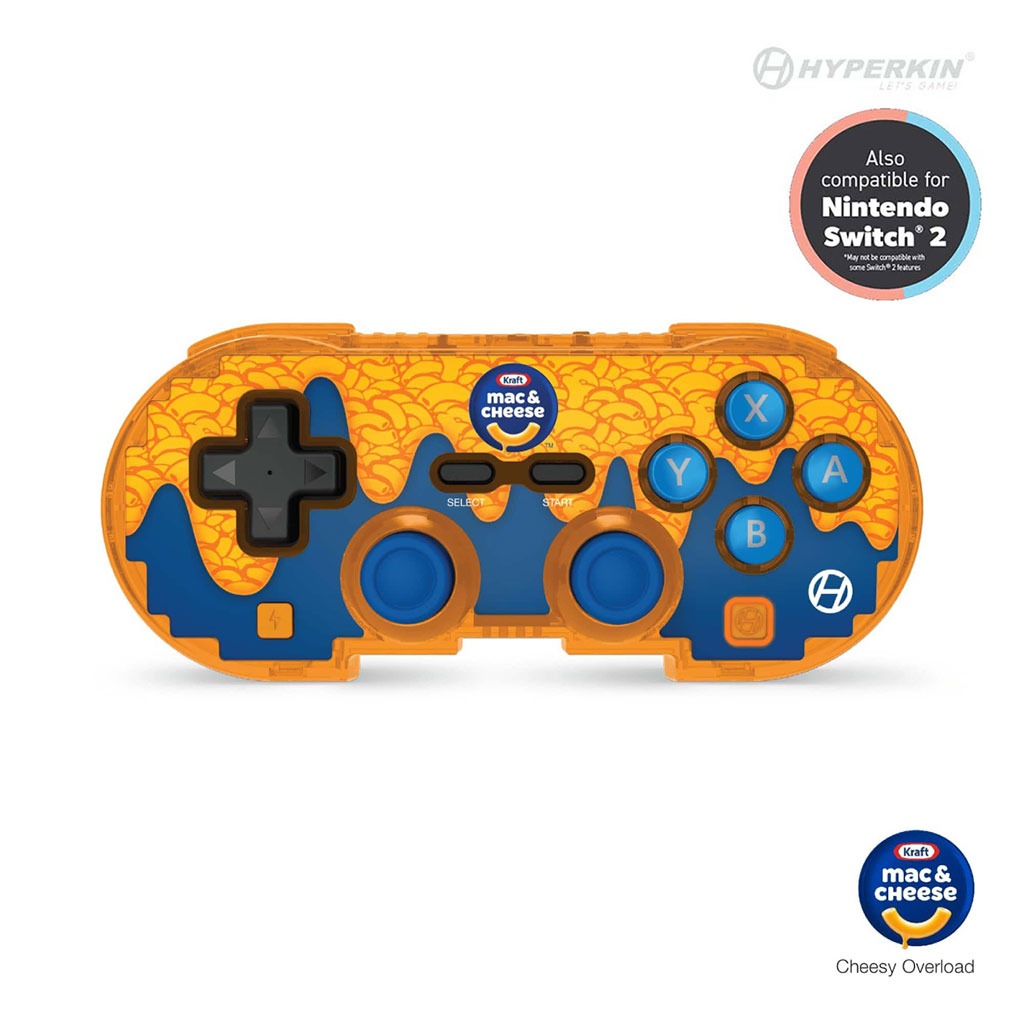
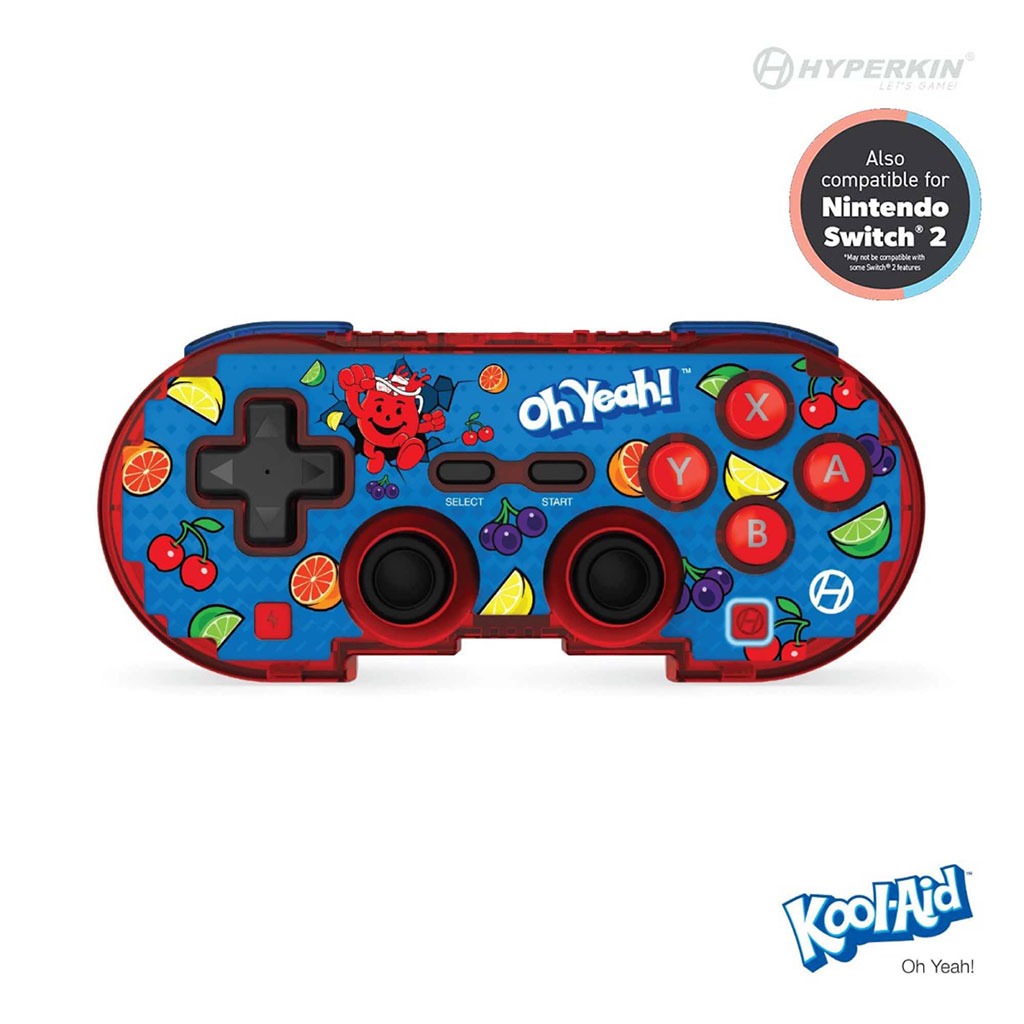
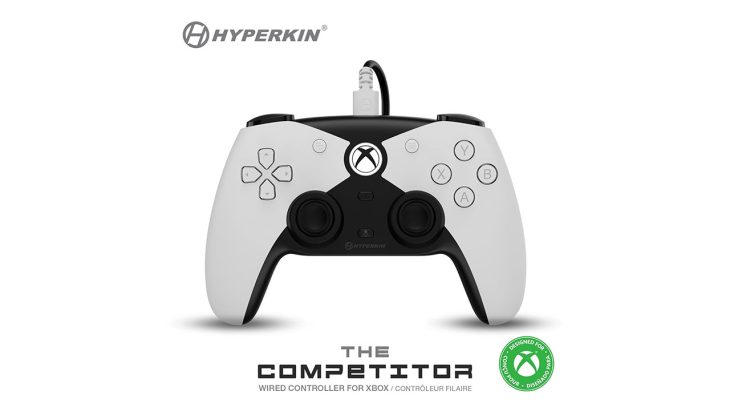
On the peripheral side, their Royal line (featuring the fan-favorite Duke and Duchess) continues to impress. However, the current star is the Competitor, a precision-built, wired Xbox controller that offers seamless plug-and-play compatibility across PC and consoles. For those who prefer a splash of personality, their Pixel Art series remains a highlight, elevating the classic rectangular NES aesthetic with vibrant, licensed designs ranging from Oscar Mayer to Cap’n Crunch.

A Modular “Axe” for the Modern Roadie

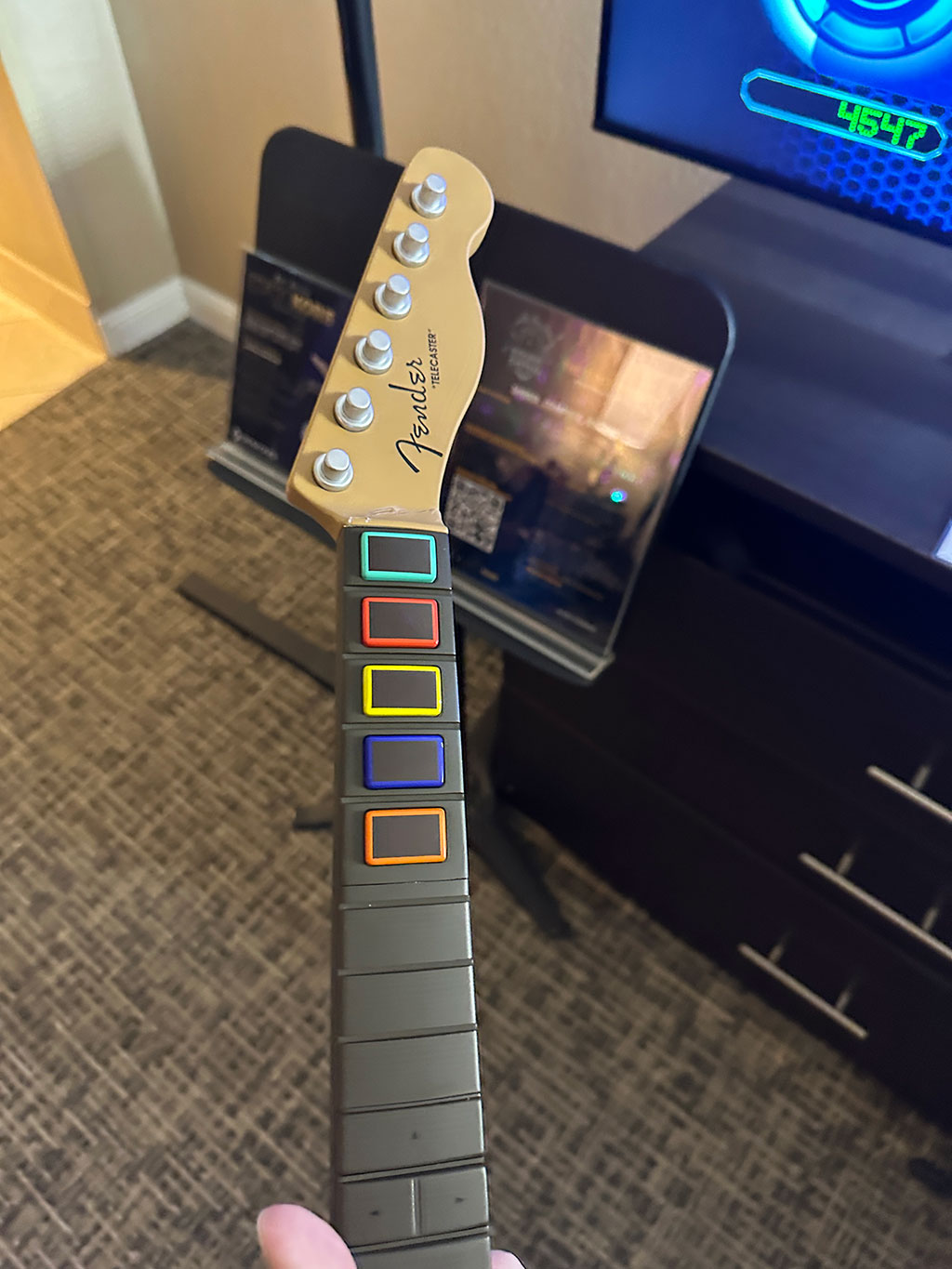
Perhaps the biggest “blast from the past” was the InfinaKore, marketed under Hyperkin’s Drakon brand. Designed for Guitar Hero and Rock Band enthusiasts, this controller solves a decade-old problem: portability.

While the rhythm game craze was built on social gatherings, hauling a plastic Fender through town was always a chore. The InfinaKore features a brilliant modular and foldable design, allowing a full-sized guitar to break down small enough to fit into a standard backpack. Having spent years with three original plastic guitars taking up closet space, I can confirm the InfinaKore feels just as clicky and responsive as the classics—but significantly more convenient. If the rhythm genre sees a true resurgence, this will be the “must-have” peripheral.

The X5 Alteron: The Last Controller You’ll Ever Buy?

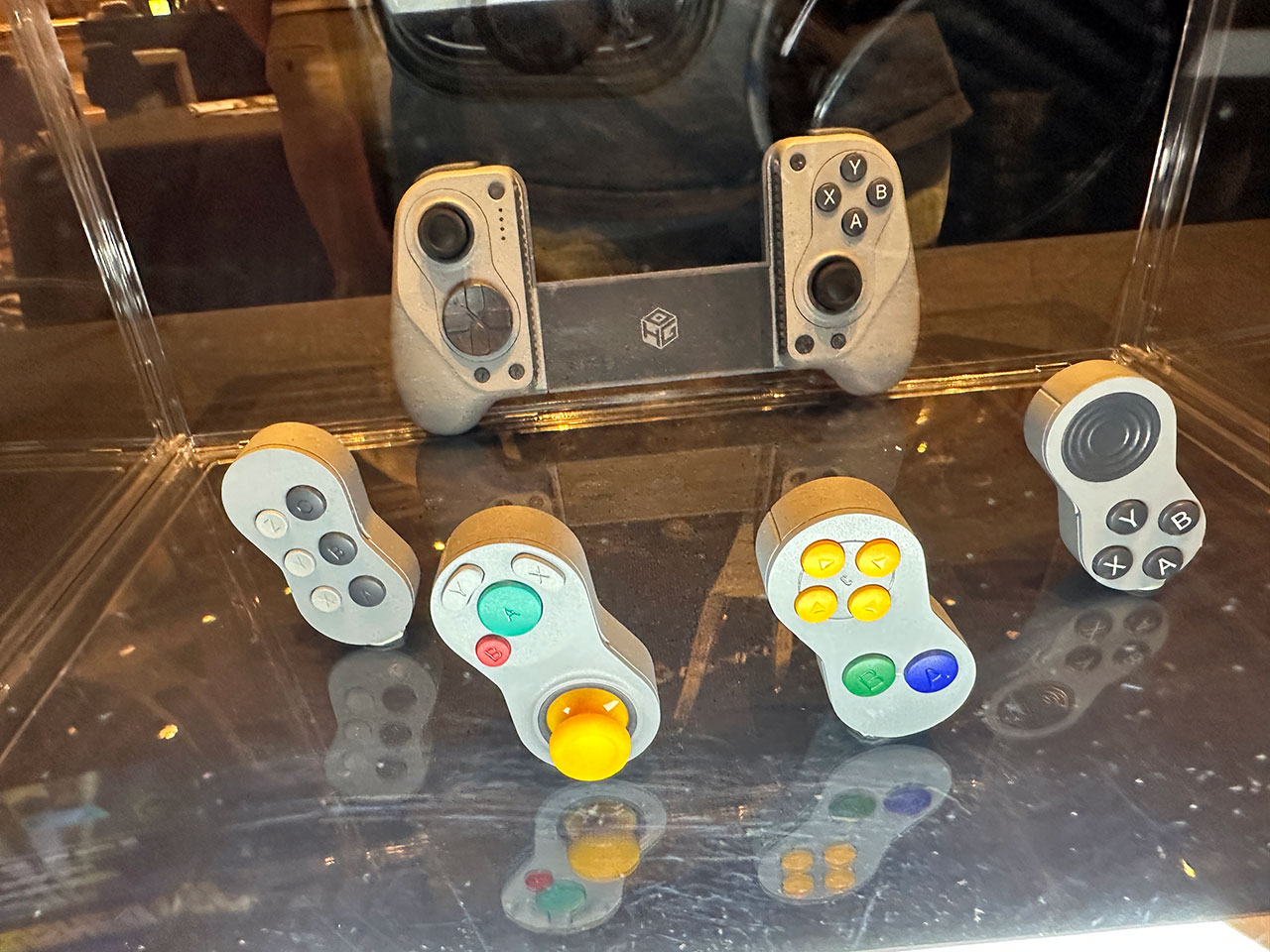
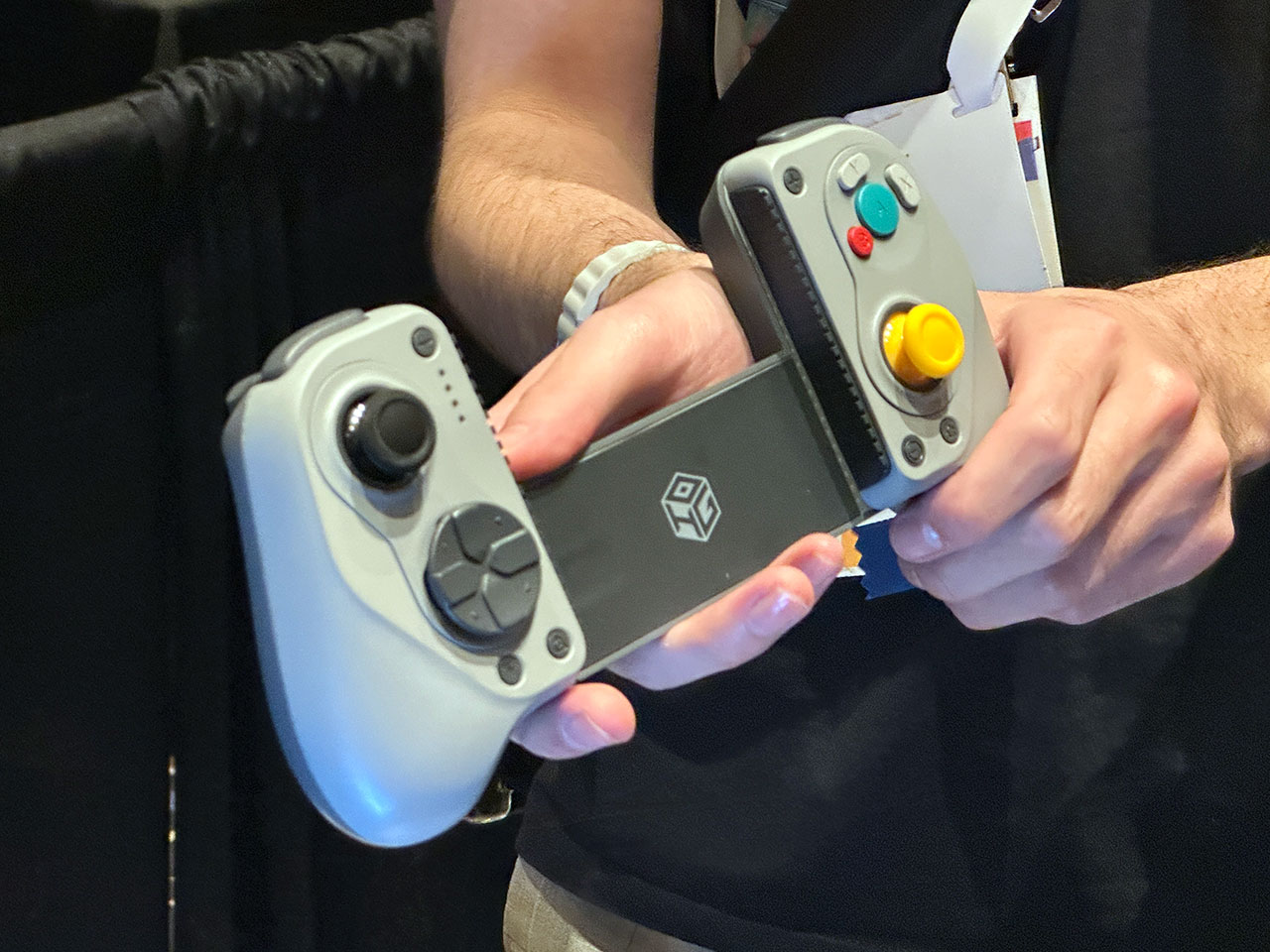
The undisputed showstopper of the suite was the X5 Alteron, a collaboration between Hyperkin and the mobile-gaming experts at GameSir.

The X5 Alteron aims to be the final word in portable gaming. Using a stretchable chassis that accommodates everything from a smartphone to a small tablet, the real magic lies in its magnetic modularity.

  • The Swap: Want to play a Nintendo 64 title with an authentic layout? Snap in the N64-style button modules.
  • The Switch: Switching over to Call of Duty Mobile? Pull the magnets out and snap in the Xbox 360-style configuration.

While there is no word yet on home console compatibility, the build quality is exceptionally solid. It avoids the “cheap” plastic feel common in travel pads, feeling instead like a premium piece of hardware.

Looking Ahead

Whether it’s the nostalgic pull of an upgraded HD RetroN or the cutting-edge versatility of the X5 Alteron, Hyperkin and GameSir are a match made in hardware heaven. I’ll definitely be saving my nickels for their newest release later this year.

Photo Gallery

Frankly Amazing: Is the Hyperkin Pixel Art Controller a Winner or a Wiener?

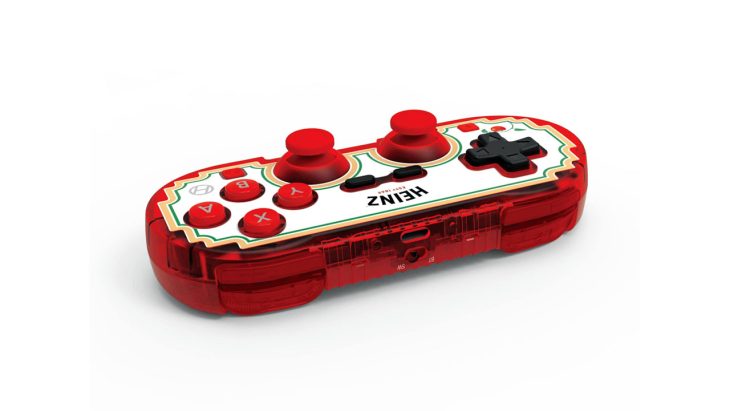
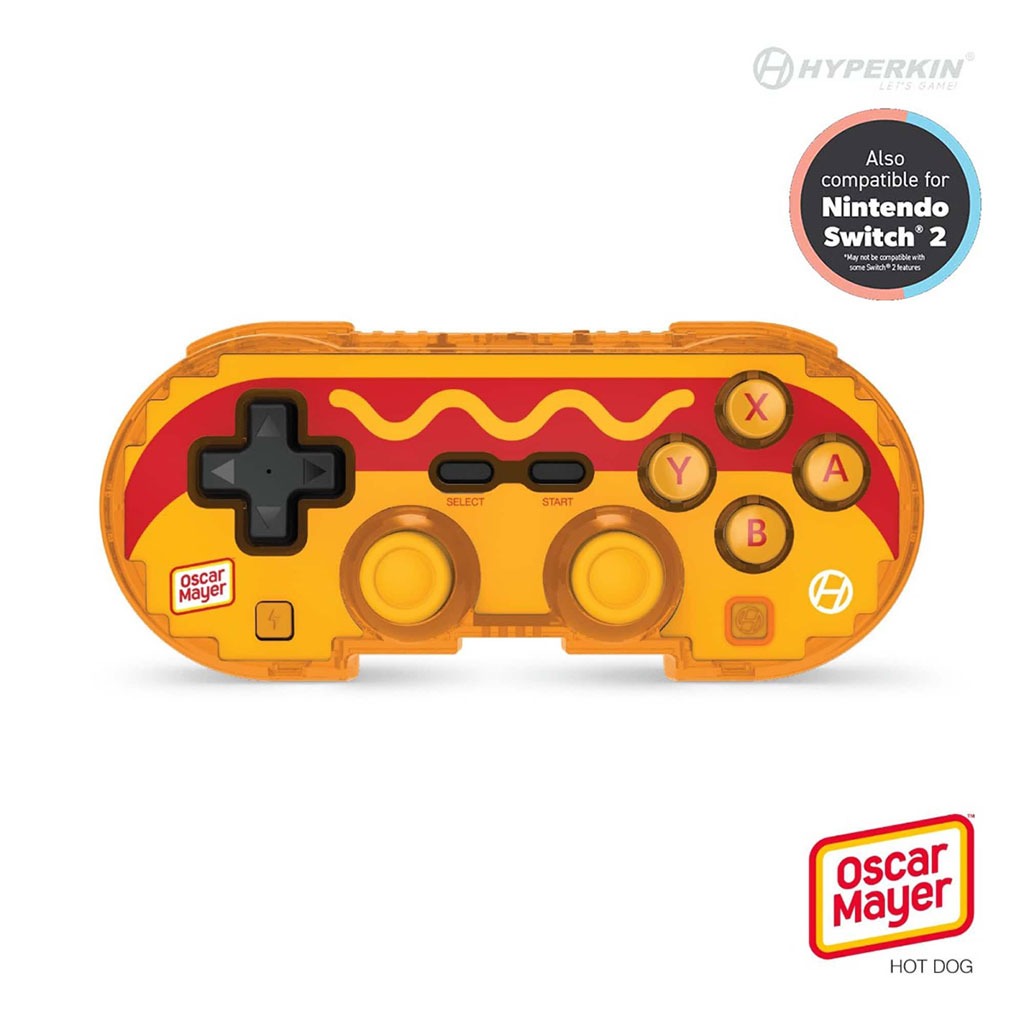
A good controller adds to the fun of a gaming system, no matter what system it is. Whether you are running a software emulator or playing on the latest hardware, different games simply work best with different controllers. That is where the Hyperkin Pixel Art Limited Edition Controller comes into play. In my case, I’ve been testing the “Hot Dog” edition—a retro, multi-platform controller that features a pixel-perfect Oscar Mayer design. It’s a device that attempts to bridge the gap between 1990s nostalgia and 2020s functionality.

When I was a kid, my family told me the only way I could get a Nintendo was if I sold off my Atari 2600 and all its games. At the time, it didn’t seem like that big of a deal, but I’ve held onto my consoles ever since—including niche oddities like the OnLive console and the Ouya. While it is fun to play old systems with original hardware, it can be just as much fun playing classic games on newer systems using modern, user-friendly controllers. This is where the Pixel Art shines. It taps into that specific nostalgia—for me, it’s the memory of seeing the Oscar Mayer Wienermobile touring the US at car shows and conventions. Having a controller that pays homage to that slice of Americana makes it a genuine display piece. I’m already looking for a dedicated spot to display it, though I bet I’ll be using it too much to leave it on the shelf.

Hyperkin has designed this to be a “best of both worlds” peripheral. It keeps the flat, rectangular form factor you want for a classic NES or SNES platformer, but modernizes the layout significantly. Unlike the limited inputs of the 8-bit era, this controller features dual symmetrical analog sticks and four shoulder triggers (L1/L2, R1/R2), mimicking the layout of a modern Xbox or PlayStation controller. This button density means you aren’t restricted to simple platformers; you can play modern 3D titles too. It also supports both wired USB-C connections and wireless Bluetooth 5.1, ensuring low latency regardless of how you choose to play.
I put the controller to the test with ToeJam & Earl, a title I’ve loved for years and own across multiple platforms. Playing it with this controller felt incredibly natural—the buttons are exactly where you want them for that retro feel. But the real magic is the versatility. Because of the Bluetooth connectivity and modern stick layout, I can use this “Hot Dog with Mustard” controller across a massive range of devices including the Nintendo Switch family (OLED, Lite, and standard), mobile devices on iOS and Android, PC, Mac, and even smart devices like tablets or a Raspberry Pi. It even features a modern “Share” button for the Switch and Turbo functionality, which is a lifesaver for older arcade shooters.

The Hyperkin Pixel Art controller is more than just a universal gamepad; it’s an artistic statement. Hyperkin is marketing these as true “Limited Editions”—once they are sold out, they aren’t coming back. It is a controller that looks cool, feeds your nostalgia, and can do just about anything you ask of it, from emulating NES classics to playing on your phone. If you are a collector who actually likes to use their collection, this is a must-have.

Overall Rating 4 out of 5

Pros:

  • Excellent, eye-catching Pixel Art aesthetics (Oscar Mayer, Heinz, Tetris options).
  • Huge compatibility list (Switch, PC, Mobile).
  • Modern touches including dual sticks, 4 triggers, and USB-C.
  • Solid battery life of approximately 15-20 hours.

Cons:

  • Limited availability means once they’re gone, they’re gone.
  • Flat ergonomics might not be ideal for competitive modern shooters.

Slasher Legends and Sin City Scares: The Days of the Dead Las Vegas 2026 Wrap-Up

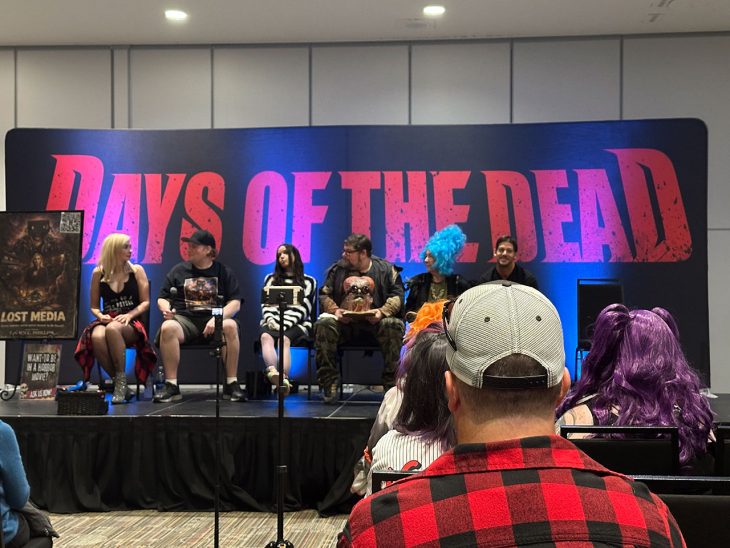
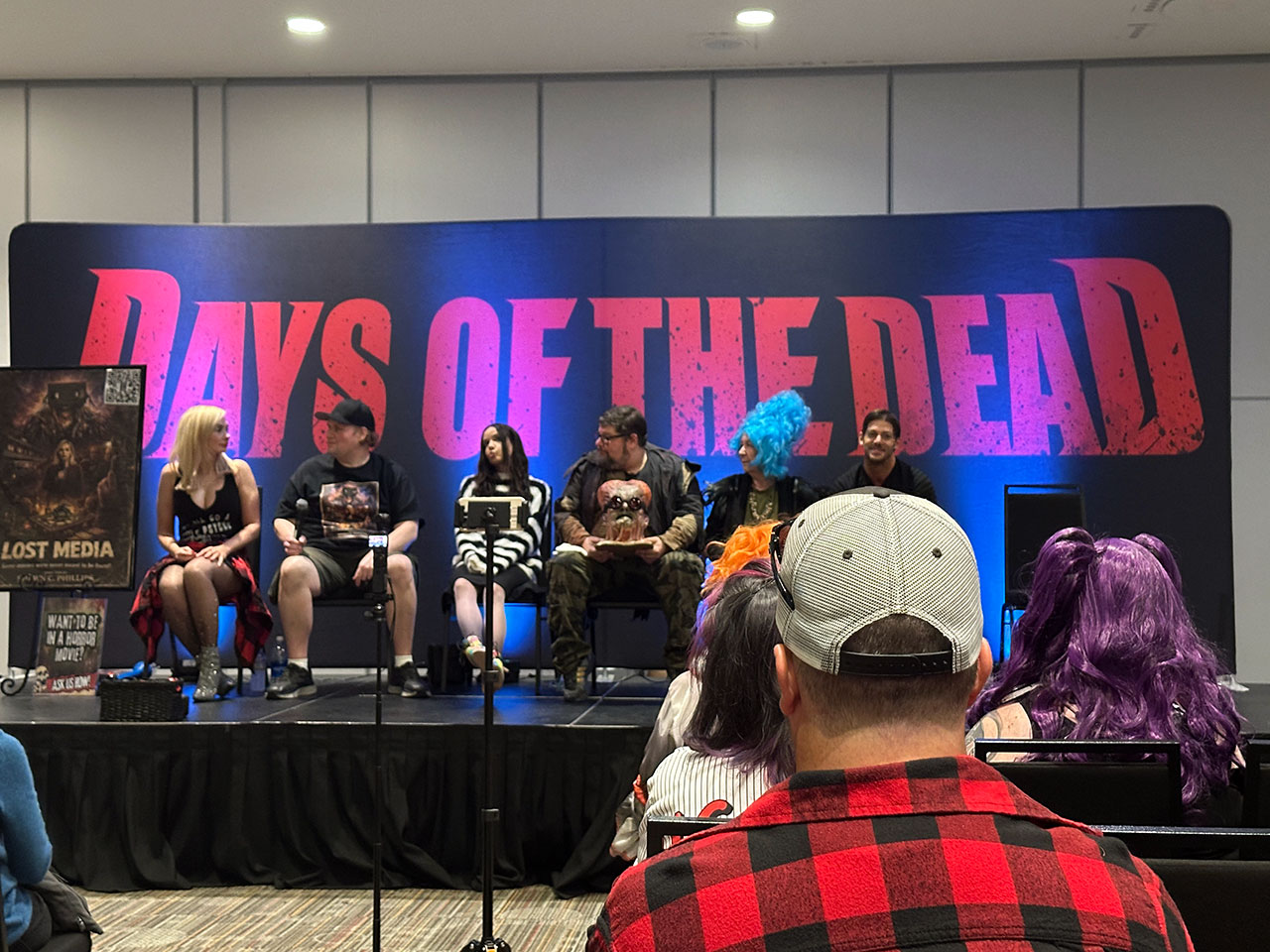
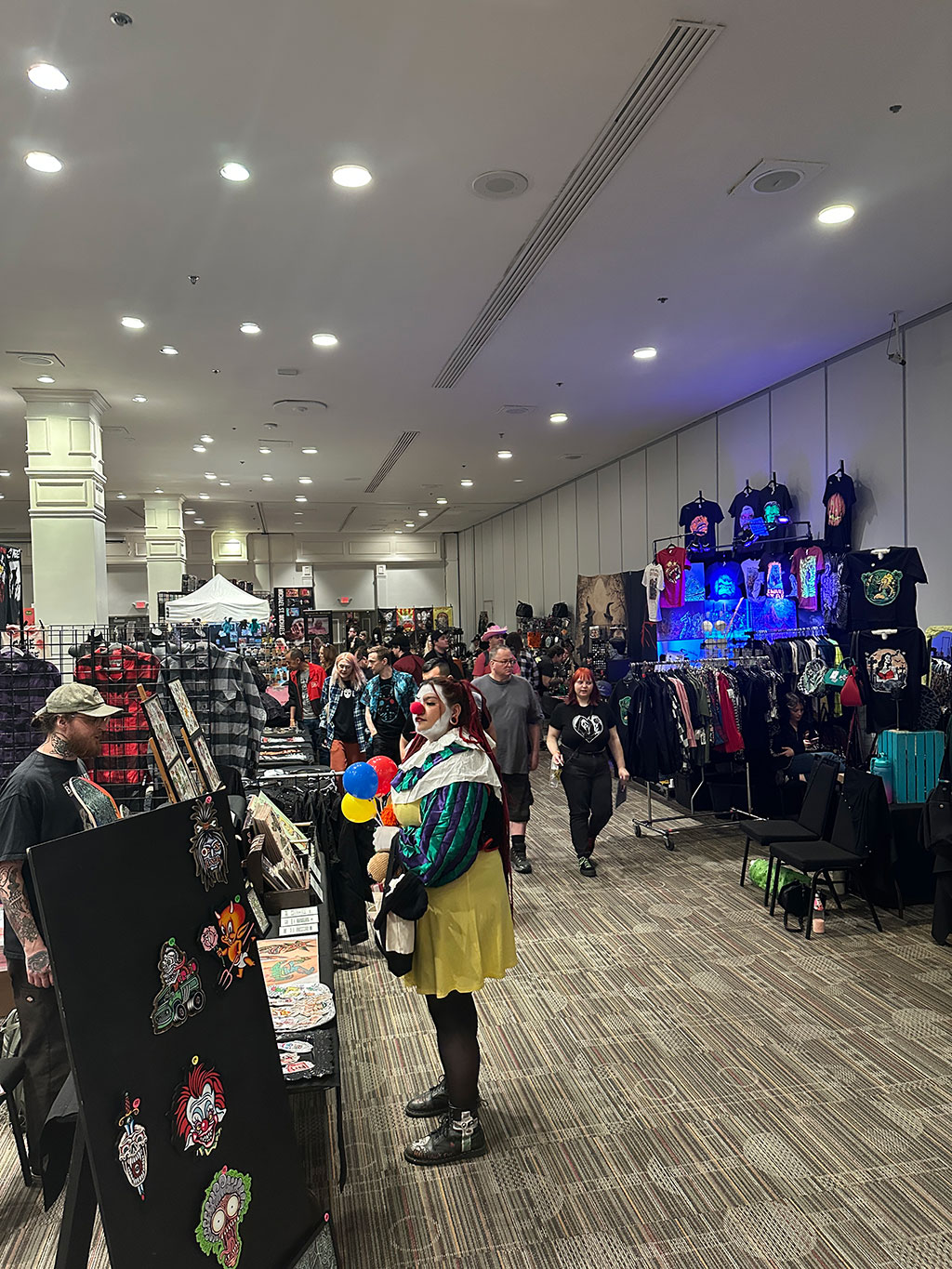
While the high-octane spectacle of the Las Vegas Strip often dominates the local skyline, the real heart of genre fandom beat loud and bloody downtown this past January 16 through January 18. Hosted at the Plaza Hotel and Casino on Fremont Street, the 2026 iteration of Days of the Dead Las Vegas proved once again that a convention doesn’t need to be massive to be impactful. By trading the sterile, overpriced sprawl of the Strip for the gritty, historic atmosphere of the Plaza, the event fostered an intimate “family reunion” vibe that combined high-tier celebrity access with a deep dive into the macabre.

The Intimate Celebrity Ecosystem

The true value of this convention lies in its accessibility. Unlike the “pay-and-go” culture of larger pop-culture expos, Days of the Dead allows for genuine interactions. This was evident when filmmaker Eli Roth, arguably the weekend’s biggest draw, beamed a huge smile and pointed at a fan wearing a vintage Goretorium shirt (a nod to his former Vegas haunt).

The guest list was a masterclass in genre diversity. Legacy stars like Linda Blair (The Exorcist) and Heather Langenkamp (A Nightmare on Elm Street) anchored the event with historical gravitas, while modern icons like David Howard Thornton (Art the Clown in the Terrifier series) drove high-demand lines for professional photo ops. Attendees noted that the con was small enough to allow for comfortable, lingering conversations with legends like C.J. Graham, the formidable Jason Voorhees from Friday the 13th Part VI.

Panel highlights were equally memorable. While many fans pined for a dedicated Cabin Fever reunion given the presence of Roth and Rider Strong, the standout was undoubtedly Ted Raimi. His natural delivery and effortless smoothness made his session an absolute pleasure, leaving the audience hoping for a future panel that might unite him with the convention’s other Evil Dead alumni, like Alyssa Sutherland (Evil Dead Rise) and Jane Levy . Sutherland herself was seen engaging in warm post-panel discussions with fans about their favorite television shows, further cementing the show’s reputation for personal connection.

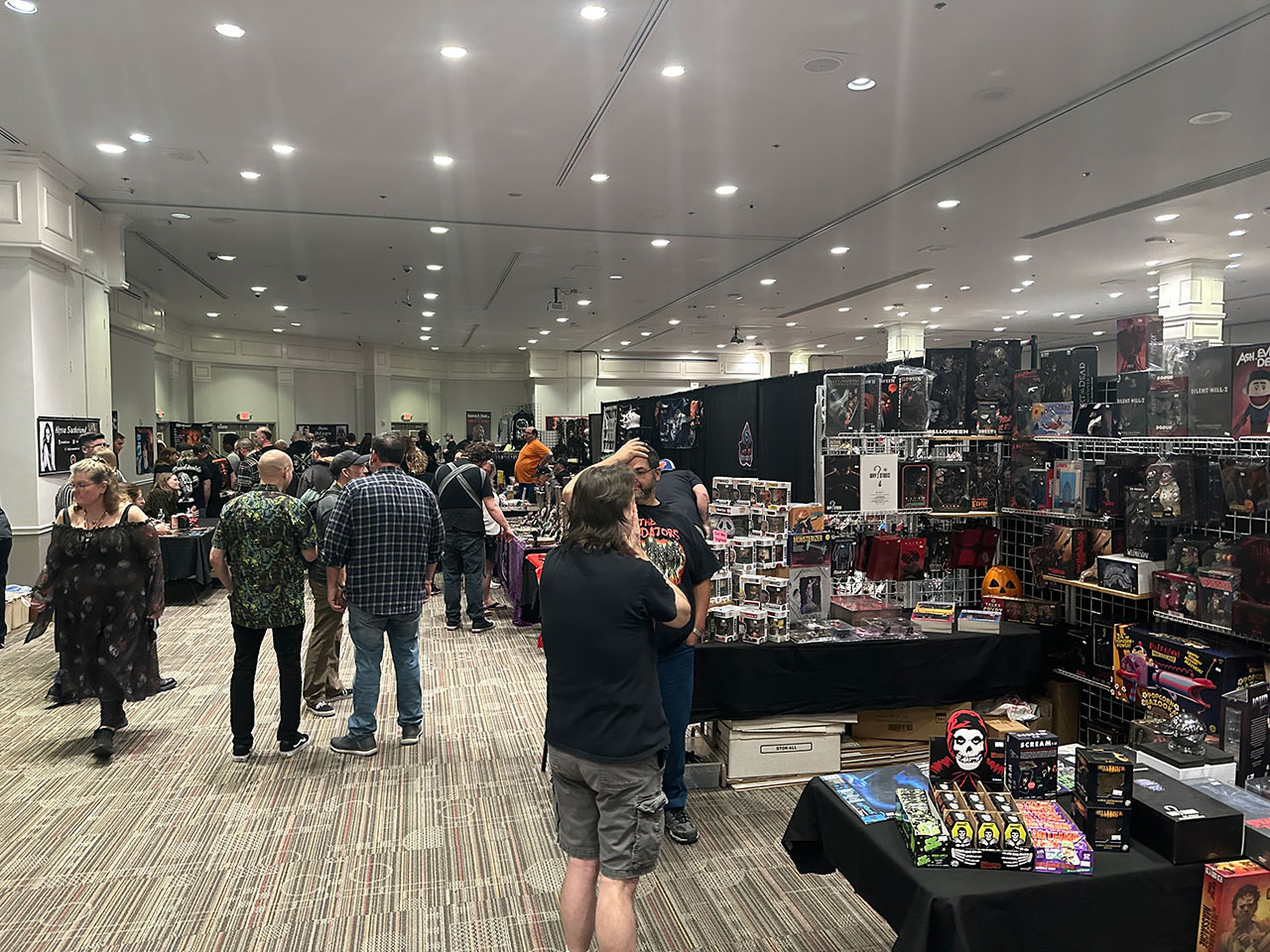
The “Wild Menagerie” Marketplace

The vendor floor at the Plaza was described as a “wild menagerie” of the transgressive and the artisanal. This wasn’t just a place to buy mass-produced t-shirts; it was a high-density flea market for the truly strange. Highlights included:

  • Killer Art Co.: Featuring hand-painted, horror-themed weaponry like cleavers and chainsaw blades.
  • Dealer of the Dead: A local favorite showcasing preserved taxidermy and oddities, including mummified octopus tentacles.
  • Badly Behaved Babies: Perverse creations such as Care Bears with baby doll heads that challenged traditional toy aesthetics.

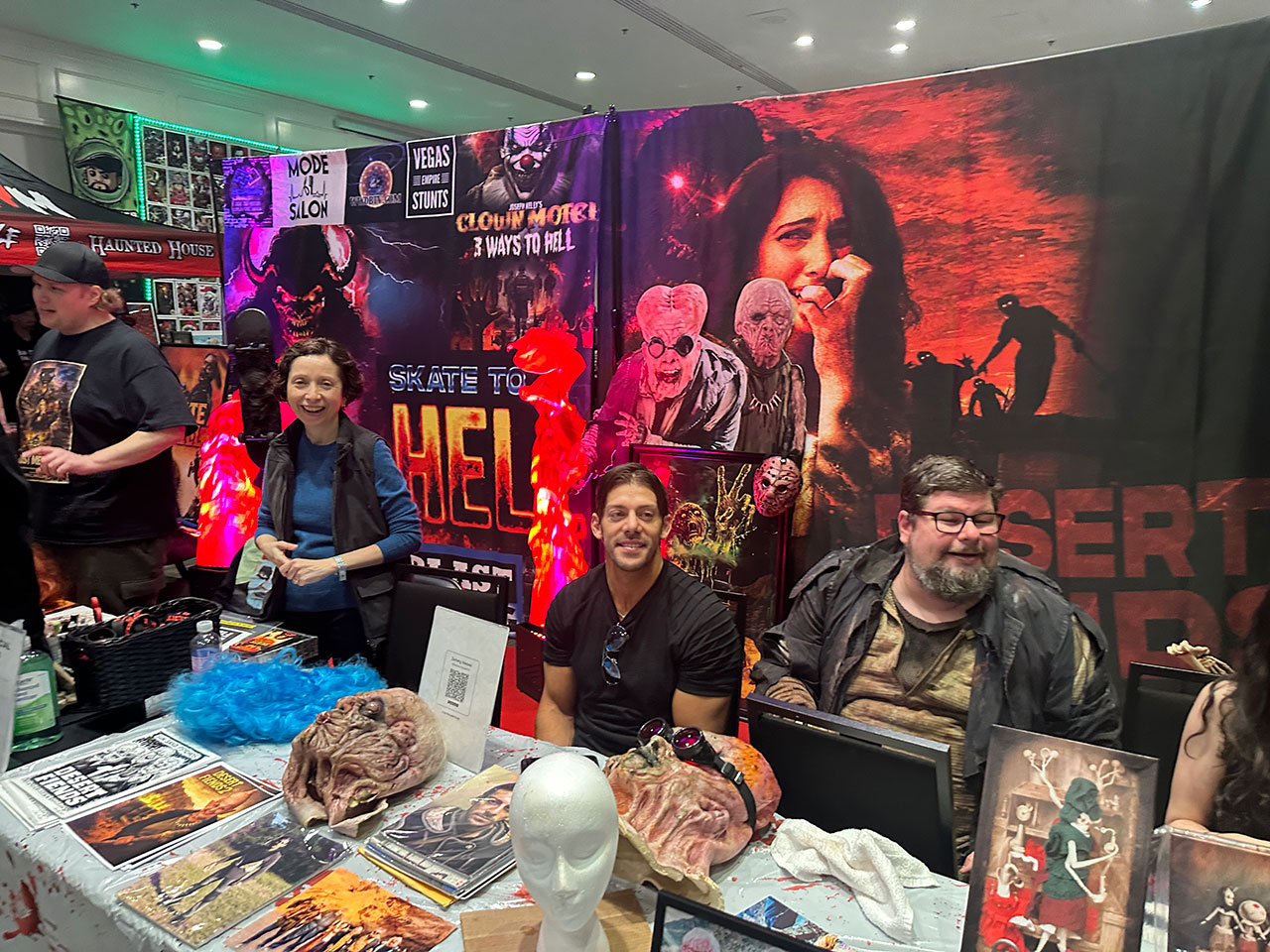
The marketplace also served as a launchpad for independent creators. Filmmakers like Shawn C. Phillips and Kevin Greig were seen crowdfunding for Desert Fiends 2, offering fans the unique opportunity to purchase an on-screen “kill”. This grassroots energy was bolstered by the 15th-anniversary celebration of the International Film Festival, which presented its prestigious “Bad Mutha Fucker” (Best in Show) trophy alongside awards for best features and shorts.

Tattoos, Pub Crawls, and Late-Night Horrors

A unique differentiator for the Las Vegas stop is the concurrent Tattoo Expo. The Plaza’s halls were transformed into a sprawling tattoo studio where hand-selected artists from around the globe provided permanent souvenirs for attendees . When the show floor closed, the energy shifted to the “dark of night” programming, including a Saturday night pub crawl through Fremont Street’s best venues .

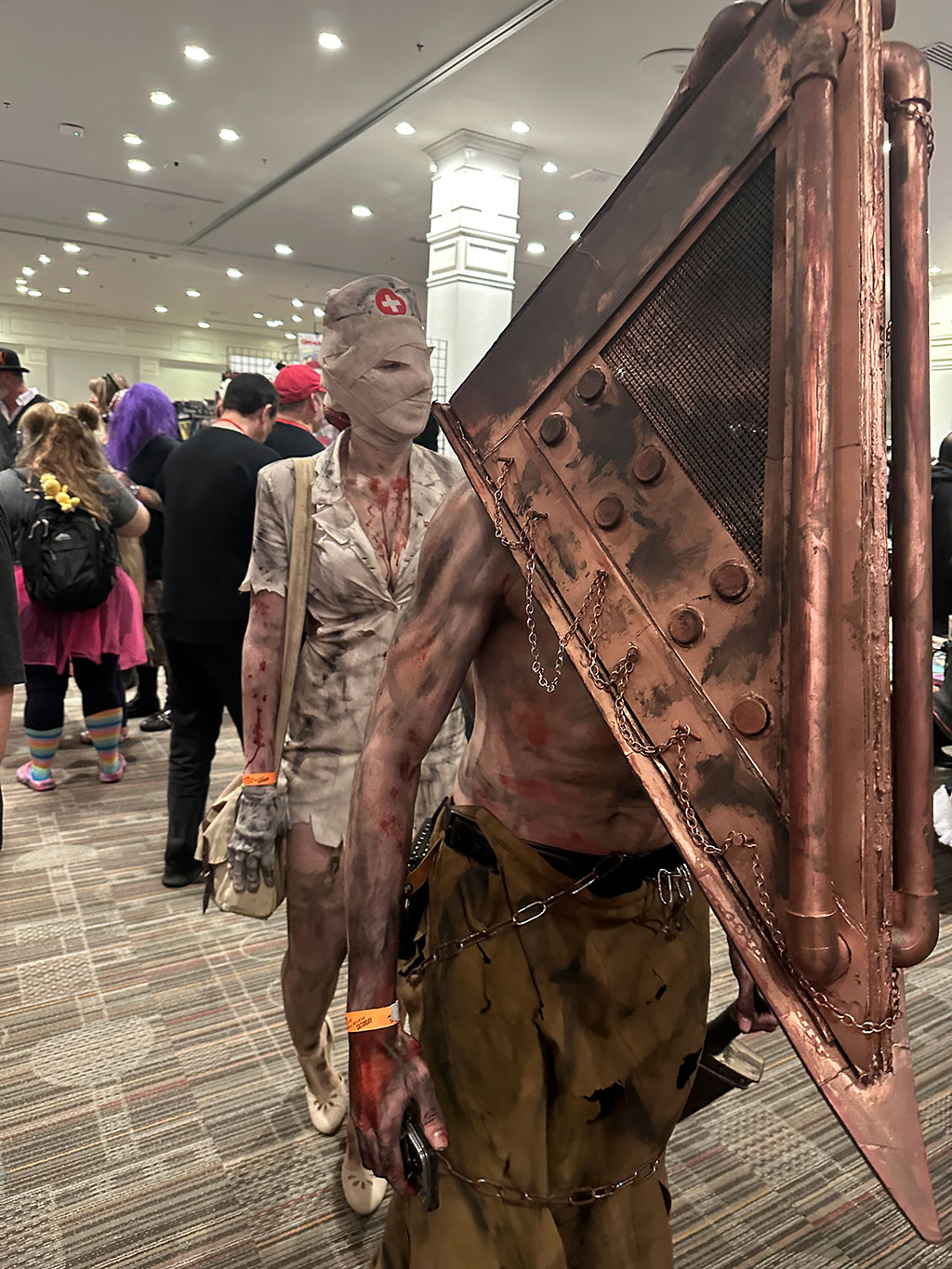
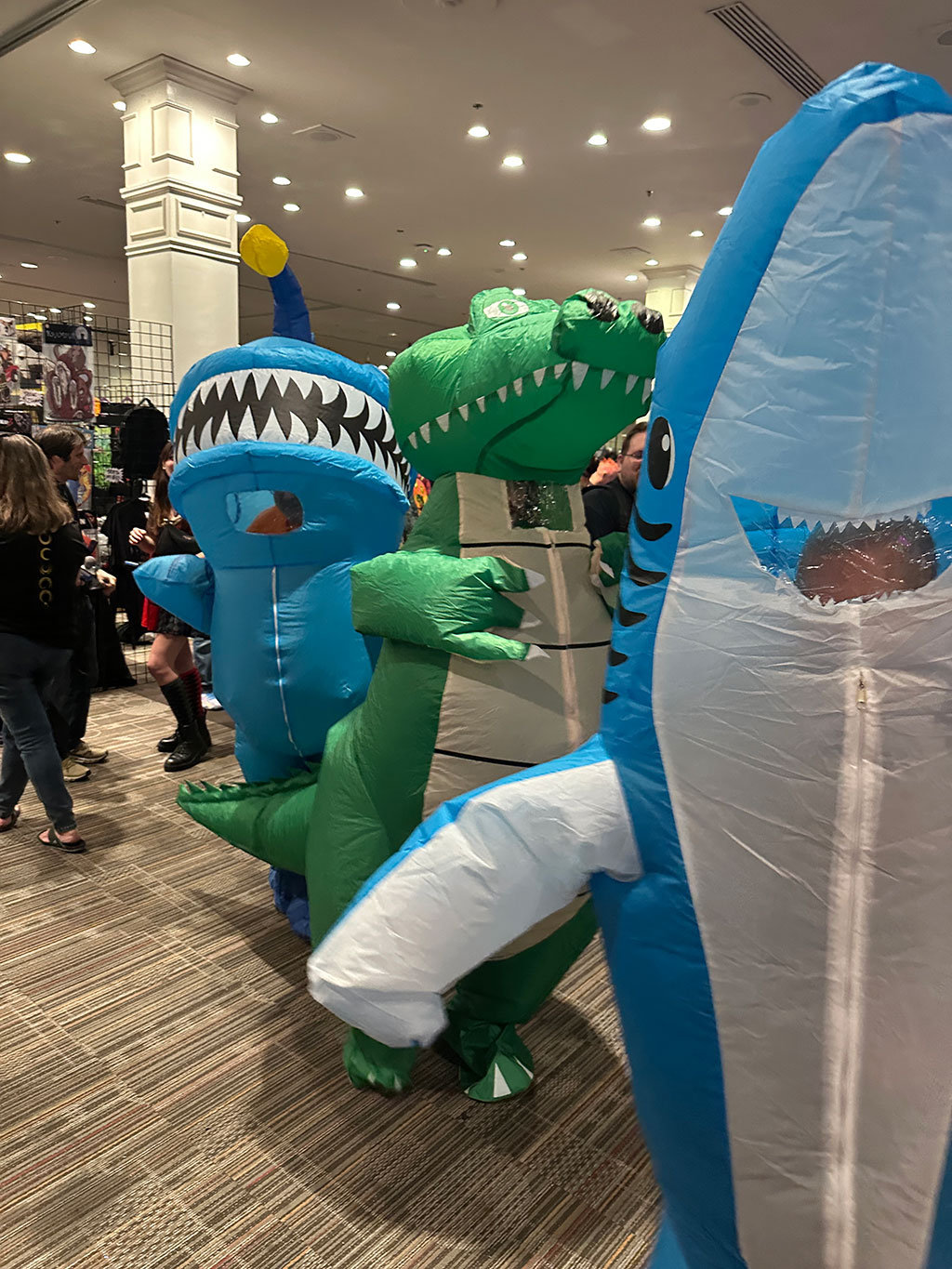
The costume showdown was another focal point, featuring professional-grade character acting from local crews like Nathan Harris and his Halloween Maze team. Characters like “Cletus the Clown” and “Klorox” meandered through the booths, providing spontaneous scares and improvised sketches that made the event feel like a living, breathing horror film.

Final Thoughts and Survival Tips

For those planning to attend future iterations, a few logistical notes remain constant. First, the Plaza’s location on Fremont Street keeps pricing reasonable compared to the Strip, but “cash is king” at the celebrity booths for selfies and autographs. Second, the 30-minute early entry for VIP pass holders (starting at 4:30 PM Friday and 10:30 AM Saturday/Sunday) is critical for navigating the long lines of modern slasher icons like Thornton.

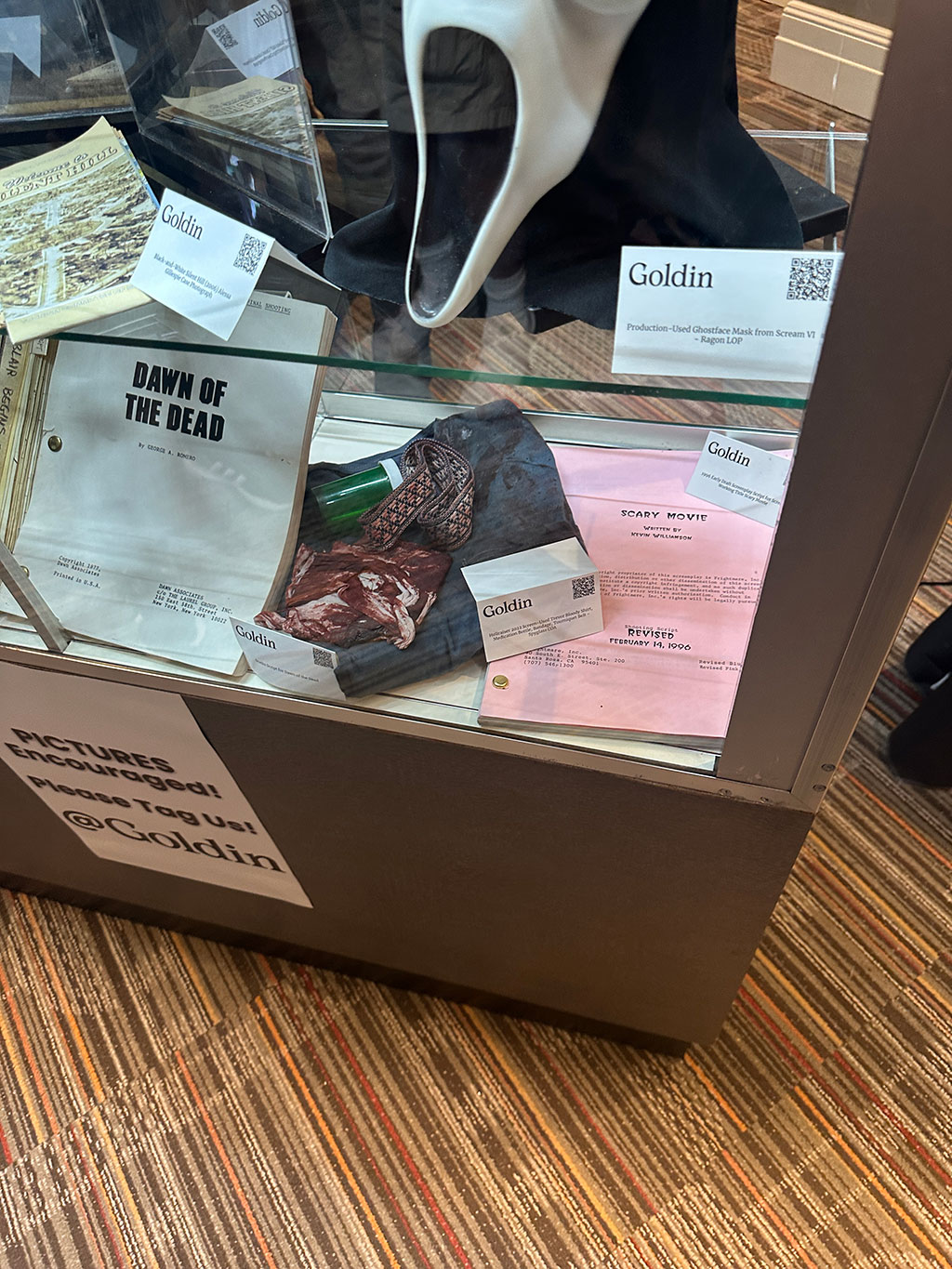
Days of the Dead Las Vegas 2026 wasn’t just a convention; it was a high-density intersection of independent cinema, professional body art, and legacy media fandom. By prioritizing the social gathering of “like-minded monsters” over commercial transaction, it remains a vital fixture in the experience economy of the macabre .

Photo Gallery

Killing Floor 3 Review

Killing Floor has been around for quite a while. Starting as a mod for Unreal Tournament 2004, it released in 2005 before going retail then delivering two sequels, the most recent coming out 20 years later. The question on a lot of people’s mind is whether or not the most recent game is worth going back to the franchise for.


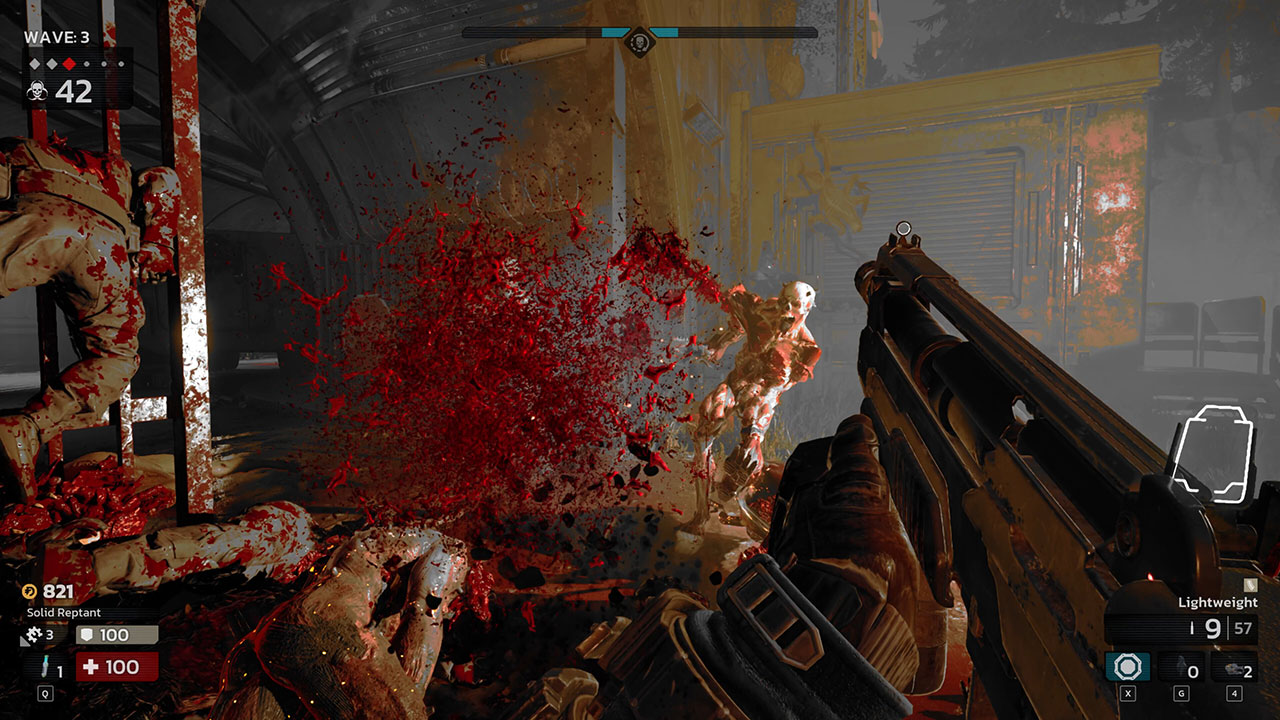
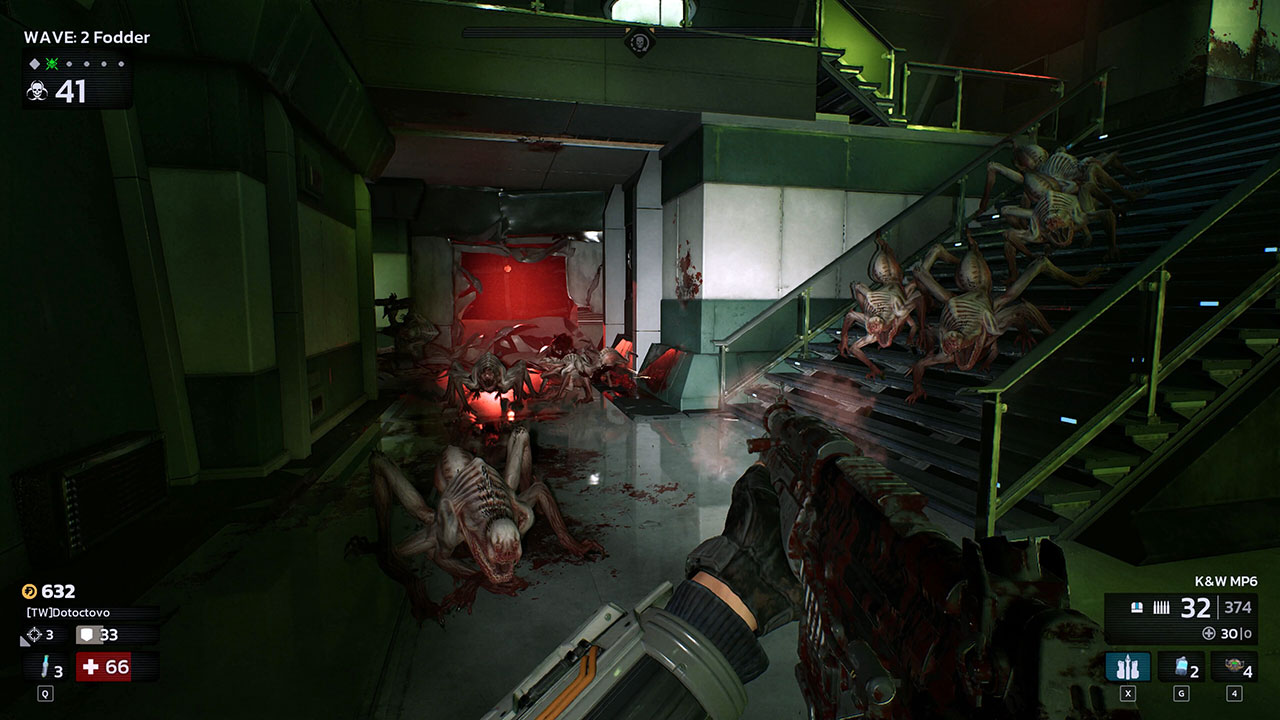
One big reason folks might go back to the game is its history of blood and gore. With a name like Killing Floor you expect a mess and these guys are happy to bring it. When the zombie-like specimens known as ZEDs start running at you with glowing eyes and enough enemies to feel like you are getting zerged it’s good to have some redemption for every time they get you pinned in a corner or drop down off the walls and ceiling. Watching the the M.E.A.T. 2 (Massive Evisceration And Trauma) in action makes getting chewed up now and then a little more fun. The weapons could use some more punch, it can be rough filling enemies with a lead diet. I like the stores located throughout the levels that help adjust your fight style to best match the teams needs as well as preparing for “boss” fights. You earn money by taking down ZEDs, but make sure you save up to gear up before hitting the big baddies.
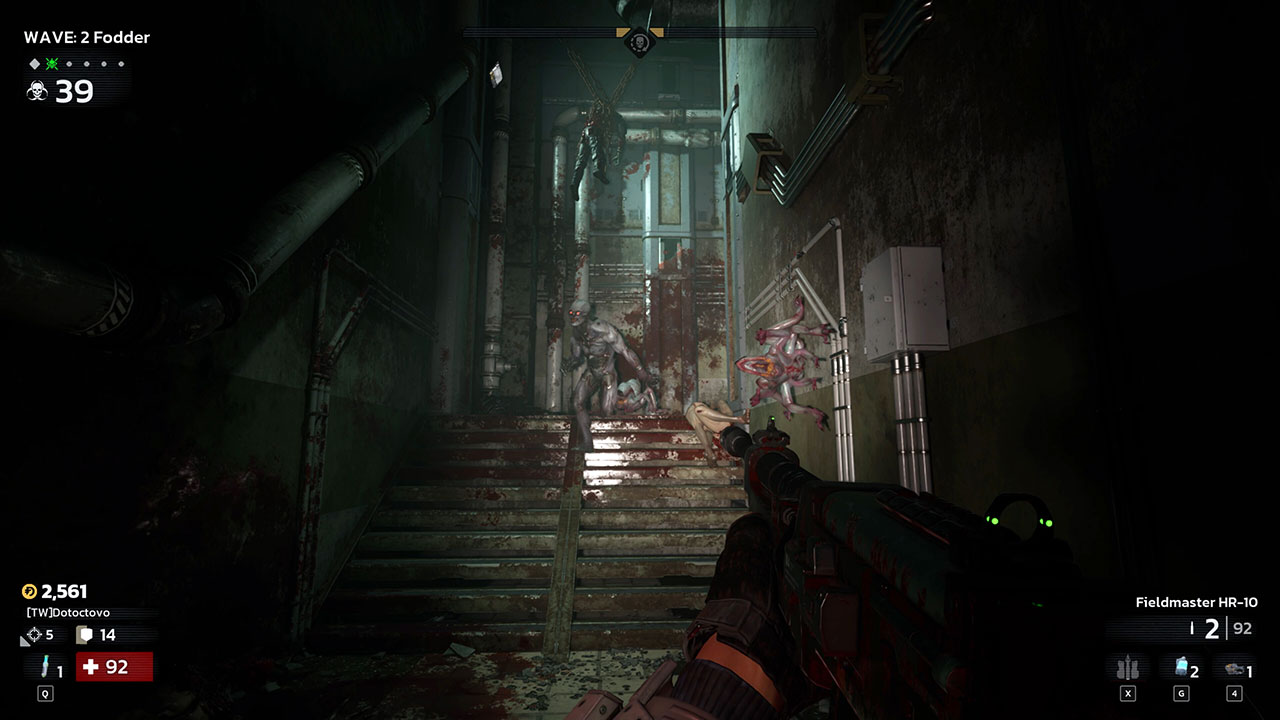
Something you might need to get used to while killing your way through the game is the AI is smarter than Killing Floor 2 thanks probably in part to KF3 being built on the Unreal Tournament 5 engine. So in the beginning as you get used to the game and grind up to get some unlocks the ZEDs will show up in all fashion of creepy cadavers and figure out the best way to attack you. Some will choose the walls and ceilings, others might see you sweeping your machine gun across a wave and duck below it or take cover. The extra challenge can be welcome as long as it doesn’t get so challenging that it’s no longer fun.
I found the game particularly hard on the keyboard and mouse which surprised me since many of the games used to orient primarily that way. It felt a little clunky on the keys. As soon as I picked up my PC controller my gameplay quality shot through the roof. The game has cross-platform playing on multiplayer and I found myself playing with Playstation players most of the time which makes me happier to see more players. Killing Floor 3 is currently dealing with from small community population so it can be hard to fill a party. Luckily it allows cross-levels as well as platforms so that I would have been overrun completely on an early wave if not for getting leveled with a much higher player. One of the days of review was a server testing day right before release which usually brings on a higher population usually to help tests and it was still a bit quiet
The game has Solo as well as Multiplayer modes but its got a bit of a learning curve and grind to it. The developers have taken notice and made adjustment to try to improve the concerns which were brought up in both Beta and Early Access so there will probably be a patch on release day to fix most of the noted concerns. There are six character classes to choose from, pretty much anything you would want or need for your zerging ZED needs: Commando, Firebug, Medic, Sharpshooter, Ninja and Engineer. Since you can have 6 players in your party then every position in theory could be filled once, though when first getting going to have a couple Medics in your party is not a bad idea.
I would be remiss to talk about the gore and not the graphics. Killing Floor 3 makes use of that UT5 engine really well and not just for the splats. The details in the environment and the GOREgeous maps looking very much like the end of the world while gunshots and other weapons all have very authentic sound. They didn’t scrimp on the map visuals, it’s the end of the world as we know it, and I see grime. Also instead of just limiting your experience with the original skins in the game, much like with Fortnite or Call Of Duty Mobile (my daily play), you can completely change the way your character, weapons, calling card or avatar looks just for the entertainment. There are people who believe in purism but I have 5 years worth of CODM skins so I know I will be playing around with some in KF3.

Did you love Killing Floor 2? This felt like an upgrade in quality while still having the same atmosphere and maintaining a solid FPS gameplay. Its got potential, they’ve been working hard to add in community concerns while fixing things most probably didn’t even notice. Hopefully it gets the fan base to take of, or at least hit a cult following like the first two installments. The game could make a killing so hopefully it doesn’t wind up dead on the floor.

Titan Quest 2 Early Access Preview

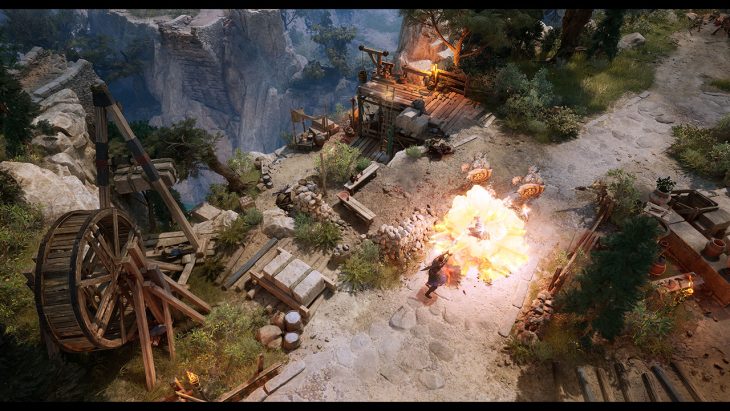
When talking about Titan Quest with a friend recently and he described it as “the game that out-Diabloed Diablo”. I can’t imagine saying it any better.  To me that was a bold statement having spent days and years playing all the Diablo games. Now the Early Access for Titan Quest 2 just dropped a 3 month patch on it’s not-quite-ready-for-primetime game that makes you wonder does the IP still hold up to and surpass its hellish cousin?

First thing to note is that this game is still in very Early Access with a projected release date of the end of 2026, there will be lots of changes and versions over the next year. The multiplayer aspect of the game is still in early enough phase that it’s not available for preview yet. This usually means the games will be far more polished and robust when they come out but the publishers have a preview level Early Access so usually is trying to drum up hype and knowledge of their game being in the works. Side quests and whole storylines haven’t been implemented yet and Early Access games can wind up being very different from the final product.

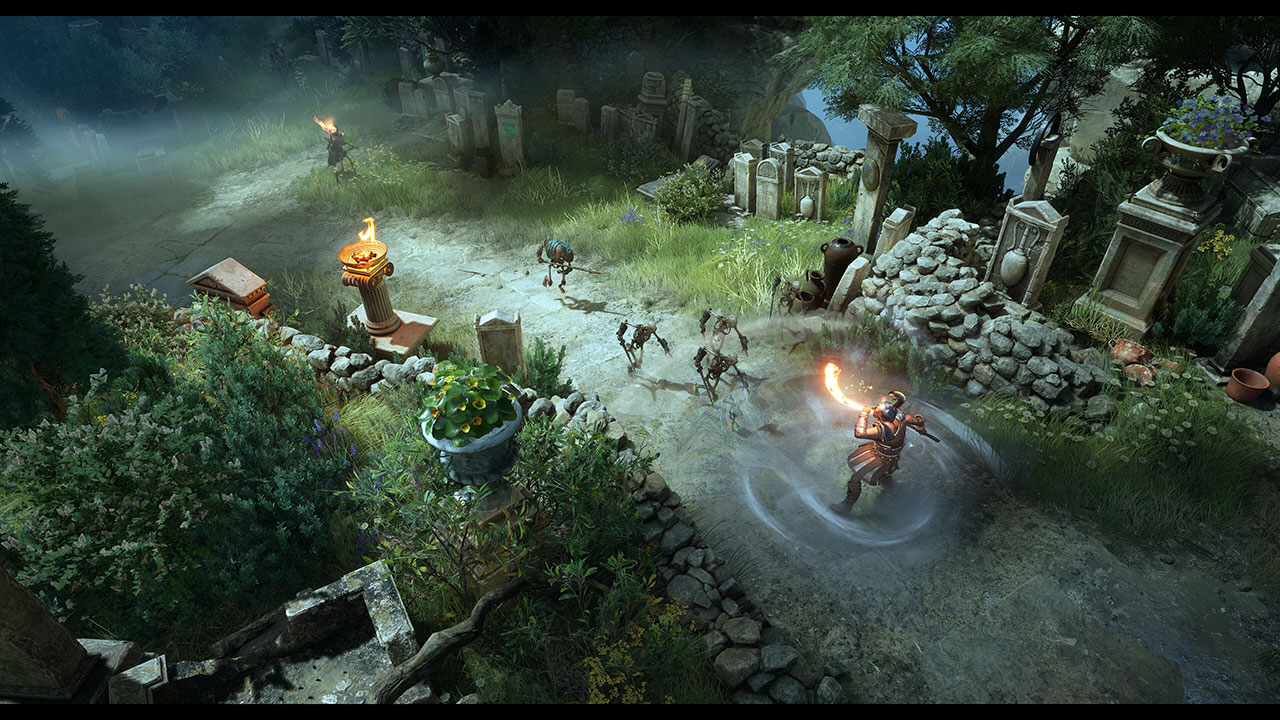
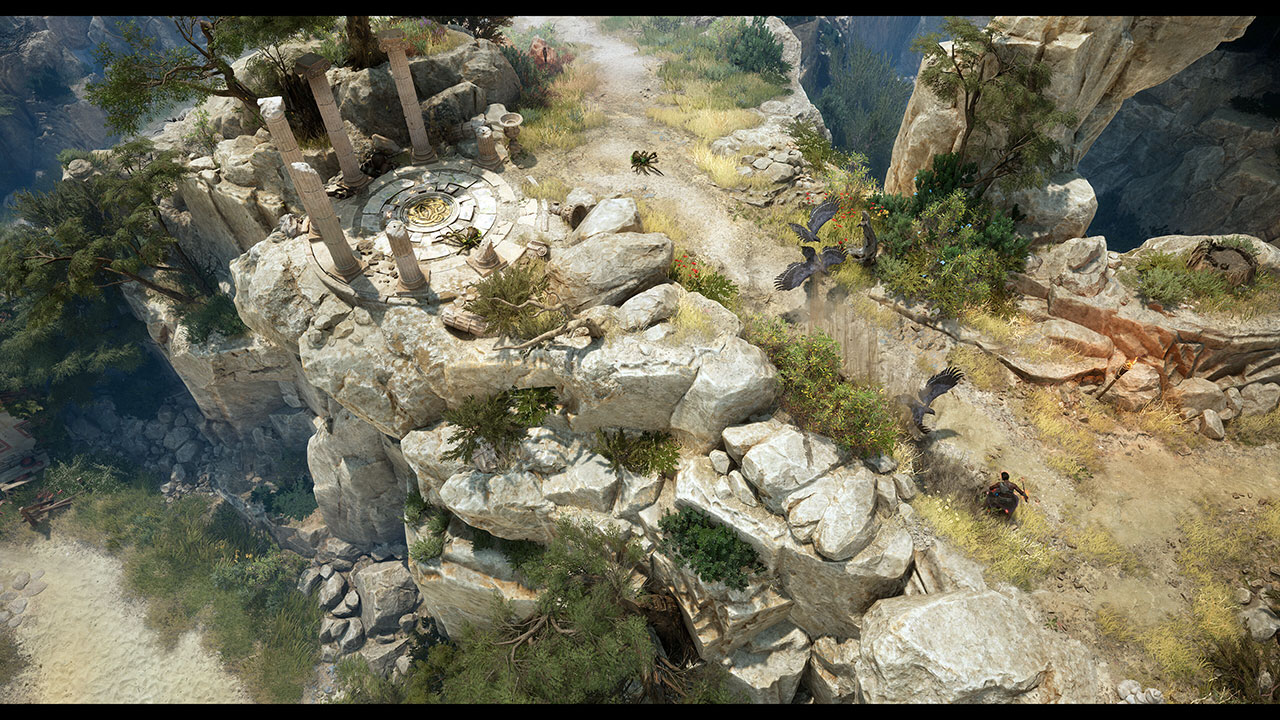
Titan Quest 2 is a top down dungeon crawler with with 4 current classes and multiple passive and active skill trees. The classes are Earth, Rogue. Storm and Warfare. We started with Warfare since the warrior class is usually one of the easier classes to master. With only four classes at this time players might be concerned that there isn’t enough variety of characters to play, no need to be. The class name is to give you a base to work with, different skills can be mixed together so that you might have a big old battle ax but with equipment and skill tree modifiers I can add poison or maybe lightning to create a very diverse attack and defense. Second time through we went with Earth and I found myself with a big old war axe and lots of warrior level armor while shooting huge fireballs when whole waves of critters come at me.

Controls are similar to other dungeon crawlers so once you get used to the camera system the rest is pretty intuitive. I played back and forth between the keyboard and the controller, both systems worked great for us to the point that if we got up to get a snack then come back to the computer we would randomly pick which we wanted to do. The program detected immediately whether you were on a controller or keyboard and swapped controls to your choice even going so far as to change the key/controller hints at the bottom of the screen. It’s the nice touches like those

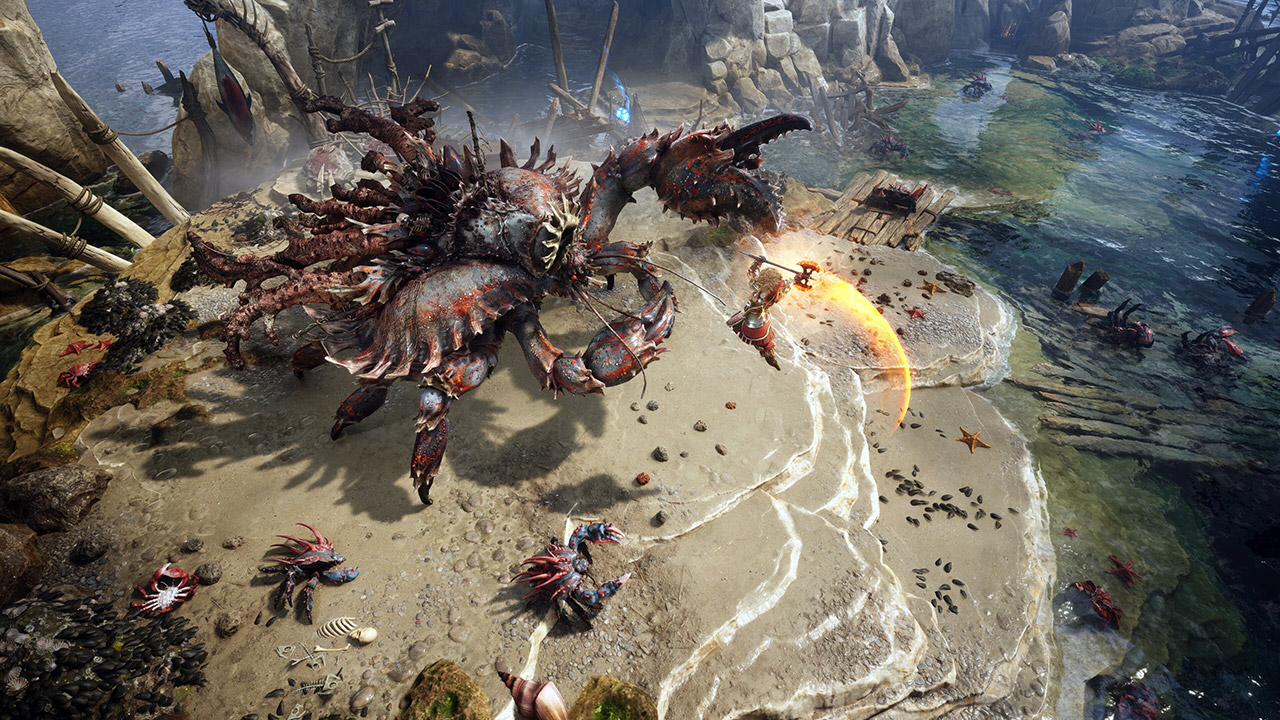
The type of enemies to begin with might seem a little lacking mostly comprised of crabs, snakes and skeletons a majority of the time, it felt like they may have even been place holder NPCs for a more diverse enemy base later down the road. Think of them like the rats you wind up killing in just about every DnD campaign. NPCs already have some nice programming causing range to try to maintain range while tanks come right up on you to save their squishy mates and it’s not unheard of for enemies to run away, regroup, and give another run at you. The enemy critters and the environment in general have very nice colors and detail to them. This is particularly enjoyable since the game is designed as open environment with little nooks and crannies all throughout the maps to find hidden enemies and destroyable pots which drop gold and gear. Gear has multiple qualities determined by colors from grey to gold and just like in the first Titan Quest and Diablo  games it can be drops or merchant purchases. On the subject of purchases the developers plan to drop updates, expansions and DLC but without micro-transactions. They plan to implement a crafting system that can take even a grey item and make it useful. It also seems the further you get along the better the store items available and that can be helpful if your drops aren’t too exciting.

There were some sound issues throughout the playthroughs but it is still at a point where rough cuts on cutaways and sound effects not working can be expected in the game and I expect many more patches and updates. Since the soundtrack for the game is available for purchase one can expect they are proud of what they’re working with and it will improve.

Being huge fans of the top down dungeon crawler genre we are excited to see how Titan Quest 2 develops over the next year and to see how it faces up to Diablo 4. It definitely needs some work but it hass got about 20 hours of playtime now with plenty of replayability between different classes, builds, and additions that will continue beyond game release once that time arrives. Expect updates here at Gamingshogun.com!

Is TurretGirls Worth It? A Sexy Anime Arcade Shooter Review

Sometimes you just want an arcade-style shooter with lots of firepower, shiny graphics, and a rail defense system. Other times, you want a game with grinds and lots of unlocks. If both of these things and some sexy, anime-looking graphics are your thing, then TurretGirls might just be the game for you!

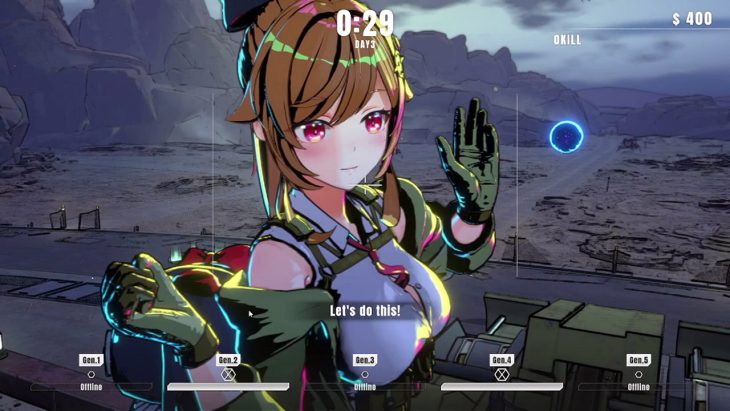
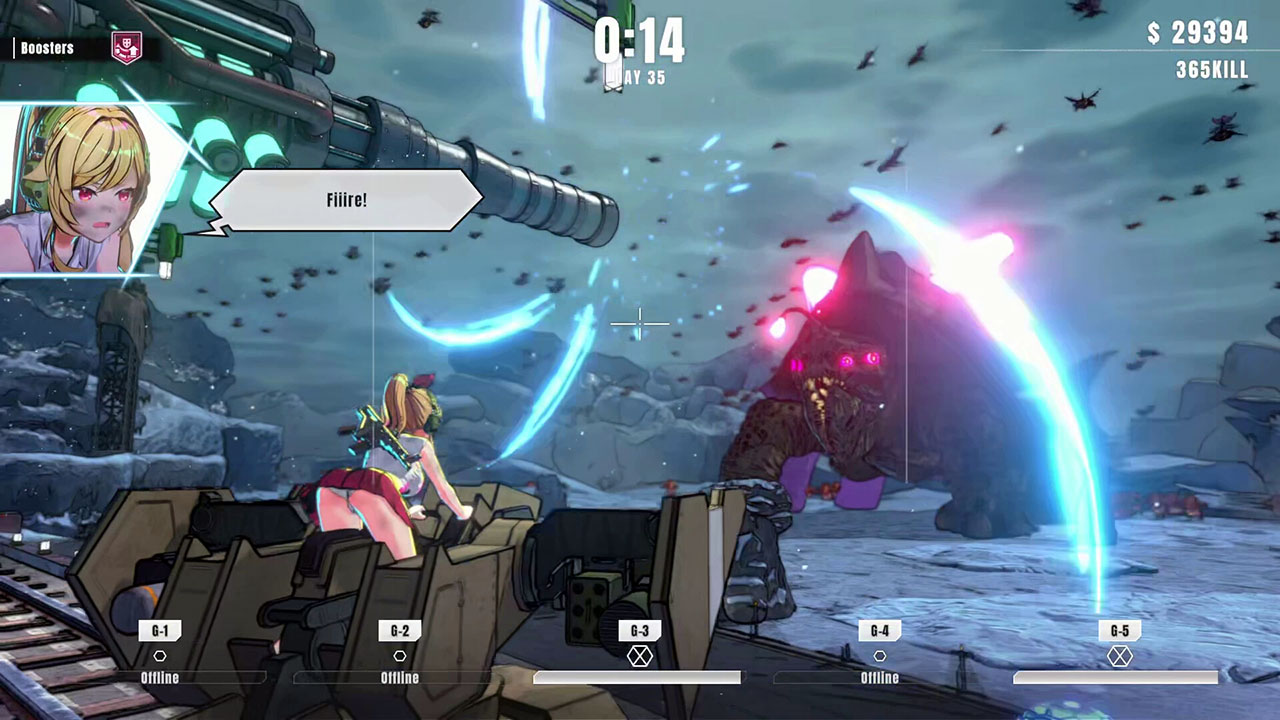
TurretGirls is the story of a girl who rides a turret to defend something. Okay, there really isn’t a story, but when it comes to arcade-style games, one isn’t really needed. The action takes place on a rail system with a girl bent over the turret, which can be aimed and upgraded. Old-school rail systems included games like Missile Command, Galaga, and 1942. The really clever part of the game is how it is combined with a tower defense system. In front of the rail system are five locations where towers can be built. These towers add offensive or defensive elements and contribute power to a super weapon, which is the main objective of the game.

So, the gameplay breaks down to moving side-to-side on the screen to attack wave after wave of monsters and defend your towers, turret, and the girl herself. If all the towers get taken out or the girl gets stripped completely naked over a series of attacks (she does have pasties over the sensitive spots), then it’s game over and time to restart. You can unlock clothes to redress in during the match, but they are pricey. The more you grind at it, the more items you can unlock to help in the next battle. The items are cosmetics, such as new panties, a bra, or an animal’s tail, but they also add to your stats or damage in some way. For example, you can unlock a cat tail that adds 5% to Attack Power and 5% to Knockback. It is a solid combination rail and tower game, but that doesn’t stop them from having sexy fun with the character and shiny fun with all the weapon attack styles and colors. You also unlock higher-quality towers that add power to your super weapon but also generally add some type of attack as well, such as anti-air homing missiles. At its very essence, it could be compared to Space Invaders: waves of bad guys come in, and you are defending buildings with a turret on a rail. However, it is taken to the extreme in comparison, and the towers sometimes shoot back. If a tower gets taken out, you lose any weapon systems or bonuses the tower gave you as well as the charge it was providing toward the super weapon. The enemy keeps coming in waves over a set period of time. Try to survive the countdown with all your clothes and towers intact.

You can play it with a controller or keyboard and mouse; it really comes down to personal preference. Just try both out and see which one seems to work better for you. There are currently only three levels: wasteland, snowy plain, and abandoned city, and two modes: stage and endless. The game is priced affordably, and mixing, matching, and leveling unlocked items makes for lots of replayability, but it would be nice to have some more stages. Who knows? If the community is active enough, they may start having their own fun… I always welcome a Starship Troopers mod.

Sometimes you want to dive into a game that lasts 100 hours and has you learning the entire life and possible death of your hero. This is not a game for those times. TurretGirls is a fun pick-up-and-play that’s easy to put back down until next time. It’s a combination turret and tower defense at its core, but it’s a firepower fest that doesn’t take itself too seriously, with cheeky fun when it comes to the view and unlocks. Regularly priced at $10, it’s an affordable, fun way to pass some time and sharpen your reflexes.

Level Up Your Game Room: Govee Mini Panel Lights Review

Every year when the Consumer Electronics Show descends upon Las Vegas, I can’t help but think it should be renamed “Cool Electronic Shinies.” The sheer volume of gadgets, from camera-equipped ear wax removal kits to futuristic cars, is overwhelming. While the team here at GamingShogun.com all have our specific areas of interest, we’re united by a fascination with products that enhance the gaming experience. This year, I had the pleasure of checking out the Govee Mini Panel Lights for our gaming lair, and I was immediately struck by the limitless creative potential.

The lights arrived in well-designed, protective packaging—a crucial detail for delicate light-up items. It’s incredibly frustrating to receive a broken lighting product, so I appreciated Govee’s attention to this. The compact packaging was also thoughtfully designed. Unboxing the panels immediately sparked my imagination. The lights are available in sets of 10 or 20, but it’s the 20-panel set that truly unleashes your creativity.

The sets include small pads that snap between the lights, conducting the electrical current. This is how power travels from one panel to the next, and it dictates the patterns you can create. A panel won’t light up unless it’s connected to a pad, so careful planning is essential. The process feels like a blend of LEGOs and the classic Lite Brite, where designs were created with pegs instead of panels.

Once your design is assembled, the real fun begins: lighting it up. Govee’s comprehensive phone app allows you to customize every aspect of the lighting. You can change individual panel colors, illuminate specific panels while leaving others dark, create dynamic light patterns, and much more. In my household, we embrace the holidays with gusto (we’re the type who keep our Christmas tree up well into January and plan our Halloween costumes ten months in advance), so I immediately started brainstorming holiday-themed designs. There’s a slight learning curve with the app, but once I had physically assembled the panels and adjusted the connector pads, I quickly came up with several variations on a pumpkin, a Valentine’s Day heart, and I already have a Christmas tree design in mind.

While searching online for design inspiration, I discovered a thriving community dedicated to Govee Mini Panel Lights. They’ve created an incredible array of designs, which I can either replicate directly or adapt to my own vision. This active community is a fantastic resource.

Other notable features include the ability to connect up to 70 panels, music syncing, and compatibility with other Govee products like lamps and light strips. One suggestion for improvement would be to offer more connector pads. Having additional pads would significantly expand design possibilities, and I’m sure dedicated users would be willing to purchase them separately.

Overall, the Govee Mini Panel Lights are incredibly fun and a fantastic addition to any gaming den or family room. They can enhance the listening experience, serve as party decorations, and provide a creative outlet. The active community of designers provides endless inspiration. I anticipate reconfiguring these lights for every holiday throughout the year. Perhaps I should invest in the full 70-panel set…

Good stuff:

  • They’re incredibly customizable, letting you create tons of unique shapes and designs.
  • The vibrant colors and app controls offer a huge range of lighting effects.
  • They’re versatile, working well for gaming, holidays, and general home lighting.

Not-so-good stuff:

  • The app has a bit of a learning curve.
  • More connector pads would unlock even more design possibilities.