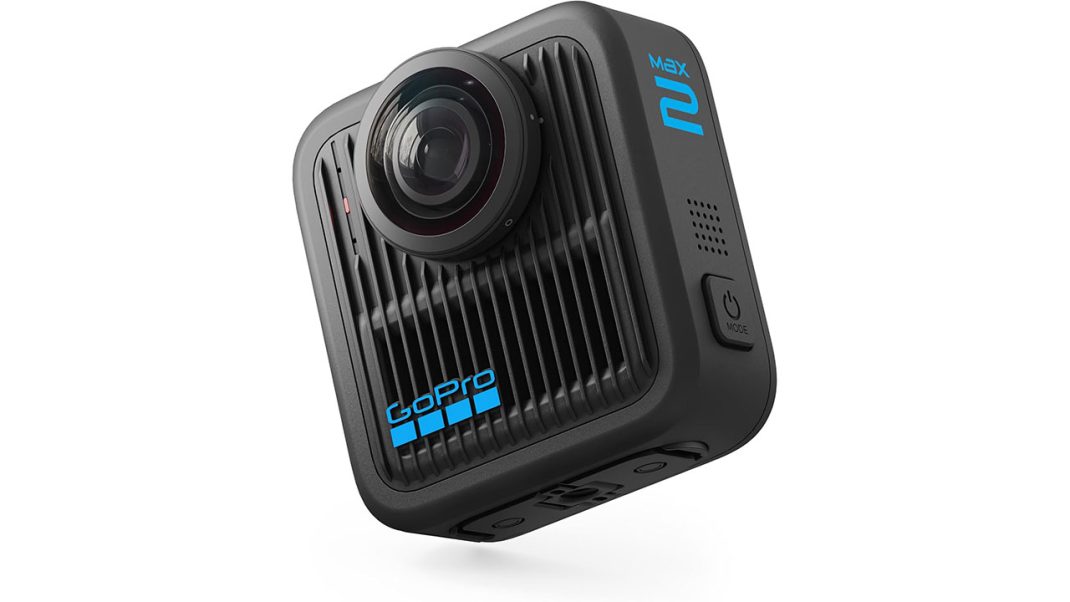
Honestly, it’s been six long years since the original Max dropped, and if you’re like me, you’ve probably spent that time watching the competition eat GoPro’s lunch in the 360 space. But is the GoPro Max 2 the “game-changer” we were promised? Or just a very shiny stop-gap? After dragging this little box through the dirt and hanging it off a motorcycle for a few weeks, I have some thoughts.
Does “True 8K” Actually Matter?
Let’s get into the weeds for a second. GoPro is shouting from the rooftops about “True 8K.” You know what? It actually makes a difference. Most 360 cameras play a bit of a shell game with pixels, but the Max 2 feels crisp. When you reframe your footage, which is basically just zooming into a flat portion of that 360 bubble, you’re still getting a solid 1440p image. It doesn’t look like a blurry mess on a big screen, and that’s a huge win for anyone trying to cut 360 clips into a 4K timeline.
The 10-bit color and GP-Log encoding are the real MVPs here, though. If you’ve ever filmed a bright blue sky and seen those ugly “bands” of color, you know the struggle. The Max 2 smooths all that out. It gives you a billion colors to play with, which is a massive upgrade if you like to spend your Sunday afternoons color-grading in Premiere.
I’m Clumsy, and GoPro Knows It
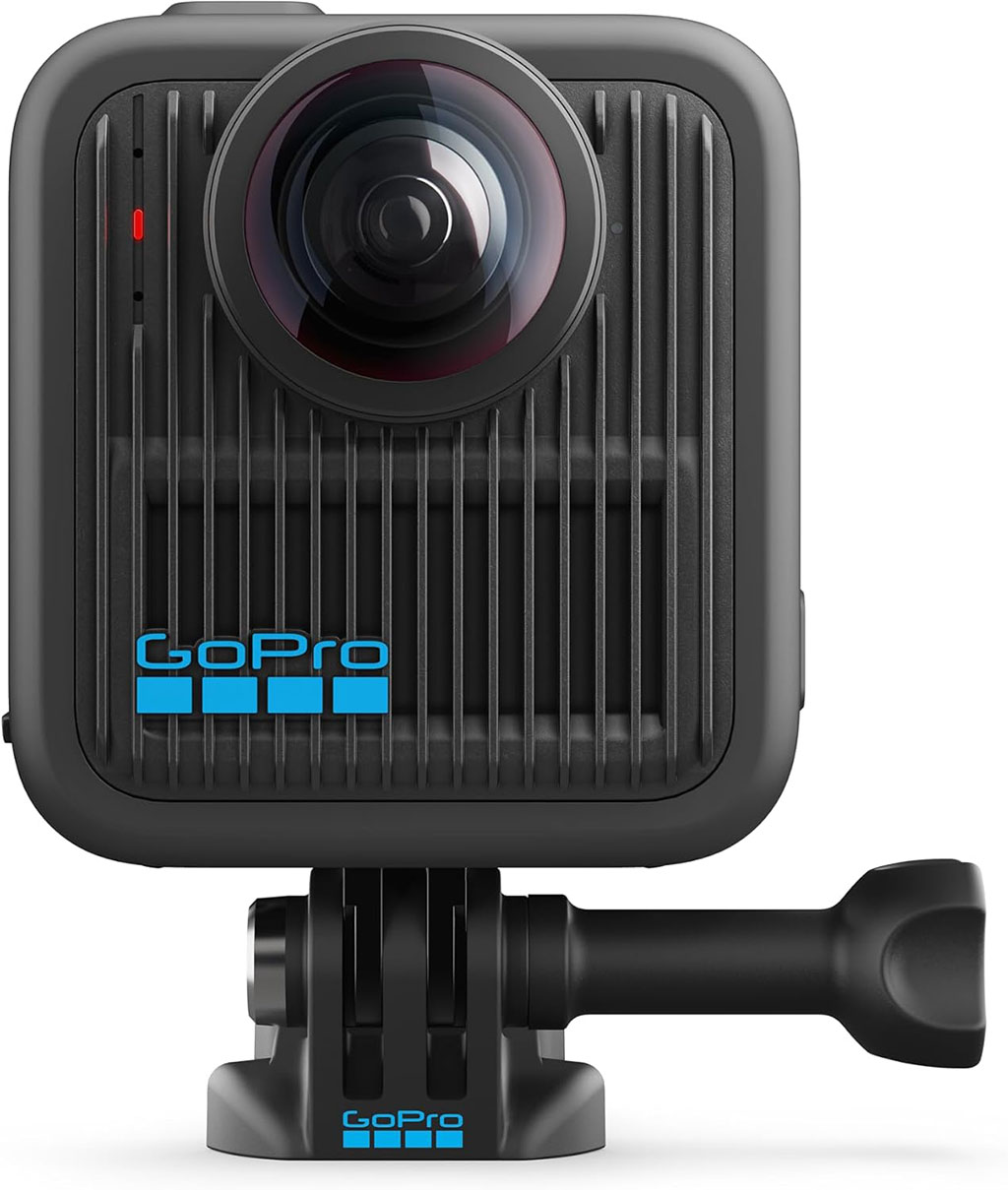
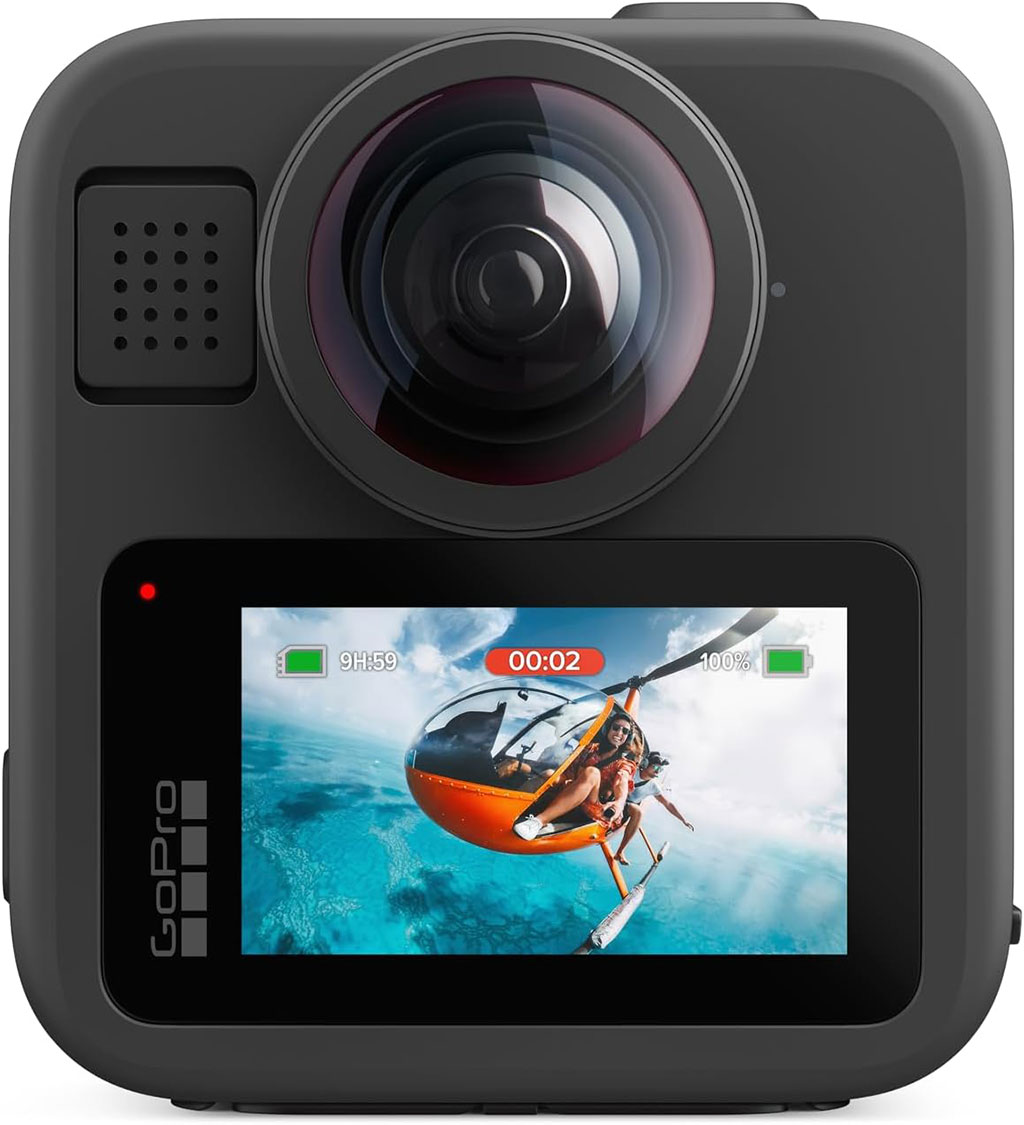
Here’s the thing: 360 lenses are terrifying. They stick out like little fish eyes just waiting to meet a rock. In the past, a single scratch meant your $500 camera was now a very expensive paperweight. But the “Twist-and-Go” lens system on the Max 2? It’s genius. You literally just twist the lens off with your fingers and pop a new one on. No tools, no sending it back to the factory, no tears. I actually dropped mine while mounting it, and being able to just swap the glass was a life-saving moment for my wallet.
The Elephant in the Dark Room
Okay, let’s be real: don’t take this thing to a rave. Or a dimly lit dinner. Honestly, the low-light performance is just bad. Because the sensors are still relatively small, the image gets noisy and grainy the second the sun starts to go down. If you’re a night owl looking to film city streets at midnight, you’re probably better off with a competitor that has a 1-inch sensor.
GoPro tried to fix this with some “Blur Reduction” firmware, and it helps a little, but physics is a tough opponent. For a camera that’s meant to be “professional,” this is a bit of a letdown. But then again, if you’re using an action cam for cinematic night shots, you might be asking too much from a device the size of a deck of cards.
Living that “Invisible” Life
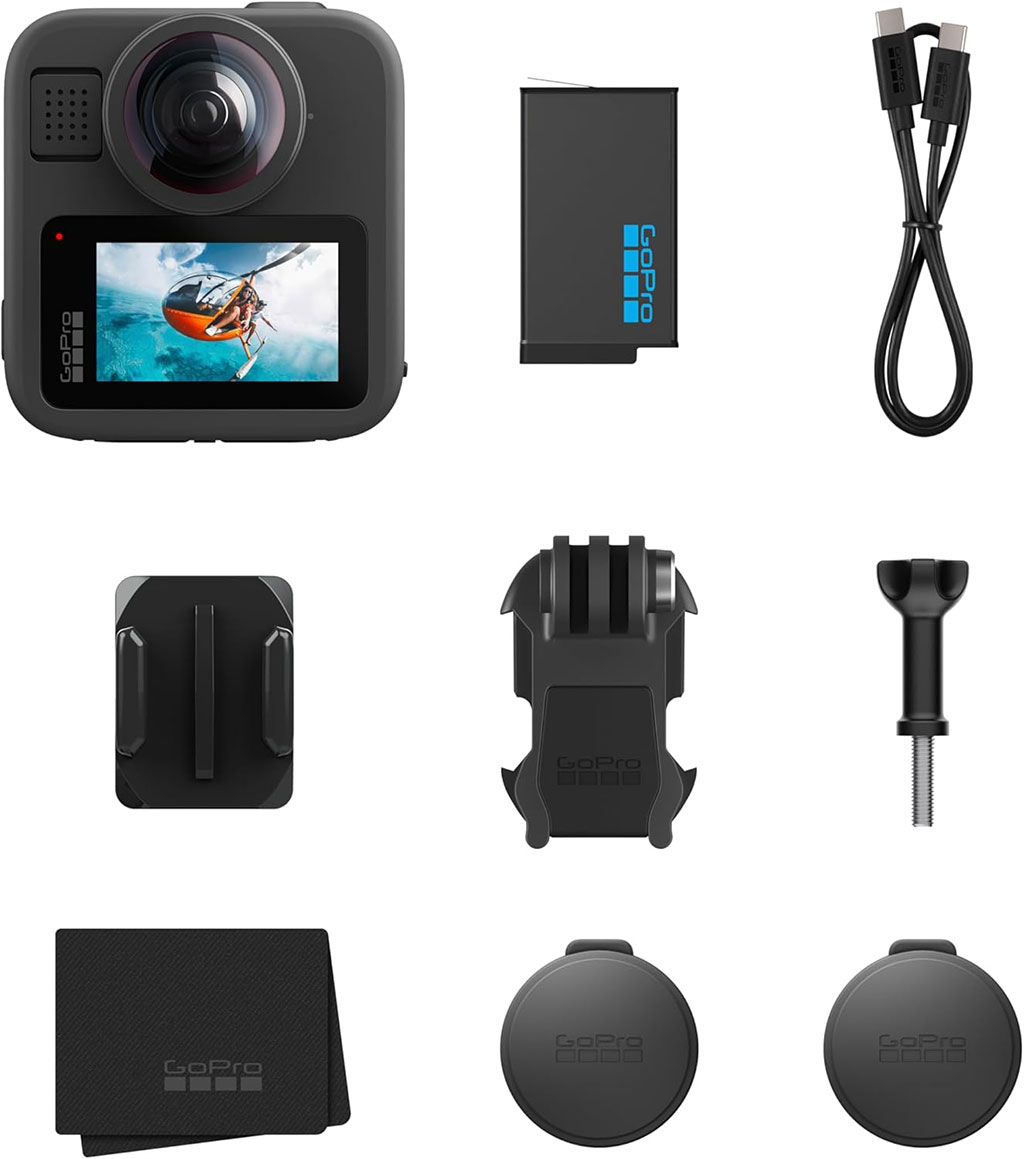
One of my favorite things about 360 is the “invisible” selfie stick effect. It makes you look like you have a personal drone following you around. GoPro launched about 16 new accessories for this, including some really slick carbon fiber poles that are stiff enough to keep the camera steady even when you’re moving fast.
The new 1/4-20 mount on the bottom is a blessing, too. It means you can use standard tripod gear without those annoying adapters. And for the gamers and vloggers out there, you can finally connect your AirPods via Bluetooth to use them as a wireless mic. It’s not “studio quality,” but for a quick walk-and-talk, it beats fighting with wind noise on the built-in mics.
The Workflow: Quik vs. The World
Editing 360 footage used to be a nightmare, but the Quik app has gotten surprisingly smart. There’s this “MotionFrame” thing where you just move your phone around to reframe the shot. It feels very natural, almost like you’re holding a physical camera inside the video.
However, if you’re looking for crazy AI effects or “one-tap” edits, the competition still has a bit of an edge. GoPro is leaning more into the “pro” side of things with GoPro Labs, which lets you do stuff like HDRI capture for VFX work. It’s a bit geeky, but if you like to “hack” your gear for extra performance, it’s a dream.
So, Should You Buy It?
If you already live in the GoPro ecosystem and you want a tank that can survive a mountain bike crash, the Max 2 is a no-brainer. It’s rugged, the 8K looks great in the sun, and those replaceable lenses take all the anxiety out of shooting action.
But here’s the kicker: GoPro just announced their next-gen GP3 chip. We’re seeing rumors of a “Max 3” that might actually solve the low-light problem and give us even higher frame rates. Is it worth waiting? If you need a camera today for your summer trips, the Max 2 is a solid pick. But if you’re a spec-chaser, you might want to keep one eye on that NAB 2026 reveal.
Basically, the Max 2 is the best “action” 360 camera out there. Just don’t expect it to see in the dark, and make sure you carry a few extra batteries if you’re planning on a long day of 8K shooting. It’s a reliable, punchy, and tough-as-nails tool that finally feels like the camera the original Max should have been.
Strategic Conclusion
The GoPro Max 2 is a foundational device that successfully stabilized GoPro’s position in the spherical market. While it does not solve every technical challenge, most notably low-light performance, it addresses the practical needs of the “action” demographic through lens durability, mounting versatility, and a streamlined software pipeline.
As the company transitions to the GP3 processor in mid-2026, the Max 2 serves as the ultimate expression of the GP2 generation. It has successfully moved 360-degree capture from a gimmick into a professional tool capable of delivering “True 8K” content that can be seamlessly integrated into high-end production workflows. For professional peers and creators, the Max 2 remains a highly recommended acquisition for daylight action, while the forthcoming GP3-powered cameras represent the next frontier in low-light and cinema-grade compact imaging.
Overall Rating 4 out of 5
Pros
- “True 8K” recording.
- The innovative “Twist-and-Go” lens system.
- Professional 10-bit color and GP-Log support.
- The rugged, stable form factor.
- Currently the only 360-degree camera on the market to feature built-in GPS.
Cons
- Not the greatest low-light video performance.
- The camera tends to run hot.
- Battery runtime is shorter than the industry standard.
- GoPro’s editing workflow is mostly smartphone app-based.