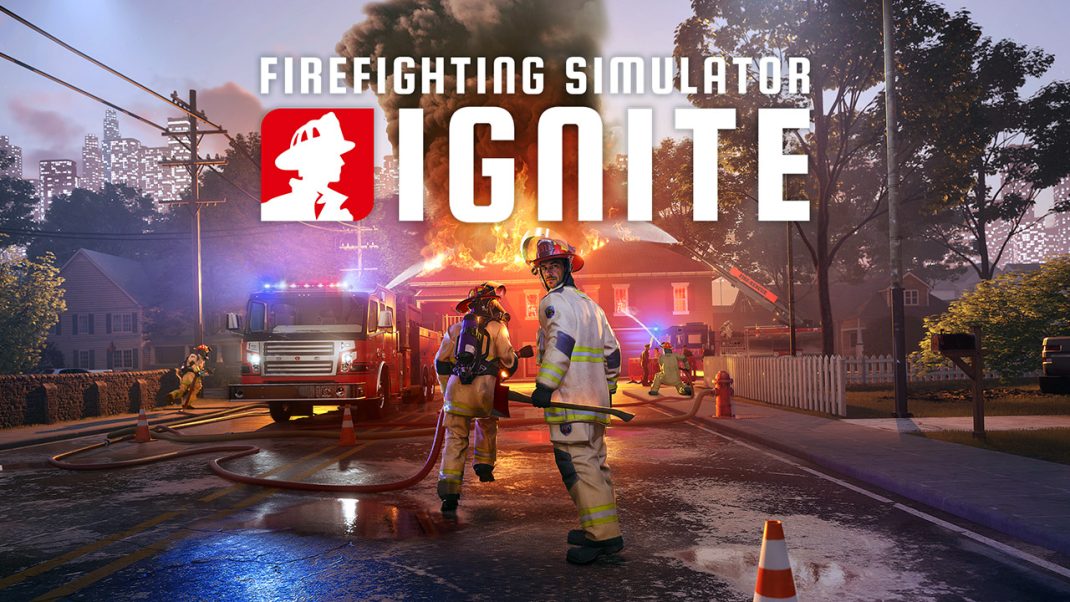
As a man who finds a strange sort of Zen in the digital grind of games like Gas Station Simulator and Construction Simulator, I’ve learned that the “simulator” genre is a bit like a box of chocolates: you never know what you’re going to get. Some are surprisingly deep and rewarding, while others are cheap, buggy cash-grabs. So, when I heard that the team behind the excellent Construction Simulator series was tackling firefighting with a brand-new, Unreal Engine 5-powered game, my interest was definitely piqued. I’m happy to report that Firefighting Simulator: Ignite is one of the good ones, a genuinely satisfying and often thrilling experience, though it’s not without a few smoldering embers of frustration.
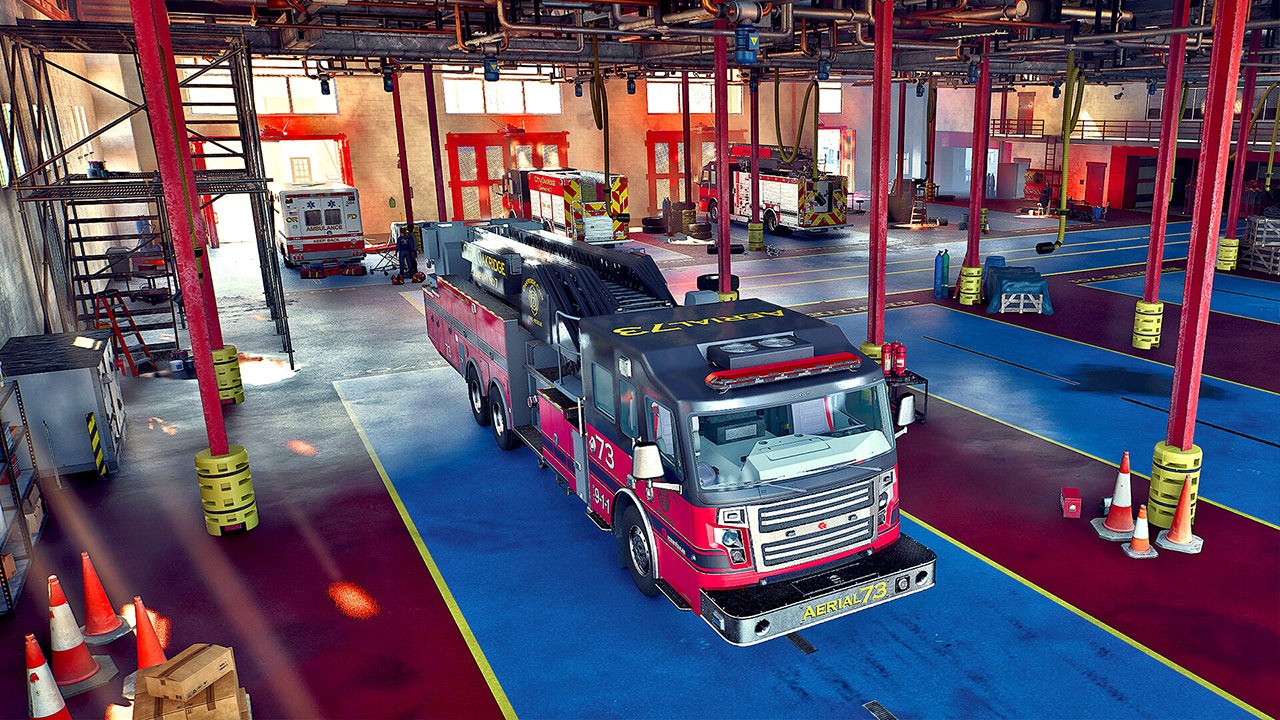
The game immediately sets a professional tone. You start by creating your firefighter from a few basic options and then you’re introduced to your new home: a fully explorable fire station. This isn’t just a fancy menu. It’s a hub where you can walk around, check out the impressive fleet of officially licensed Rosenbauer fire trucks, and even hit the training yard to practice with your tools. For a sim fan like me, this kind of immersion is key. When the alarm bell finally rings for your first call, there’s a genuine rush as you slide down the pole and race to your engine. Driving the truck through the city streets, sirens wailing, is a simple pleasure that never gets old, even if the civilian traffic doesn’t always seem to grasp the urgency of the situation.
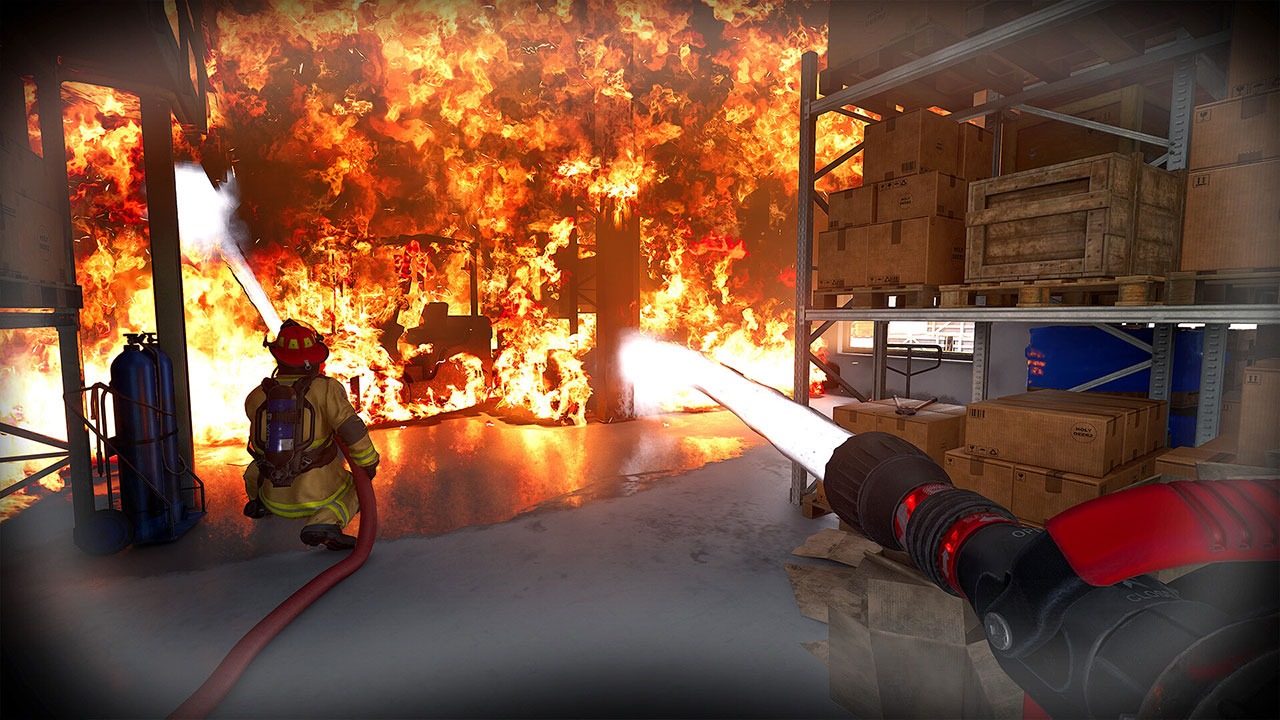
Once you arrive on scene, the real work begins, and this is where Ignite truly excels. This is far more than a simple game of pointing a hose at orange pixels. The fire feels like a living, breathing entity; it’s visually stunning and absolutely terrifying as it spreads realistically across different materials, spewing thick, vision-obscuring smoke. Each mission is a tactical puzzle. You have to assess the situation, identify the type of blaze, and use the right tools for the job. Trying to douse a grease fire with water will only make things worse, forcing you to switch to foam deployed from your truck. Electrical fires require you to find the breaker box or rely on a portable extinguisher. It’s this layer of strategy that elevates the experience. You’ll be using axes and Halligan bars to force open doors, rescuing unconscious civilians, and sawing holes in roofs for vertical ventilation, all while the building groans and collapses around you. The gameplay loop is methodical and engaging, providing that perfect sense of accomplishment when you finally bring a raging inferno under control.
However, the experience changes dramatically depending on how you play. The game is clearly designed with four-player cooperative multiplayer in mind, and this is where it is an absolute triumph. Coordinating with three friends, calling out hazards, and dividing tasks to rescue victims and attack the flames from multiple angles is an incredibly tense and rewarding test of teamwork. It’s chaotic, exciting, and immensely fun.
Unfortunately, the single-player experience is a different story. When playing alone, you are accompanied by three AI-controlled teammates to whom you can issue commands. To put it bluntly, your AI crew is not the sharpest tool in the shed. They frequently get stuck on objects, stand around doing nothing, and require constant micromanagement to perform even the simplest tasks. This transforms the satisfying tactical challenge into a frustrating exercise in babysitting. It’s a significant blemish on an otherwise excellent game and makes playing solo a much less appealing prospect.
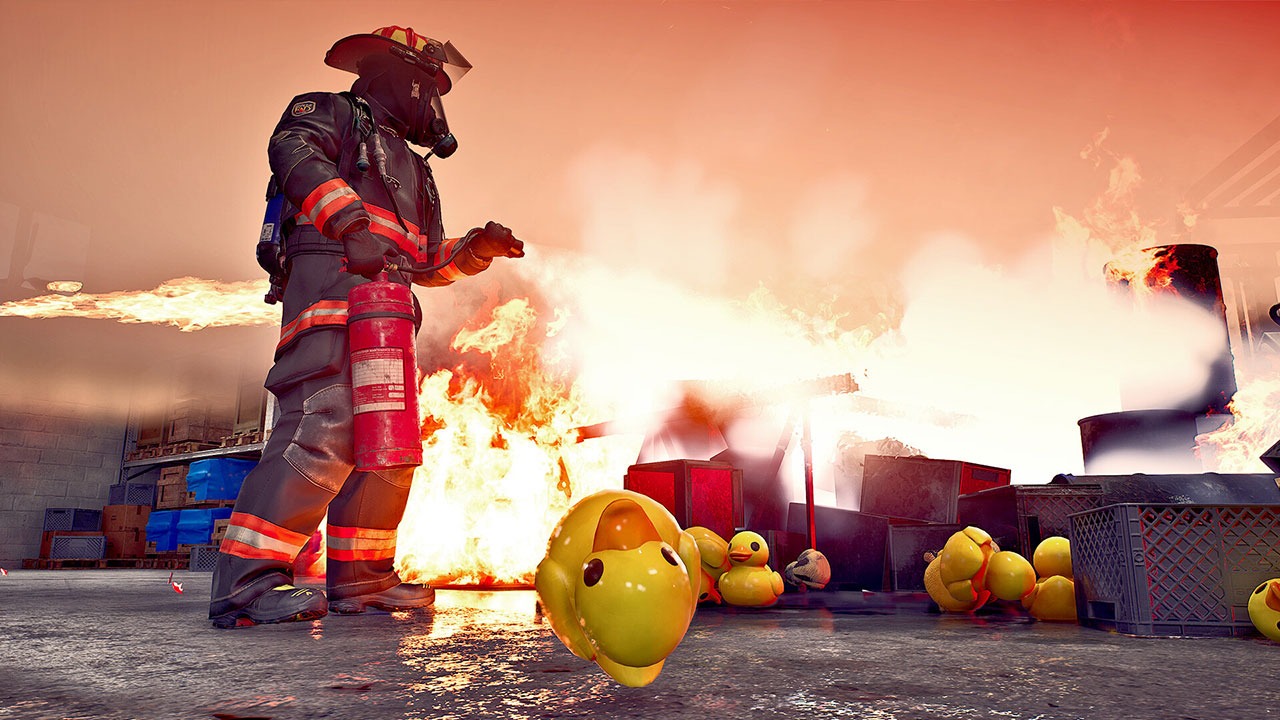
Like many of its simulator brethren, the game also has its share of “jank.” Character animations can be stiff and a bit goofy, and you’ll notice some minor graphical glitches and bugs from time to time. For a veteran of the genre, these rough edges are almost part of the charm and don’t detract from the solid core mechanics, but they do prevent the game from feeling completely polished.
Ultimately, Firefighting Simulator: Ignite is a fantastic addition to the profession simulator library. It delivers a deep, authentic, and visually spectacular firefighting experience that is second to none, especially when played with friends. The core gameplay of tackling a blaze is so well-executed that it largely overcomes the game’s flaws. While the unreliable AI makes the solo journey a tougher recommendation, the sheer joy of the cooperative mode makes this a must-play for any fan of the genre. It successfully captures the danger, strategy, and heroism of the profession, creating a simulation that is both challenging and deeply satisfying.
Overall Rating 4 out of 5
Pros:
- Incredibly realistic and visually impressive fire effects.
- Deep, tactical gameplay that requires strategy.
- An outstanding and engaging cooperative multiplayer mode.
- Authentic, licensed vehicles and equipment add to the immersion.
Cons:
- AI teammates in single-player are unreliable and often frustrating.
- Character animations and some graphics lack polish.
- The core mission structure can become repetitive.