
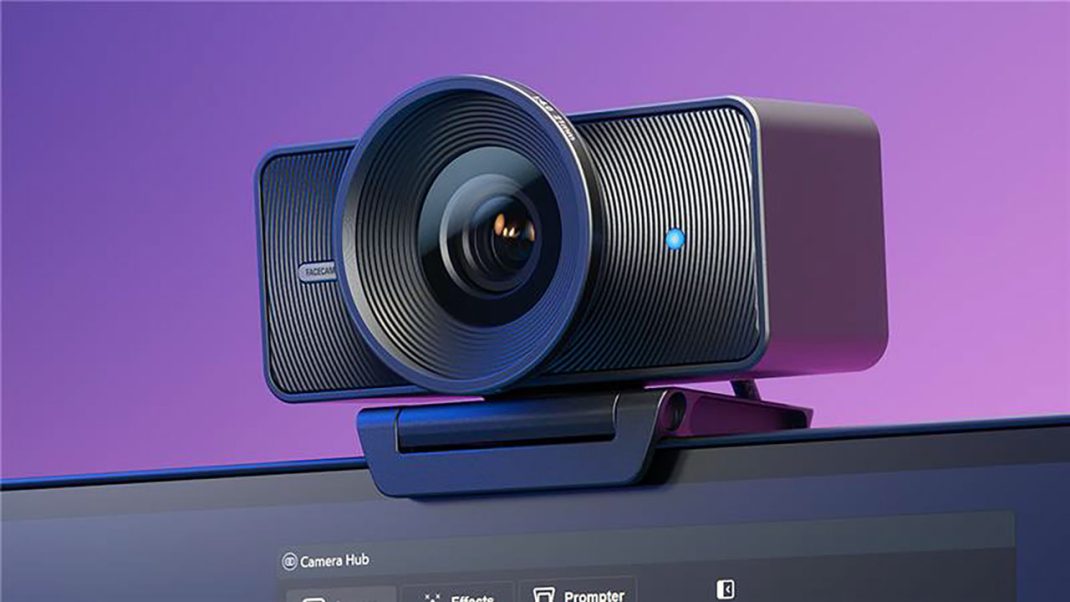
The Elgato Facecam 4K arrives on the scene not as a simple upgrade, but as a statement piece. It’s a webcam that plants its flag firmly in the territory of the serious content creator, promising a tantalizing combination of ultra-smooth video and, in a first for the mainstream market, native support for physical lens filters. On paper, this is a dream for streamers and YouTubers looking to elevate their production value without the complexity of a full DSLR setup. However, in practice, the Facecam 4K is a story of a brilliant, forward-thinking concept built upon a surprisingly compromised foundation. It’s a specialized tool that can achieve greatness, but only under a rigid set of conditions that will exclude many potential users.
When those conditions are met, the results are undeniably impressive. The headline feature, capturing video at a full 4K resolution at 60 frames per second, delivers on its promise of exceptionally fluid motion. The level of detail is a clear step up from standard 1080p webcams, and the high frame rate makes movement look natural and smooth. For creators who do post-production work, this high-resolution canvas offers incredible flexibility to digitally zoom, pan, and crop shots without a significant loss in quality. You can effectively create a tight 1080p close-up from a wider 4K frame, adding a layer of dynamism to your content.
Elgato Product Trailer (Note the low-light noise)
The true innovation, however, lies with the threaded 49mm lens mount. This single feature bridges the gap between webcams and more professional camera systems, allowing for a degree of hardware-based creative control that is simply unavailable elsewhere in this product category. Attaching a circular polarizer can eliminate the distracting glare from glasses or a monitor. A black mist or diffusion filter can soften the harsh digital sharpness of the sensor, creating a more flattering, cinematic look that is especially pleasing for skin tones. This is a game-changer for creators who are intentional about crafting a specific visual style. It’s a clever way to offer pro-level aesthetics without the cost of high-end optics.
This creative potential is managed through Elgato’s robust Camera Hub software, which is less of an accessory and more of a mandatory command center. It provides the granular, DSLR-style controls needed to truly dial in your image, from shutter speed and ISO to white balance and sharpness. The ability to save these settings directly to the camera’s onboard memory is a fantastic quality-of-life feature, ensuring your look remains consistent even when you switch computers.
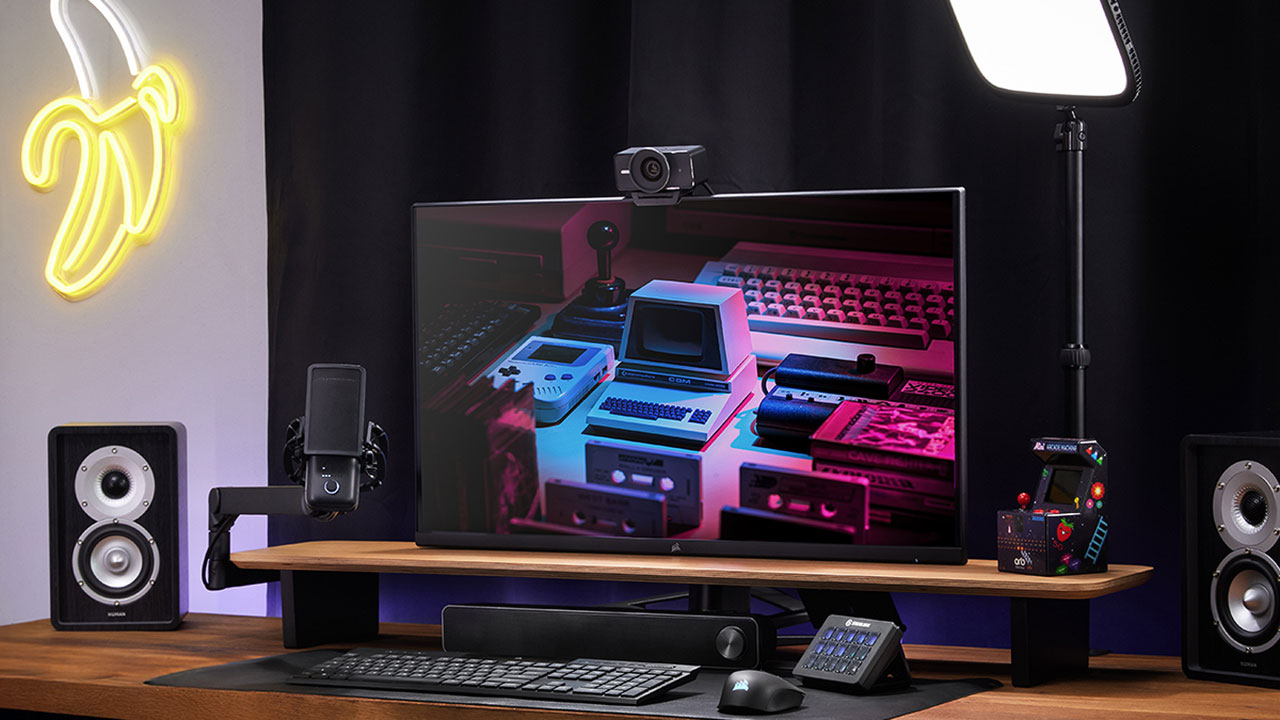
Unfortunately, this is where the praise must be tempered with a significant dose of reality. The Facecam 4K’s performance is fundamentally hamstrung by two critical hardware choices: a slow aperture and a fixed-focus lens. The aperture simply doesn’t let in much light compared to its direct competitors. The consequence is stark and immediate: the camera performs poorly in anything but a brightly and evenly lit environment. User experiences consistently highlight that achieving a clean, noise-free image requires a substantial amount of external lighting. Without it, the camera is forced to increase its sensor sensitivity (ISO), which introduces a distracting amount of digital grain and visual noise, completely undermining the point of a 4K sensor.
Compounding this issue is the unforgiving fixed-focus system. While it eliminates the annoying “focus hunting” seen in some webcams, it locks the user into a very narrow optimal focal range of roughly one to four feet. If you lean in too close, shift back in your chair, or move outside this unforgiving sweet spot, the image quickly becomes soft and fuzzy. Many users have found the practical in-focus area to be even narrower than advertised, leading to a frustrating experience where the promise of 4K sharpness is negated by a persistently soft image. These two limitations create a cascade of problems. The slow aperture demands more light, which many users won’t have. This forces a higher ISO, creating noise. To combat the noise, you might enable the software’s noise reduction, which can further soften an image that is already at risk of being soft due to the rigid fixed focus.
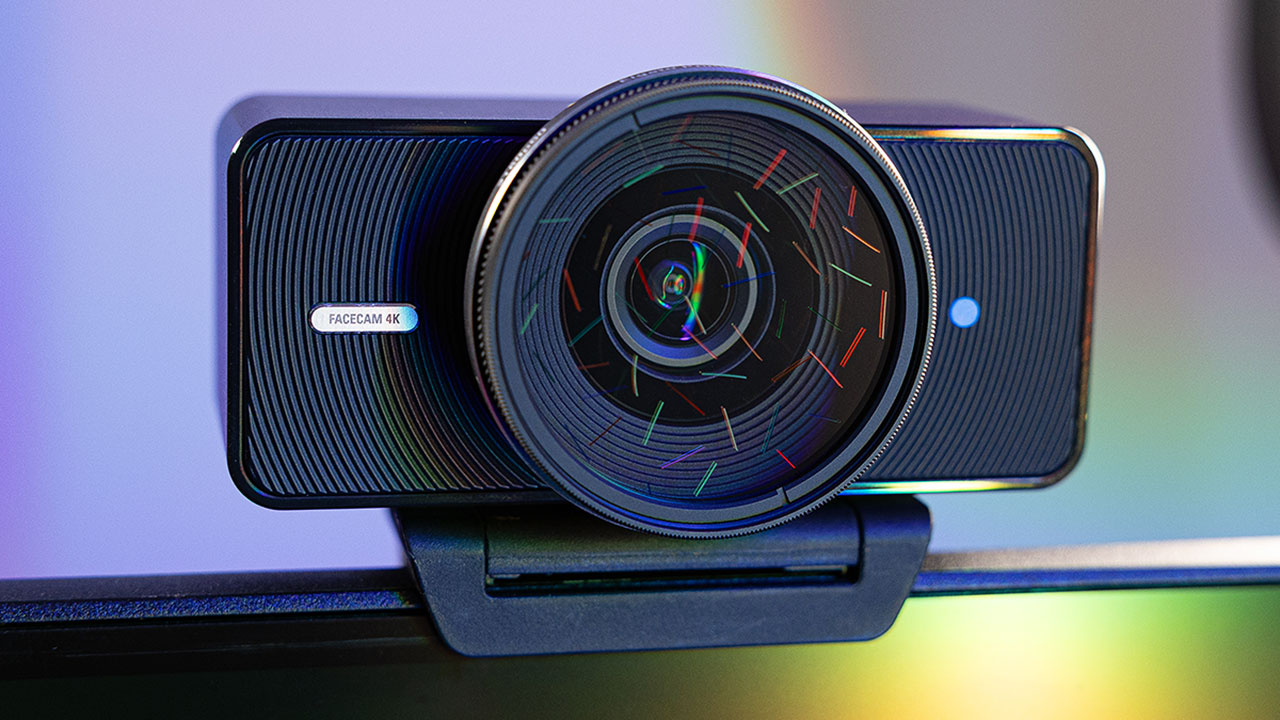
Ultimately, the Elgato Facecam 4K is not a webcam for everyone; in fact, it’s not for most people. It is a niche product designed for a very specific user: a dedicated content creator who operates within a controlled studio with ample, high-quality lighting. This user must prioritize the fluidity of video and the creative possibilities of lens filters above all else. They must be willing to meticulously configure their settings in software and remain physically locked into a specific position to stay in focus. It is absolutely not for the casual user, the business professional, or anyone working in a room with imperfect or variable lighting. For those users, the camera’s limitations will lead to nothing but frustration and an image quality that falls far short of its potential. It’s a bold and innovative product, but one whose reach tragically exceeds its grasp.
Overall Score: 3 out of 5
Pros and Cons
Pros:
- Captures smooth and detailed 4K video at 60 frames per second.
- Innovative support for 49mm lens filters allows for unique creative control.
- Powerful software provides deep manual settings.
- Onboard memory saves settings directly to the device.
Cons:
- Requires a very bright, well-lit environment to produce a clean image.
- Fixed-focus system has a narrow range, often resulting in a soft image.
- Requires manual configuration for best results.