
You know what? The esports peripheral market has been stuck in a serious rut lately. I mean, how many times can we buy the exact same lightweight plastic shell with a slightly bumped up polling rate? It gets old fast. We used to argue endlessly about laser versus optical sensors. Then we obsessed over cutting the cord entirely. After that, the ultra-lightweight craze took over the industry. Now? We are obsessing over the actual invisible switches hidden under the plastic.
Then Logitech launched the G PRO X2 SUPERSTRIKE. I am not going to lie; when I first saw the $179.99 price tag, I totally scoffed. That is an offensive amount of money for a pointing device. I fully expected to write it off as an overpriced gimmick aimed at teenagers. But here is the thing. It is actually a massive leap forward. Its speed makes online games feel like you are playing on a local LAN server. Let me explain why this weird, haptic-driven mouse is the biggest mouse hardware shakeup we have seen in years.
The Potato Shape Survives
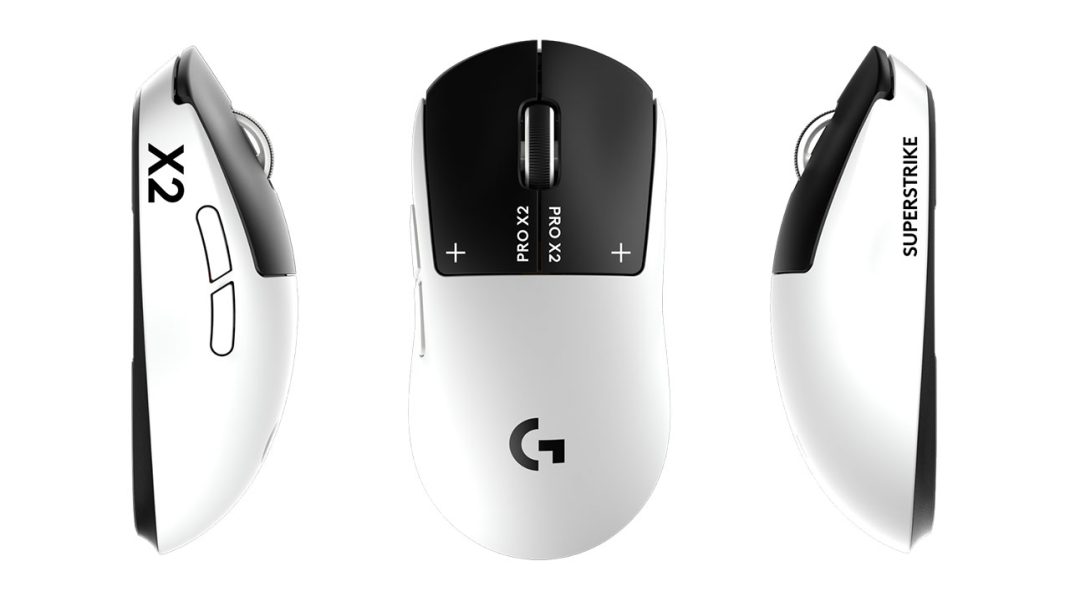
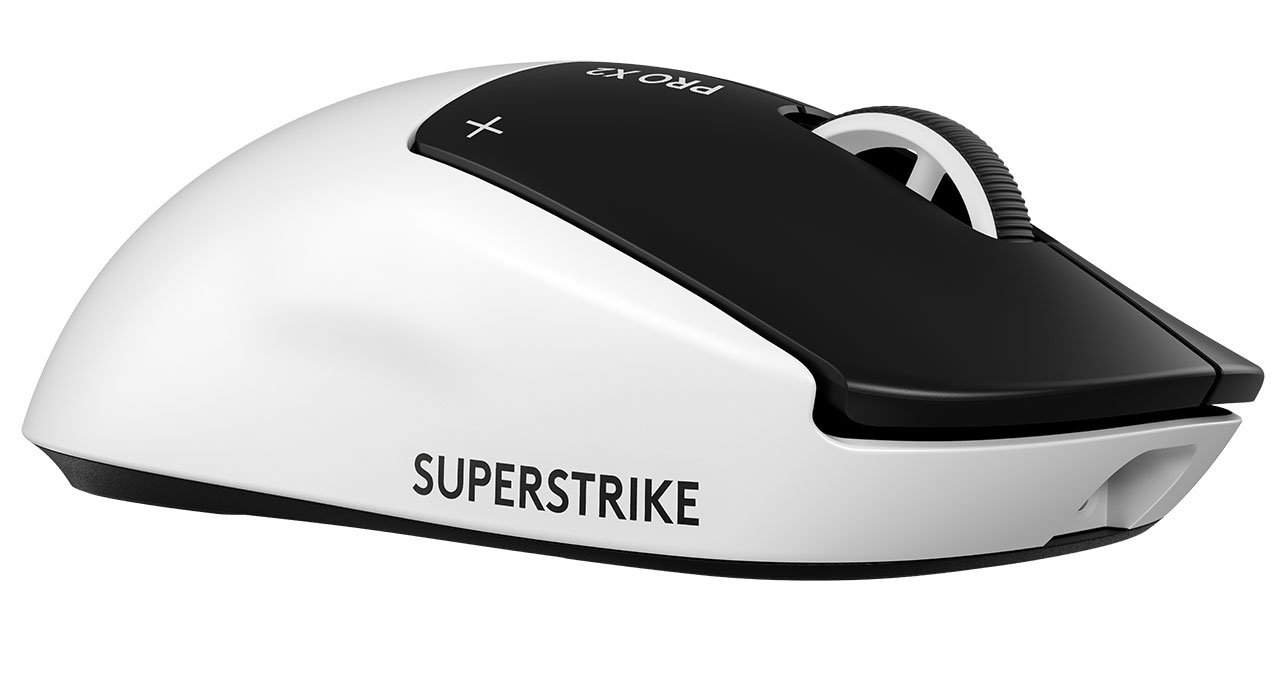
At first glance, the Logitech G PRO X2 SUPERSTRIKE looks completely identical to its older siblings. Logitech stuck with that incredibly safe, perfectly symmetrical shape that some enthusiast communities lovingly call the “potato”. It fits almost every hand size and grip style, whether you claw, palm, or use a relaxed fingertip grip. It is a smart move. Why mess with a physical formula that literally millions of players already love?
But the moment you pick it up, you experience a mild contradiction. On paper, the device weighs an astonishingly light 61 grams. Yet, it somehow feels significantly heavier than the older Superlight 2. That is because the weight distribution is extremely front-heavy. Logitech had to pack complex copper coils and heavy magnetic motors right under the primary left and right clicks. If you lift your mouse a lot during intense Overwatch matches, you will definitely feel the nose dip towards your desk. Honestly, I hated the balance for the first day. It threw off my crosshair placement completely. But humans adapt quickly. After a few hours, my muscle memory took over, and the weird balance just vanished from my mind.
Analog Magic and Fake Clicks
Okay, let’s talk about the real magic here. Logitech completely ripped out the traditional mechanical switches we have relied on since the dawn of PC gaming. Instead, they introduced the Haptic Inductive Trigger System, or HITS for short. This system uses electromagnetic induction to read exactly how far you press the plastic button down. It is fully analog. It allows you to pick your exact actuation level from ten different customizable stages. Want your gun to fire when you barely brush the plastic? Set it to level one. Want a deeper, heavier press to avoid accidental mis-clicks during a tense clutch? Bump it up to level five.
Because there is no physical metal spring snapping inside, the button is completely silent and linear. It feels entirely dead. To fix this empty feeling, Logitech shoved a Linear Resonant Actuator (basically a high-end vibration haptics motor) under the plastic. When the mouse registers your input, the motor fires, giving you a simulated physical “thump”. It is the exact same brilliant tactile illusion Apple pulls off with their MacBook trackpads. The team at EFTM noted that out of the box, the lack of a traditional, loud mechanical snap is jarring, sounding more like a soft thump than a sharp click. You can crank the haptic feedback up in the G HUB software, but be warned. Putting the haptics on maximum will drain your battery way faster than the advertised 90 hours.
The Need for Pure Speed
The speed advantage here is not a joke. By removing the physical travel distance required to compress a mechanical switch, you cut out huge chunks of biomechanical delay. Logitech claims this can reduce your overall click latency by up to 30 milliseconds. That sounds crazy, right? This instant response and Rapid Trigger functionality feel genuinely fresh, making it a massive game-changer even in non-shooters like Diablo 4.
Rapid Trigger is the absolute star of the show. The second you start lifting your finger upward, the click resets. You do not have to wait for the button to travel back past a static reset point. It makes spamming semi-automatic weapons incredibly consistent. When you pair these analog switches with the HERO 2 sensor and its “Power of 8” technology, the hardware tracking is ridiculously smooth. That means an 8000 Hz polling rate, 88G of maximum acceleration, and a mind-bending 44,000 DPI. Hardwired points out that the HITS system is a genuine leap forward, offering the most technically advanced hardware available right now for competitive players looking for every marginal edge.
The Learning Curve
Swapping mice is always a weird psychological experiment. You plug the new device in, load up the practice range, and suddenly your aim feels entirely foreign. It takes days to build back your confidence. But with the SUPERSTRIKE, that transition period is strange. Your hand already knows the shape, but your fingers have to completely relearn how to click. The first time you accidentally fire your weapon because you rested your finger too heavily on a level-one actuation point, you will feel silly. But once you dial in those exact HITS configurations, it becomes an extension of your arm. It is a wildly steep learning curve, but the payoff is immense.
The Sticking Points
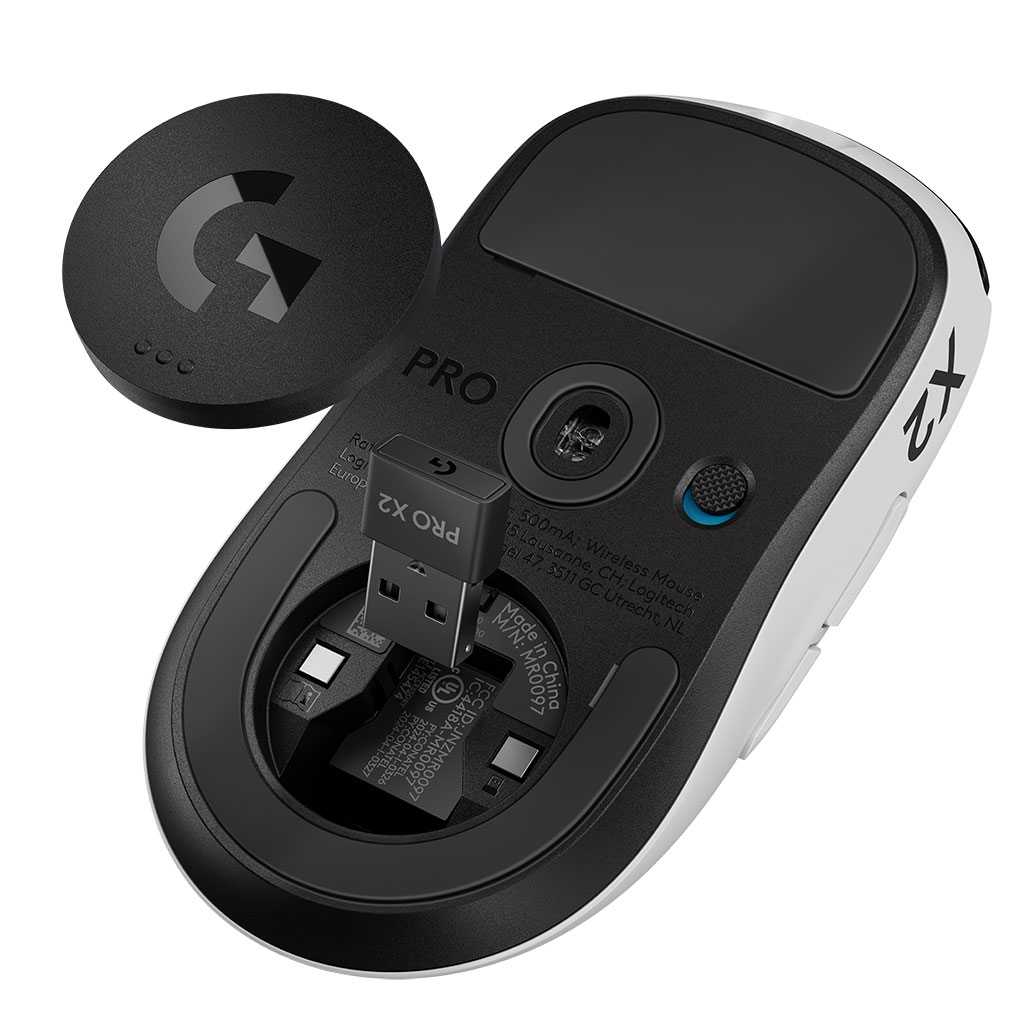
I am singing its praises, but I need to bring you back down to earth for a second. For $180, Logitech made some baffling decisions. First, they went backward on the mouse feet. Instead of fast, pure PTFE feet, they slapped on black UHMWPE plastic pads. They are scratchy and slow, especially on hard glass pads. You will probably want to peel them off and apply aftermarket options like WALLHACKS or Corepadz immediately.
Also, the side buttons are a huge letdown. They use the exact same mushy, pre-travel-heavy design from the older models. When you are holding a mouse living in the future, having side buttons stuck in the past is highly frustrating. It feels like they ran out of budget after designing the main clicks.
The Final Verdict
So, is this haptic experiment worth your hard-earned cash? If you only play casual, relaxing games on the weekends, then absolutely not. It is wildly expensive for that. But if you spend your nights sweating in competitive tactical shooters, the Logitech G PRO X2 SUPERSTRIKE is arguably the best tool on the market. Yes, the inevitable need to replace the mouse feet is annoying and the side buttons are “mid”. But the core analog technology fundamentally changes how you interact with your PC. It makes every other mouse feel sluggish and outdated. Logitech just fired a massive warning shot, and the rest of the industry is going to be scrambling to catch up.
The Logitech G PRO X2 SUPERSTRIKE retails for $180 dollars and is available now at logitech.com