
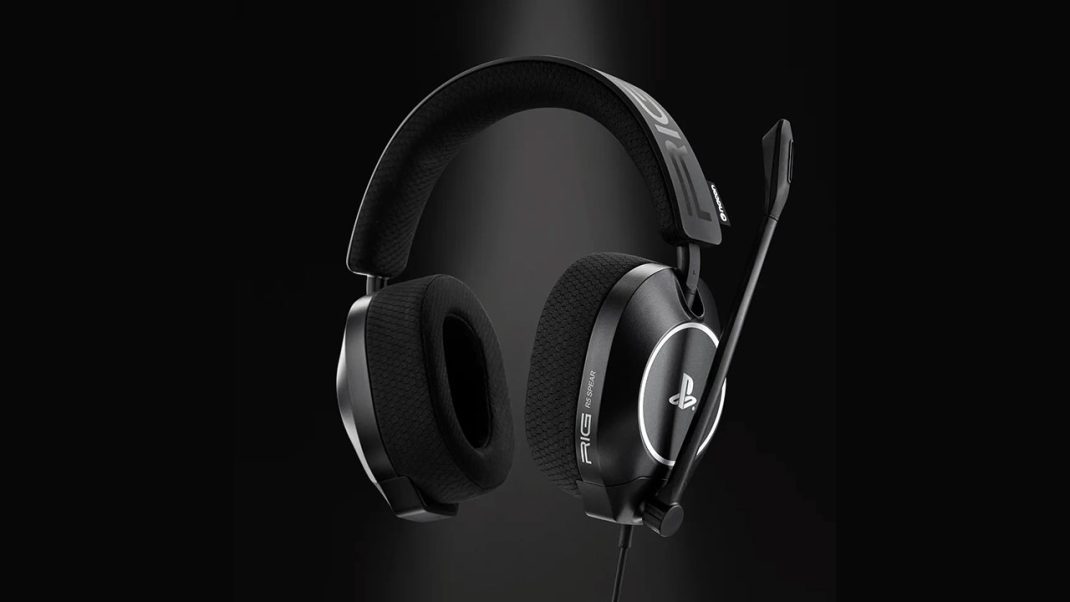
You know, sometimes I look at my gaming setup here at the tale end of 2025 and it feels like I’m running a NASA control center just to play a few rounds of Battlefield 6. Everything needs a battery check, a firmware update, or a specific dongle that I definitely lost in the couch cushions three weeks ago. It’s exhausting. So when the NACON RIG R5 SPEAR PRO HS landed on my desk, boasting a price tag of seventy bucks and a cable that physically tethers you to your controller, I honestly felt a weird sense of relief. Is it backward to crave a simple plug-and-play experience in a world obsessed with cutting the cord? Maybe. But after spending the last two weeks with this thing clamped to my skull, I’m starting to think RIG is onto something special here.
Let’s get the elephant out of the room right away. This is a wired headset. In an era where we expect our toaster to have Wi-Fi, buying a wired headset feels like a deliberate choice, almost a statement. You aren’t paying for a battery, a Bluetooth chip, or some finicky wireless receiver. Instead, NACON took that budget and dumped it all into one thing: the drivers. They’ve shoved 40mm Graphene-coated drivers into this chassis. If you’re not a total audio nerd, let me explain why that matters. Graphene is this ridiculously stiff, lightweight material that stops the speaker cone from wobbling when it’s trying to push sound waves. The result? You get sound that starts and stops on a dime. No muddy bass, no distortion. Just pure, angry audio.
I tested this theory by jumping into a chaotic match of The Finals. Usually, with budget headsets, an explosion sounds like a wet thud that drowns out everything else. With the R5 Spear, it was different. I could hear the distinct crunch of debris falling after the explosion, while simultaneously tracking footsteps sprinting on the floor above me. The separation is genuinely startling for a headset that costs less than a new release game. It’s got this claimed harmonic distortion of less than 0.5%, which is a fancy way of saying the sound doesn’t get crunchy or weird even when you crank the volume.
Speaking of cranking the volume, we need to talk about the tuning. This isn’t your dad’s flat, boring studio headphone. RIG tuned this specifically for shooters, pushing the upper-mids forward so footsteps and reloads cut through the mix like a hot knife through butter. It works. It really works. I found myself reacting to audio cues way faster than I usually do. And since it’s wired via a 3.5mm jack, there is zero latency. None. You hear it the instant it happens.
Now, let’s talk about the vibe of the hardware itself. If you’ve ever owned a RIG headset, you know they look kind of industrial – lots of skeletons and holes. The R5 Spear keeps that DNA but cleans it up a bit. It’s incredibly light, weighing in at just around 268 grams. You pick it up and worry it might feel cheap, but the headband is made of this composite material that feels like it could survive a rage-quit throw across the room (not that I tested that, mostly).
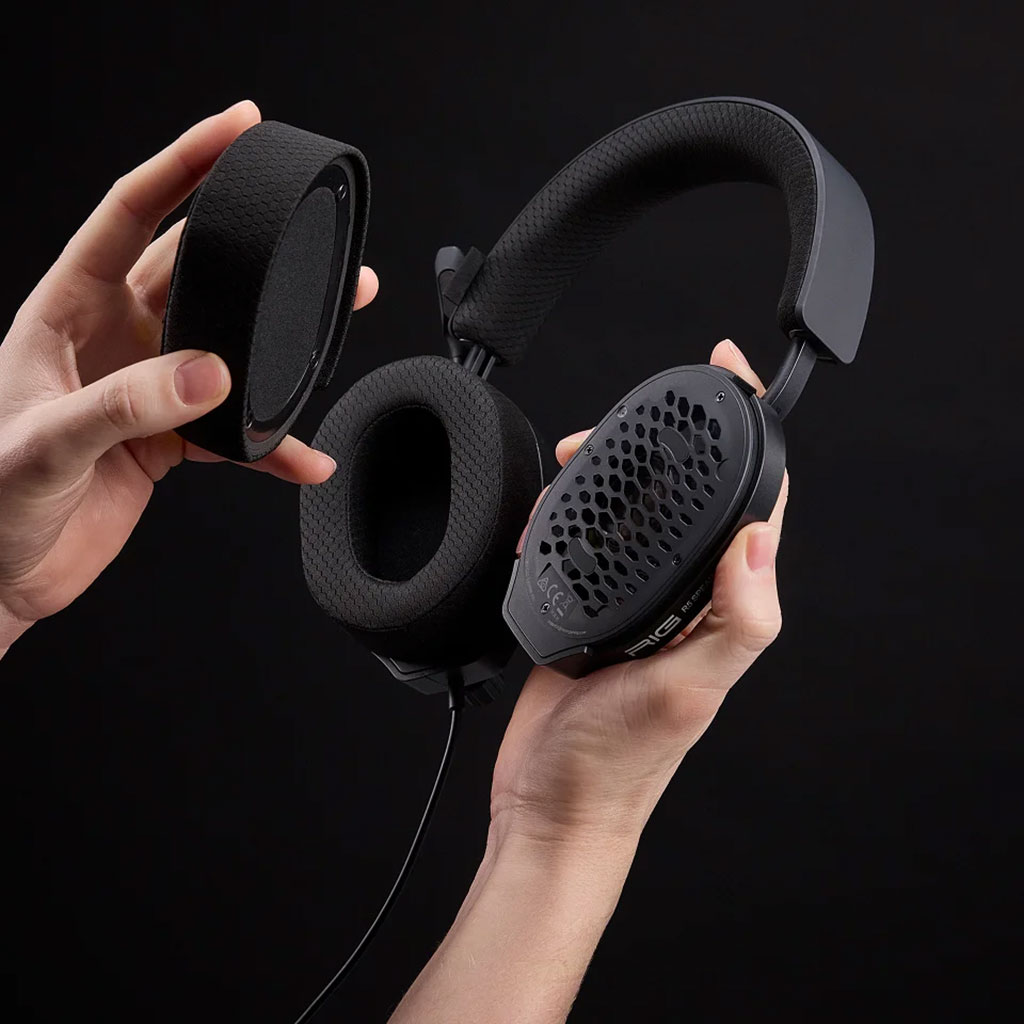
But here’s the thing about the fit – it’s tight. When I first put it on, it felt like the headset was trying to squeeze the knowledge out of my head. The clamping force is no joke. For the first hour, I was worried I’d get a headache. But the ear cushions are this mix of fabric and memory foam that breathes really well, and after a couple of days, either the band loosened up or my head just accepted its new fate. The upside of that vice-grip is that the passive noise isolation is fantastic. The world just disappears.
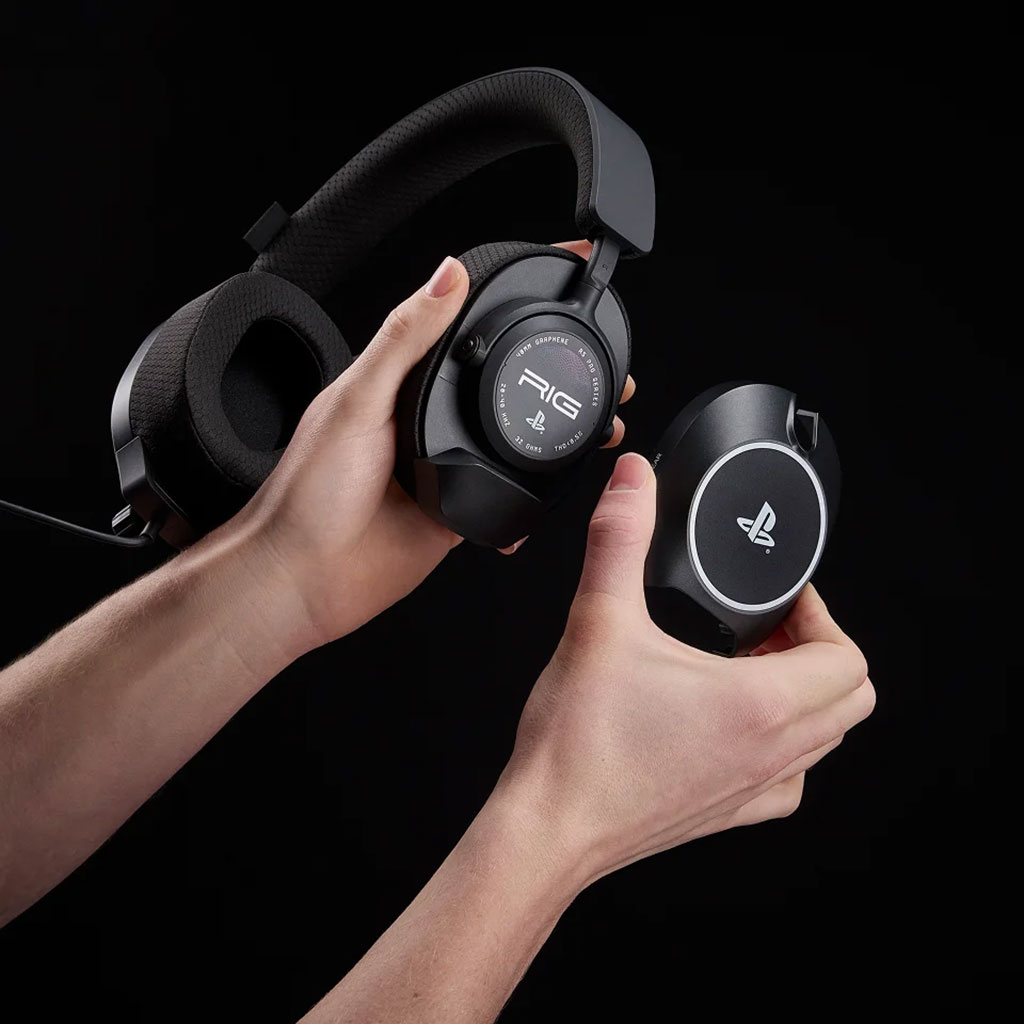
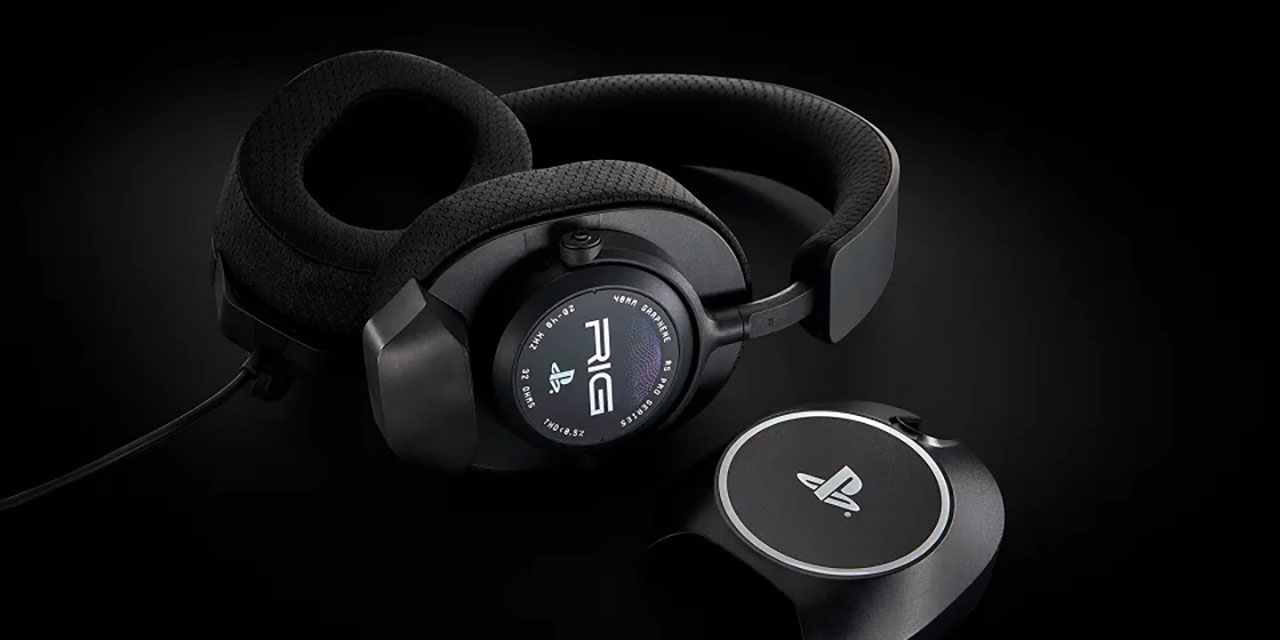
One of the cooler features, and honestly, one I didn’t think I’d care about, is the customization. The ear cups have these magnetic faceplates called “Snap+Lock” covers. You can pop them off and swap them out. The box came with a set of PlayStation-branded ones since this is officially licensed for PS5, but RIG released the 3D printer files online. That means if you have a 3D printer, you can print your own custom covers. It’s such a neat, pro-consumer move that encourages the maker community, and I wish more companies would do stuff like this.
Of course, at seventy dollars, corners had to be cut somewhere. The microphone is… fine. It’s a flip-to-mute boom mic, which I love because there’s a satisfying tactile click when you mute it. Your squad will hear you clearly enough, and because it’s an analog connection, you don’t get that robotic compression you sometimes hear on wireless headsets. But don’t expect to start a podcast with it. It lacks a bit of low-end warmth, making you sound a little thinner than you probably do in real life.
And then there’s the cable. It’s about 1.5 meters long, which is perfect if you’re plugging into a DualSense or Xbox controller, but it’s permanently attached to the headset. That scares me a little. If my cat decides that cable looks like a delicious snack, the whole headset is toast. A detachable cable would have been a huge durability win here. Also, if you’re a PC gamer, note that it doesn’t come with a Y-splitter in the box, so you’ll need to buy one separately if your rig has separate mic and audio jacks.
I also have to mention the volume slider. It’s inline on the cable, and it has this little detent at the max volume position to lock it in place. It’s a smart little detail that stops you from accidentally bumping the volume down when the cable rubs against your hoodie. It’s the kind of small engineering choice that tells you actual gamers designed this thing.
So, who is this actually for? If you’re the type of person who needs to walk to the fridge while listening to your Discord chat, this isn’t for you. But if you are sitting down to sweat it out in a ranked match and you want every single dollar of your budget to go toward helping you hear the enemy before they hear you, the R5 Spear PRO HS is a beast. It punches so far above its weight class in terms of pure audio fidelity that it makes some of my $150 headsets sound muddy by comparison.
It’s refreshing, honestly. In a market flooded with gimmicks, RGB lighting, and software updates, the RIG R5 Spear just shuts up and does its job. It sounds incredible, it’s built to take a beating, and it costs less than a tank of gas. For a wired headset in late 2025, that’s a pretty compelling pitch.