
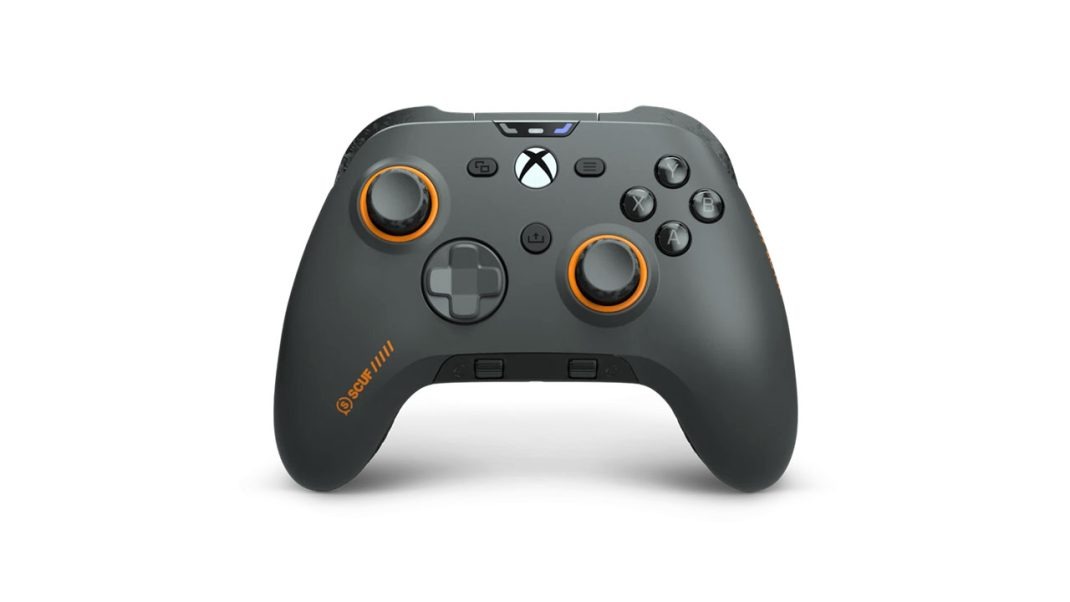
As a competitive gamer for the better part of two decades, I’ve seen my fair share of controllers. I’ve burned through standard issue gamepads, tinkered with elite models, and have a small graveyard of peripherals that promised an edge but delivered only disappointment. So when SCUF Gaming announced the Valor Pro Wireless, a controller packing their new drift-proof thumbsticks, I was cautiously optimistic. SCUF has a reputation to uphold, but the pro controller market is a battlefield littered with expensive failures. After spending significant time with it in the trenches of online multiplayer, I can say the Valor Pro is a weapon of immense potential, but one with a very specific, and at times, deeply flawed design.
The moment you pick it up, the first thing you notice is the weight. It’s noticeably lighter than its main rival, the Xbox Elite Series 2, which can be a blessing during marathon gaming sessions where fatigue becomes a real factor. The performance grip, a rubberized material with a subtle hexagonal texture, feels fantastic. It provides a secure, confident hold that never slipped, even when my palms started to sweat during a tense final circle. SCUF has clearly spent years refining this aspect of their design, and it shows.
Unfortunately, the praise for its feel largely ends there for me. The controller’s overall shape is the most divisive I have ever encountered. SCUF calls it a more compact design, but in my average-sized hands, it felt uncomfortably small. Some of my friends with larger hands have called it “girthy” and comfortable, but I found my fingers feeling cramped. This leads to the single biggest problem with the Valor Pro Wireless, the placement of its rear paddles and trigger stops. While the idea of four paddles is great, their positioning felt completely unnatural. The inner paddles were too high, forcing my ring finger into an awkward reach, while the outer paddles were just…there. Worse yet, the physical switches for the trigger stops are placed in a way that my middle finger constantly rubbed against their sharp plastic edges. After one particularly long session, I had a painful red mark on my finger, something I have never experienced with any other controller. This isn’t a matter of preference; it’s a fundamental ergonomic misstep that can cause genuine discomfort.
The headline feature, of course, is the Endurance TMR thumbsticks, SCUF’s answer to the stick drift plague. On this front, they deliver. The magnetic Hall Effect sensors provide a smooth, precise feel with the promise of incredible durability. I could run zero deadzone in my favorite shooters without a hint of drift, which felt amazing. However, the out-of-the-box experience was jarring. The stick tension is significantly stiffer than a standard Xbox controller, and the default acceleration curve felt unnatural and scooped. It took a lot of getting used to, and my aim suffered for the first few days. The included thumbstick toppers are also a letdown, feeling short and a bit slippery for my taste.
This is where the wireless model’s secret weapon comes into play: the SCUF Valor Pro Companion App. This piece of software is absolutely essential. It allows you to dive in and adjust the thumbstick response curves, tweak deadzones, and remap buttons to your heart’s content. After about an hour of fine-tuning, I was able to dial in a response curve that eliminated that weird acceleration feeling and made the sticks feel responsive and linear. Without this app, I would have likely given up on the controller entirely. This makes the cheaper, wired version a much harder sell, as it lacks any software support, leaving you at the mercy of the questionable factory settings.
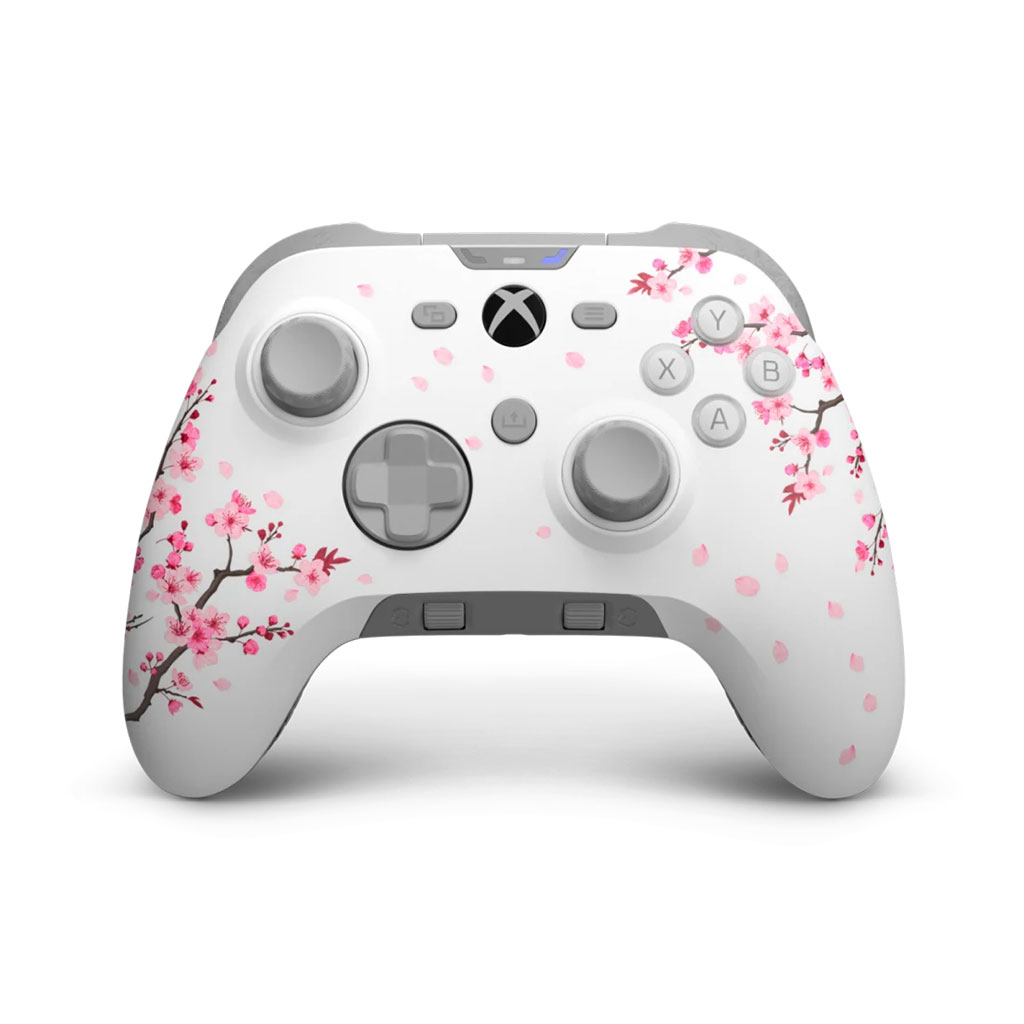
The other “pro” features are a mixed bag. The adjustable instant triggers are a staple, allowing you to switch from a full analog pull for racing games to a short, mouse-click actuation for shooters. The full pull feels smooth and consistent, but the instant-click setting felt surprisingly stiff, requiring more force than I expected and somewhat defeating the purpose of a hair-trigger. The four back paddles also have an odd inconsistency. Only the two inner paddles provide a satisfying, tactile click, while the outer two feel like standard, mushy membrane buttons. For a premium controller, this lack of uniformity feels like a cost-cutting measure. On a more positive note, the tri-mode connectivity is superb, offering low-latency wireless, Bluetooth, and a wired option that enables a blistering 1000 Hz polling rate on PC for near-instantaneous input. The battery life, however, is a clear step down from the competition. At a maximum of 17 hours, it pales in comparison to the 40 hours offered by the Elite Series 2.
Ultimately, the SCUF Valor Pro Wireless is a controller built on a contradiction. It brilliantly solves the long-standing issue of stick drift with its TMR thumbsticks but fumbles badly on fundamental ergonomics. Its performance is heavily dependent on software tuning, making the wireless version the only one truly worth considering for serious players. It’s a specialist’s tool, not an all-rounder. If its unique, compact shape happens to fit your hands perfectly, and you’re willing to put in the work to customize its software, it could be the durable, high-performance controller you’ve been waiting for. For everyone else, the awkward paddle placement, uncomfortable trigger stops, and high price make it a risky gamble that’s hard to recommend over the safer, more universally comfortable Xbox Elite Series 2.
Overall Rating 3 out of 5
Pros:
- Endurance TMR thumbsticks
- Excellent non-slip grip
- Versatile tri-mode connectivity
- Deep customization options via the Companion App
Cons:
- Extremely divisive ergonomics
- Poor placement of rear paddles and trigger stop switches
- Inconsistent tactile feedback between inner and outer paddles
- Shorter Battery life than key competitors
- Membrane based buttons feel squishy and dated