As a gamer who cut his teeth on the unforgiving corridors of Doom and the sprawling worlds of Baldur’s Gate, I’ve been chasing the perfect blend of action and role-playing my whole life. When a game promises to mix first-person survival horror with deep RPG mechanics, all wrapped in a Lovecraftian bow, my interest is more than piqued. Stygian: Outer Gods, the spiritual successor to a cult classic RPG, steps into this ambitious arena. After spending several hours navigating the fog-choked streets of Kingsport, I can say that Misterial Games has crafted one of the most atmospheric and genuinely unsettling worlds I’ve ever explored. Unfortunately, that brilliant, terrifying world is trapped inside a game that is, in its current Early Access state, a technical and mechanical mess.
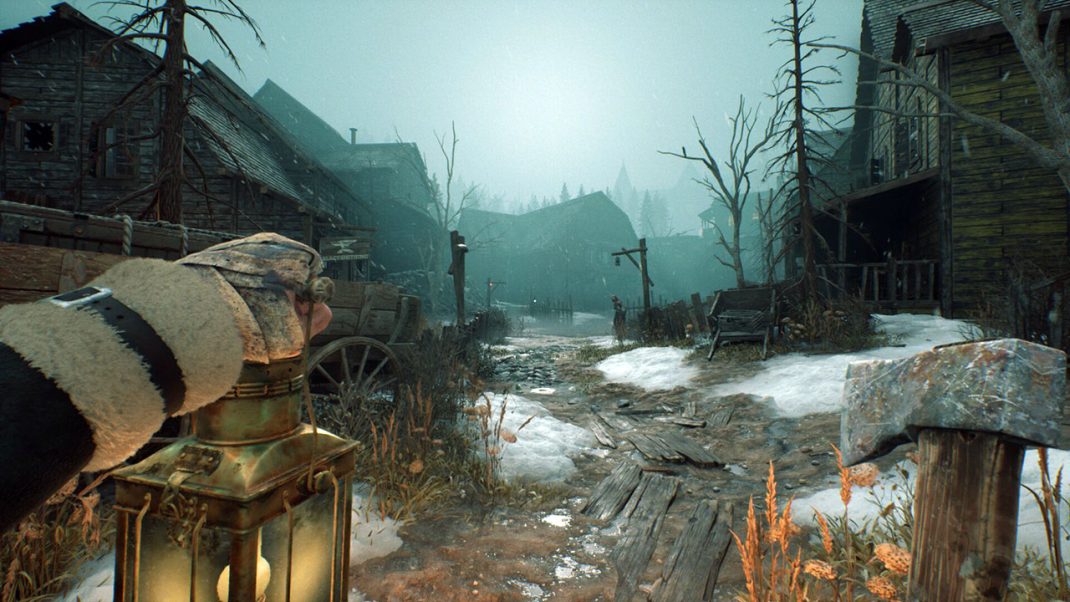
The game’s greatest triumph is, without a doubt, the town of Kingsport itself. This is not just a setting; it is a character, and it is your primary antagonist. The developers have absolutely nailed the feeling of cosmic dread. Every grimy alley, creaking floorboard, and distant, inhuman moan works in concert to create a constant, oppressive tension. The sound design is masterful, making you second-guess whether that noise was part of the game or something in your own house. Exploration is a slow, methodical process of scavenging for scarce resources, and the game forces you to make hard choices. Do you use your last two bullets on the shambling horror in front of you, or do you try to sneak past and save them for what might be lurking around the corner? This resource scarcity, combined with a fantastic grid-based inventory system reminiscent of Resident Evil 4, forms a truly compelling survival loop. I found myself completely absorbed in the simple act of picking through a derelict house, piecing together the town’s grim history from scattered notes while my own character’s sanity frayed at the edges.
The RPG systems provide a solid, if currently underutilized, foundation. You begin by shaping your character’s background through a series of questions, granting you bonuses and penalties to skills like lockpicking or occult knowledge. As you complete quests, you earn skill cards to further specialize your build. The sanity mechanic is another highlight. Staring at monsters or lingering in darkness causes your vision to distort and whispers to crawl into your ears, which is a classic trope executed well here. There’s a fascinating hint that madness might not be entirely a bad thing, potentially opening up new ways to interact with the world. These systems show immense promise, but in the current build, they feel a bit shallow. I rarely felt that my specific skills dramatically changed how I approached a situation, but I’m hopeful this will be fleshed out as development continues.
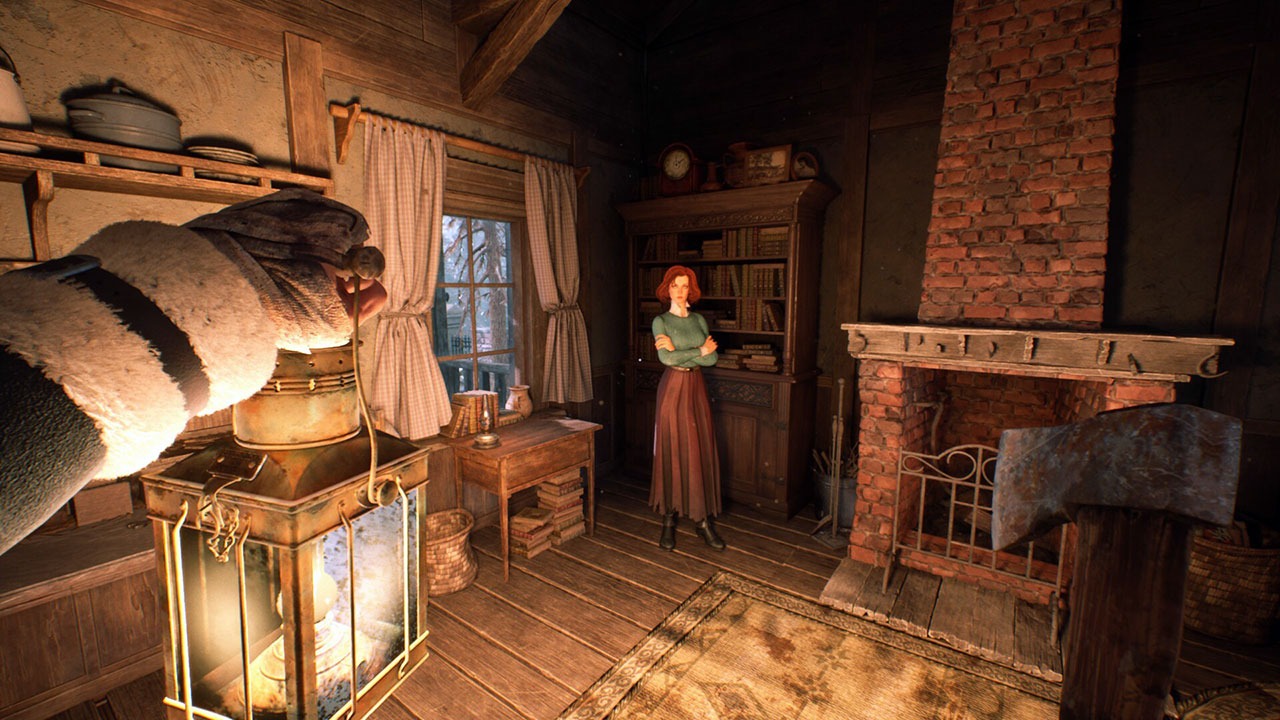
Where the game truly falters, and where my patience as an FPS veteran wore thin, is the combat. To put it bluntly, the combat feels awful. Melee weapons, from a simple knife to a heavy sledgehammer, have no sense of weight or impact. Hitting a monster feels less like a desperate fight for your life and more like swatting it with a foam bat. Encounters against more than one enemy quickly devolve into clumsy backpedaling while you try to exploit the simple AI. The gunplay is a marginal improvement, but it suffers from severe balancing issues. Firearms feel strangely underpowered, with even basic enemies soaking up multiple headshots from high-caliber weapons before going down. This completely undermines the tension of resource management. What’s the point of making every bullet count if it takes half a cylinder to kill a single ghoul?
Compounding the frustration of the combat are the game’s severe performance problems. A game built on atmosphere needs to be immersive, but that immersion is constantly shattered by technical hitches. Even on a powerful PC, the game suffers from frequent stuttering and significant frame rate drops, particularly in the larger outdoor areas. It’s difficult to stay scared of what’s in the shadows when you’re fighting a slideshow. These aren’t minor issues; they are fundamental problems that actively detract from the game’s biggest strengths.
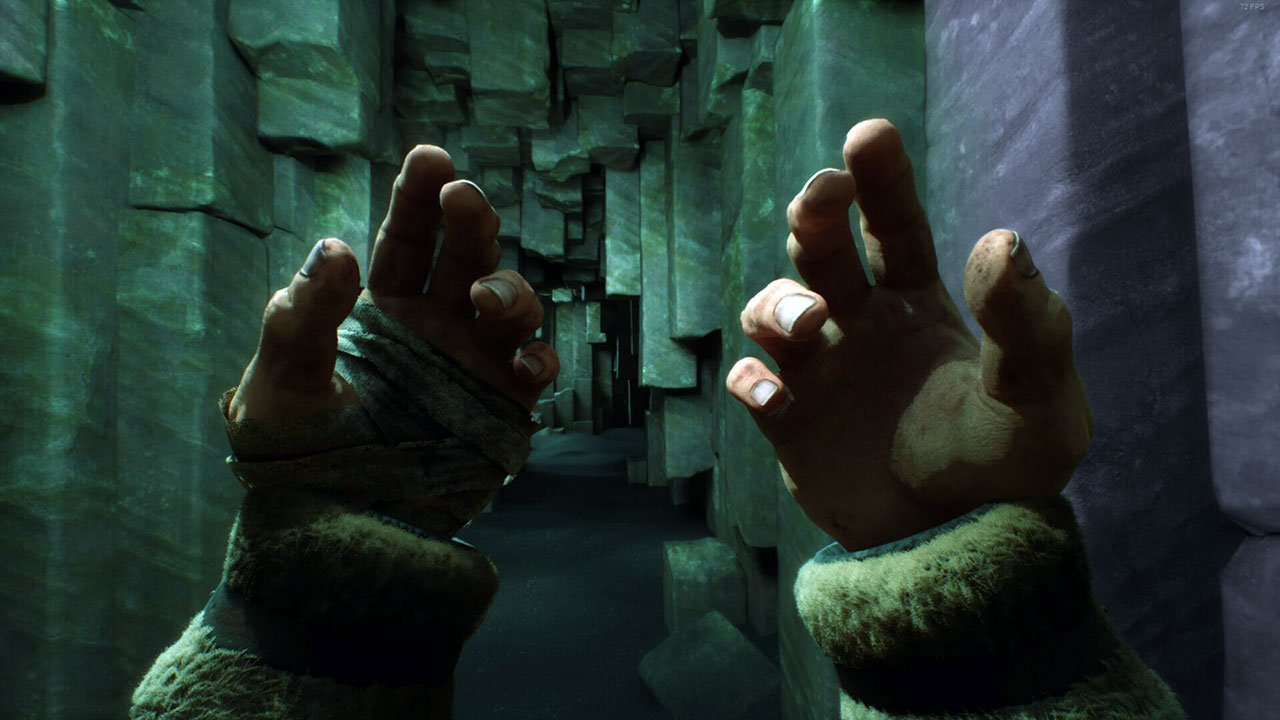
Stygian: Outer Gods is the very definition of a promising Early Access title. It is a brilliant concept with a stellar aesthetic, but it is plagued by poor execution in key areas. The developers have created a world I desperately want to get lost in, but the clunky combat and jarring performance issues keep pulling me out. There is a potential modern classic buried here, a worthy successor to atmospheric horror legends. However, Misterial Games has a tremendous amount of polishing and rebalancing to do before that potential can be realized. For now, this is a cautious recommendation only for the most patient horror aficionados, those who are willing to endure significant jank to experience a masterclass in world-building. For everyone else, I’d advise you to keep this on your wishlist and wait until the stars are right.
Overall Rating 3 out of 5
The game’s greatest asset is its incredible atmosphere. The world is dripping with Lovecraftian dread, from the grimy visuals to the unnerving sound design, creating a truly immersive and terrifying setting for players to explore.
However, the experience is severely hampered by clunky and unsatisfying combat mechanics. Both melee and ranged combat feel underdeveloped and lack impact, which turns many encounters into frustrating chores rather than tense struggles for survival.