As a gamer who cut his teeth on the tank controls of the original Resident Evil and spent countless hours navigating the fog of Silent Hill, I approach any new survival horror title with a mix of excitement and skepticism. Bloober Team, fresh off their commendable work on the Silent Hill 2 Remake, has now stepped out with their own IP, Cronos: The New Dawn. The game wears its inspirations on its sleeve, clearly aiming to capture the lightning in a bottle that was the Dead Space series. After spending a solid 20 hours exploring its brutalist hellscape, I can say that while it doesn’t quite reach the legendary status of its predecessors, it offers a tense and deeply atmospheric experience that old-school fans of the genre will undoubtedly appreciate.
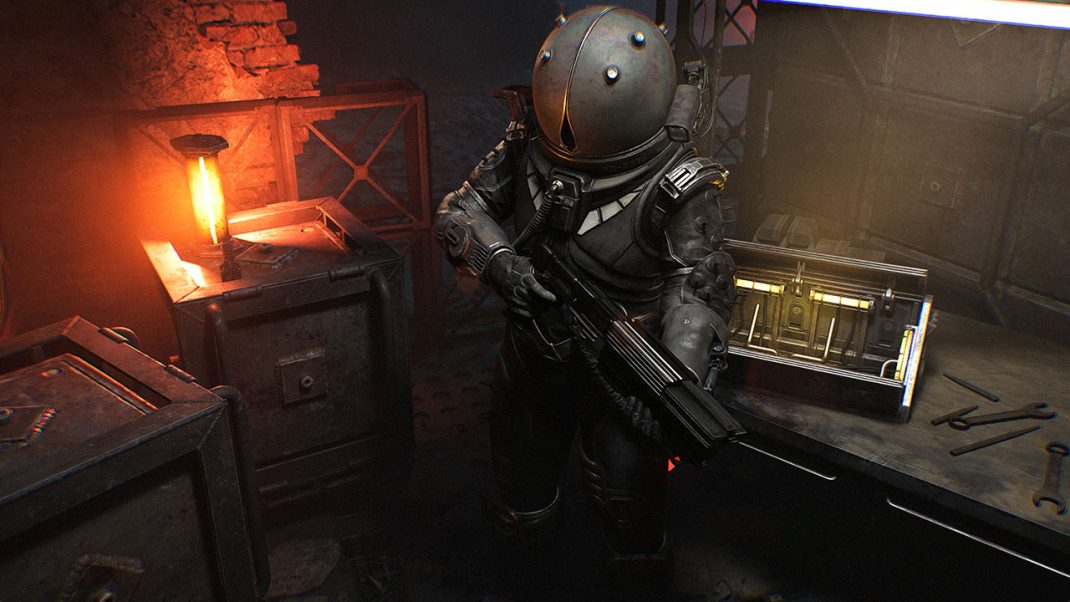
The game’s greatest strength is its world. The narrative, a complex time-travel saga that bounces between a desolate future and 1980s Poland, is immediately intriguing. As someone who loves the deep lore and environmental storytelling of a good RPG, I was captivated by the setting. The fusion of cold, imposing communist-era architecture with decaying retro-futuristic technology creates a unique and oppressive atmosphere that feels wholly original. I found myself pouring over every optional note and audio log, piecing together the history of “The Change” that brought humanity to its knees. The world-building is fantastic. The story itself, however, is a bit more of a mixed bag. The protagonist, known only as the Traveler, remains helmeted and emotionally distant throughout the journey. This creative choice makes it difficult to connect with the personal stakes of the mission, leaving the grand, world-ending plot to do most of the heavy lifting. While the overarching mystery kept me invested, the narrative lacked the emotional gut punch of the genre’s best stories.
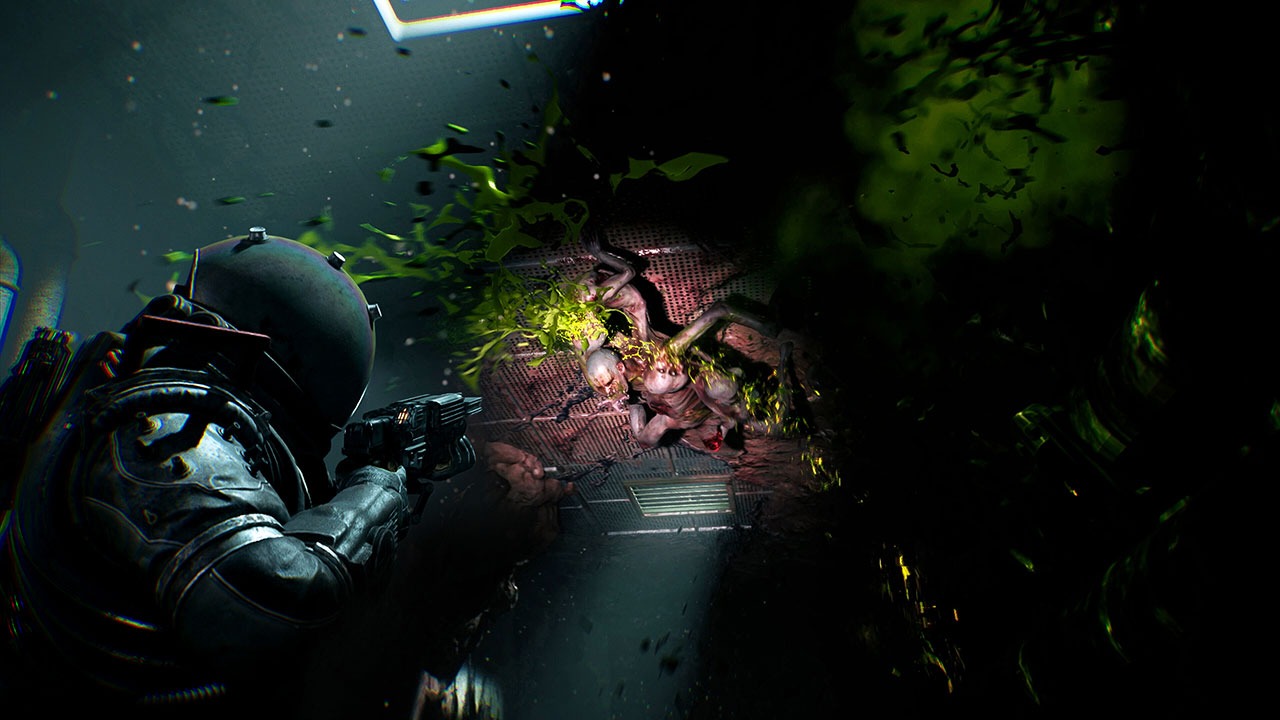
When it comes to gameplay, Cronos is a game of brilliant ideas and flawed execution. The movement is intentionally slow and weighty, a design choice I respect as it grounds you in the world and makes every encounter feel deliberate. The combat, however, is where the game stumbles. While the gunplay is functional, with a satisfying charge-shot mechanic that creates tense standoffs, it lacks the visceral feedback that makes combat in games like Dead Space so memorable. Enemies often feel like bullet sponges, absorbing shots with little visible reaction, a far cry from the strategic dismemberment that defined Isaac Clarke’s adventures. Furthermore, the melee combat is incredibly weak, making it a desperate, often futile last resort when you inevitably run out of ammunition. The absence of a dodge or parry mechanic feels like a missed opportunity, leaving you to simply backpedal away from danger.
Where the game truly innovates, and where my respect for it grew immensely, is in its survival systems. Resource management is absolutely brutal, in the best way possible. Every bullet feels precious, and every healing item is a lifeline. My RPG instincts kicked in early, and I found myself prioritizing inventory space upgrades above all else, a necessity for anyone hoping to survive. The standout mechanic, without a doubt, is “Merging”. Defeated enemies don’t just disappear; their corpses remain on the field, ready to be absorbed by another living foe to create a stronger, more dangerous hybrid. This forces you to burn bodies using limited fuel, adding a fantastic layer of tactical pressure to every single fight. It transforms combat from a simple shooting gallery into a frantic game of battlefield control, forcing you to constantly assess threats, both living and dead.
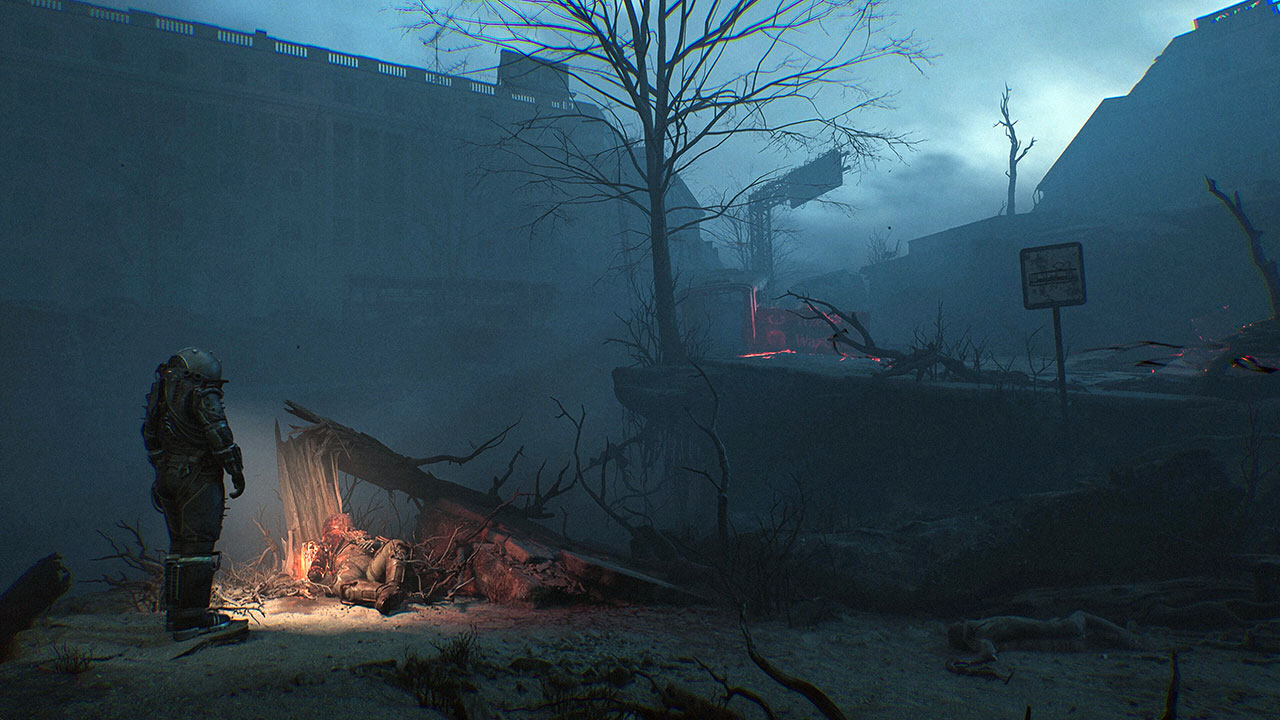
From a presentation standpoint, the game is a work of art. The visuals are spectacular, and the synth-heavy soundtrack perfectly complements the grim, retro-futuristic aesthetic. Bloober Team has proven once again that they are masters of atmosphere. Unfortunately, this artistic achievement is let down by inconsistent technical performance. I experienced frequent stuttering and frame rate drops on my PS5, issues that momentarily shattered the carefully crafted immersion. It’s a frustrating blemish on an otherwise beautiful game.
In the end, Cronos: The New Dawn is a solid and respectable entry into the survival horror genre. It doesn’t have the polish or the revolutionary combat of the AAA titans it emulates, but it makes up for it with a truly unique world and a brilliant core mechanic in the Merging system. It’s a game that feels like a relic from the mid-2000s, a “AA” title with a ton of heart and ambition that isn’t afraid to be difficult and unforgiving. It’s more tense than it is outright scary, with the anxiety coming from dwindling supplies rather than cheap jump scares. For a genre veteran like myself, who misses the days when survival horror was truly about survival, Cronos was a welcome, if imperfect, journey back in time.
Overall Rating: 4 out of 5
Pros:
- Incredibly atmospheric world with unique art direction.
- The “Merge” mechanic adds a fantastic strategic layer to combat.
- Tense, old-school resource management that rewards careful play.
- Intriguing world-building and lore.
Cons:
- Combat feels clunky.
- Technical performance issues.
- The story and protagonist are emotionally distant.
- Melee combat is largely ineffective.