
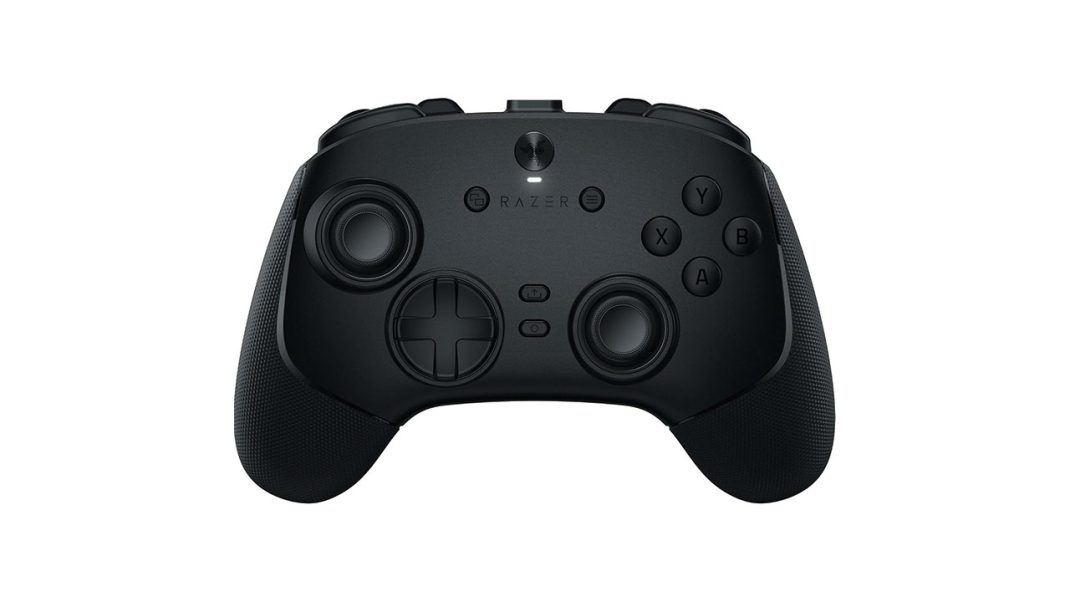
Let’s be clear: When I get home from my 9-to-5, my gaming time isn’t for relaxation—it’s for competition and action-heavy gaming. Whether I’m clearing rooms in Ready or Not, holding a flank in Insurgency Sandstorm, or delivering managed democracy in Helldivers II, I demand absolute performance from my gear. I’ve been burned before, most recently by my fourth Xbox Elite Series 2 controller, which developed the familiar, infuriating stick drift that turned my precision operator into a stumbling mess. I was done with compromises. I needed a tool built for one purpose: winning. That search led me to the Razer Wolverine V3 Pro 8K PC, a controller that promised to be the end of all my hardware frustrations.
From the moment I took it out of the box, I knew the Razer Wolverine V3 Pro 8K PC was a different kind of beast. The first thing that struck me was its incredible lightness. Razer achieved this by stripping out everything non-essential, and I couldn’t be happier about it. There are no rumble motors, and thank goodness for that. The last thing I need when trying to control recoil is a vibrating piece of plastic throwing off my aim. That’s the first setting I disable on any controller, so removing it entirely to shed weight is a brilliant design choice. There’s also no 3.5mm audio jack, which is another non-issue. Any serious PC gamer is using a dedicated wireless headset or plugging directly into their rig for superior audio, making a controller jack completely redundant. Razer understood its audience: this isn’t a toy for immersion; it’s a weapon for esports.
The controller’s performance is, in a word, flawless. The primary reason for my purchase was the TMR thumbsticks, Razer’s evolution of Hall Effect technology that uses magnetic fields instead of physical potentiometers to register movement. This means stick drift is, mechanically, an impossibility. The confidence this inspires is a game-changer. Holding a tight angle in Insurgency, knowing my crosshair will remain perfectly still until I command it to move, is a luxury I didn’t know I was missing. The sticks have a firm, consistent tension that makes micro-adjustments feel deliberate and precise. My accuracy has noticeably improved, and the peace of mind knowing this $200 investment won’t degrade over time is invaluable.
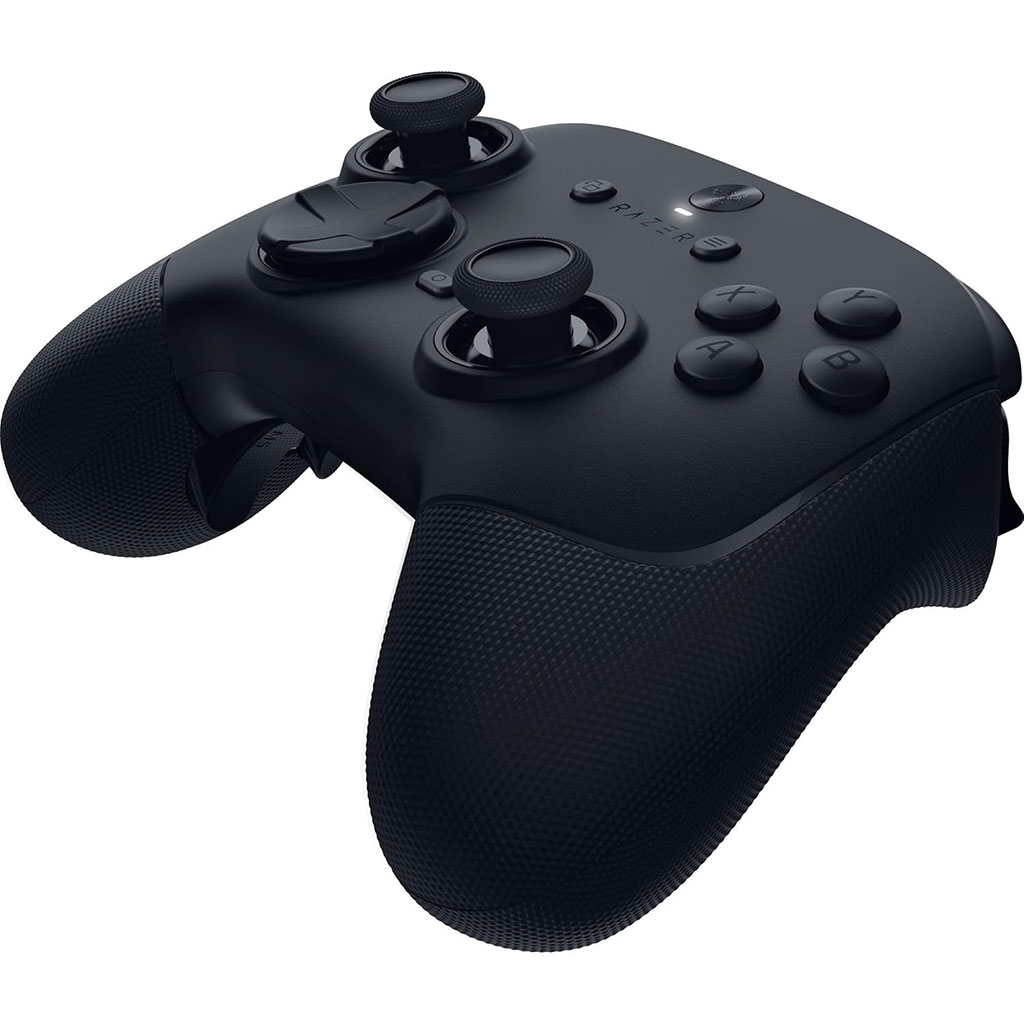
Every other input is engineered with that same philosophy of speed and precision. The face buttons use Razer’s “Mecha-Tactile” switches, giving every press a crisp, audible click that feels more like a high-end gaming mouse than a traditional gamepad. There’s zero mushiness, just instant, satisfying actuation. The true stars of the show, however, are the triggers. With a simple flick of a switch on the back, the full-range analog triggers transform into hair-trigger mouse clicks. For the semi-auto DMRs I favor, this is nothing short of revolutionary. The ability to fire off rapid, precise shots with zero travel distance feels like cheating. It’s a tangible advantage that has won me more than a few gunfights. This is complemented by six extra remappable buttons—four perfectly placed back buttons and two additional bumpers—that allow me to reload, lean, and use equipment without ever taking my thumbs off the sticks.
Then there’s the headline feature: the 8000 Hz HyperPolling rate. Many will argue that the difference between a 1ms response time (1000 Hz) and a 0.125ms response time (8000 Hz) is imperceptible to a human. They might be right. But for a competitive player, the game is as much mental as it is physical. Knowing that I have eliminated every possible millisecond of input lag, that my connection is eight times faster than the old standard, provides a psychological edge. It removes a variable. It means that if I lose a firefight, the fault is mine alone, not my equipment’s. It’s the pursuit of perfection, and in that context, 8K polling makes perfect sense. Console controllers are limited to lower latency values but, since this is designed specifically for PC, the 8K Hz polling is a welcome addition.
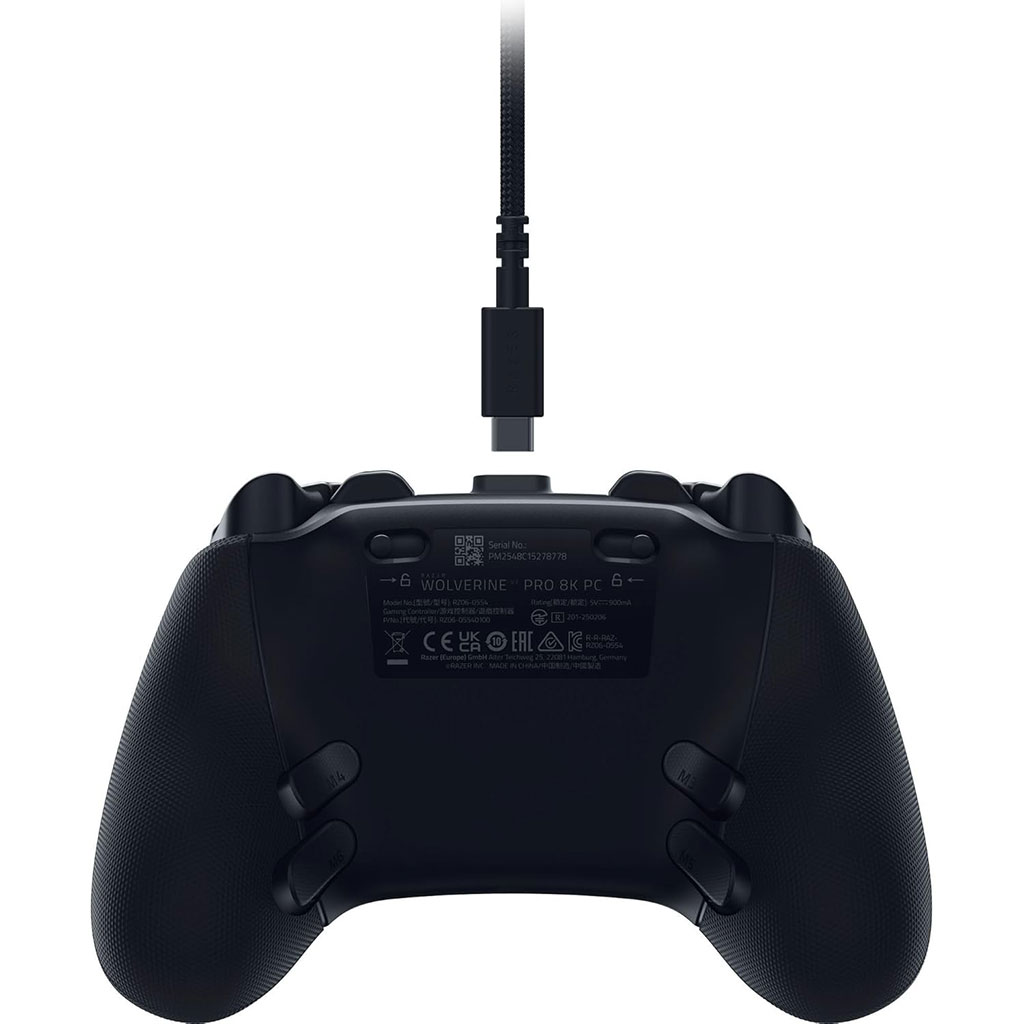
Of course, no design is perfect for everyone. The grips on the Razer Wolverine V3 Pro 8K PC are on the shorter side, and my pinky fingers don’t have a natural resting place. It took a few sessions to adjust, but it’s a minor ergonomic quirk I’m more than willing to accept in exchange for the sheer performance on offer. It should be noted that Razer has included taller stick caps in the box as well, but I like the look of the shorter ones, but I digress… The Synapse software could also use more advanced features like custom response curves, but the core functionality is solid. These are very small footnotes in an otherwise stellar experience. The Razer Wolverine V3 Pro 8K PC wasn’t designed to be universally comfortable; it was designed to be brutally effective. It’s a lightweight, stripped-down, purpose-built machine for players who measure success in kill-death ratios and successful mission extracts. Razer’s Wolverine V3 Pro 8K PC is the best competitive controller I have ever used on my PC, period.
Overall Score 5 out of 5
Pros:
- TMR thumbsticks completely eliminate stick drift and offer incredible precision.
- Instantaneous mouse-click buttons and triggers provide a significant competitive advantage.
- Extremely lightweight build is perfect for long, intense gaming sessions.
- Six well-placed and fully remappable buttons enhance control.
- 8000 Hz polling rate offers the lowest possible input latency.
Cons:
- Software lacks some advanced customization options like response curves.