
For years, the world of content creation has operated on a clear hierarchy. Professional-grade 4K game capture was the domain of high-end, expensive hardware, while the mainstream creator settled for excellent, but ultimately limited, 1080p solutions. Elgato, a name synonymous with streaming gear, has now taken a sledgehammer to that hierarchy with the Elgato Game Capture 4K S. This is not just another product release; it’s a strategic reset of the entire market, a device that makes flawless 4K capture at 60 frames per second the new, accessible standard for everyone.
Positioned as the direct successor to the wildly popular HD60 X, the 4K S improves upon its predecessor in every meaningful way while, remarkably, launching at a lower price. This aggressive move makes it clear that Elgato isn’t just competing; it’s dictating the terms of the next generation of game capture. For anyone with a PlayStation 5, Xbox Series X|S, or the upcoming Nintendo Switch 2, this device is designed to be the perfect partner, removing the technical barriers between you and professional-quality content.
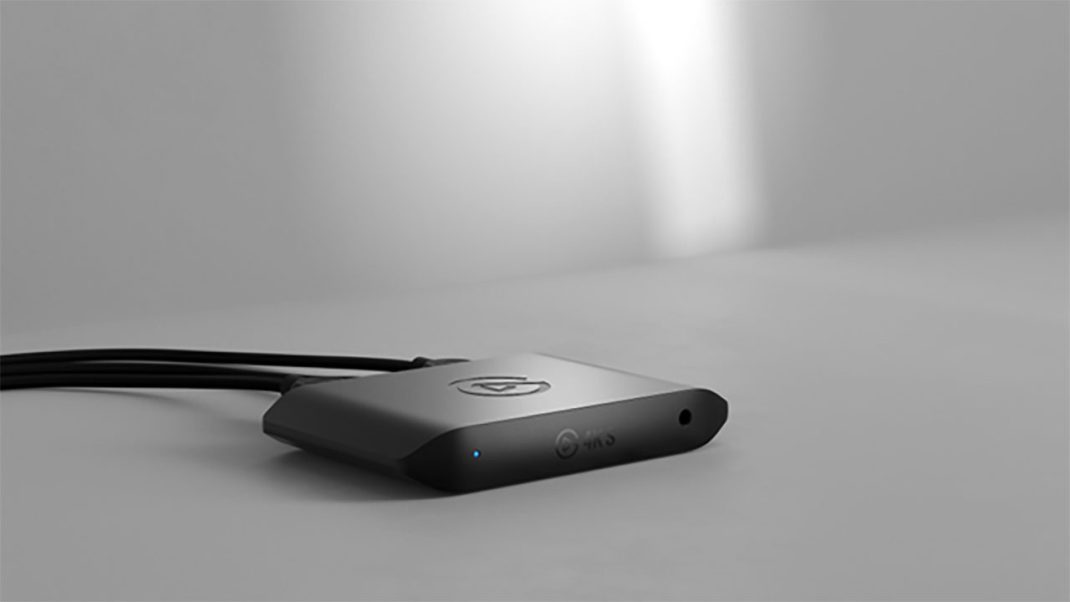
Out of the box, the 4K S embodies a philosophy of simplicity and portability. It’s a sleek, matte black box about the size of a deck of cards, weighing a mere 90 grams. This featherlight design is a double-edged sword; while perfect for creators on the go, it can be easily pushed around a desk by the weight of stiff HDMI cables—a minor but noticeable ergonomic quirk. Setup, however, is an absolute dream. Thanks to its plug-and-play design, there are no drivers to install. You simply connect your console, display, and computer, and it’s instantly recognized by Windows, macOS, and even iPads with a USB-C port. This effortless setup process lowers the barrier to entry for newcomers and streamlines the workflow for seasoned veterans.
The true magic of the 4K S, however, lies not just in the hardware but in the software it launches alongside. The new Elgato Studio application is a monumental leap forward from the company’s previous offerings. Described by many as a sublime experience, the software is stable, intuitive, and powerful. It provides crystal-clear diagnostics of your entire video signal chain, removing the guesswork from troubleshooting. With a single glance, you know exactly what resolution and frame rate you’re receiving and recording. This focus on a polished, user-friendly software experience is Elgato’s secret weapon. While competitors may match the 4K S on hardware specs, few can rival the seamless integration and stability of its software, especially when paired with the Elgato Stream Deck for one-touch control over your entire production.
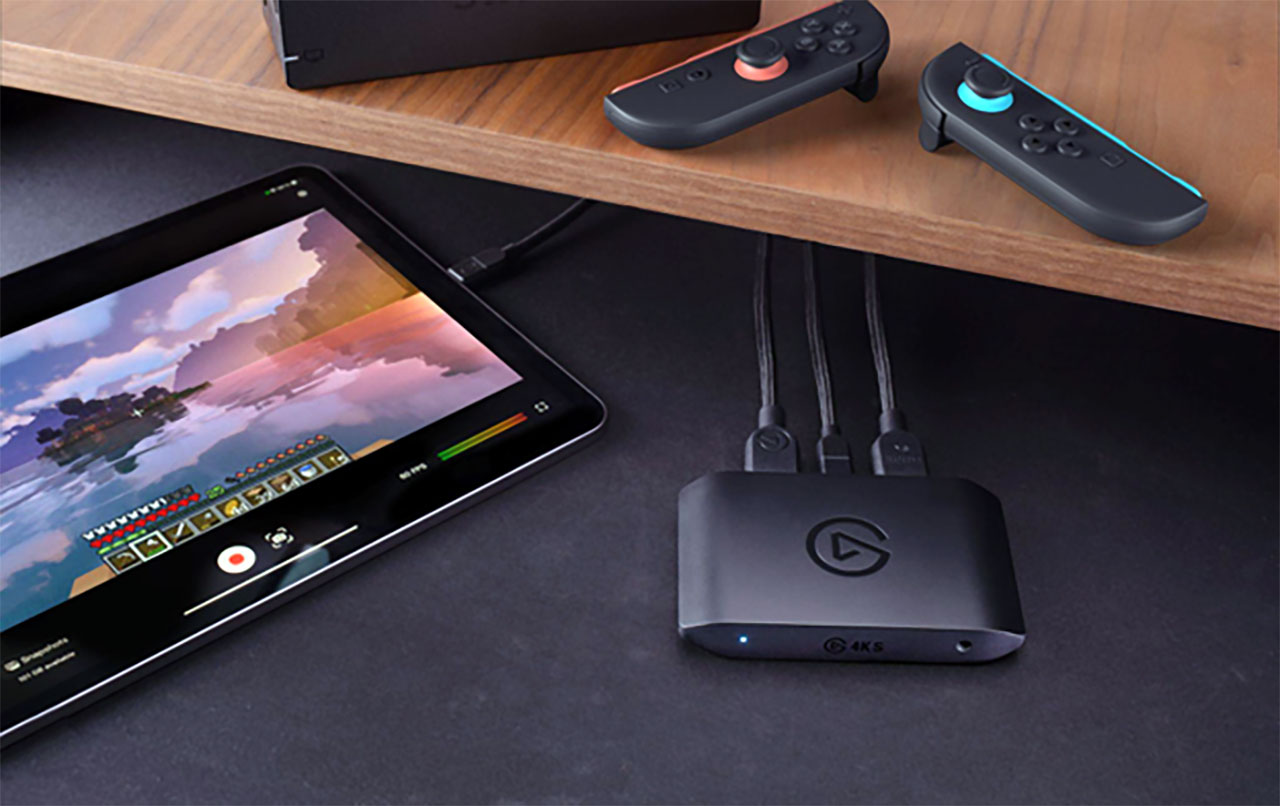
When it comes to performance, the 4K S delivers on its promises. The captured footage is nothing short of excellent, producing ridiculously sharp and crystal-clear 4K video at a fluid 60 frames per second. There are no stutters, dropped frames, or compression artifacts, ensuring your final product is a faithful, professional-grade representation of your gameplay. For those who prioritize frame rate over resolution in competitive titles, the device also offers robust support for high-frame-rate capture, including 1440p at 120 fps and 1080p at 240 fps.
Equally critical is the passthrough performance, and here the 4K S is flawless. The zero-latency passthrough means your gameplay experience on your primary monitor or TV is completely unaffected, feeling identical to a direct connection. Furthermore, the preview window within the Elgato Studio software boasts an ultra-low latency of as little as 30 milliseconds. This is so responsive that many creators, particularly those with a single monitor, will find it perfectly viable to play their games directly within the software preview, simplifying their setup immensely.

Of course, to achieve its aggressive price point, some compromises were necessary. The most significant limitation is in its HDR capabilities. While the 4K S can pass through a brilliant 4K HDR signal to your display, it can only capture HDR content at 1080p60, and this feature is exclusive to Windows. Creators focused on producing cinematic 4K HDR videos will need to look at Elgato’s more premium offerings. The second notable trade-off is in its audio, which is limited to 2.0 stereo. It does not support the capture or passthrough of 5.1 surround sound, an area where its primary competitor, the AverMedia Live Gamer Ultra S, holds a distinct advantage.
This places potential buyers at a clear crossroads. The choice between the Elgato 4K S and its closest rival often comes down to a choice between a superior software experience and superior audio fidelity. For those who prioritize immersive, cinematic sound, the AverMedia card is a compelling option. However, for the vast majority of creators who value a rock-solid, intuitive workflow and the power of a deeply integrated ecosystem, the Elgato 4K S is the clear winner. It doesn’t just capture your gameplay; it simplifies the entire process of creation. It is a powerful, affordable, and masterfully designed tool that has successfully redefined the mainstream standard for game capture.
Overall Score 4 out of 5
Pros:
- Excellent 4K60 SDR capture quality.
- Flawless zero-latency passthrough with VRR and HDR support.
- Extremely easy setup.
- Elgato Studio software is stable and intuitive.
- Great value, offering next-gen performance at an accessible price.
Cons:
- HDR capture is limited to 1080p60 and is Windows-only.
- Audio is limited to 2.0 stereo, with no 5.1 surround sound support.